
Data may be outdated
Last updated: 9 months ago — Click refresh to get the latest statistics.
The early '70s marked the heyday of progressive rock -- it seemed like every time you turned around and everywhere you looked, there were top-flight bands like <a href="spotify:artist:7AC976RDJzL2asmZuz7qil">Yes</a>, <a href="spotify:artist:7M1FPw29m5FbicYzS2xdpi">King Crimson</a>, <a href="spotify:artist:0nCiidE5GgDrc5kWN3NZgZ">ELP</a>, <a href="spotify:artist:0k17h0D3J5VfsdmQ1iZtE9">Pink Floyd</a>, <a href="spotify:artist:5BcZ22XONcRoLhTbZRuME1">the Moody Blues</a>, et al., all around, and their emulators and lesser rivals spreading out as far as the eye could see. Badger was part of that whole scene, a <a href="spotify:artist:7AC976RDJzL2asmZuz7qil">Yes</a> offshoot group that managed to get signed by the same label. Officially, the group's origins go back to 1972 and <a href="spotify:artist:2HDAQ8NTHMQnQR6N5Rnde6">Tony Kaye</a>'s departure from <a href="spotify:artist:4adMMJI7fSSinRx4ymNnwY">Flash</a>, the group he'd co-founded with his fellow ex-<a href="spotify:artist:7AC976RDJzL2asmZuz7qil">Yes</a> alumni, guitarist <a href="spotify:artist:3pcBYlS4js6fFBbPw4XQ9q">Peter Banks</a>. <a href="spotify:artist:2HDAQ8NTHMQnQR6N5Rnde6">Kaye</a> was a virtuoso who favored more traditional instruments such as the Hammond organ over the more modern Moog synthesizer (not that he didn't play the latter, but he used the organ more prominently), and who had the bad fortune to have been succeeded in <a href="spotify:artist:7AC976RDJzL2asmZuz7qil">Yes</a> by the much flashier <a href="spotify:artist:0mkcYaXUbJUs5mJointuzB">Rick Wakeman</a>. This time out, he was going to put together his own progressive rock supergroup, on a firmer footing than <a href="spotify:artist:4adMMJI7fSSinRx4ymNnwY">Flash</a> (whose work had sometimes strayed too close to that of <a href="spotify:artist:7AC976RDJzL2asmZuz7qil">Yes</a>).
The ex-<a href="spotify:artist:7AC976RDJzL2asmZuz7qil">Yes</a> keyboard player called on his longtime friend David Foster, who had managed to skirt the orbit of <a href="spotify:artist:7AC976RDJzL2asmZuz7qil">Yes</a> several times without ever being asked into that lineup (in part because his instrument was the bass, and <a href="spotify:artist:7AC976RDJzL2asmZuz7qil">Yes</a> was incredibly well covered in that department by <a href="spotify:artist:7G3uxJYCXXvkJJMORkc1rk">Chris Squire</a>). Foster had been a member of the Warriors, <a href="spotify:artist:7AC976RDJzL2asmZuz7qil">Yes</a> lead singer <a href="spotify:artist:2iptQ8hQmUa7kZocEBHt7u">Jon Anderson</a>'s mid-'60s group, and had co-authored songs with <a href="spotify:artist:2iptQ8hQmUa7kZocEBHt7u">Anderson</a> on <a href="spotify:artist:7AC976RDJzL2asmZuz7qil">Yes</a>' second album, Time and a Word. <a href="spotify:artist:2HDAQ8NTHMQnQR6N5Rnde6">Kaye</a> had ended up working with Foster on what was ultimately to be an unreleased Foster album -- when <a href="spotify:artist:2HDAQ8NTHMQnQR6N5Rnde6">Kaye</a> quit <a href="spotify:artist:7AC976RDJzL2asmZuz7qil">Yes</a> in 1971, he initially joined <a href="spotify:artist:3pcBYlS4js6fFBbPw4XQ9q">Banks</a> in founding <a href="spotify:artist:4adMMJI7fSSinRx4ymNnwY">Flash</a>, but after his exit from the latter, <a href="spotify:artist:2HDAQ8NTHMQnQR6N5Rnde6">Kaye</a> and Foster decided to finally take the plunge. They recruited drummer Roy Dyke, lately a member of <a href="spotify:artist:0FtsBt4gg67x9q0CS5FhB6">Family</a> and, before that, <a href="spotify:artist:1jjn1GBdbizg6qiqtKsEgC">Ashton, Gardner & Dyke</a> -- he was a Liverpool veteran whose career went back to the early '60s and the Remo 4 and <a href="spotify:artist:2A3KGd7NkgkLzqudWj7jbc">Brian Epstein</a> protégé <a href="spotify:artist:3eaLKhaBUfJDFbZqLiZySL">Tommy Quickly</a>, and had played on one hit single, <a href="spotify:artist:1jjn1GBdbizg6qiqtKsEgC">Ashton, Gardner & Dyke</a>'s "Resurrection Shuffle"; he, in turn, steered the organizers to <a href="spotify:artist:6iPSKyg97nPDXB7tNLWgPf">Brian Parrish</a>, an ex-member of <a href="spotify:artist:2DDBSi3h22DDMvGCKG1r8T">Medicine Head</a> and <a href="spotify:artist:2ftsNMymcF6riXLLBMV7Zp">Three Man Army</a>, who had played with <a href="spotify:artist:1UtNhwUKffGTk6vcA48TP6">Paul Gurvitz</a> and Mike Kellie in an outfit called Parrish & Gurvitz, who'd cut one LP for Regal Zonophone.
The quartet, christened Badger, fit together perfectly, and after some rehearsals began building a name for itself on a European tour opening for <a href="spotify:artist:5M52tdBnJaKSvOpJGz8mfZ">Black Sabbath</a>. The band was signed by Atlantic Records, which already had <a href="spotify:artist:7AC976RDJzL2asmZuz7qil">Yes</a> and saw Badger as potentially offering another group of the same caliber. When it came time to record an album, however, it was decided that nothing they tried in the studio was capturing the intensity and involvement they demonstrated on-stage, and that a live album was the best way to introduce Badger. A show at the Rainbow Theatre, opening for a now well-established <a href="spotify:artist:7AC976RDJzL2asmZuz7qil">Yes</a>, was recorded, produced by <a href="spotify:artist:2iptQ8hQmUa7kZocEBHt7u">Jon Anderson</a> and Geoffrey Haslam. One Live Badger did rather better in Europe than it did in America, though it got strong reviews everywhere. Perhaps if it had come out at another time -- and not in the same season that the first wave of progressive rock albums from <a href="spotify:artist:0nCiidE5GgDrc5kWN3NZgZ">ELP</a>'s Manticore label was being released, with lots of publicity and advertising support -- it might've done better, and a single might've been a help (even <a href="spotify:artist:7AC976RDJzL2asmZuz7qil">Yes</a> had needed "Roundabout" to find a mass audience).
By 1974, Badger was reduced to <a href="spotify:artist:2HDAQ8NTHMQnQR6N5Rnde6">Kaye</a> and Dyke, who reconstructed the group along somewhat different lines with the addition of Paul Pilnick, late of <a href="spotify:artist:7bPU7cvfoD20ixGD9Qnqki">Stealers Wheel</a>, on lead guitar, Kim Gardner (of <a href="spotify:artist:1jjn1GBdbizg6qiqtKsEgC">Ashton, Gardner & Dyke</a>) on bass, and ex-Apple alumnus <a href="spotify:artist:2lGHQf7rzLMpTqlfGwIE9O">Jackie Lomax</a> on vocals. In essence, it became <a href="spotify:artist:2lGHQf7rzLMpTqlfGwIE9O">Lomax</a>'s group, and he pushed the band away from progressive rock and into soul in a serious way; Badger's second album, White Lady, was made up entirely of songs co-authored by <a href="spotify:artist:2lGHQf7rzLMpTqlfGwIE9O">Lomax</a>, and produced in New Orleans at <a href="spotify:artist:63aP18bg2ABSOqSNQcAMNy">Allen Toussaint</a>'s studio. The change in direction would have been difficult enough to pull off under the best of conditions, but stability wasn't one of Badger's long suits at this date -- the group had split up before White Lady was even issued, leaving bewildered fans of both the old sound and new to ponder what had just happened.
Pilnick later returned to the orbit of <a href="spotify:artist:7bPU7cvfoD20ixGD9Qnqki">Stealers Wheel</a>'s <a href="spotify:artist:1TB4CvuHN3qOi04au4bF4x">Joe Egan</a> and <a href="spotify:artist:6iPSKyg97nPDXB7tNLWgPf">Parrish</a> went on to cut a solo album, while <a href="spotify:artist:2lGHQf7rzLMpTqlfGwIE9O">Lomax</a> signed with Capitol for two solo albums and Dyke passed through bands behind <a href="spotify:artist:0YEyuuhfdNXnTJh1uFhl3p">Pat Travers</a> and jazz veteran <a href="spotify:artist:22La2Rm0bDntXkMXGhNQgU">Chris Barber</a>. <a href="spotify:artist:2HDAQ8NTHMQnQR6N5Rnde6">Tony Kaye</a> was a member of <a href="spotify:artist:2mqaGk86W7VW1c016QyKJF">Detective</a> and later passed through a re-formed version of <a href="spotify:artist:4pJCawaKSZ40EnxN0YEYw3">Badfinger</a> before re-emerging with <a href="spotify:artist:7AC976RDJzL2asmZuz7qil">Yes</a> in the 1980s, and even got to sing a little on the Union album. Finally, a quarter century after it was recorded, One Live Badger was re-released on CD by Repertoire Records, as part of that label's re-examination of the best progressive rock of the 1970s. ~ Bruce Eder, Rovi
The ex-<a href="spotify:artist:7AC976RDJzL2asmZuz7qil">Yes</a> keyboard player called on his longtime friend David Foster, who had managed to skirt the orbit of <a href="spotify:artist:7AC976RDJzL2asmZuz7qil">Yes</a> several times without ever being asked into that lineup (in part because his instrument was the bass, and <a href="spotify:artist:7AC976RDJzL2asmZuz7qil">Yes</a> was incredibly well covered in that department by <a href="spotify:artist:7G3uxJYCXXvkJJMORkc1rk">Chris Squire</a>). Foster had been a member of the Warriors, <a href="spotify:artist:7AC976RDJzL2asmZuz7qil">Yes</a> lead singer <a href="spotify:artist:2iptQ8hQmUa7kZocEBHt7u">Jon Anderson</a>'s mid-'60s group, and had co-authored songs with <a href="spotify:artist:2iptQ8hQmUa7kZocEBHt7u">Anderson</a> on <a href="spotify:artist:7AC976RDJzL2asmZuz7qil">Yes</a>' second album, Time and a Word. <a href="spotify:artist:2HDAQ8NTHMQnQR6N5Rnde6">Kaye</a> had ended up working with Foster on what was ultimately to be an unreleased Foster album -- when <a href="spotify:artist:2HDAQ8NTHMQnQR6N5Rnde6">Kaye</a> quit <a href="spotify:artist:7AC976RDJzL2asmZuz7qil">Yes</a> in 1971, he initially joined <a href="spotify:artist:3pcBYlS4js6fFBbPw4XQ9q">Banks</a> in founding <a href="spotify:artist:4adMMJI7fSSinRx4ymNnwY">Flash</a>, but after his exit from the latter, <a href="spotify:artist:2HDAQ8NTHMQnQR6N5Rnde6">Kaye</a> and Foster decided to finally take the plunge. They recruited drummer Roy Dyke, lately a member of <a href="spotify:artist:0FtsBt4gg67x9q0CS5FhB6">Family</a> and, before that, <a href="spotify:artist:1jjn1GBdbizg6qiqtKsEgC">Ashton, Gardner & Dyke</a> -- he was a Liverpool veteran whose career went back to the early '60s and the Remo 4 and <a href="spotify:artist:2A3KGd7NkgkLzqudWj7jbc">Brian Epstein</a> protégé <a href="spotify:artist:3eaLKhaBUfJDFbZqLiZySL">Tommy Quickly</a>, and had played on one hit single, <a href="spotify:artist:1jjn1GBdbizg6qiqtKsEgC">Ashton, Gardner & Dyke</a>'s "Resurrection Shuffle"; he, in turn, steered the organizers to <a href="spotify:artist:6iPSKyg97nPDXB7tNLWgPf">Brian Parrish</a>, an ex-member of <a href="spotify:artist:2DDBSi3h22DDMvGCKG1r8T">Medicine Head</a> and <a href="spotify:artist:2ftsNMymcF6riXLLBMV7Zp">Three Man Army</a>, who had played with <a href="spotify:artist:1UtNhwUKffGTk6vcA48TP6">Paul Gurvitz</a> and Mike Kellie in an outfit called Parrish & Gurvitz, who'd cut one LP for Regal Zonophone.
The quartet, christened Badger, fit together perfectly, and after some rehearsals began building a name for itself on a European tour opening for <a href="spotify:artist:5M52tdBnJaKSvOpJGz8mfZ">Black Sabbath</a>. The band was signed by Atlantic Records, which already had <a href="spotify:artist:7AC976RDJzL2asmZuz7qil">Yes</a> and saw Badger as potentially offering another group of the same caliber. When it came time to record an album, however, it was decided that nothing they tried in the studio was capturing the intensity and involvement they demonstrated on-stage, and that a live album was the best way to introduce Badger. A show at the Rainbow Theatre, opening for a now well-established <a href="spotify:artist:7AC976RDJzL2asmZuz7qil">Yes</a>, was recorded, produced by <a href="spotify:artist:2iptQ8hQmUa7kZocEBHt7u">Jon Anderson</a> and Geoffrey Haslam. One Live Badger did rather better in Europe than it did in America, though it got strong reviews everywhere. Perhaps if it had come out at another time -- and not in the same season that the first wave of progressive rock albums from <a href="spotify:artist:0nCiidE5GgDrc5kWN3NZgZ">ELP</a>'s Manticore label was being released, with lots of publicity and advertising support -- it might've done better, and a single might've been a help (even <a href="spotify:artist:7AC976RDJzL2asmZuz7qil">Yes</a> had needed "Roundabout" to find a mass audience).
By 1974, Badger was reduced to <a href="spotify:artist:2HDAQ8NTHMQnQR6N5Rnde6">Kaye</a> and Dyke, who reconstructed the group along somewhat different lines with the addition of Paul Pilnick, late of <a href="spotify:artist:7bPU7cvfoD20ixGD9Qnqki">Stealers Wheel</a>, on lead guitar, Kim Gardner (of <a href="spotify:artist:1jjn1GBdbizg6qiqtKsEgC">Ashton, Gardner & Dyke</a>) on bass, and ex-Apple alumnus <a href="spotify:artist:2lGHQf7rzLMpTqlfGwIE9O">Jackie Lomax</a> on vocals. In essence, it became <a href="spotify:artist:2lGHQf7rzLMpTqlfGwIE9O">Lomax</a>'s group, and he pushed the band away from progressive rock and into soul in a serious way; Badger's second album, White Lady, was made up entirely of songs co-authored by <a href="spotify:artist:2lGHQf7rzLMpTqlfGwIE9O">Lomax</a>, and produced in New Orleans at <a href="spotify:artist:63aP18bg2ABSOqSNQcAMNy">Allen Toussaint</a>'s studio. The change in direction would have been difficult enough to pull off under the best of conditions, but stability wasn't one of Badger's long suits at this date -- the group had split up before White Lady was even issued, leaving bewildered fans of both the old sound and new to ponder what had just happened.
Pilnick later returned to the orbit of <a href="spotify:artist:7bPU7cvfoD20ixGD9Qnqki">Stealers Wheel</a>'s <a href="spotify:artist:1TB4CvuHN3qOi04au4bF4x">Joe Egan</a> and <a href="spotify:artist:6iPSKyg97nPDXB7tNLWgPf">Parrish</a> went on to cut a solo album, while <a href="spotify:artist:2lGHQf7rzLMpTqlfGwIE9O">Lomax</a> signed with Capitol for two solo albums and Dyke passed through bands behind <a href="spotify:artist:0YEyuuhfdNXnTJh1uFhl3p">Pat Travers</a> and jazz veteran <a href="spotify:artist:22La2Rm0bDntXkMXGhNQgU">Chris Barber</a>. <a href="spotify:artist:2HDAQ8NTHMQnQR6N5Rnde6">Tony Kaye</a> was a member of <a href="spotify:artist:2mqaGk86W7VW1c016QyKJF">Detective</a> and later passed through a re-formed version of <a href="spotify:artist:4pJCawaKSZ40EnxN0YEYw3">Badfinger</a> before re-emerging with <a href="spotify:artist:7AC976RDJzL2asmZuz7qil">Yes</a> in the 1980s, and even got to sing a little on the Union album. Finally, a quarter century after it was recorded, One Live Badger was re-released on CD by Repertoire Records, as part of that label's re-examination of the best progressive rock of the 1970s. ~ Bruce Eder, Rovi
Monthly Listeners
518
Monthly Listeners History
Track the evolution of monthly listeners over the last 28 days.
Followers
1,226
Followers History
Track the evolution of followers over the last 28 days.
Top Cities
14 listeners

12 listeners
8 listeners

7 listeners

6 listeners
Related Artists

Illinois Speed Press

Dog Soldier
Pot Liquor
Ramatam

Graeme Edge Band
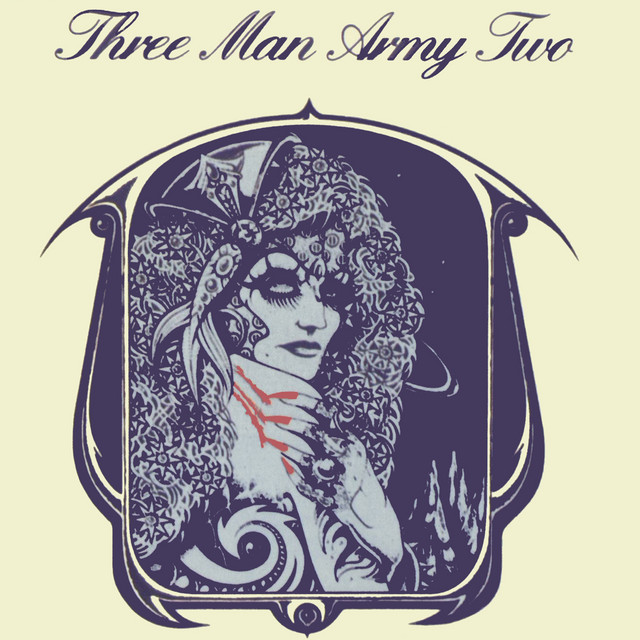
Three Man Army

Estus


Nutz

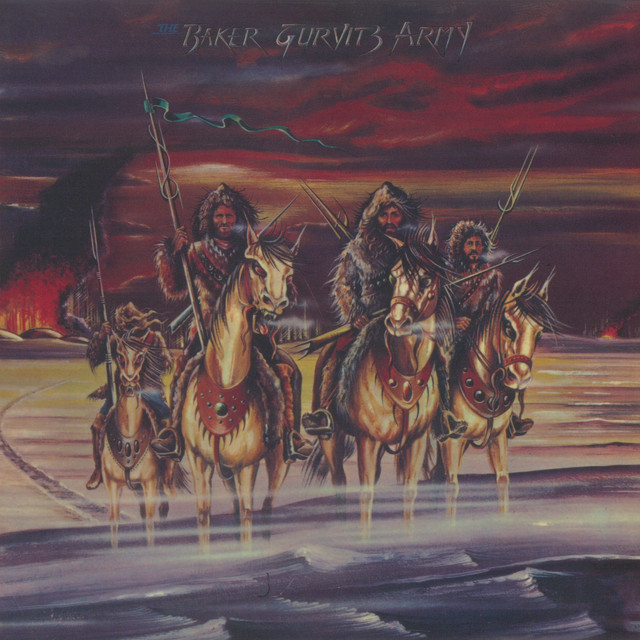
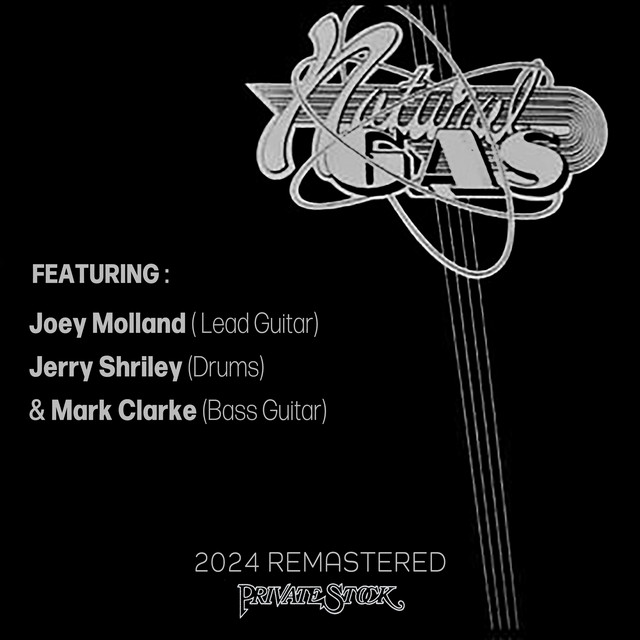
Natural Gas

Alan Bown

Hemlock
Andy Fraser
Heavy Cruiser

Ross

Cochise
