Data may be outdated
Last updated: 3 months ago — Click refresh to get the latest statistics.
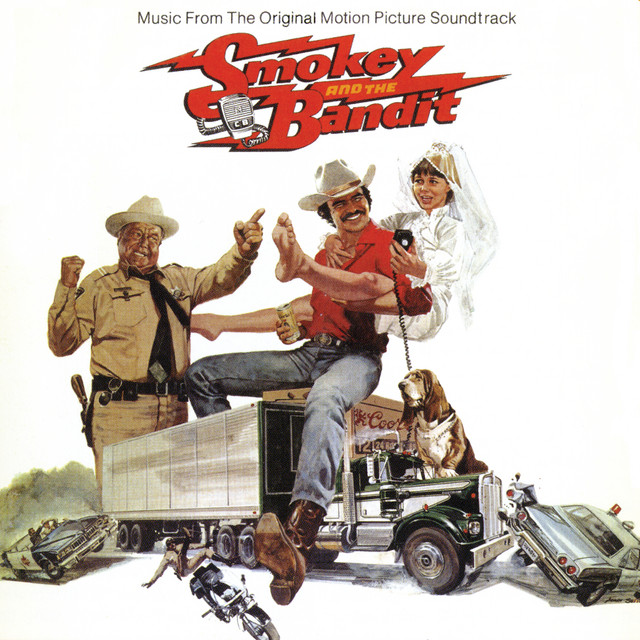
Justis would nevertheless score only more chart hit, "College Man," which only went as high as number 42. He continued recording the occasional single (including "Flea Circus," penned by <a href="spotify:artist:1gLCO8HDtmhp1eWmGcPl8S">Steve Cropper</a>), but by and large focused the remainder of his career on studio work, arranging sessions for <a href="spotify:artist:2zyz0VJqrDXeFDIyrfVXSo">Jerry Lee Lewis</a>, <a href="spotify:artist:6kACVPfCOnqzgfEF5ryl0x">Johnny Cash</a>, and <a href="spotify:artist:0JDkhL4rjiPNEp92jAgJnS">Roy Orbison</a>. Justis also discovered <a href="spotify:artist:218kRJZ7FJs0hWIk8Ynzhz">Charlie Rich</a> at Memphis night spot The Sharecropper Club and brought him to <a href="spotify:search:label%3A%22Sun%22">Sun</a> in 1960, arranging <a href="spotify:artist:218kRJZ7FJs0hWIk8Ynzhz">Rich</a>'s first major hit, "Lonely Weekends." However, squabbles with Phillips prompted Justis to leave <a href="spotify:search:label%3A%22Sun%22">Sun</a> soon after, and he formed his own label, the short-lived <a href="spotify:search:label%3A%22Play+Me+Records%22">Play Me Records</a>. After moving to Nashville and briefly reuniting with <a href="spotify:artist:218kRJZ7FJs0hWIk8Ynzhz">Rich</a> at <a href="spotify:search:label%3A%22RCA%22">RCA</a>, he landed with <a href="spotify:search:label%3A%22Mercury%22">Mercury</a>, which remained his home for the remainder of his career. In the years to follow, Justis would arrange records for everyone from <a href="spotify:artist:7dNsHhGeGU5MV01r06O8gK">Patsy Cline</a> to <a href="spotify:artist:49e4v89VmlDcFCMyDv9wQ9">Dean Martin</a> to <a href="spotify:artist:1T0wRBO0CK0vK8ouUMqEl5">Tom Jones</a>, also recording a series of instrumental LPs for <a href="spotify:search:label%3A%22Mercury%22">Mercury</a>'s <a href="spotify:search:label%3A%22Smash%22">Smash</a> subsidiary. In 1972 he scored his first film, Dear Dead Delilah. In 1977, he scored the smash Smokey and the Bandit, reuniting with star Burt Reynolds a year later for Hooper. Justis died of cancer on July 15, 1982. ~ Jason Ankeny, Rovi
Monthly Listeners
302,155
Monthly Listeners History
Track the evolution of monthly listeners over the last 28 days.
Followers
4,655
Followers History
Track the evolution of followers over the last 28 days.
Total Streams
51.2 million
Total Streams History
Track the evolution of total streams over the last 28 days. This data is calculated from all tracks listed in the artist's discography.


































![Raunchy [Extended Version (Remastered)]](https://i.scdn.co/image/ab67616d00001e020f175112b76cdacdd180f934)