Data may be outdated
Last updated: 9 months ago — Click refresh to get the latest statistics.
A versatile pre-bop trumpeter with a beautiful tone, Billy Butterfield could play pretty ballads and heated Dixieland with equal skill. After early experience in the mid-'30s with the bands of Austin Wylie and Andy Anderson, Butterfield became famous while playing with <a href="spotify:artist:5lP4FZO4ThhC9glGDwlgrV">Bob Crosby's Orchestra</a> (1937-1940), taking the main solo on the original version of "What's New," and making numerous records with both the big band and the Bobcats. In 1940, he was with <a href="spotify:artist:5wam12nGWDBIrLDV78TNSF">Artie Shaw</a>, participating in the famed Gramercy Five sessions and taking a classic solo on <a href="spotify:artist:5wam12nGWDBIrLDV78TNSF">Shaw</a>'s rendition of "Star Dust"; in addition, Butterfield can be seen and heard playing "Concerto for Clarinet" with <a href="spotify:artist:5wam12nGWDBIrLDV78TNSF">Shaw</a> in the film Second Chorus. After stints with <a href="spotify:artist:1pBuKaLHJlIlqYxQQaflve">Benny Goodman</a> (1941) and <a href="spotify:artist:1NcsSDCxHOZrAfYVtrahND">Les Brown</a>, Butterfield spent time in the military, and then led a lyrical (but commercially unsuccessful) big band (1945-1947). He worked mostly in the studios during the 1950s and '60s, occasionally emerging for Dixieland dates with <a href="spotify:artist:1YaB5mqH5zlJqvJaKIsBrS">Eddie Condon</a>, and was a key member of <a href="spotify:artist:3od5Mdj7OgLATvDkDynmHH">the World's Greatest Jazz Band</a> (1968-1972). In later years, he continued popping up in Dixieland settings both for records and concerts. ~ Scott Yanow, Rovi
Monthly Listeners
6,528
Monthly Listeners History
Track the evolution of monthly listeners over the last 28 days.
Followers
940
Followers History
Track the evolution of followers over the last 28 days.
Top Cities
584 listeners

177 listeners
140 listeners

104 listeners
99 listeners
Related Artists
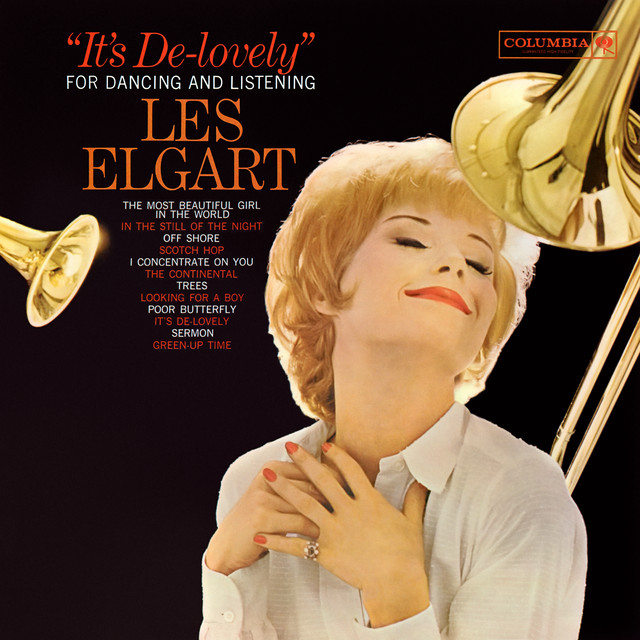
Les Elgart & His Orchestra


The Ray Coniff Orchestra & Chorus


Ray Conniff And His Orchestra

RIAS Tanzorchester

Glenn Miller y su orquesta

Alyn Ainsworth & His Orchestra
Sounds Unlimited Orchestra And Chours

Ernie Heckscher & His Fairmont Orchestra

Bertones Ballroom Orchestra

Bert Kaempfert

Harry Geller and His Orchestra

Tony Mottola y So Orquesta
Hugo Strasser und die Heinrich Haas jr. Combo

Dennis Hayward and His Orchestra

Frankie Carle, His Piano & Orchestra

Black Rhythm Orchestra


Horst Wende & His Orchestra