Data may be outdated
Last updated: 7 months ago — Click refresh to get the latest statistics.
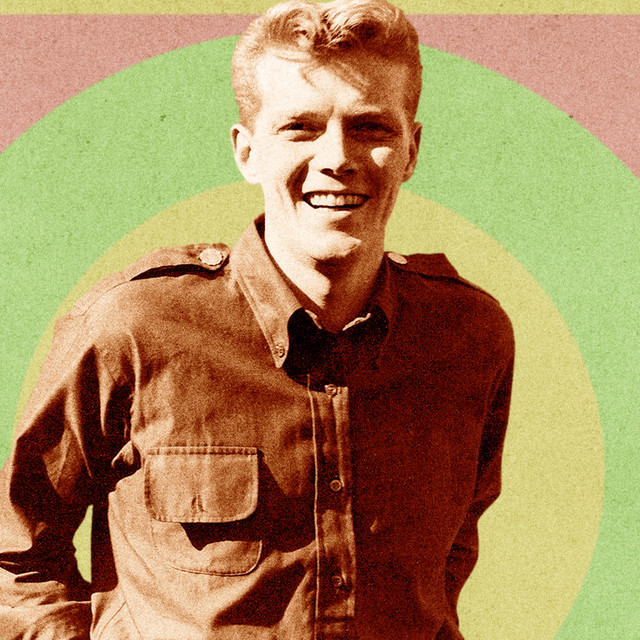
An L.A. studio giant, Bob Crewe is primarily remembered as the producer/songwriter behind a bevy of soft pop songs in the '60s and '70s for such artists as <a href="spotify:artist:6mcrZQmgzFGRWf7C0SObou">the Four Seasons</a>, <a href="spotify:artist:5fU6lODhpw3GEGGJuaDprR">the Osmonds</a>, and others. Along with partners <a href="spotify:artist:5eaaETTgyFJAv1neNcQoXW">Bob Gaudio</a> and, later, <a href="spotify:artist:2SdZQXwwMAWw3INoSmOzur">Kenny Nolan</a>, <a href="spotify:search:label%3A%22Crewe%22">Crewe</a> co-penned/and or produced such hits as <a href="spotify:artist:3DznKagEU8yMQZR9z33Da5">Labelle</a>'s "Lady Marmalade," <a href="spotify:artist:49WlsIvcUYj7Awo93hDKgf">the Walker Brothers</a>' "The Sun Ain't Gonna Shine (Anymore)," and <a href="spotify:artist:6mcrZQmgzFGRWf7C0SObou">the Four Seasons</a>' "Big Girls Don't Cry" and "Walk Like a Man," among many more. (In fact, <a href="spotify:search:label%3A%22Crewe%22">Crewe</a> was so closely associated with <a href="spotify:artist:6mcrZQmgzFGRWf7C0SObou">the Four Seasons</a>, he was often referred to by members as "the Fifth Season.") Similar to their own vocalist <a href="spotify:artist:3CDKmzJu6uwEGnPLLZffpD">Frankie Valli</a>, <a href="spotify:search:label%3A%22Crewe%22">Crewe</a> was blessed with a wide tenor vocal range and a charismatic style that found him appearing on records himself throughout his career. Ironically, though, his most prominent hit was an instrumental, 1966's "Music to Watch Girls By."
<a href="spotify:search:label%3A%22Crewe%22">Crewe</a> entered the music business as both a singer, making numerous obscure recordings from the '50s onward, and a songwriter. He rose to prominence with work for Philadelphia-area labels, writing and producing <a href="spotify:artist:3owdLGoMpuTwee9KIh1Ibv">the Rays</a>' classic doo wop hit "Silhouettes" with partner Frank Slay. The <a href="spotify:search:label%3A%22Crewe%22">Crewe</a>-Slay team became part of the <a href="spotify:search:label%3A%22Swan%22">Swan</a> label, where <a href="spotify:search:label%3A%22Crewe%22">Crewe</a> was involved in writing and production for early hits by <a href="spotify:artist:1ffNa7yLg0ncUpBm5P03pm">Freddy Cannon</a> ("Tallahassee Lassie" being the biggest) and <a href="spotify:artist:3jymBzFmCYB3skQvaofMP1">Billy & Lillie</a> ("La Dee Dah"). The <a href="spotify:search:label%3A%22Crewe%22">Crewe</a> sound was early rock & roll diluted through a pop filter for a white teenage market, but <a href="spotify:artist:5tZo7rC9bqWAmhJ1bsejXb">Cannon</a>'s hits, especially, retained some raucousness. Hits like "Tallahassee Lassie" demonstrated <a href="spotify:search:label%3A%22Crewe%22">Crewe</a>'s talents at getting tracks with stomping rhythms and handclaps, which he would build upon in a more artful fashion in his sides with <a href="spotify:artist:6mcrZQmgzFGRWf7C0SObou">the Four Seasons</a>.
<a href="spotify:search:label%3A%22Crewe%22">Crewe</a> signed <a href="spotify:artist:6mcrZQmgzFGRWf7C0SObou">the Four Seasons</a> in the early '60s, at first using them as backup vocalists for other artists. One of the decade's more enduring producer/artist partnerships took off when a single done by the group under their own name, "Sherry," made number one in 1962. Although this was written by <a href="spotify:artist:6mcrZQmgzFGRWf7C0SObou">Four Seasons</a> member <a href="spotify:artist:5eaaETTgyFJAv1neNcQoXW">Bob Gaudio</a>, the equally massive follow-up, "Big Girls Don't Cry," was penned by <a href="spotify:artist:5eaaETTgyFJAv1neNcQoXW">Gaudio</a> and <a href="spotify:search:label%3A%22Crewe%22">Crewe</a>. The two would write many of <a href="spotify:artist:6mcrZQmgzFGRWf7C0SObou">the Seasons</a>' big '60s hits -- including "Walk Like a Man," "Ronnie," "Rag Doll," "Save It for Me," and "Silence Is Golden" -- although they also wrote separately for the group. <a href="spotify:search:label%3A%22Crewe%22">Crewe</a>'s productions for <a href="spotify:artist:6mcrZQmgzFGRWf7C0SObou">the Four Seasons</a> (and some of his other artists) always boasted thick but cleanly recorded percussion, sometimes with an almost military-like stomp (as on "Walk Like a Man" and "Rag Doll"). Also crucial to the balance of <a href="spotify:artist:6mcrZQmgzFGRWf7C0SObou">the Four Seasons</a>' arrangements were their sophisticated harmonies, in which both <a href="spotify:artist:3CDKmzJu6uwEGnPLLZffpD">Frankie Valli</a>'s falsetto and the backup vocalists had a lot of presence. It's sometimes forgotten that <a href="spotify:search:label%3A%22Crewe%22">Crewe</a>'s <a href="spotify:artist:6mcrZQmgzFGRWf7C0SObou">Four Seasons</a>' discs also adeptly incorporated imaginative touches from other instruments, which made them stand out from the pack of other pop/rock records in the early to mid-'60s. For instance, there were the heavenly glissandos of "Candy Girl," the tremoloed guitars of "Silence Is Golden," the bells on "Dawn," the space age organs and galloping rhythms of "Save It for Me" (which perhaps owe something to <a href="spotify:artist:2qFfH4tRlRJtTqPoapoerO">Joe Meek</a>'s production of <a href="spotify:artist:3SblTU11ZKURsHhWGwPpt9">the Tornados</a>' "Telstar"), and the sad harmonica on "Big Man in Town."
Income from <a href="spotify:artist:6mcrZQmgzFGRWf7C0SObou">the Four Seasons</a>' sales and songwriting was probably enough to keep <a href="spotify:search:label%3A%22Crewe%22">Crewe</a> comfortable for much of the '60s, but he was constantly working with other artists as well, for whom he often assumed both production and songwriting hats. <a href="spotify:artist:0qH7JjrjtYbvone01gPzVd">Diane Renay</a> had a one-shot girl group-styled hit with "Navy Blue" and a lesser-known gem, "Watch Out Sally." <a href="spotify:search:label%3A%22Crewe%22">Crewe</a> worked extensively with another decent girl group-type singer, <a href="spotify:artist:0BwzBcJsd575sLbNPgMzbJ">Tracey Dey</a>, without getting a big hit; on "Watch Out Sally" and <a href="spotify:artist:4kcoiVXIxvUoLUoHY1vJYU">Dey</a>'s "I Won't Tell," you can really hear <a href="spotify:artist:6mcrZQmgzFGRWf7C0SObou">the Four Seasons</a>' influence in the assertive drum-stomp-handclap patterns. <a href="spotify:search:label%3A%22Crewe%22">Crewe</a> produced some sides for <a href="spotify:artist:08b2PA6eFyugsWAk41eQKZ">Lesley Gore</a>, but only after her best work, which had been overseen by <a href="spotify:artist:3rxIQc9kWT6Ueg4BhnOwRK">Quincy Jones</a>; <a href="spotify:search:label%3A%22Crewe%22">Crewe</a> and Gore had a substantial hit with "California Nights."
In the mid-'60s, <a href="spotify:search:label%3A%22Crewe%22">Crewe</a> formed his own <a href="spotify:search:label%3A%22New+Voice%22">New Voice</a> and <a href="spotify:search:label%3A%22DynoVoice%22">DynoVoice</a> labels, which had hits by the Toys ("A Lover's Concerto"), <a href="spotify:artist:4nlQA3jNE8cukTo6CdyCWP">Norma Tanega</a> ("Walkin' My Cat Named Dog"), and <a href="spotify:artist:4d22O5s2UK1KzIoZRR8NZk">Mitch Ryder & the Detroit Wheels</a>. With <a href="spotify:artist:7tdO7d7r0vhwov7RIZWH6V">Ryder</a>, <a href="spotify:search:label%3A%22Crewe%22">Crewe</a> successfully took on the harder-driving sound of mid-'60s rock and soul, as usual getting in on some of the songwriting credits, as on the hit "Sock It to Me -- Baby!" <a href="spotify:search:label%3A%22Crewe%22">Crewe</a>, though, is sometimes cited as a factor in separating <a href="spotify:artist:7tdO7d7r0vhwov7RIZWH6V">Ryder</a> from <a href="spotify:artist:4d22O5s2UK1KzIoZRR8NZk">the Wheels</a> for a solo career, during which <a href="spotify:artist:7tdO7d7r0vhwov7RIZWH6V">Ryder</a> was given some inappropriately poppy material and his career ran aground.
In early 1967, <a href="spotify:search:label%3A%22Crewe%22">Crewe</a> himself finally had a big hit, "Music to Watch Girls By," credited to <a href="spotify:artist:2hDUxXgWCMrkwhaw5aG9U1">the Bob Crewe Generation</a>. A prototypical easy listening/pop crossover instrumental with a '60s party, go-go beat and <a href="spotify:artist:1PqdKx88nAgPolRy079lMl">Herb Alpert</a>-like brass, it's still easily recognized today, and was ideal for use as background music for radio and television links. In the late '60s, he was behind another label, <a href="spotify:search:label%3A%22Crewe%22">Crewe</a>, whose biggest smash was <a href="spotify:artist:5gNEnb7iEWEJCc36kwhe7A">Oliver</a>'s ballad "Jean" -- a considerable distance from the pop/rock with which he'd been most strongly identified in years past.
Although <a href="spotify:search:label%3A%22Crewe%22">Crewe</a>'s best-known successes were in the '60s, one his most significant achievements, and one which many wouldn't suspect to be his work, was co-writing <a href="spotify:artist:3DznKagEU8yMQZR9z33Da5">Labelle</a>'s monster soul hit "Lady Marmalade" in the mid-'70s. Also during this time, <a href="spotify:search:label%3A%22Crewe%22">Crewe</a> released two solo albums for <a href="spotify:search:label%3A%22Elektra%22">Elektra</a> with the disco-infused <a href="spotify:artist:2hDUxXgWCMrkwhaw5aG9U1">Bob Crewe Generation</a> album Street Talk and the more earthy, singer/songwriter effort Motivation.
While <a href="spotify:search:label%3A%22Crewe%22">Crewe</a> spent less time in the studio from the '80s onward, he continued to make an impact on the pop world. In 1984, a collaboration with <a href="spotify:artist:5eaaETTgyFJAv1neNcQoXW">Gaudio</a> and <a href="spotify:artist:2EZbiVzmsTlzoB0h4qGbbK">Jerry Corbetta</a> resulted in <a href="spotify:search:label%3A%22Crewe%22">Crewe</a> co-penning a Billboard Top 100 hit for <a href="spotify:artist:0W498bDDNlJIrYMKXdpLHA">Robert Flack</a> and <a href="spotify:artist:49iKbKGqgn8OESkW5WduX0">Peabo Bryson</a> with "You're Looking Like Love to Me." In 2001, <a href="spotify:search:label%3A%22Crewe%22">Crewe</a> was back at the top of charts again after <a href="spotify:artist:1l7ZsJRRS8wlW3WfJfPfNS">Christina Aguilera</a>, <a href="spotify:artist:5tth2a3v0sWwV1C7bApBdX">Lil' Kim</a>, <a href="spotify:artist:6lHL3ubAMgSasKjNqKb8HF">Mýa</a>, and <a href="spotify:artist:1KCSPY1glIKqW2TotWuXOR">P!nk</a> scored a number one hit with their version of "Lady Marmalade," off the Moulin Rouge soundtrack. In 2005, <a href="spotify:search:label%3A%22Crewe%22">Crewe</a>, along with members of <a href="spotify:artist:6mcrZQmgzFGRWf7C0SObou">the Four Seasons</a>, was portrayed in the Tony Award-winning musical Jersey Boys; later adapted into the 2014 film directed by <a href="spotify:artist:5NfaORyb548xmt85LGHYFV">Clint Eastwood</a>. <a href="spotify:search:label%3A%22Crewe%22">Crewe</a> died on September 11, 2014 after an extended illness. He was 83. ~ Richie Unterberger & Matt Collar, Rovi
<a href="spotify:search:label%3A%22Crewe%22">Crewe</a> entered the music business as both a singer, making numerous obscure recordings from the '50s onward, and a songwriter. He rose to prominence with work for Philadelphia-area labels, writing and producing <a href="spotify:artist:3owdLGoMpuTwee9KIh1Ibv">the Rays</a>' classic doo wop hit "Silhouettes" with partner Frank Slay. The <a href="spotify:search:label%3A%22Crewe%22">Crewe</a>-Slay team became part of the <a href="spotify:search:label%3A%22Swan%22">Swan</a> label, where <a href="spotify:search:label%3A%22Crewe%22">Crewe</a> was involved in writing and production for early hits by <a href="spotify:artist:1ffNa7yLg0ncUpBm5P03pm">Freddy Cannon</a> ("Tallahassee Lassie" being the biggest) and <a href="spotify:artist:3jymBzFmCYB3skQvaofMP1">Billy & Lillie</a> ("La Dee Dah"). The <a href="spotify:search:label%3A%22Crewe%22">Crewe</a> sound was early rock & roll diluted through a pop filter for a white teenage market, but <a href="spotify:artist:5tZo7rC9bqWAmhJ1bsejXb">Cannon</a>'s hits, especially, retained some raucousness. Hits like "Tallahassee Lassie" demonstrated <a href="spotify:search:label%3A%22Crewe%22">Crewe</a>'s talents at getting tracks with stomping rhythms and handclaps, which he would build upon in a more artful fashion in his sides with <a href="spotify:artist:6mcrZQmgzFGRWf7C0SObou">the Four Seasons</a>.
<a href="spotify:search:label%3A%22Crewe%22">Crewe</a> signed <a href="spotify:artist:6mcrZQmgzFGRWf7C0SObou">the Four Seasons</a> in the early '60s, at first using them as backup vocalists for other artists. One of the decade's more enduring producer/artist partnerships took off when a single done by the group under their own name, "Sherry," made number one in 1962. Although this was written by <a href="spotify:artist:6mcrZQmgzFGRWf7C0SObou">Four Seasons</a> member <a href="spotify:artist:5eaaETTgyFJAv1neNcQoXW">Bob Gaudio</a>, the equally massive follow-up, "Big Girls Don't Cry," was penned by <a href="spotify:artist:5eaaETTgyFJAv1neNcQoXW">Gaudio</a> and <a href="spotify:search:label%3A%22Crewe%22">Crewe</a>. The two would write many of <a href="spotify:artist:6mcrZQmgzFGRWf7C0SObou">the Seasons</a>' big '60s hits -- including "Walk Like a Man," "Ronnie," "Rag Doll," "Save It for Me," and "Silence Is Golden" -- although they also wrote separately for the group. <a href="spotify:search:label%3A%22Crewe%22">Crewe</a>'s productions for <a href="spotify:artist:6mcrZQmgzFGRWf7C0SObou">the Four Seasons</a> (and some of his other artists) always boasted thick but cleanly recorded percussion, sometimes with an almost military-like stomp (as on "Walk Like a Man" and "Rag Doll"). Also crucial to the balance of <a href="spotify:artist:6mcrZQmgzFGRWf7C0SObou">the Four Seasons</a>' arrangements were their sophisticated harmonies, in which both <a href="spotify:artist:3CDKmzJu6uwEGnPLLZffpD">Frankie Valli</a>'s falsetto and the backup vocalists had a lot of presence. It's sometimes forgotten that <a href="spotify:search:label%3A%22Crewe%22">Crewe</a>'s <a href="spotify:artist:6mcrZQmgzFGRWf7C0SObou">Four Seasons</a>' discs also adeptly incorporated imaginative touches from other instruments, which made them stand out from the pack of other pop/rock records in the early to mid-'60s. For instance, there were the heavenly glissandos of "Candy Girl," the tremoloed guitars of "Silence Is Golden," the bells on "Dawn," the space age organs and galloping rhythms of "Save It for Me" (which perhaps owe something to <a href="spotify:artist:2qFfH4tRlRJtTqPoapoerO">Joe Meek</a>'s production of <a href="spotify:artist:3SblTU11ZKURsHhWGwPpt9">the Tornados</a>' "Telstar"), and the sad harmonica on "Big Man in Town."
Income from <a href="spotify:artist:6mcrZQmgzFGRWf7C0SObou">the Four Seasons</a>' sales and songwriting was probably enough to keep <a href="spotify:search:label%3A%22Crewe%22">Crewe</a> comfortable for much of the '60s, but he was constantly working with other artists as well, for whom he often assumed both production and songwriting hats. <a href="spotify:artist:0qH7JjrjtYbvone01gPzVd">Diane Renay</a> had a one-shot girl group-styled hit with "Navy Blue" and a lesser-known gem, "Watch Out Sally." <a href="spotify:search:label%3A%22Crewe%22">Crewe</a> worked extensively with another decent girl group-type singer, <a href="spotify:artist:0BwzBcJsd575sLbNPgMzbJ">Tracey Dey</a>, without getting a big hit; on "Watch Out Sally" and <a href="spotify:artist:4kcoiVXIxvUoLUoHY1vJYU">Dey</a>'s "I Won't Tell," you can really hear <a href="spotify:artist:6mcrZQmgzFGRWf7C0SObou">the Four Seasons</a>' influence in the assertive drum-stomp-handclap patterns. <a href="spotify:search:label%3A%22Crewe%22">Crewe</a> produced some sides for <a href="spotify:artist:08b2PA6eFyugsWAk41eQKZ">Lesley Gore</a>, but only after her best work, which had been overseen by <a href="spotify:artist:3rxIQc9kWT6Ueg4BhnOwRK">Quincy Jones</a>; <a href="spotify:search:label%3A%22Crewe%22">Crewe</a> and Gore had a substantial hit with "California Nights."
In the mid-'60s, <a href="spotify:search:label%3A%22Crewe%22">Crewe</a> formed his own <a href="spotify:search:label%3A%22New+Voice%22">New Voice</a> and <a href="spotify:search:label%3A%22DynoVoice%22">DynoVoice</a> labels, which had hits by the Toys ("A Lover's Concerto"), <a href="spotify:artist:4nlQA3jNE8cukTo6CdyCWP">Norma Tanega</a> ("Walkin' My Cat Named Dog"), and <a href="spotify:artist:4d22O5s2UK1KzIoZRR8NZk">Mitch Ryder & the Detroit Wheels</a>. With <a href="spotify:artist:7tdO7d7r0vhwov7RIZWH6V">Ryder</a>, <a href="spotify:search:label%3A%22Crewe%22">Crewe</a> successfully took on the harder-driving sound of mid-'60s rock and soul, as usual getting in on some of the songwriting credits, as on the hit "Sock It to Me -- Baby!" <a href="spotify:search:label%3A%22Crewe%22">Crewe</a>, though, is sometimes cited as a factor in separating <a href="spotify:artist:7tdO7d7r0vhwov7RIZWH6V">Ryder</a> from <a href="spotify:artist:4d22O5s2UK1KzIoZRR8NZk">the Wheels</a> for a solo career, during which <a href="spotify:artist:7tdO7d7r0vhwov7RIZWH6V">Ryder</a> was given some inappropriately poppy material and his career ran aground.
In early 1967, <a href="spotify:search:label%3A%22Crewe%22">Crewe</a> himself finally had a big hit, "Music to Watch Girls By," credited to <a href="spotify:artist:2hDUxXgWCMrkwhaw5aG9U1">the Bob Crewe Generation</a>. A prototypical easy listening/pop crossover instrumental with a '60s party, go-go beat and <a href="spotify:artist:1PqdKx88nAgPolRy079lMl">Herb Alpert</a>-like brass, it's still easily recognized today, and was ideal for use as background music for radio and television links. In the late '60s, he was behind another label, <a href="spotify:search:label%3A%22Crewe%22">Crewe</a>, whose biggest smash was <a href="spotify:artist:5gNEnb7iEWEJCc36kwhe7A">Oliver</a>'s ballad "Jean" -- a considerable distance from the pop/rock with which he'd been most strongly identified in years past.
Although <a href="spotify:search:label%3A%22Crewe%22">Crewe</a>'s best-known successes were in the '60s, one his most significant achievements, and one which many wouldn't suspect to be his work, was co-writing <a href="spotify:artist:3DznKagEU8yMQZR9z33Da5">Labelle</a>'s monster soul hit "Lady Marmalade" in the mid-'70s. Also during this time, <a href="spotify:search:label%3A%22Crewe%22">Crewe</a> released two solo albums for <a href="spotify:search:label%3A%22Elektra%22">Elektra</a> with the disco-infused <a href="spotify:artist:2hDUxXgWCMrkwhaw5aG9U1">Bob Crewe Generation</a> album Street Talk and the more earthy, singer/songwriter effort Motivation.
While <a href="spotify:search:label%3A%22Crewe%22">Crewe</a> spent less time in the studio from the '80s onward, he continued to make an impact on the pop world. In 1984, a collaboration with <a href="spotify:artist:5eaaETTgyFJAv1neNcQoXW">Gaudio</a> and <a href="spotify:artist:2EZbiVzmsTlzoB0h4qGbbK">Jerry Corbetta</a> resulted in <a href="spotify:search:label%3A%22Crewe%22">Crewe</a> co-penning a Billboard Top 100 hit for <a href="spotify:artist:0W498bDDNlJIrYMKXdpLHA">Robert Flack</a> and <a href="spotify:artist:49iKbKGqgn8OESkW5WduX0">Peabo Bryson</a> with "You're Looking Like Love to Me." In 2001, <a href="spotify:search:label%3A%22Crewe%22">Crewe</a> was back at the top of charts again after <a href="spotify:artist:1l7ZsJRRS8wlW3WfJfPfNS">Christina Aguilera</a>, <a href="spotify:artist:5tth2a3v0sWwV1C7bApBdX">Lil' Kim</a>, <a href="spotify:artist:6lHL3ubAMgSasKjNqKb8HF">Mýa</a>, and <a href="spotify:artist:1KCSPY1glIKqW2TotWuXOR">P!nk</a> scored a number one hit with their version of "Lady Marmalade," off the Moulin Rouge soundtrack. In 2005, <a href="spotify:search:label%3A%22Crewe%22">Crewe</a>, along with members of <a href="spotify:artist:6mcrZQmgzFGRWf7C0SObou">the Four Seasons</a>, was portrayed in the Tony Award-winning musical Jersey Boys; later adapted into the 2014 film directed by <a href="spotify:artist:5NfaORyb548xmt85LGHYFV">Clint Eastwood</a>. <a href="spotify:search:label%3A%22Crewe%22">Crewe</a> died on September 11, 2014 after an extended illness. He was 83. ~ Richie Unterberger & Matt Collar, Rovi
Monthly Listeners
4,425
Monthly Listeners History
Track the evolution of monthly listeners over the last 28 days.
Followers
764
Followers History
Track the evolution of followers over the last 28 days.
Top Cities
118 listeners

104 listeners
83 listeners
55 listeners
49 listeners
Related Artists
Bob Gaudio


12 Violinists
玉木宏樹
アレクサンダー・カレッジ
松沼俊彦

Pål Waaktaar

古澤巖

Al McKay
Michael Wilshaw

キング・スーパー・マーチ・バンド
ハーブ・アルパート&ザ・ティファナ・ブラス

トランプス

ピエール・ポルト・オーケストラ

アントン・カラス


KRYZLER & KOMPANY
ニュー・ポール・モーリア・グランド・オーケストラ
Saxofox
ヘンリー・マンシーニ楽団

Aura Veris
アリー・バロッソ

G-CLEF

アルフレッド・ハウゼ

スギテツ
アメリカ民謡

ダニエル・リカーリ
バリーグレイ
ニュー・ハード・オーケストラ
David Rose
東京ユニオン

フィルム・スタジオ・オーケストラ
MGM交響楽団
ドゥーリー・ウィルソン

マントヴァーニ楽団
