Data may be outdated
Last updated: 8 months ago — Click refresh to get the latest statistics.
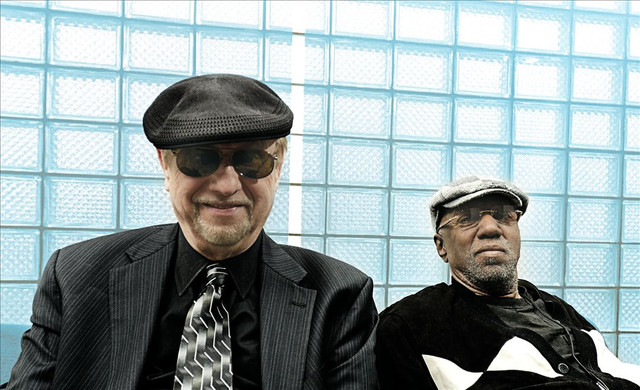
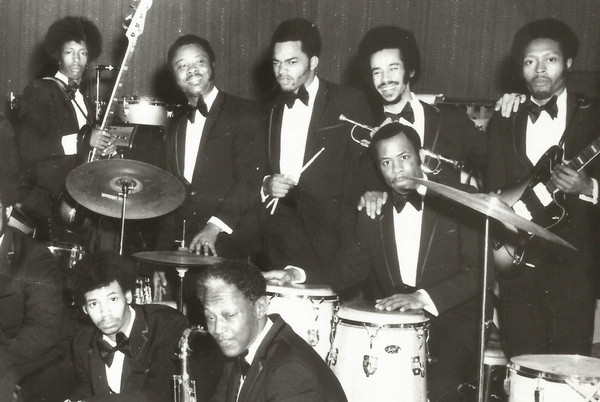
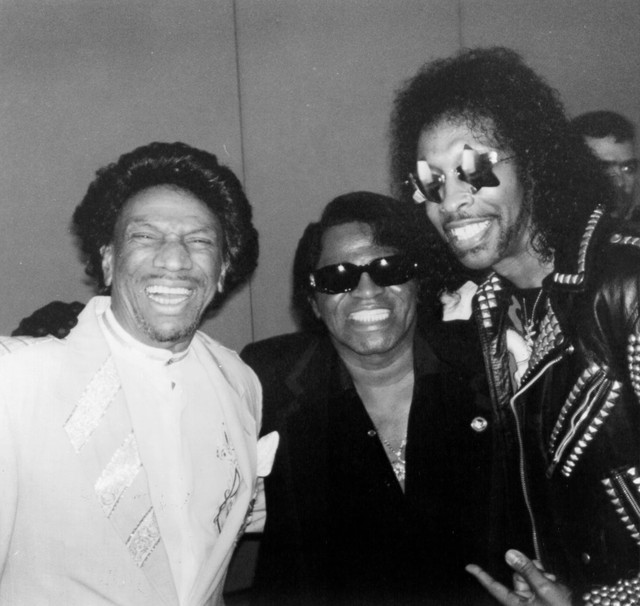
As a long-running right-hand man, Bobby Byrd performed an invaluable function in the <a href="spotify:artist:7GaxyUddsPok8BuhxN6OUW">James Brown</a> show, warming up the crowds as a solo singer, then retreating to the sidelines as a member of the Famous Flames, <a href="spotify:artist:7GaxyUddsPok8BuhxN6OUW">Brown</a>'s backup vocal group. Indeed, without Byrd, <a href="spotify:artist:7GaxyUddsPok8BuhxN6OUW">James Brown</a> may have never made it out of Georgia: in the early '50s, Byrd and his family sponsored <a href="spotify:artist:7GaxyUddsPok8BuhxN6OUW">Brown</a>'s parole from prison, and Byrd gave <a href="spotify:artist:7GaxyUddsPok8BuhxN6OUW">Brown</a> a spot in his vocal group, the Flames (which, of course, <a href="spotify:artist:7GaxyUddsPok8BuhxN6OUW">Brown</a> eventually took over and relegated to the background). Like many of <a href="spotify:artist:7GaxyUddsPok8BuhxN6OUW">Brown</a>'s close associates and support musicians, Byrd got a chance to record his own work under <a href="spotify:artist:7GaxyUddsPok8BuhxN6OUW">Brown</a>'s direction, releasing numerous <a href="spotify:artist:7GaxyUddsPok8BuhxN6OUW">Brown</a>-produced singles between the early '60s and early '70s. Some of these were even modest R&B hits -- "We're in Love" (1965) and "I Need Help (I Can't Do It Alone)" (1970) were the biggest, making the R&B Top 20. <a href="spotify:artist:7GaxyUddsPok8BuhxN6OUW">Brown</a>'s backing musicians (and sometimes <a href="spotify:artist:7GaxyUddsPok8BuhxN6OUW">Brown</a> himself) often figured heavily in the arrangements, and unsurprisingly the tracks often sounded like <a href="spotify:artist:7GaxyUddsPok8BuhxN6OUW">James Brown</a> records featuring a different vocalist. The unfortunate problem was that Byrd was an average, even nondescript soul singer, sounding much more like a poor person's <a href="spotify:artist:2BVYdY4PyfCF9z4NrkhEB2">Sam & Dave</a> than a facsimile of Soul Brother Number One. The records were often fine, the early-'70s hard funk singles in particular (which usually featured <a href="spotify:artist:4lJHGi5dlJmWwFH0JKF6di">the J.B.'s</a> cook), but you can't help wondering if they might sound a lot better with <a href="spotify:artist:7GaxyUddsPok8BuhxN6OUW">J.B.</a> himself on the front line. Still, fans of the <a href="spotify:artist:7GaxyUddsPok8BuhxN6OUW">James Brown</a> groove will find a lot to like in Byrd's best recordings, in much the same way as they'll enjoy the James Brown's Funky People series of recordings that <a href="spotify:artist:7GaxyUddsPok8BuhxN6OUW">J.B.</a> oversaw (but did not sing lead on). Certainly <a href="spotify:artist:6jHG1YQkqgojdEzerwvrVv">Eric B. & Rakim</a> thought so, reworking one of Byrd's best singles (1971's "I Know You Got Soul") so faithfully that legal action ensued. After splitting from <a href="spotify:artist:7GaxyUddsPok8BuhxN6OUW">Brown</a> in 1973, Byrd recorded sporadically and performed often (particularly in Europe), releasing On the Move in 1994. He died of cancer in September 2007, but not before performing at the memorial service for <a href="spotify:artist:7GaxyUddsPok8BuhxN6OUW">Brown</a>, held just a few months earlier. ~ Richie Unterberger, Rovi
Monthly Listeners
47,024
Monthly Listeners History
Track the evolution of monthly listeners over the last 28 days.
Followers
33,935
Followers History
Track the evolution of followers over the last 28 days.
Top Cities



Related Artists


Banbarra