Data may be outdated
Last updated: 7 months ago — Click refresh to get the latest statistics.
American organist Cameron Carpenter became known both for his formidable technical prowess and the athletic showmanship of his performances. While his repertoire is classical, his persona is more that of a pop star than of a traditional classical musician. Carpenter rose to prominence as much on the basis of his outrageously virtuosic performances on YouTube as his commercially released recordings. His 2008 <a href="spotify:search:label%3A%22Telarc%22">Telarc</a> album Revolutionary was the first solo organ recital to be nominated for a Grammy Award. Vivien Schweitzer wrote in The New York Times, "He has pushed the boundaries of organ technique to breathtaking heights, meshing virtuosity with musical intelligence."
A musical prodigy, Carpenter sang at the <a href="spotify:artist:14AbeD1op5phNiIVzzRVWr">Metropolitan Opera</a> as a solo boy soprano, and performed <a href="spotify:artist:5aIqB5nVVvmFsvSdExz408">J.S. Bach</a>'s Well-Tempered Clavier when he was 11. He studied organ with <a href="spotify:artist:1bN8xBVBCzXsZe7kBB47Td">Gerre Hancock</a>, John Weaver, and Paul Jacobs at Juilliard, where he received his bachelor's and master's degrees. From 2008 until 2009, he was artist-in-residence at New York's Middle Collegiate Church, where he designed the organ. In Carpenter's designs for virtual pipe organs, the pipes are replaced by sampled sounds that are mixed and amplified with such sophistication that the sound is nearly indistinguishable from that of a traditional organ. Besides performing, Carpenter has made organ arrangements of over 200 works originally for piano or orchestra, and it was the performance of one of them, <a href="spotify:artist:7y97mc3bZRFXzT2szRM4L4">Chopin</a>'s Revolutionary Etude, that first brought him to the attention of the public when it was broadcast on YouTube and landed him a multi-disc contract with <a href="spotify:search:label%3A%22Telarc%22">Telarc</a>. He is also a composer, and while he is known largely for his own works and transcriptions, he is devoted to the repertoire of traditional organ literature.
A musical prodigy, Carpenter sang at the <a href="spotify:artist:14AbeD1op5phNiIVzzRVWr">Metropolitan Opera</a> as a solo boy soprano, and performed <a href="spotify:artist:5aIqB5nVVvmFsvSdExz408">J.S. Bach</a>'s Well-Tempered Clavier when he was 11. He studied organ with <a href="spotify:artist:1bN8xBVBCzXsZe7kBB47Td">Gerre Hancock</a>, John Weaver, and Paul Jacobs at Juilliard, where he received his bachelor's and master's degrees. From 2008 until 2009, he was artist-in-residence at New York's Middle Collegiate Church, where he designed the organ. In Carpenter's designs for virtual pipe organs, the pipes are replaced by sampled sounds that are mixed and amplified with such sophistication that the sound is nearly indistinguishable from that of a traditional organ. Besides performing, Carpenter has made organ arrangements of over 200 works originally for piano or orchestra, and it was the performance of one of them, <a href="spotify:artist:7y97mc3bZRFXzT2szRM4L4">Chopin</a>'s Revolutionary Etude, that first brought him to the attention of the public when it was broadcast on YouTube and landed him a multi-disc contract with <a href="spotify:search:label%3A%22Telarc%22">Telarc</a>. He is also a composer, and while he is known largely for his own works and transcriptions, he is devoted to the repertoire of traditional organ literature.
Monthly Listeners
81,946
Monthly Listeners History
Track the evolution of monthly listeners over the last 28 days.
Followers
8,540
Followers History
Track the evolution of followers over the last 28 days.
Top Cities
1,347 listeners

871 listeners

790 listeners

762 listeners

700 listeners

Related Artists


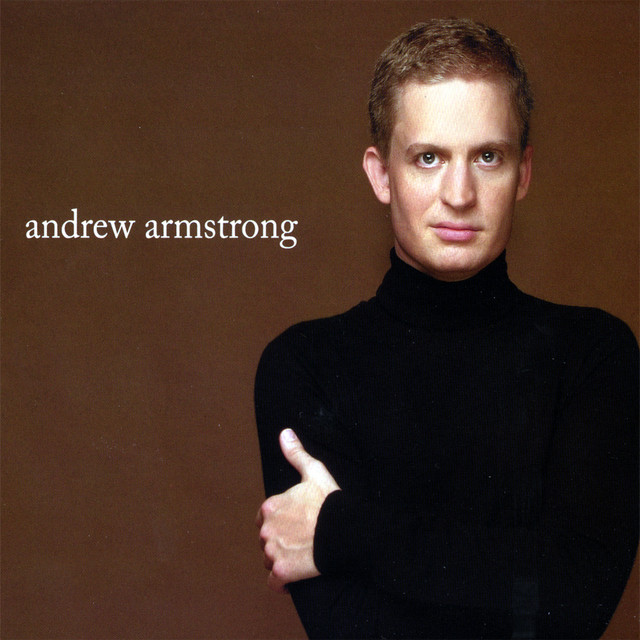
Andrew Armstrong




Anna Stevens
Adam Lukas


Dawid Runtz




Jessica Jones


Mariko Muranaka