Data may be outdated
Last updated: 8 months ago — Click refresh to get the latest statistics.
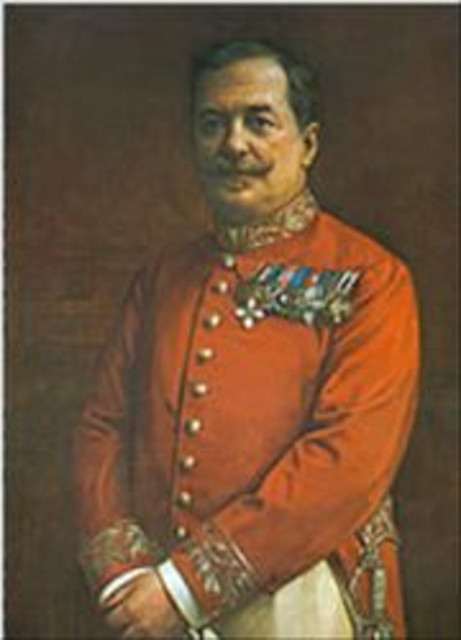
Carl Michael Ziehrer was an Austrian composer and conductor who was the most successful competitor to the <a href="spotify:artist:5FRqFzmeoc0L2u7wWEaagD">Strauss</a> family. His expansive legacy of over 600 works includes songs, operettas, and dances such as polkas, marches, and waltzes.
Ziehrer was born in Vienna in 1843 into a non-musical family. He began playing the piano at a young age and was considered to be a musical prodigy. His father was a hatmaker who arranged with the music publisher Carl Haslinger to finance his son's education in exchange for the publishing rights to his compositions after he graduated. After finishing his education from the Vienna Conservatory in 1863, Haslinger offered Ziehrer the position of conductor at the Dianasaal theater, and he later became a bandmaster for the Austrian military in the 55th Infantry Regiment from 1870 to 1873. Then he formed his own private orchestra for a performance at the Vienna Weltausstellung, and he started the Deutsche Musik-Zeitung music journal in 1874. By this time, he had already composed several operettas and orchestral dances that were published by Haslinger. The following year, Ziehrer started another military position as the bandmaster of the 76th Infantry Regiment, and he began working with the publisher Doblinger. Three years later, he assembled a new orchestra that he called the Former Eduard Strauss Orchestra. While it was true that the majority of his musicians were formerly employed by <a href="spotify:artist:5FRqFzmeoc0L2u7wWEaagD">Eduard Strauss</a>, the venture ended bitterly with a lawsuit, and Ziehrer left Vienna in disgrace.
He traveled through Eastern Europe and Germany and gradually rebuilt his reputation as a conductor. While in Berlin, he met the popular operetta singer Marianne Edelmann and they were married in 1881. Ziehrer continued working in this capacity until 1885, when he was appointed the musical director of the <a href="spotify:artist:3Nb0cjOmXUxRNppEW5PDgQ">Hoch und Deutschmeister Regiment</a>. At this time in his career, he was a well-known celebrity, and his ensemble became known for their precision and high performance standards. By invitation, they performed at the 1893 World's Fair in Chicago, followed by a successful but unplanned tour of the United States. Ziehrer was dismissed from the position after his return to Austria because he failed to get the proper administrative permissions for the extended trip. For the next 15 years or so, he continued conducting concerts of popular dance music, and he spent his summers in the mountains, where he liked to compose. Around 1899 he retired from conducting so he could focus on composing, and he completed his most popular work, Die Landstreicher. He was recognized for his musical contributions and popularity by Emperor Franz Joseph in 1909, and he was appointed the Imperial Court Ball Director until the beginning of World War I in 1914. The war ended Ziehrer's career as a composer, destroyed his finances, and he passed away in 1922 in Vienna. ~ RJ Lambert, Rovi
Ziehrer was born in Vienna in 1843 into a non-musical family. He began playing the piano at a young age and was considered to be a musical prodigy. His father was a hatmaker who arranged with the music publisher Carl Haslinger to finance his son's education in exchange for the publishing rights to his compositions after he graduated. After finishing his education from the Vienna Conservatory in 1863, Haslinger offered Ziehrer the position of conductor at the Dianasaal theater, and he later became a bandmaster for the Austrian military in the 55th Infantry Regiment from 1870 to 1873. Then he formed his own private orchestra for a performance at the Vienna Weltausstellung, and he started the Deutsche Musik-Zeitung music journal in 1874. By this time, he had already composed several operettas and orchestral dances that were published by Haslinger. The following year, Ziehrer started another military position as the bandmaster of the 76th Infantry Regiment, and he began working with the publisher Doblinger. Three years later, he assembled a new orchestra that he called the Former Eduard Strauss Orchestra. While it was true that the majority of his musicians were formerly employed by <a href="spotify:artist:5FRqFzmeoc0L2u7wWEaagD">Eduard Strauss</a>, the venture ended bitterly with a lawsuit, and Ziehrer left Vienna in disgrace.
He traveled through Eastern Europe and Germany and gradually rebuilt his reputation as a conductor. While in Berlin, he met the popular operetta singer Marianne Edelmann and they were married in 1881. Ziehrer continued working in this capacity until 1885, when he was appointed the musical director of the <a href="spotify:artist:3Nb0cjOmXUxRNppEW5PDgQ">Hoch und Deutschmeister Regiment</a>. At this time in his career, he was a well-known celebrity, and his ensemble became known for their precision and high performance standards. By invitation, they performed at the 1893 World's Fair in Chicago, followed by a successful but unplanned tour of the United States. Ziehrer was dismissed from the position after his return to Austria because he failed to get the proper administrative permissions for the extended trip. For the next 15 years or so, he continued conducting concerts of popular dance music, and he spent his summers in the mountains, where he liked to compose. Around 1899 he retired from conducting so he could focus on composing, and he completed his most popular work, Die Landstreicher. He was recognized for his musical contributions and popularity by Emperor Franz Joseph in 1909, and he was appointed the Imperial Court Ball Director until the beginning of World War I in 1914. The war ended Ziehrer's career as a composer, destroyed his finances, and he passed away in 1922 in Vienna. ~ RJ Lambert, Rovi
Monthly Listeners
40,919
Monthly Listeners History
Track the evolution of monthly listeners over the last 28 days.
Followers
1,499
Followers History
Track the evolution of followers over the last 28 days.
Top Cities



Related Artists

Johann Strauss Orchester
Albert Lortzing

Wiener Salonorchester

Johann Schrammel


Johann Strauss


Paul Lincke


Joseph Hellmesberger

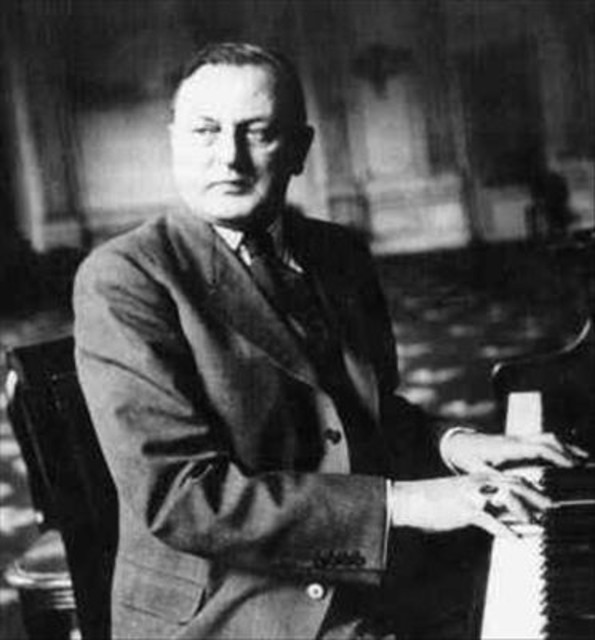
Ralph Benatzky
Oscar Straus
Tschechische Philharmonie
Peter Falk
Kirlianit Cortes