Data may be outdated
Last updated: 1 month ago — Click refresh to get the latest statistics.
Historians have estimated that Monza was born around 1735, but the details regarding his early life are unfortunately lost. He studied music with Giovanni Andrea Fioroni, and probably <a href="spotify:artist:3q4lkJBQDPwgWC1rkfxXLv">Giovanni Battista Sammartini</a>. There is no documentation supporting his education with <a href="spotify:artist:3q4lkJBQDPwgWC1rkfxXLv">Sammartini</a>, but Monza succeeded him in two of his professional appointments, which was a common practice among musicians and their students. Monza became the organist of the ducal court in Milan in 1768 after <a href="spotify:artist:3q4lkJBQDPwgWC1rkfxXLv">Sammartini</a> was promoted to maestro de capella. By 1770, he had already composed several operas, and <a href="spotify:artist:4AviLWs1JENxJHU0HkfsZR">Charles Burney</a>, a music historian of the time, wrote that Monza and <a href="spotify:artist:2NAOYDYzqafREll8g2rWKg">Melchiorre Chiesa</a> were the two best active Milanese opera composers.
After <a href="spotify:artist:3q4lkJBQDPwgWC1rkfxXLv">Sammartini</a>'s death in 1775, Monza took over his position as maestro at the Milanese court. For the next 12 years, he composed operas and chamber music, and he became known for his sacred works. He also held appointments as maestro at three other churches in the area and was probably a common fixture within the local Catholic community. In 1787 he became the maestro at the Milan Cathedral, a position that he had been denied in both 1773 and 1778. From this point on, he devoted his compositional efforts completely to sacred music. French occupation of Italy ended Monza's position at the Milan Cathedral in 1796, and he died five years later in Milan.
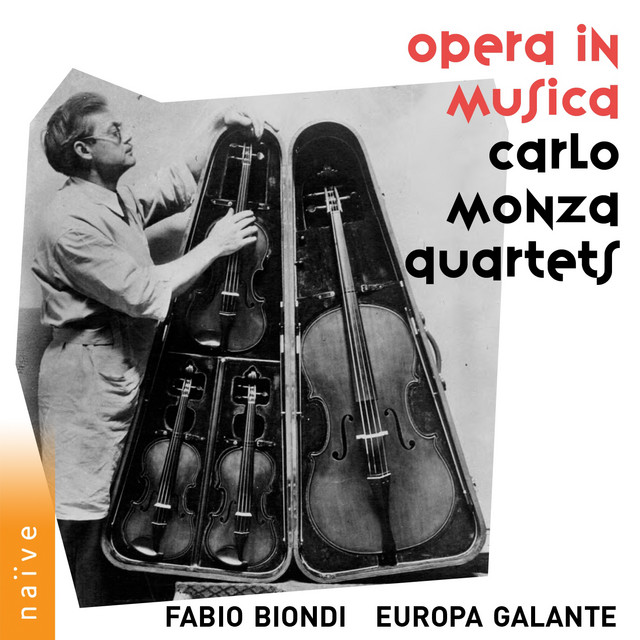
More than 200 of his sacred works are held in the Milan Cathedral archives, but most of his compositions for other churches are lost. Monza's style includes lyrical melodies, varied textures, and sophisticated counterpoint for the time. Since 2007, his music has been recorded by <a href="spotify:artist:3r1dphXjVBOwbUAYrrkEkQ">Fabio Biondi</a>, <a href="spotify:artist:2U5grycWMciHdeNQGUH7dO">Europa Galante</a>, and La Gioia Armonica. According to <a href="spotify:artist:3r1dphXjVBOwbUAYrrkEkQ">Biondi</a>, Monza's music is an accurate representation of the late 18th century Milanese school, and was a likely influence on the young <a href="spotify:artist:4NJhFmfw43RLBLjQvxDuRS">Mozart</a>, who was in Milan then. ~ RJ Lambert, Rovi
Monthly Listeners
1,035
Monthly Listeners History
Track the evolution of monthly listeners over the last 28 days.
Followers
172
Followers History
Track the evolution of followers over the last 28 days.
Total Streams
286,430
Total Streams History
Track the evolution of total streams over the last 28 days. This data is calculated from all tracks listed in the artist's discography.
Top Cities



Related Artists
Anton Wranitzky
Louis-Joseph Francoeur

Joseph Schmitt

Francesco Zappa

Camerata Antonio Soler

Louis Emmanuel Jadin

Maddalena Laura Lombardini Sirmen

Carles Baguer
Giuseppe Demachi
Solamente Naturali
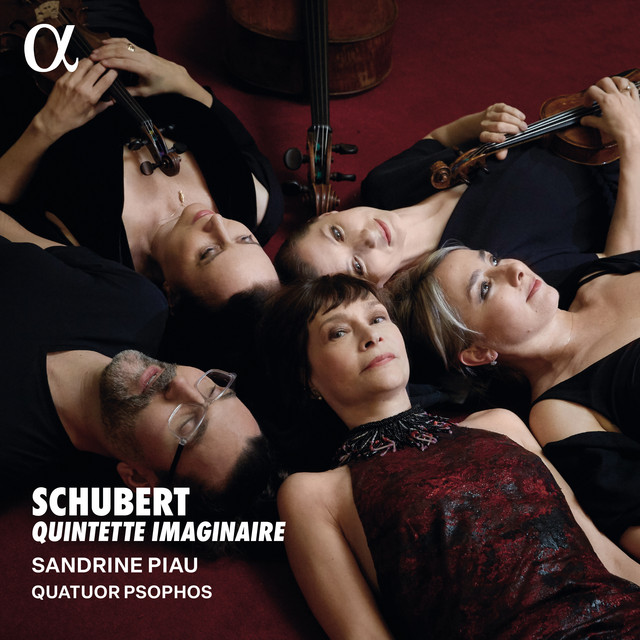
Quatuor Psophos

Feliks Janiewicz

Andreas Jakob Romberg
Luigi Gatti
E.T.A. Hoffmann

Georg Druschetzky
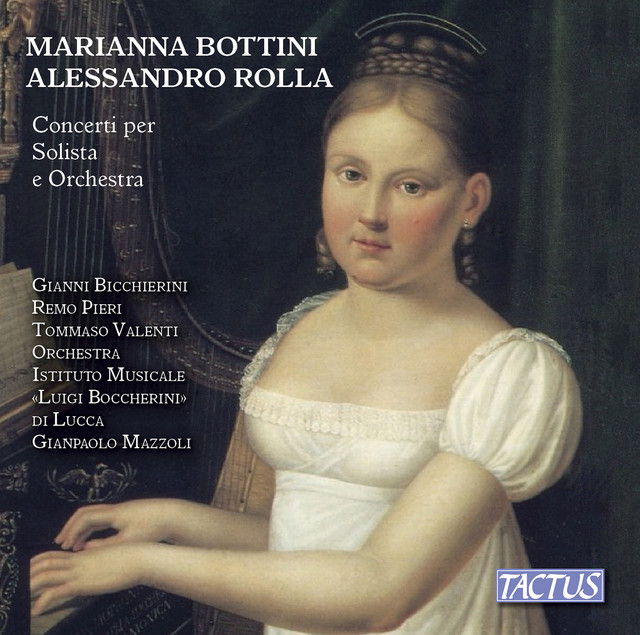
Gianpaolo Mazzoli
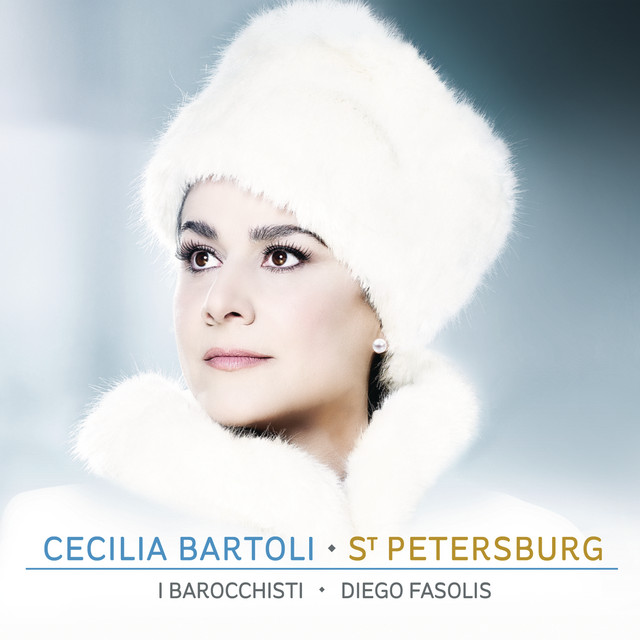
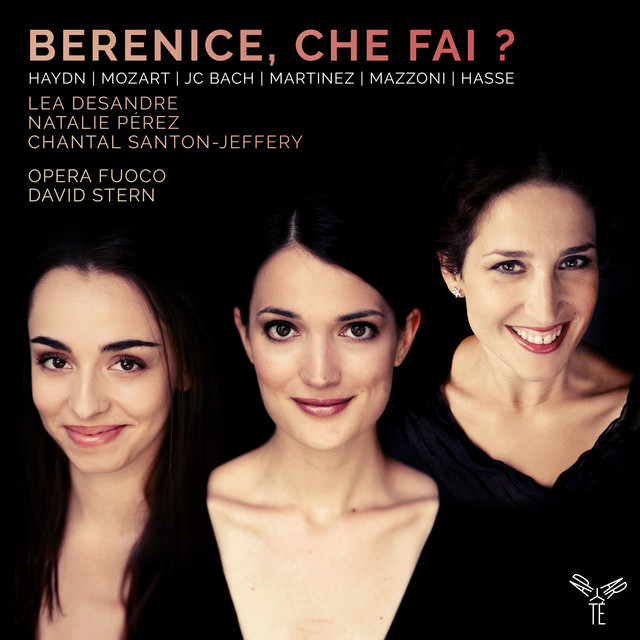

Wilhelm Friedrich Ernst Bach

Pierre Iso
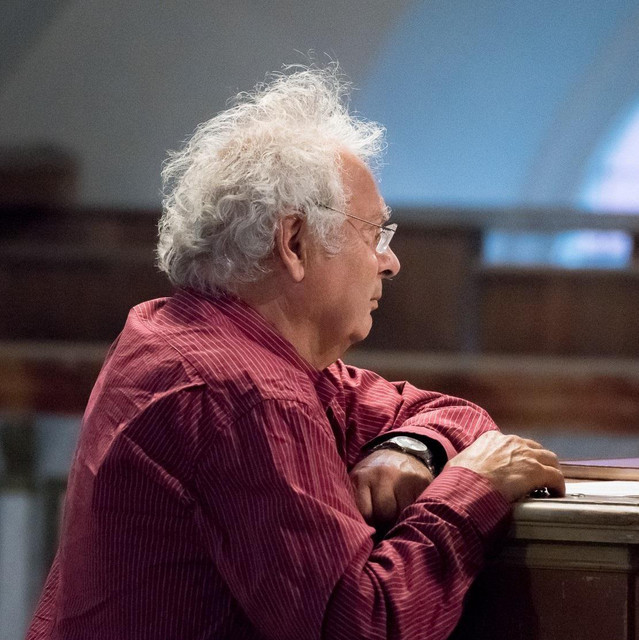
Neithard Bethke


Peter von Winter

Henri-Joseph Rigel

Thomas Shaw

Venanzio Rauzzini
Josef Fiala
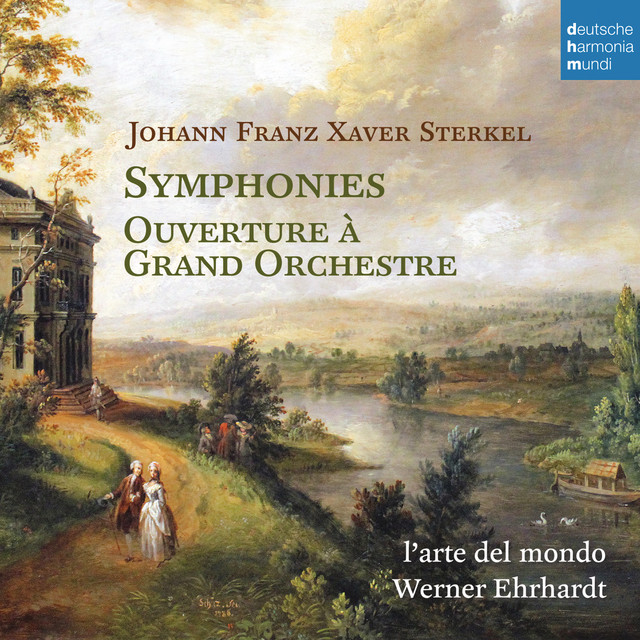
Johann Franz Xaver Sterkel
Popular Tracks
48 tracks
Sinfonia in D major (detta La tempesta di mare) (Ed. Biondi): I Allegro
Apr 9, 2007
62,392
streams
Sinfonia in D major (detta La tempesta di mare) (Ed. Biondi): II Andante
Apr 9, 2007
36,581
streams

Quartetto "Gli amanti rivali" in C Major: V. La disperazione delle donne amanti. Allegro
Apr 22, 2022
28,011
streams
Quartetto "La fucina di Vulcano" in F Major: I. Vulcano nella Fucina geloso di Venere. Allegro
Apr 22, 2022
14,951
streams
Quartetto "Il giuocatore" in B-Flat Major: III. La tristezza per la perdita. Adagio
Apr 22, 2022
14,412
streams

