Artist
Cryptic Slaughter
Data may be outdated
Last updated: 1 month ago — Click refresh to get the latest statistics.
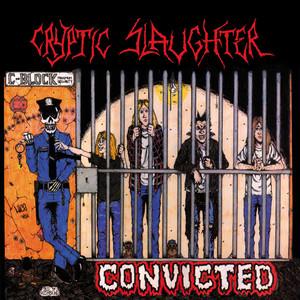
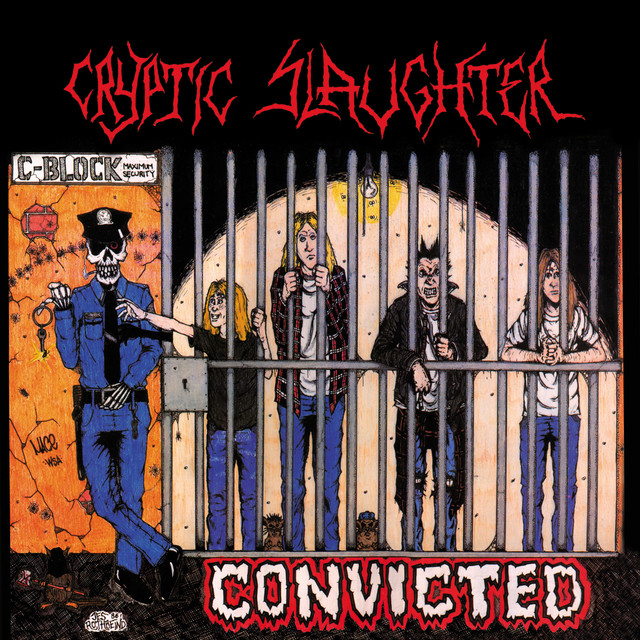
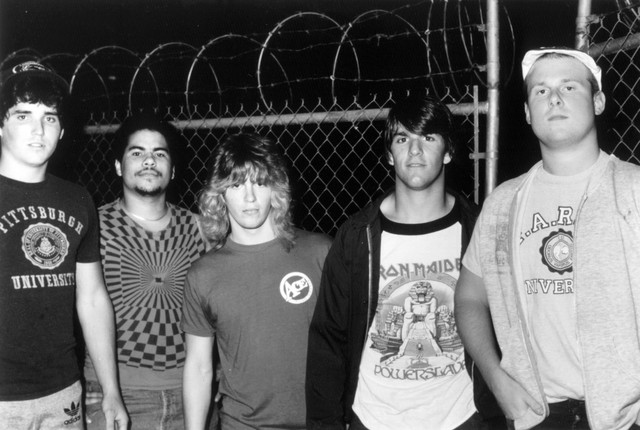
Vocalist/bassist Bill Crooks, guitarists Les Evans and Adam Scott, and drummer Scott Peterson first met while playing on their high-school soccer team, and formed Cryptic Slaughter in 1984. Scott was soon on the outs, but the remaining trio still managed to cut the five-song Life in Grave demo by May of the following year. Its sheer speed and unbridled ferocity quickly made it a favorite conversation piece on the all-important underground tape-trading network -- a worldwide phenomenon that had already launched dozens of successful acts before them -- and eventually landed Cryptic Slaughter a contract with fast-rising independent <a href="spotify:search:label%3A%22Metal+Blade+Records%22">Metal Blade Records</a>. Issued in 1986, the band's debut album, Convicted, introduced new bassist Rob Nicholson (freeing Crooks to focus on his rabid vocal delivery) and somehow crammed 14 tracks into a violently giddy, adrenalin-charged half hour, every single cut spewing a torrent of anti-establishment bile and fury.
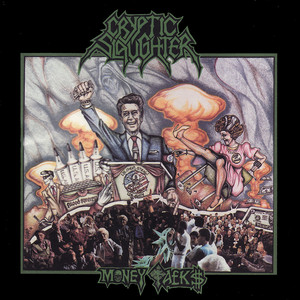
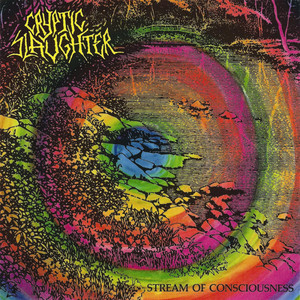
Follow-up efforts like 1987's Money Talks and 1988's Stream of Consciousness added only the smallest of sonic refinements, and kept the group's ever-expanding legion of fans happy by staying true to its original raw and frenetic style. But the strain of constant infighting and unending tours in exchange for barely scraping by financially eventually took its toll on Cryptic Slaughter, who fell apart shortly after an especially troubled tour with <a href="spotify:artist:7jYnX04y9zzu5b8s6odcyE">Angkor Wat</a>. Evans relocated to Portland, OR, where he attempted to stage a comeback two years later, re-forming the group with vocalist Dave Hollingsworth, bassist Bret Davis, and drummer Brian Lehfeldt (of <a href="spotify:artist:39sdfEAaFNKKeUZbmNCzOx">Sweaty Nipples</a> infamy), but fans were not impressed by 1990's Speak Your Peace and this lineup quickly broke up as well.
Though Cryptic Slaughter lay dormant over the ensuing decade, Evans noticed that copies of the band's now quite rare LPs began selling for hundreds of dollars online. This eventually prompted him to reunite with Lehfeldt and original members Crooks and Nicholson with intentions of recording a new album. In the meantime, he saw to it that those early albums were re-released with bonus tracks by <a href="spotify:search:label%3A%22Relapse+Records%22">Relapse Records</a> in 2003. ~ Eduardo Rivadavia, Rovi
Monthly Listeners
13,102
Monthly Listeners History
Track the evolution of monthly listeners over the last 28 days.
Followers
49,477
Followers History
Track the evolution of followers over the last 28 days.
Total Streams
6.5 million
Total Streams History
Track the evolution of total streams over the last 28 days. This data is calculated from all tracks listed in the artist's discography.
Top Cities




Related Artists


Ludichrist
M.O.D.

Sacrilege
At War


BULLDOZER