Data may be outdated
Last updated: 9 months ago — Click refresh to get the latest statistics.
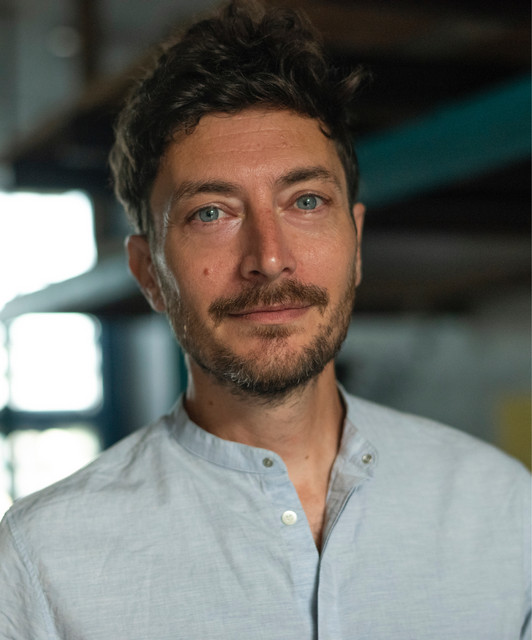
Daniel Zamir is a saxophonist, vocalist composer, and bandleader. Though he often plays alto, the soprano horn is considered his primary instrument. His blend of modern jazz draws as much from klezmer, liturgical, and Hasidic traditional music, the rhythms of India and West Africa, as it does from jazz.
Born in 1980 in Tel Aviv, Israel, Zamir was drawn to the sound of the saxophone at a young age and began studying the instrument at the age of 12. Hearing <a href="spotify:artist:4Ww5mwS7BWYjoZTUIrMHfC">Charlie Parker</a> for the first time had a great effect upon him, and from that point on, he focused on music studies. Zamir attended a Tel Aviv high school that specialized in the arts and offered an intensive music program. In addition to the music of <a href="spotify:artist:4Ww5mwS7BWYjoZTUIrMHfC">Charlie Parker</a>, some of Zamir's early influences include <a href="spotify:artist:6rxxu32JCGDpKKMPHxnSJp">Eric Dolphy</a>, <a href="spotify:artist:2hGh5VOeeqimQFxqXvfCUf">John Coltrane</a>, <a href="spotify:artist:47odibUtrN3lnWx0p0pk2P">Ornette Coleman</a>, and <a href="spotify:artist:3t58jfUhoMLYVO14XaUFLA">Pat Metheny</a>. Zamir formed a trio called Not for Sale and eventually started listening to other musicians, as well. Of those he heard, Zamir was most impressed with saxophonist and experimenter <a href="spotify:artist:3gkJ7lXtLpE4KauFHpk2vK">John Zorn</a>. In late 1998, he relocated to N.Y.C., where he met percussionist Kevin Zubek and bassist Shanir Ezra Blumenkranz with whom he formed <a href="spotify:artist:0P7CLSUYg3wFmAIBWwEeDp">SATLAH</a>, as well as well-known N.Y.C. musicians including <a href="spotify:artist:3gkJ7lXtLpE4KauFHpk2vK">Zorn</a>. Zamir has also worked occasionally with members of the downtown scene, including <a href="spotify:artist:4Q6rJWmXt75wi3OemnrbYd">Jamaaladeen Tacuma</a>, <a href="spotify:artist:7jAeRfT8LYCxydM2Y1Egvn">Marc Ribot</a>, and <a href="spotify:artist:4BUiL03cxVIMQQF3fIA76T">Calvin Weston</a>. <a href="spotify:artist:0P7CLSUYg3wFmAIBWwEeDp">SATLAH</a>'s self-titled debut was released in March 2000 on the <a href="spotify:search:label%3A%22Tzadik%22">Tzadik</a> label (with a guest appearance by <a href="spotify:artist:3gkJ7lXtLpE4KauFHpk2vK">Zorn</a>. It was followed by Exodus in 2001 and Children of Israel (the latter also featured guest saxophonists <a href="spotify:artist:64uVMGwRMxvNbymPIveiZH">Anat Cohen</a>, <a href="spotify:artist:1JRCfqlBqsyqHPFaooGAKK">Paul Shapiro</a>, <a href="spotify:artist:3iPiojms0LEjBg8RqKuChh">Ned Rothenberg</a>, Marty Erlich and Doug Wiselman ads well as Zorn). 2002 was also the year that Zamir finished his studies at the New School where he received a B.A. in jazz performance. In addition to recording, he had been touring Europe, the UK and the US. In 2003 he performed at the Israel Festival in Jerusalem, and co-produced Great Jewish Music: Sasha Argov with <a href="spotify:artist:3gkJ7lXtLpE4KauFHpk2vK">Zorn</a>. The saxophonist toured America with fellow Hasidic musician, <a href="spotify:artist:5eyMzR1hYiEZtN2c9ly2kw">Matisyahu</a>. It proved a pivotal for him. Zamir returned to live in Israel in 2004 and released the album Zamir Sings (Pop!) on the Israeli <a href="spotify:search:label%3A%22Hatav+Hashmini%22">Hatav Hashmini</a> label. He was immediately received by a wide audience. In 2005 he and <a href="spotify:artist:5eyMzR1hYiEZtN2c9ly2kw">Matisyahu</a> did an extensive tour of Europe and the United States.
In 2006, Zamir released Amen, on <a href="spotify:search:label%3A%228th+Note%22">8th Note</a> in Israel. The album drew global accolades and became the best-selling jazz record in his country's history. Due to its success, the saxophonist garnered an opening slot for <a href="spotify:artist:0Ty63ceoRnnJKVEYP0VQpk">Sting</a> at Ramat Gan Stadium; he performed for a crowd of over 44,000. 2008 saw the issue of the quartet date I Believe on <a href="spotify:search:label%3A%22Tzadik%22">Tzadik</a>. Zamir's sidemen included <a href="spotify:artist:1l10UPSXfbHFvNnDN7kgbA">Uri Caine</a>, <a href="spotify:artist:0sQXx1Ji0yvldYg6cuEAOW">Joey Baron</a>, and <a href="spotify:artist:5bQEjfrwsAPa0d9PaPkXvn">Greg Cohen</a>.
In his home country, Zamir's popularity had transcended that of a mere jazzman. He was in demand as a collaborator in studio and on-stage with a host of Israel's best-known pop musicians including Eviatar Banai, <a href="spotify:artist:05YG290otZjn1UMHXjEqxh">Yoni Rechter</a>, <a href="spotify:artist:2CzKRJPoPZmRDAfTh8Hh1J">Shlomo Gronich</a>, <a href="spotify:artist:2wp6i8BxLF3UrF1J3LY4WC">Berry Sakharof</a>, Ehud Banai, Amir Benayoun, and Danny Sanderson.
The albums One and Missing Here were issued by <a href="spotify:search:label%3A%22Hatav+Hashmini%22">Hatav Hashmini</a> in 2009 and 2010, respectively; both topped the country's jazz charts. For his compositional acumen, Zamir won the Prime Minister Award in 2010. He released the octet session Song for Comfort in 2012 on Israel's <a href="spotify:search:label%3A%22High+Fidelity%22">High Fidelity</a> label. It featured <a href="spotify:artist:5eyMzR1hYiEZtN2c9ly2kw">Matisyahu</a> as one of several guests. He returned to <a href="spotify:search:label%3A%22Tzadik%22">Tzadik</a> for 2015's acclaimed septet offering Redemption Songs, followed by the quartet date Forth and Back on Germany's <a href="spotify:search:label%3A%22Jazzhaus%22">Jazzhaus</a> a year later. ~ Joslyn Layne, Rovi
Born in 1980 in Tel Aviv, Israel, Zamir was drawn to the sound of the saxophone at a young age and began studying the instrument at the age of 12. Hearing <a href="spotify:artist:4Ww5mwS7BWYjoZTUIrMHfC">Charlie Parker</a> for the first time had a great effect upon him, and from that point on, he focused on music studies. Zamir attended a Tel Aviv high school that specialized in the arts and offered an intensive music program. In addition to the music of <a href="spotify:artist:4Ww5mwS7BWYjoZTUIrMHfC">Charlie Parker</a>, some of Zamir's early influences include <a href="spotify:artist:6rxxu32JCGDpKKMPHxnSJp">Eric Dolphy</a>, <a href="spotify:artist:2hGh5VOeeqimQFxqXvfCUf">John Coltrane</a>, <a href="spotify:artist:47odibUtrN3lnWx0p0pk2P">Ornette Coleman</a>, and <a href="spotify:artist:3t58jfUhoMLYVO14XaUFLA">Pat Metheny</a>. Zamir formed a trio called Not for Sale and eventually started listening to other musicians, as well. Of those he heard, Zamir was most impressed with saxophonist and experimenter <a href="spotify:artist:3gkJ7lXtLpE4KauFHpk2vK">John Zorn</a>. In late 1998, he relocated to N.Y.C., where he met percussionist Kevin Zubek and bassist Shanir Ezra Blumenkranz with whom he formed <a href="spotify:artist:0P7CLSUYg3wFmAIBWwEeDp">SATLAH</a>, as well as well-known N.Y.C. musicians including <a href="spotify:artist:3gkJ7lXtLpE4KauFHpk2vK">Zorn</a>. Zamir has also worked occasionally with members of the downtown scene, including <a href="spotify:artist:4Q6rJWmXt75wi3OemnrbYd">Jamaaladeen Tacuma</a>, <a href="spotify:artist:7jAeRfT8LYCxydM2Y1Egvn">Marc Ribot</a>, and <a href="spotify:artist:4BUiL03cxVIMQQF3fIA76T">Calvin Weston</a>. <a href="spotify:artist:0P7CLSUYg3wFmAIBWwEeDp">SATLAH</a>'s self-titled debut was released in March 2000 on the <a href="spotify:search:label%3A%22Tzadik%22">Tzadik</a> label (with a guest appearance by <a href="spotify:artist:3gkJ7lXtLpE4KauFHpk2vK">Zorn</a>. It was followed by Exodus in 2001 and Children of Israel (the latter also featured guest saxophonists <a href="spotify:artist:64uVMGwRMxvNbymPIveiZH">Anat Cohen</a>, <a href="spotify:artist:1JRCfqlBqsyqHPFaooGAKK">Paul Shapiro</a>, <a href="spotify:artist:3iPiojms0LEjBg8RqKuChh">Ned Rothenberg</a>, Marty Erlich and Doug Wiselman ads well as Zorn). 2002 was also the year that Zamir finished his studies at the New School where he received a B.A. in jazz performance. In addition to recording, he had been touring Europe, the UK and the US. In 2003 he performed at the Israel Festival in Jerusalem, and co-produced Great Jewish Music: Sasha Argov with <a href="spotify:artist:3gkJ7lXtLpE4KauFHpk2vK">Zorn</a>. The saxophonist toured America with fellow Hasidic musician, <a href="spotify:artist:5eyMzR1hYiEZtN2c9ly2kw">Matisyahu</a>. It proved a pivotal for him. Zamir returned to live in Israel in 2004 and released the album Zamir Sings (Pop!) on the Israeli <a href="spotify:search:label%3A%22Hatav+Hashmini%22">Hatav Hashmini</a> label. He was immediately received by a wide audience. In 2005 he and <a href="spotify:artist:5eyMzR1hYiEZtN2c9ly2kw">Matisyahu</a> did an extensive tour of Europe and the United States.
In 2006, Zamir released Amen, on <a href="spotify:search:label%3A%228th+Note%22">8th Note</a> in Israel. The album drew global accolades and became the best-selling jazz record in his country's history. Due to its success, the saxophonist garnered an opening slot for <a href="spotify:artist:0Ty63ceoRnnJKVEYP0VQpk">Sting</a> at Ramat Gan Stadium; he performed for a crowd of over 44,000. 2008 saw the issue of the quartet date I Believe on <a href="spotify:search:label%3A%22Tzadik%22">Tzadik</a>. Zamir's sidemen included <a href="spotify:artist:1l10UPSXfbHFvNnDN7kgbA">Uri Caine</a>, <a href="spotify:artist:0sQXx1Ji0yvldYg6cuEAOW">Joey Baron</a>, and <a href="spotify:artist:5bQEjfrwsAPa0d9PaPkXvn">Greg Cohen</a>.
In his home country, Zamir's popularity had transcended that of a mere jazzman. He was in demand as a collaborator in studio and on-stage with a host of Israel's best-known pop musicians including Eviatar Banai, <a href="spotify:artist:05YG290otZjn1UMHXjEqxh">Yoni Rechter</a>, <a href="spotify:artist:2CzKRJPoPZmRDAfTh8Hh1J">Shlomo Gronich</a>, <a href="spotify:artist:2wp6i8BxLF3UrF1J3LY4WC">Berry Sakharof</a>, Ehud Banai, Amir Benayoun, and Danny Sanderson.
The albums One and Missing Here were issued by <a href="spotify:search:label%3A%22Hatav+Hashmini%22">Hatav Hashmini</a> in 2009 and 2010, respectively; both topped the country's jazz charts. For his compositional acumen, Zamir won the Prime Minister Award in 2010. He released the octet session Song for Comfort in 2012 on Israel's <a href="spotify:search:label%3A%22High+Fidelity%22">High Fidelity</a> label. It featured <a href="spotify:artist:5eyMzR1hYiEZtN2c9ly2kw">Matisyahu</a> as one of several guests. He returned to <a href="spotify:search:label%3A%22Tzadik%22">Tzadik</a> for 2015's acclaimed septet offering Redemption Songs, followed by the quartet date Forth and Back on Germany's <a href="spotify:search:label%3A%22Jazzhaus%22">Jazzhaus</a> a year later. ~ Joslyn Layne, Rovi
Monthly Listeners
15,479
Monthly Listeners History
Track the evolution of monthly listeners over the last 28 days.
Followers
7,394
Followers History
Track the evolution of followers over the last 28 days.
Top Cities
7,029 listeners
1,682 listeners
670 listeners
523 listeners
324 listeners
Related Artists


The Israel Jazz Orchestra
Habrera Hativeet
עקיבא נתן

GUTE GUTE
Meron Gelbard
אנסמבל יעלה

Hila Cohen Elazar
אודי אריאל

Uriel

Nigun Quartet
Yagel Harush

Nigun Yerushalmi
המדרגות
נאור כרמי
הלב והמעיין

The Tamari Project

Yuval Cohen
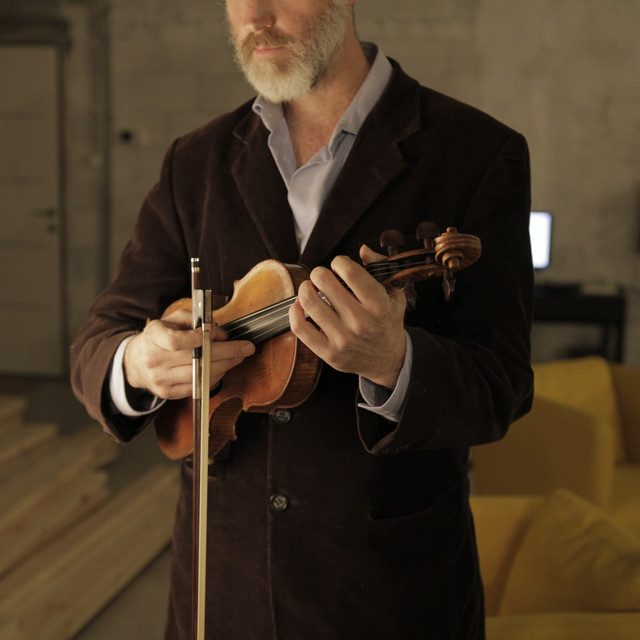
Oren Tsor
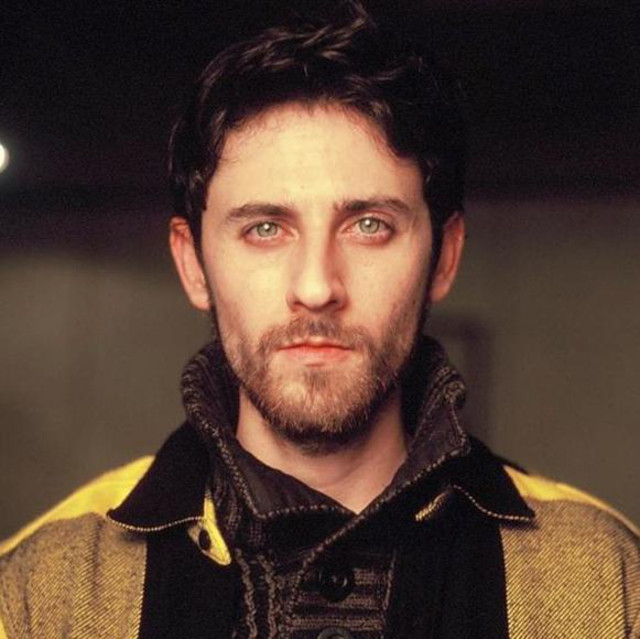

Nadav Bachar

Nitzan Bar
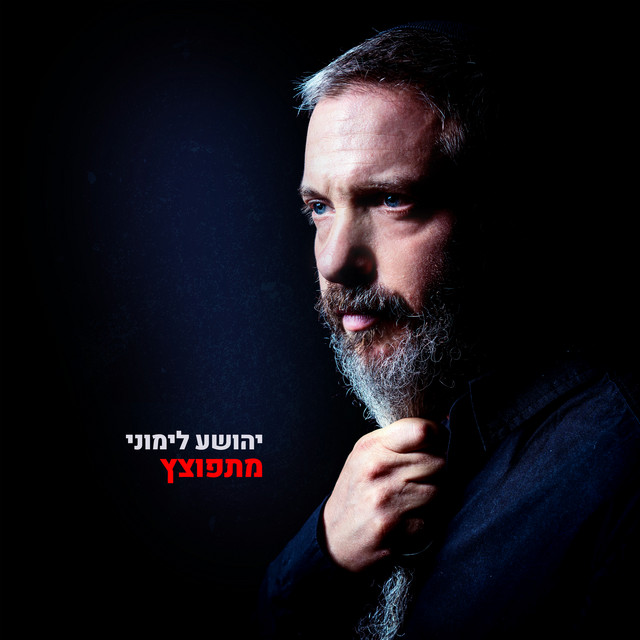
יהושע לימוני
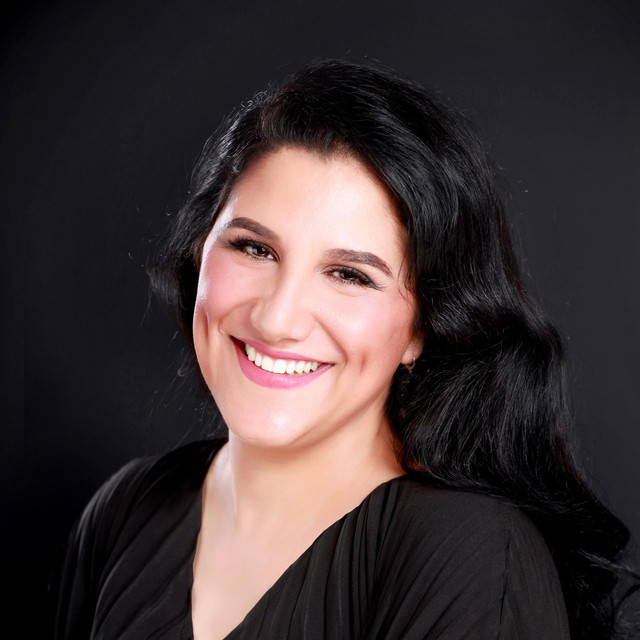
Maureen Nehedar
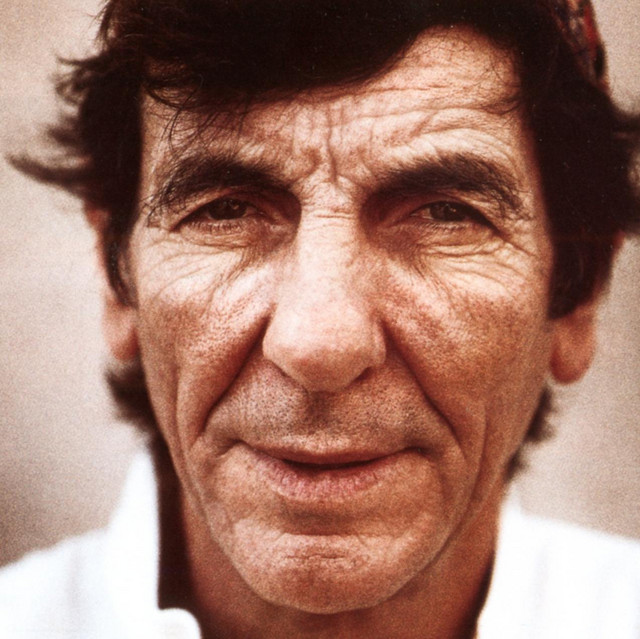
Shlomo Bar
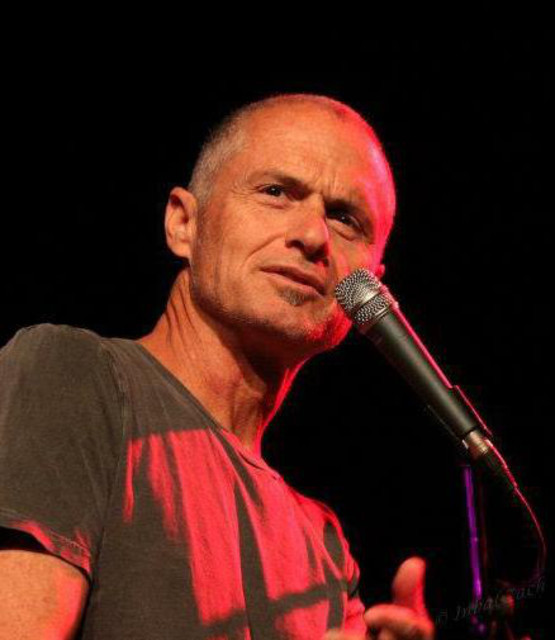
Adi Rennert
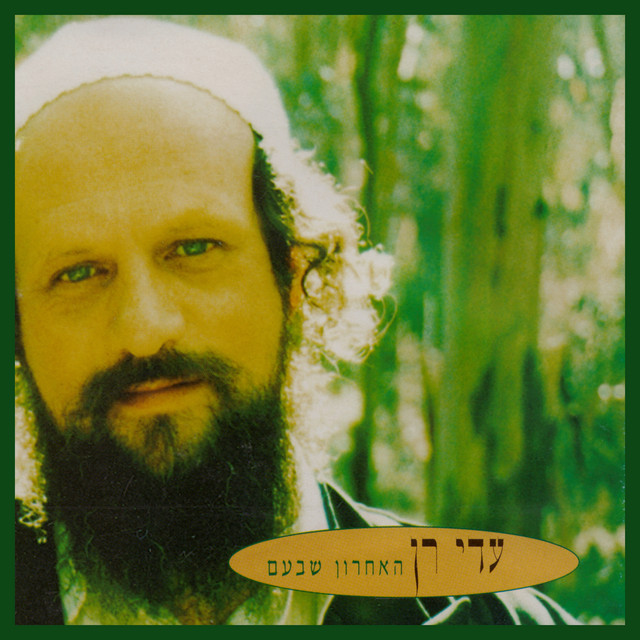
Adi Ran
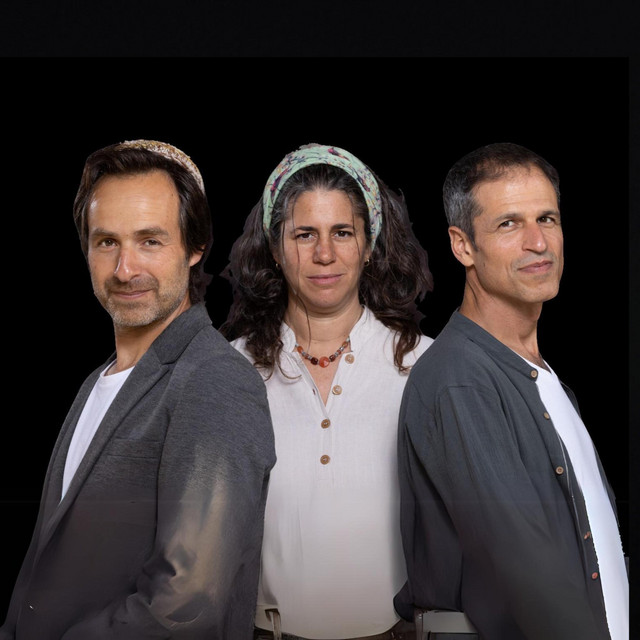


Roni Ginosar

Chill Pill