Data may be outdated
Last updated: 9 months ago — Click refresh to get the latest statistics.
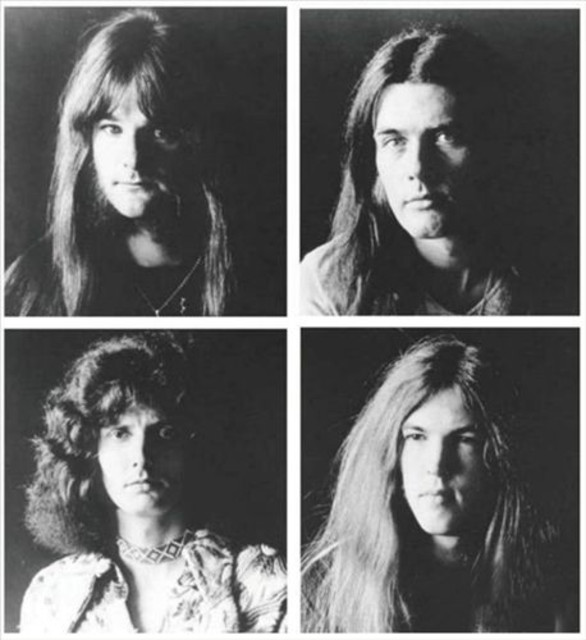
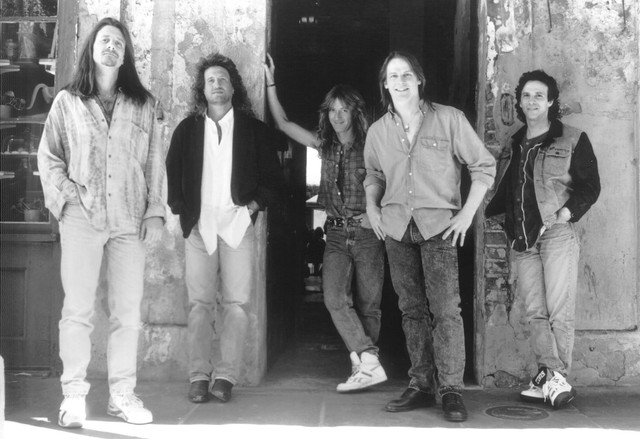
One of the top jazz-rock fusion ensembles ever, Dixie Dregs combined virtuoso technique with eclecticism and a sense of humor and spirit too frequently lacking in similar projects. Guitarist <a href="spotify:artist:4FzTsw9P3m2xDkwtiSiBMB">Steve Morse</a> and bassist <a href="spotify:artist:3XIUQLRL1i8dlZA4t7fKDz">Andy West</a> played together as high-school students in Augusta, Georgia, in a conventional rock band called Dixie Grit. When <a href="spotify:artist:4FzTsw9P3m2xDkwtiSiBMB">Morse</a> was expelled from school for refusing to cut his hair, he enrolled at the University of Miami School of Music, where he met violinist Allen Sloan, who had played with the Miami Philharmonic, and drummer <a href="spotify:artist:2hHqzkX4zloXdcbyagZctb">Rod Morgenstein</a>. The three decided to form a band, and <a href="spotify:artist:4FzTsw9P3m2xDkwtiSiBMB">Morse</a> convinced <a href="spotify:artist:3XIUQLRL1i8dlZA4t7fKDz">West</a> to come to Miami and join. Dixie Dregs completed their lineup with keyboardist Steve Davidowski. Their first album, The Great Spectacular, was recorded for a class project in 1975 and later released by the band (it is long out of print). Following graduation, the quintet began playing live around the South and got their break after opening for <a href="spotify:artist:3VqsPf2lM6ulJ5fjCJquyP">Sea Level</a> on 1976, when a representative from <a href="spotify:search:label%3A%22Capricorn+Records%22">Capricorn Records</a> was impressed enough to sign the band. Mark Parrish, a former member of Dixie Grit, replaced Davidowski for their official debut, 1977's Free Fall.
Their follow-up, What If, proved to be one of their most artistically successful albums, and Dixie Dregs played at the 1978 Montreux Jazz Festival with <a href="spotify:artist:76Avr8dD1hoIUfrkY9cHO8">T Lavitz</a> replacing Parrish. Half of Night of the Living Dregs contains excerpts from that concert. The band shortened their name to <a href="spotify:artist:36liNkiMl34UvrU1MIMta4">the Dregs</a> for 1981's Unsung Heroes, and added both vocalists and three-time national fiddling champ <a href="spotify:artist:5zfaMrd5q4szVTxVYWuoDV">Mark O'Connor</a>, whose old-timey playing style added another dimension to the group's sound, for Industry Standard. <a href="spotify:artist:36liNkiMl34UvrU1MIMta4">The Dregs</a> then disbanded; the highly respected <a href="spotify:artist:4FzTsw9P3m2xDkwtiSiBMB">Morse</a> formed his own band and recorded several albums, later joining <a href="spotify:artist:2hl0xAkS2AIRAu23TVMBG1">Kansas</a> from 1986 to 1988, while <a href="spotify:artist:2hHqzkX4zloXdcbyagZctb">Morgenstein</a> hooked up with pop-metallists <a href="spotify:artist:2qQeKHrQJHLLbvDAOSO874">Winger</a>.
Dixie Dregs reunited briefly in 1988 for a series of live dates, but a full-fledged reunion didn't take place until 1992, with <a href="spotify:artist:4FzTsw9P3m2xDkwtiSiBMB">Morse</a>, <a href="spotify:artist:76Avr8dD1hoIUfrkY9cHO8">Lavitz</a>, <a href="spotify:artist:2hHqzkX4zloXdcbyagZctb">Morgenstein</a>, and <a href="spotify:artist:71rOaUavBmgEaq9Wm5TbEA">Dave LaRue</a> of <a href="spotify:artist:4RvfPm4uzNgEzeAxBOAQZK">the Steve Morse Band</a> in <a href="spotify:artist:3XIUQLRL1i8dlZA4t7fKDz">West</a>'s place. Allen Sloan rejoined only briefly, with his position then filled by ex-<a href="spotify:artist:3Ao7NH7lRyQAeKQg2mlTcO">Mahavishnu Orchestra</a> member <a href="spotify:artist:1TSEcrPmHaxyeQMcFiKUO3">Jerry Goodman</a>. Bring 'Em Back Alive was culled from the group's tour, and 1994's Full Circle was also well received. California Screamin' followed in early 2000. ~ Steve Huey, Rovi
Their follow-up, What If, proved to be one of their most artistically successful albums, and Dixie Dregs played at the 1978 Montreux Jazz Festival with <a href="spotify:artist:76Avr8dD1hoIUfrkY9cHO8">T Lavitz</a> replacing Parrish. Half of Night of the Living Dregs contains excerpts from that concert. The band shortened their name to <a href="spotify:artist:36liNkiMl34UvrU1MIMta4">the Dregs</a> for 1981's Unsung Heroes, and added both vocalists and three-time national fiddling champ <a href="spotify:artist:5zfaMrd5q4szVTxVYWuoDV">Mark O'Connor</a>, whose old-timey playing style added another dimension to the group's sound, for Industry Standard. <a href="spotify:artist:36liNkiMl34UvrU1MIMta4">The Dregs</a> then disbanded; the highly respected <a href="spotify:artist:4FzTsw9P3m2xDkwtiSiBMB">Morse</a> formed his own band and recorded several albums, later joining <a href="spotify:artist:2hl0xAkS2AIRAu23TVMBG1">Kansas</a> from 1986 to 1988, while <a href="spotify:artist:2hHqzkX4zloXdcbyagZctb">Morgenstein</a> hooked up with pop-metallists <a href="spotify:artist:2qQeKHrQJHLLbvDAOSO874">Winger</a>.
Dixie Dregs reunited briefly in 1988 for a series of live dates, but a full-fledged reunion didn't take place until 1992, with <a href="spotify:artist:4FzTsw9P3m2xDkwtiSiBMB">Morse</a>, <a href="spotify:artist:76Avr8dD1hoIUfrkY9cHO8">Lavitz</a>, <a href="spotify:artist:2hHqzkX4zloXdcbyagZctb">Morgenstein</a>, and <a href="spotify:artist:71rOaUavBmgEaq9Wm5TbEA">Dave LaRue</a> of <a href="spotify:artist:4RvfPm4uzNgEzeAxBOAQZK">the Steve Morse Band</a> in <a href="spotify:artist:3XIUQLRL1i8dlZA4t7fKDz">West</a>'s place. Allen Sloan rejoined only briefly, with his position then filled by ex-<a href="spotify:artist:3Ao7NH7lRyQAeKQg2mlTcO">Mahavishnu Orchestra</a> member <a href="spotify:artist:1TSEcrPmHaxyeQMcFiKUO3">Jerry Goodman</a>. Bring 'Em Back Alive was culled from the group's tour, and 1994's Full Circle was also well received. California Screamin' followed in early 2000. ~ Steve Huey, Rovi
Monthly Listeners
15,532
Monthly Listeners History
Track the evolution of monthly listeners over the last 28 days.
Followers
35,203
Followers History
Track the evolution of followers over the last 28 days.
Top Cities
219 listeners
207 listeners
196 listeners
188 listeners
160 listeners
Related Artists
Colosseum II

Ronnie Montrose
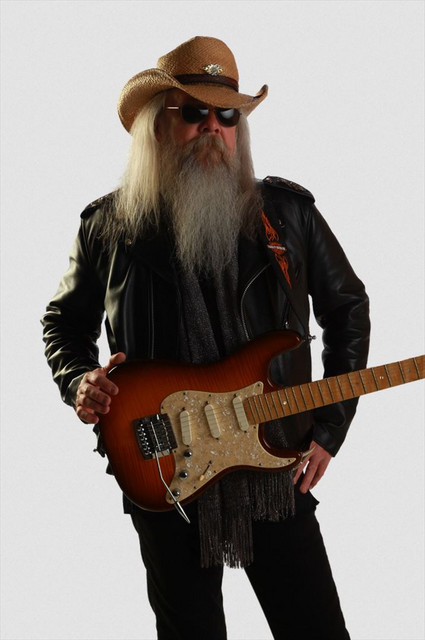
Les Dudek
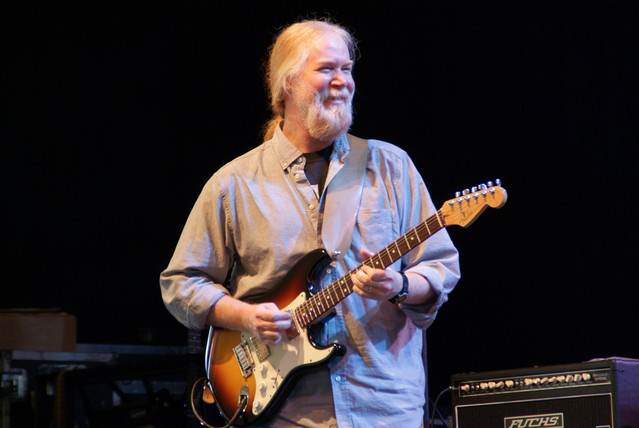
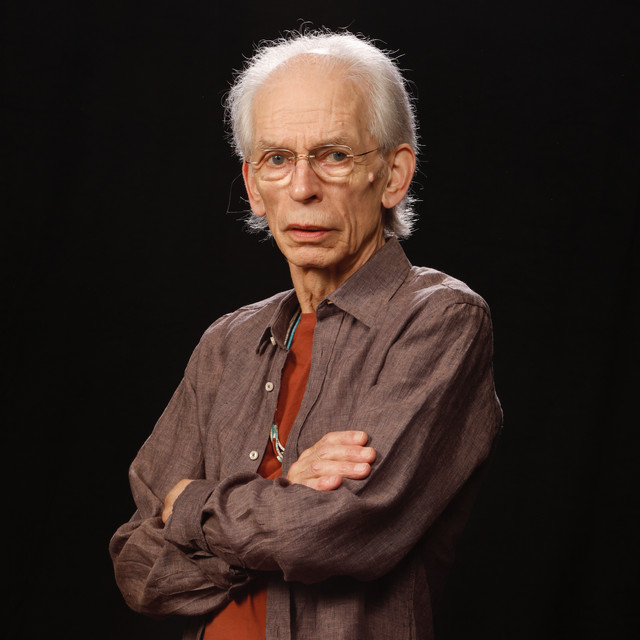
Crack The Sky