Data may be outdated
Last updated: 9 months ago — Click refresh to get the latest statistics.
Best-known as one of <a href="spotify:artist:0oSGxfWSnnOXhD2fKuz2Gy">David Bowie</a>'s guitarists (during one of his most successful periods commercially -- the mid-'70s), Earl Slick has gone on to play on a variety of other projects before returning back to <a href="spotify:artist:0oSGxfWSnnOXhD2fKuz2Gy">Bowie</a> in the early 21st century. Slick (then only 22 years old), came out of virtually nowhere to serve as <a href="spotify:artist:0oSGxfWSnnOXhD2fKuz2Gy">Bowie</a>'s first proper replacement for <a href="spotify:artist:2jzjxYOe3G5aeucbMg0Smp">Mick Ronson</a> after <a href="spotify:artist:0oSGxfWSnnOXhD2fKuz2Gy">Bowie</a> had spilt up <a href="spotify:artist:6np1kzep4TkKxsH7Afzuk0">the Spiders from Mars</a>. Although <a href="spotify:artist:0oSGxfWSnnOXhD2fKuz2Gy">Bowie</a> supplied most of the guitar work for his hit 1974 release, Diamond Dogs, he sought the then-unknown Slick to replicate his and <a href="spotify:artist:2jzjxYOe3G5aeucbMg0Smp">Ronson</a>'s previous guitar parts on tour. Not only did Slick duplicate them, but the incredibly versatile guitarist managed to expand on them and inject his own style into the tunes, resulting in one of the greatest rock guitar albums of all time (albeit usually woefully overlooked), David Live, recorded at a stop at the Tower Theater in Philadelphia. Slick remained with <a href="spotify:artist:0oSGxfWSnnOXhD2fKuz2Gy">Bowie</a> for his next two studio albums, which saw the singer transform into his "<a href="spotify:artist:0oSGxfWSnnOXhD2fKuz2Gy">Thin White Duke</a>" persona and take on the funk genre, resulting in the classic full-lengths Young Americans (1975) and the more experimental Station to Station (1976), as well as the hit singles "Fame" and "Golden Years."
Leaving <a href="spotify:artist:0oSGxfWSnnOXhD2fKuz2Gy">Bowie</a>'s band just as the singer decided to pack his bags and relocate to Germany, Slick continued on as a "gun for hire," as he appeared on <a href="spotify:artist:04LIHk1SobiQwt2tlupoAV">Leo Sayer</a>'s Top Ten 1976 release, Endless Flight (which spawned the schmaltz hits "When I Need You" and "You Make Me Feel Like Dancing"), ex-<a href="spotify:artist:6ysQi6NI88X627t2srsWz6">Mott the Hoople</a> singer <a href="spotify:artist:1Ov9t7KbQF0oz9B4JsMfV2">Ian Hunter</a>'s 1977 solo outing, Overnight Angels, and also releases by such obscure hard rock outfits as Bad Boy and <a href="spotify:artist:5XVoaMsis6opO68EbWljqg">Tonio K.</a> Also during this time, Slick attempted briefly to launch a solo career, resulting in such releases as Razor Sharp and Earl Slick Band. Up next for Slick was one of the high points of his entire career -- working alongside <a href="spotify:artist:4x1nvY2FN8jxqAFA0DA02H">John Lennon</a> on what would become <a href="spotify:artist:4x1nvY2FN8jxqAFA0DA02H">Lennon</a>'s final all-new studio recording, 1980's chart-topping Double Fantasy. After <a href="spotify:artist:4x1nvY2FN8jxqAFA0DA02H">Lennon</a>'s death the same year, Slick returned to the studio with <a href="spotify:artist:4x1nvY2FN8jxqAFA0DA02H">Lennon</a>'s widow, <a href="spotify:artist:2s4tjL6W3qrblOe0raIzwJ">Yoko Ono</a>, and appeared on what would become her highest-charting solo release, 1981's harrowing Season of Glass (Slick's guitar work would also appear on the posthumously released compilation of <a href="spotify:artist:4x1nvY2FN8jxqAFA0DA02H">Lennon</a> leftovers, 1984's Milk and Honey, as well as CD box sets for both <a href="spotify:artist:2s4tjL6W3qrblOe0raIzwJ">Ono</a>, 1992's Onobox, and <a href="spotify:artist:4x1nvY2FN8jxqAFA0DA02H">Lennon</a>, 1998's Anthology).
The early to mid-'80s saw Slick return briefly to <a href="spotify:artist:0oSGxfWSnnOXhD2fKuz2Gy">Bowie</a>'s band (for the sold-out Serious Moonlight world tour in support of 1983's Let's Dance), and also virtually replacing <a href="spotify:artist:4xiBg5AwhlWtuxAJO9rO6f">Brian Setzer</a> in <a href="spotify:artist:2ibPkysx2PXqWLmxFD7jSg">the Stray Cats</a>, as he joined up with ex-<a href="spotify:artist:2ibPkysx2PXqWLmxFD7jSg">Cats</a> <a href="spotify:artist:5qDorluwjJoYGYfPo1skgs">Lee Rocker</a> (bass) and <a href="spotify:artist:3HfEn2cgHnv9NDtw9tS6ps">Slim Jim Phantom</a> (drums) in the trio <a href="spotify:artist:2AnJUIQ5kdHTz9PgzZs1wR">Phantom, Rocker & Slick</a>. The short-lived outfit issued a pair of moderately successful albums, 1985's Phantom, Rocker & Slick and 1986's Cover Girl, before disbanding. Slick would appear on other artists' releases throughout the late '80s/early '90s, although he took a break from the music biz to sort out his personal life (allegedly to kick a serious drug problem). Slick returned stronger than ever, as he founded his own record label, Slick Music Inc., which specializes in solo releases by Slick (2000's Lost and Found), as well as archival releases by other artists (<a href="spotify:artist:1Pag7p4HbSdZIDzgNLsk39">Fanny</a>, <a href="spotify:artist:0kEFSCGTTB0H7ql5U67VsP">Kasim Sulton</a>, etc.). In 2000, Slick accepted an offer to rejoin <a href="spotify:artist:0oSGxfWSnnOXhD2fKuz2Gy">Bowie</a> full-time, as he toured steadily with his previous employer and appeared on his 2002 studio effort, Heathen. <a href="spotify:artist:0oSGxfWSnnOXhD2fKuz2Gy">David Bowie</a>, The Cure's Robert Smith, Joe Elliott of Def Leppard and others joined him for Zig Zag, which appeared on Sanctuary in fall 2003. ~ Greg Prato, Rovi
Leaving <a href="spotify:artist:0oSGxfWSnnOXhD2fKuz2Gy">Bowie</a>'s band just as the singer decided to pack his bags and relocate to Germany, Slick continued on as a "gun for hire," as he appeared on <a href="spotify:artist:04LIHk1SobiQwt2tlupoAV">Leo Sayer</a>'s Top Ten 1976 release, Endless Flight (which spawned the schmaltz hits "When I Need You" and "You Make Me Feel Like Dancing"), ex-<a href="spotify:artist:6ysQi6NI88X627t2srsWz6">Mott the Hoople</a> singer <a href="spotify:artist:1Ov9t7KbQF0oz9B4JsMfV2">Ian Hunter</a>'s 1977 solo outing, Overnight Angels, and also releases by such obscure hard rock outfits as Bad Boy and <a href="spotify:artist:5XVoaMsis6opO68EbWljqg">Tonio K.</a> Also during this time, Slick attempted briefly to launch a solo career, resulting in such releases as Razor Sharp and Earl Slick Band. Up next for Slick was one of the high points of his entire career -- working alongside <a href="spotify:artist:4x1nvY2FN8jxqAFA0DA02H">John Lennon</a> on what would become <a href="spotify:artist:4x1nvY2FN8jxqAFA0DA02H">Lennon</a>'s final all-new studio recording, 1980's chart-topping Double Fantasy. After <a href="spotify:artist:4x1nvY2FN8jxqAFA0DA02H">Lennon</a>'s death the same year, Slick returned to the studio with <a href="spotify:artist:4x1nvY2FN8jxqAFA0DA02H">Lennon</a>'s widow, <a href="spotify:artist:2s4tjL6W3qrblOe0raIzwJ">Yoko Ono</a>, and appeared on what would become her highest-charting solo release, 1981's harrowing Season of Glass (Slick's guitar work would also appear on the posthumously released compilation of <a href="spotify:artist:4x1nvY2FN8jxqAFA0DA02H">Lennon</a> leftovers, 1984's Milk and Honey, as well as CD box sets for both <a href="spotify:artist:2s4tjL6W3qrblOe0raIzwJ">Ono</a>, 1992's Onobox, and <a href="spotify:artist:4x1nvY2FN8jxqAFA0DA02H">Lennon</a>, 1998's Anthology).
The early to mid-'80s saw Slick return briefly to <a href="spotify:artist:0oSGxfWSnnOXhD2fKuz2Gy">Bowie</a>'s band (for the sold-out Serious Moonlight world tour in support of 1983's Let's Dance), and also virtually replacing <a href="spotify:artist:4xiBg5AwhlWtuxAJO9rO6f">Brian Setzer</a> in <a href="spotify:artist:2ibPkysx2PXqWLmxFD7jSg">the Stray Cats</a>, as he joined up with ex-<a href="spotify:artist:2ibPkysx2PXqWLmxFD7jSg">Cats</a> <a href="spotify:artist:5qDorluwjJoYGYfPo1skgs">Lee Rocker</a> (bass) and <a href="spotify:artist:3HfEn2cgHnv9NDtw9tS6ps">Slim Jim Phantom</a> (drums) in the trio <a href="spotify:artist:2AnJUIQ5kdHTz9PgzZs1wR">Phantom, Rocker & Slick</a>. The short-lived outfit issued a pair of moderately successful albums, 1985's Phantom, Rocker & Slick and 1986's Cover Girl, before disbanding. Slick would appear on other artists' releases throughout the late '80s/early '90s, although he took a break from the music biz to sort out his personal life (allegedly to kick a serious drug problem). Slick returned stronger than ever, as he founded his own record label, Slick Music Inc., which specializes in solo releases by Slick (2000's Lost and Found), as well as archival releases by other artists (<a href="spotify:artist:1Pag7p4HbSdZIDzgNLsk39">Fanny</a>, <a href="spotify:artist:0kEFSCGTTB0H7ql5U67VsP">Kasim Sulton</a>, etc.). In 2000, Slick accepted an offer to rejoin <a href="spotify:artist:0oSGxfWSnnOXhD2fKuz2Gy">Bowie</a> full-time, as he toured steadily with his previous employer and appeared on his 2002 studio effort, Heathen. <a href="spotify:artist:0oSGxfWSnnOXhD2fKuz2Gy">David Bowie</a>, The Cure's Robert Smith, Joe Elliott of Def Leppard and others joined him for Zig Zag, which appeared on Sanctuary in fall 2003. ~ Greg Prato, Rovi
Monthly Listeners
949
Monthly Listeners History
Track the evolution of monthly listeners over the last 28 days.
Followers
2,113
Followers History
Track the evolution of followers over the last 28 days.
Top Cities
99 listeners

37 listeners

31 listeners

30 listeners

29 listeners

Related Artists

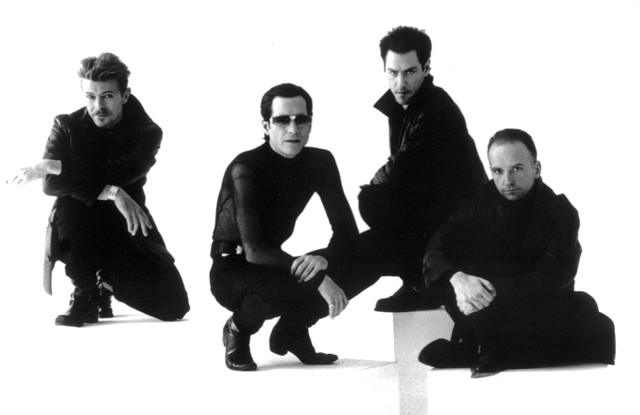
Reeves Gabrels
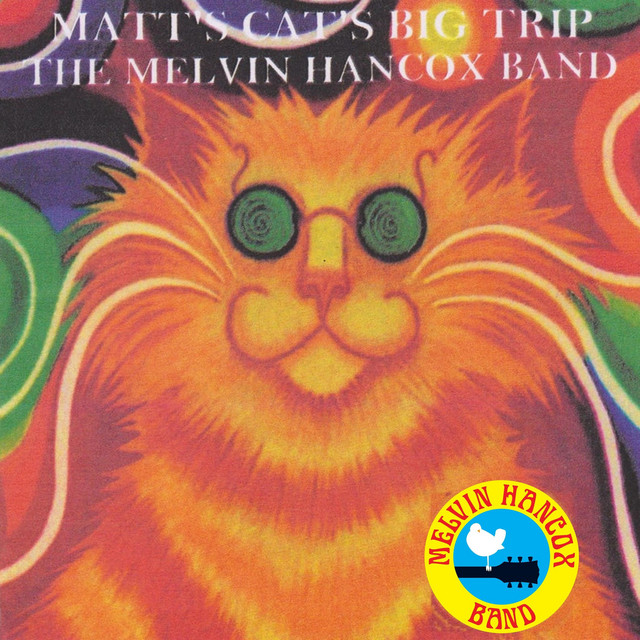
The Melvin Hancox Band
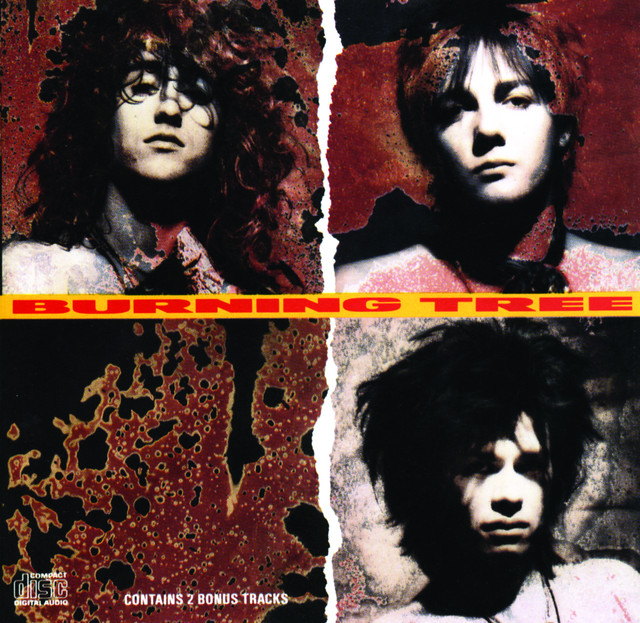
Burning Tree

The Brain Surgeons

Seymour Duncan
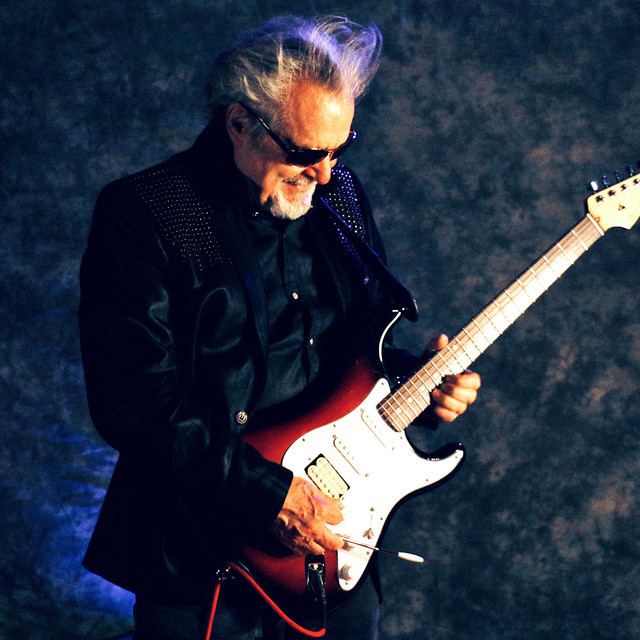
Joe Bouchard
Sharks

James Stevenson

Simon House


The Squirrels

Mark Stein
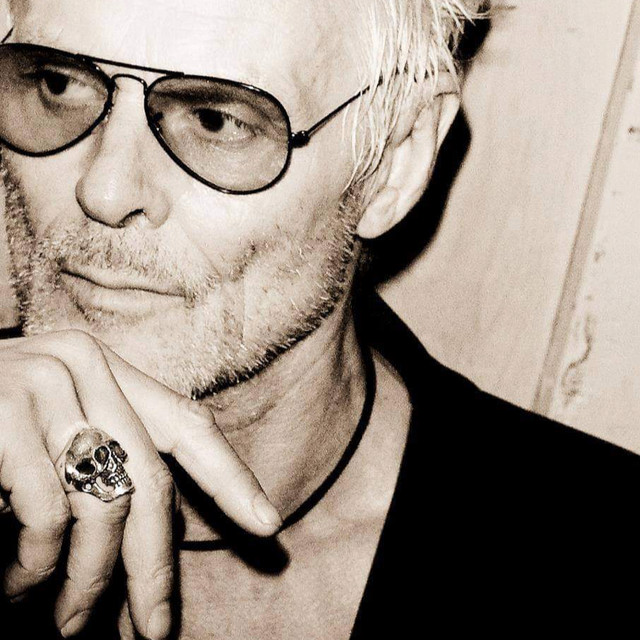
Michael Des Barres
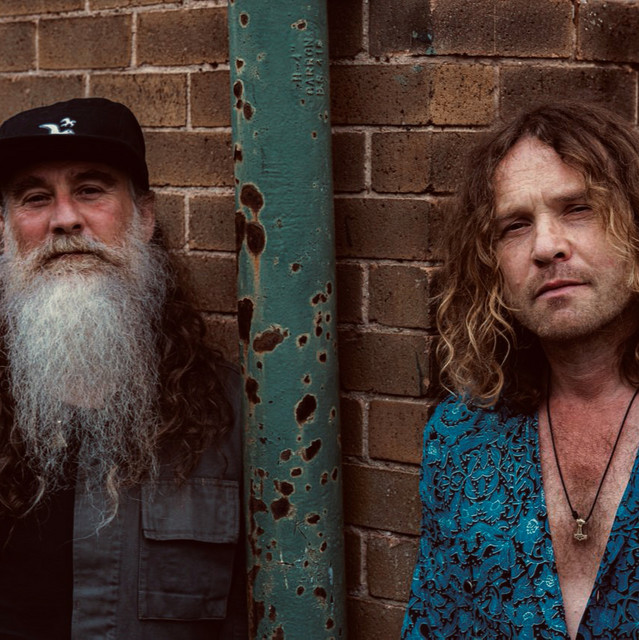
Forgotten Pharaohs

Jim Moginie