Data may be outdated
Last updated: 9 months ago — Click refresh to get the latest statistics.
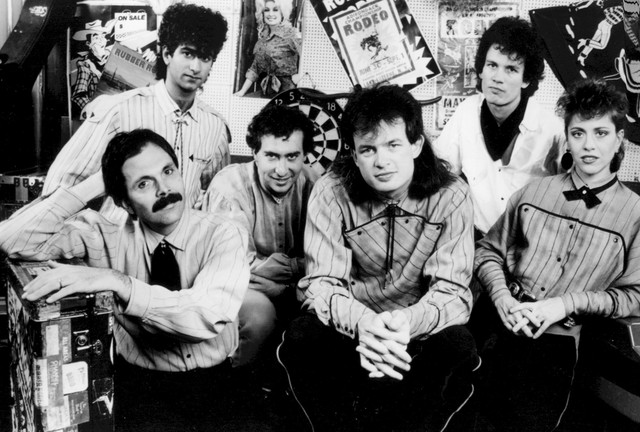
A stridently political band that came up in the mid-'80s and failed to follow through on high expectations, Easterhouse's early sound wasn't unlike a cross between <a href="spotify:artist:4HLWX9kzfraiCsTvrxJEXm">the Chameleons</a> and <a href="spotify:artist:3yY2gUcIsjMr8hjo51PoJ8">the Smiths</a>. Early on, they won the vocal adoration of the latter group's <a href="spotify:artist:3iTsJGG39nMg9YiolUgLMQ">Morrissey</a>, who no doubt found the left-wing leanings and roaring sound -- featuring blaring, reverb-drenched guitars -- a powerful combination. However, the members weren't so closely knit, and by the time the group released its second and much different album, only one original member remained.
Brothers Andy (vocals) and Ivor Perry (guitar) formed Easterhouse in Stretford, Manchester, during the mid-'80s, with Mike Murray (rhythm guitar), Gary Rostock (drums), and Peter Vanden (bass) filling out the lineup. Songwriter Andy Perry, a politically minded individual fascinated by communism, was originally brought into the group to improve its lyrical content; he apprehensively took on the vocal duties. Easterhouse signed on with Rough Trade and issued the "Whistling in the Dark" (1985) and "Inspiration" (1986) singles -- both of which reached the Top Ten of the U.K.'s independent chart -- prior to the group's full-length debut, 1986's Contenders. The album was met with modest success in the band's own country, but it unsurprisingly failed to leave much of an impression in the States.
Ivor Perry, whose occasionally contrasting ideals and ideas had been at odds with his brother's, left the group after Contenders to join fellow guitarist Craig Gannon (<a href="spotify:artist:7sbwBqdkynNUDgiWU3TQ5J">Aztec Camera</a>, <a href="spotify:artist:3yY2gUcIsjMr8hjo51PoJ8">the Smiths</a>) in the Cradle. Murray, Rostock, and Vanden would eventually leave as well, leaving Andy Perry to continue with a new lineup that included drummer Dave Verner and guitarists <a href="spotify:artist:7JoeGMIoAJFLjaEWLh7jie">Steve Lovell</a>, Lance Sabin, and <a href="spotify:artist:3th0fmbYOynihCppJzNJLM">Neil Taylor</a>. All the shakeups delayed the making of Waiting for the Redbird, which wasn't released until 1989. Reliant upon a more contemporary and programmed sound, the album came off as stilted. As a result, it aged poorly. Ironically, "Come Out Fighting" charted higher in the States than any <a href="spotify:artist:3yY2gUcIsjMr8hjo51PoJ8">Smiths</a> single, cracking the Billboard Hot 100 at number 82 and reaching the Top Ten of the modern rock chart. Shortly after the album's release, the group broke up for good. ~ Andy Kellman, Rovi
Brothers Andy (vocals) and Ivor Perry (guitar) formed Easterhouse in Stretford, Manchester, during the mid-'80s, with Mike Murray (rhythm guitar), Gary Rostock (drums), and Peter Vanden (bass) filling out the lineup. Songwriter Andy Perry, a politically minded individual fascinated by communism, was originally brought into the group to improve its lyrical content; he apprehensively took on the vocal duties. Easterhouse signed on with Rough Trade and issued the "Whistling in the Dark" (1985) and "Inspiration" (1986) singles -- both of which reached the Top Ten of the U.K.'s independent chart -- prior to the group's full-length debut, 1986's Contenders. The album was met with modest success in the band's own country, but it unsurprisingly failed to leave much of an impression in the States.
Ivor Perry, whose occasionally contrasting ideals and ideas had been at odds with his brother's, left the group after Contenders to join fellow guitarist Craig Gannon (<a href="spotify:artist:7sbwBqdkynNUDgiWU3TQ5J">Aztec Camera</a>, <a href="spotify:artist:3yY2gUcIsjMr8hjo51PoJ8">the Smiths</a>) in the Cradle. Murray, Rostock, and Vanden would eventually leave as well, leaving Andy Perry to continue with a new lineup that included drummer Dave Verner and guitarists <a href="spotify:artist:7JoeGMIoAJFLjaEWLh7jie">Steve Lovell</a>, Lance Sabin, and <a href="spotify:artist:3th0fmbYOynihCppJzNJLM">Neil Taylor</a>. All the shakeups delayed the making of Waiting for the Redbird, which wasn't released until 1989. Reliant upon a more contemporary and programmed sound, the album came off as stilted. As a result, it aged poorly. Ironically, "Come Out Fighting" charted higher in the States than any <a href="spotify:artist:3yY2gUcIsjMr8hjo51PoJ8">Smiths</a> single, cracking the Billboard Hot 100 at number 82 and reaching the Top Ten of the modern rock chart. Shortly after the album's release, the group broke up for good. ~ Andy Kellman, Rovi
Monthly Listeners
265
Monthly Listeners History
Track the evolution of monthly listeners over the last 28 days.
Followers
1,368
Followers History
Track the evolution of followers over the last 28 days.
Top Cities
14 listeners
8 listeners
7 listeners
7 listeners
5 listeners
Related Artists

Beatnik Beatch

Lions & Ghosts

The Flaming Mussolinis

Watermelon Men


Simcess
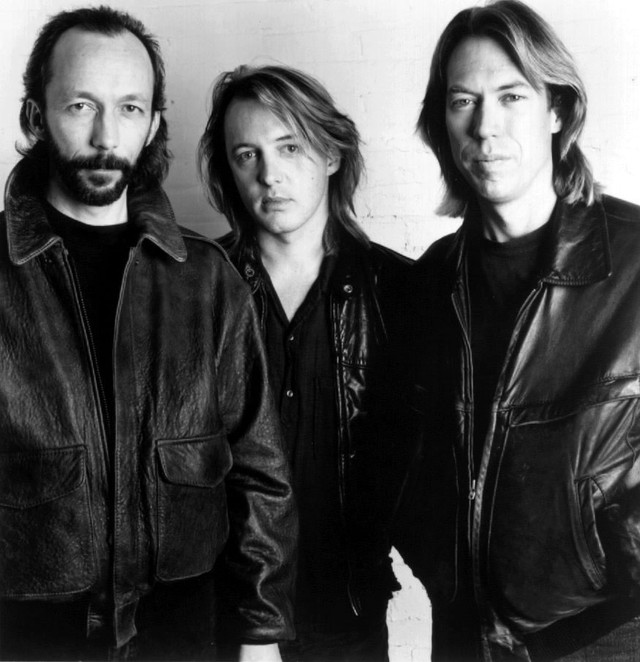
Fire Town

Absent Friends

The Way Moves

Adrian Borland And The Citizens

Astral Bodies

The Jack Rubies
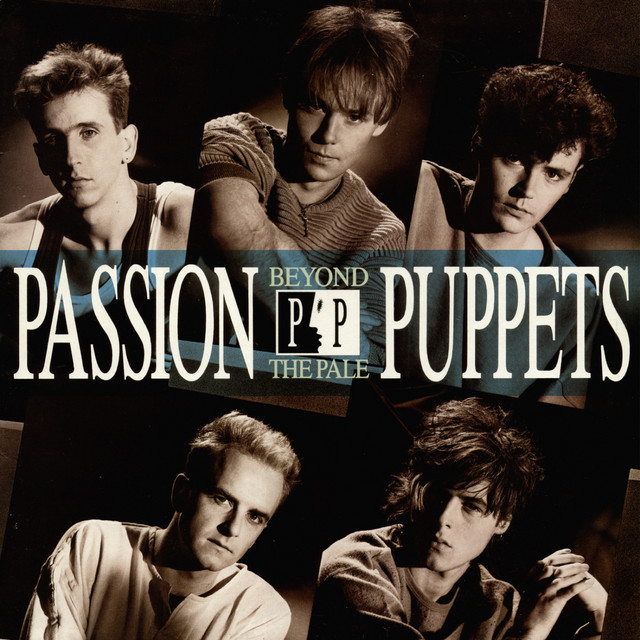

Spooner

Ball & Pivot