Data may be outdated
Last updated: 7 months ago — Click refresh to get the latest statistics.
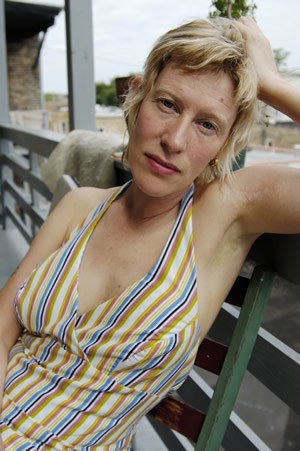
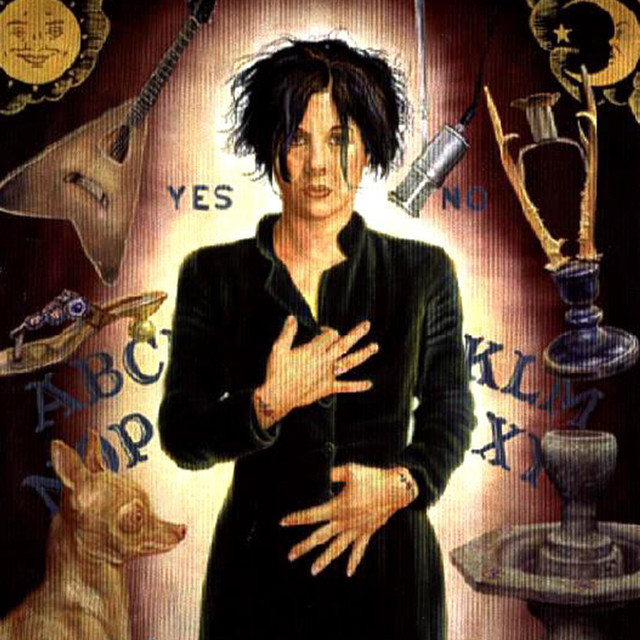
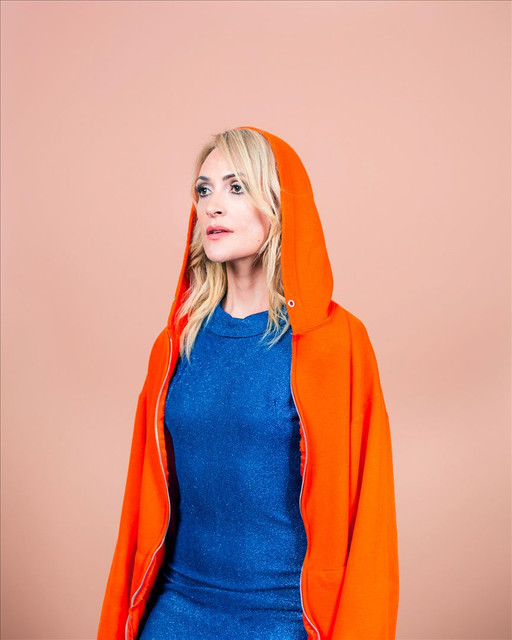
Vocalist/keyboardist/songwriter Emily Haines rose to fame in the early part of the new millennium as frontwoman of the Toronto-based indie dance-rock band <a href="spotify:artist:1rCIEwPp5OnXW0ornlSsRl">Metric</a> and as a vital part of the <a href="spotify:artist:7lOJ7WXyopaxri0dbOiZkd">Broken Social Scene</a> collective. After the release of the first two <a href="spotify:artist:1rCIEwPp5OnXW0ornlSsRl">Metric</a> albums, Haines had built up a backlog of songs she deemed too un-<a href="spotify:artist:1rCIEwPp5OnXW0ornlSsRl">Metric</a> for the band to record; more subdued and piano-centric. With the help of a small cadre of collaborators including Scott Minor of <a href="spotify:artist:64tVHZVSAZhDEiOJxnb6hE">Sparklehorse</a>, Justin Peroff of <a href="spotify:artist:7lOJ7WXyopaxri0dbOiZkd">Broken Social Scene</a>, Evan Cranley of <a href="spotify:artist:2EO56JK4txid1Pss9GVbOL">Stars</a>, and James Shaw of <a href="spotify:artist:1rCIEwPp5OnXW0ornlSsRl">Metric</a>, Haines recorded an album's worth of her songs. Going under the name <a href="spotify:artist:1b2U0VT1Z4ACqOihBL1fgw">Emily Haines & the Soft Skeleton</a>, she released Knives Don't Have Your Back in September 2006 on <a href="spotify:search:label%3A%22Last+Gang+Records%22">Last Gang Records</a>. The cover was inspired by that of an album her poet father <a href="spotify:artist:7n9whc9QZfipFqbsY4Zazu">Paul</a>'s work had appeared on; <a href="spotify:artist:4Byg6TGm4z9TEkUDvEJBGO">Carla Bley</a>'s Escalator Over the Hill. In July of the following year What Is Free to a Good Home?, an EP that included five previously unreleased songs from the Knives Don't Have Your Back sessions as well as a remix of "Mostly Waving," came out on <a href="spotify:search:label%3A%22Last+Gang%22">Last Gang</a>. Haines didn't release solo material for quite awhile afterwards, instead focusing on <a href="spotify:artist:1rCIEwPp5OnXW0ornlSsRl">Metric</a>, who became a stadium-filling success story, and on collaborations with <a href="spotify:artist:7lOJ7WXyopaxri0dbOiZkd">Broken Social Scene</a>, <a href="spotify:artist:2squZ8HjM4AzR0j6jsPn4a">MSTRKRFT</a>, <a href="spotify:artist:2EO56JK4txid1Pss9GVbOL">Stars</a>, <a href="spotify:artist:3EZWlSBWlPsC8lCI2Y36Gl">k-os</a>, <a href="spotify:artist:0fdKgNnfYBXuLEwoSdIf76">the Stills</a> and many others. She kept writing songs throughout, but didn't really start working on another solo record until 2015, when she began work in earnest at <a href="spotify:artist:1rCIEwPp5OnXW0ornlSsRl">Metric</a>'s Giant Studio. With Haines playing a piano from 1850, help from Shaw on guitar and other instruments, and Scott Minor on occasional drums, the songs for her second record came together quickly. The resulting Choir of the Mind was a lush, keyboard-driven album that found Haines exploring politics and faith, while never straying to far from a pop hook. The record was issued by <a href="spotify:search:label%3A%22Last+Gang%22">Last Gang</a> in September of 2017. ~ Tim Sendra & Kenyon Hopkin, Rovi
Monthly Listeners
215
Monthly Listeners History
Track the evolution of monthly listeners over the last 28 days.
Followers
2,884
Followers History
Track the evolution of followers over the last 28 days.
Top Cities
6 listeners

5 listeners

4 listeners

4 listeners

3 listeners