Data may be outdated
Last updated: 9 months ago — Click refresh to get the latest statistics.
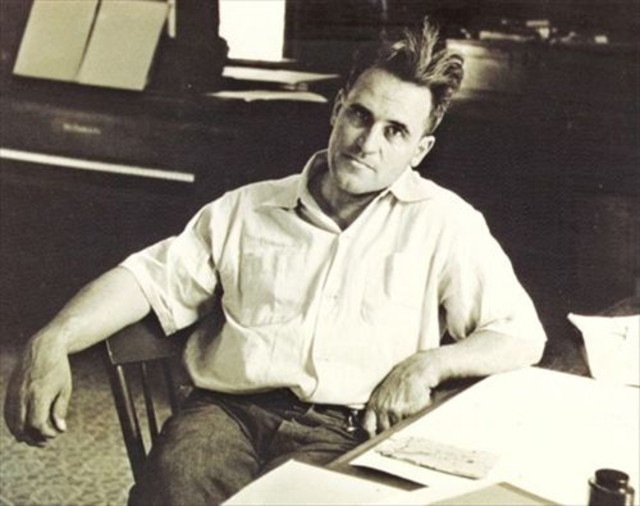
Ernst Bacon was an American composer, born and raised in the city of Chicago, IL. He also attended college there at Northwestern University from 1915 until 1918. He stayed in the city for further study at the University of Chicago for a year, and then earned his master's of music at the University of California. A philosophical composer, he combined his intellectual interest in textual content with a sensitive lyricism, and an affinity for simple song. He was adept at word setting and capturing the essence of the spoken word in his music. Rhythmic inflections and syncopations imitate the poetic speech of his texts. The authors whose poetry he set include <a href="spotify:artist:72q8JOv3BsuoTkifnwwUtI">Emily Dickinson</a> and Walt Whitman, two giants of American literature. They both are profoundly reflective authors, with highly individual and distinct poetic voices; his settings show an ability to collaborate sensitively with other extremely strong individuals. He and Helen Boatwright recorded 22 of his songs, as he accompanied her voice with the piano. He had a fondness for Americana, which is reflected in his interest in indigenous folk music of the United States.
In addition to his songs, Bacon has written two important essays on music; Words on Music, published in 1960, and Notes on the Piano, published in 1963. He was an accomplished performer on the piano and taught at several major universities in the United States. He taught at the Eastman School of Music from 1925 to 1928, the San Francisco Conservatory from 1928 to 1930, and Converse College from 1938 until 1945. His final teaching position was at Syracuse University. He was a conductor of the Rochester Opera company while he lived in New York, and he founded the Carmel Bach Festival in California. Before the Second World War, Bacon was an important force in the Roosevelt WPA arts program. He supervised the San Francisco division of the project and conducted the WPA Orchestra.
Although Bacon's symphonies and larger works are not as widely known as his coloristic and sympathetic songs, he won a Pulitzer Prize in 1932 for his Second Symphony in D minor. Other prizes included two Guggenheim fellowships. His songs as well as his symphonies show a complete mastery of the field of counterpoint and an interest in expanding the tonal idiom.
In addition to his songs, Bacon has written two important essays on music; Words on Music, published in 1960, and Notes on the Piano, published in 1963. He was an accomplished performer on the piano and taught at several major universities in the United States. He taught at the Eastman School of Music from 1925 to 1928, the San Francisco Conservatory from 1928 to 1930, and Converse College from 1938 until 1945. His final teaching position was at Syracuse University. He was a conductor of the Rochester Opera company while he lived in New York, and he founded the Carmel Bach Festival in California. Before the Second World War, Bacon was an important force in the Roosevelt WPA arts program. He supervised the San Francisco division of the project and conducted the WPA Orchestra.
Although Bacon's symphonies and larger works are not as widely known as his coloristic and sympathetic songs, he won a Pulitzer Prize in 1932 for his Second Symphony in D minor. Other prizes included two Guggenheim fellowships. His songs as well as his symphonies show a complete mastery of the field of counterpoint and an interest in expanding the tonal idiom.
Monthly Listeners
96
Monthly Listeners History
Track the evolution of monthly listeners over the last 28 days.
Followers
53
Followers History
Track the evolution of followers over the last 28 days.
Top Cities


Related Artists


Kenneth Young
Geoffrey Wright

Luis Carlos Figueroa

Robert Stern
Hale Smith

Jacob Avshalomov

John Ritchie
Thomas Hampson, Sopkane Symphony Orchestra & Eckart Preu
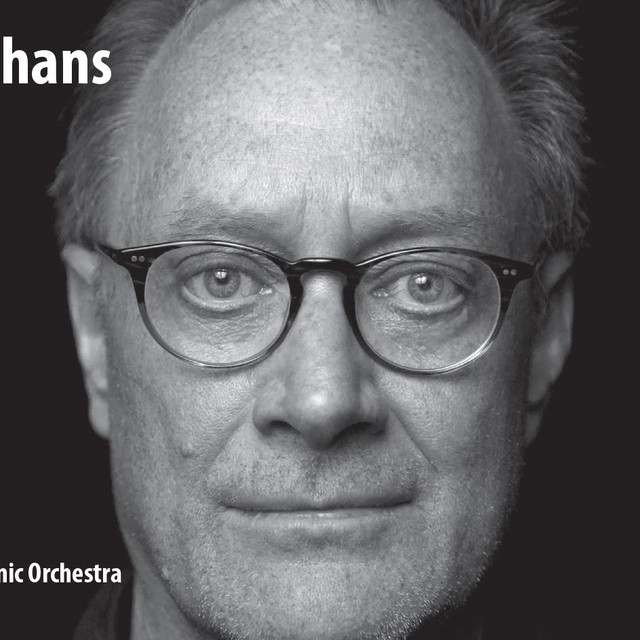
Douglas Knehans

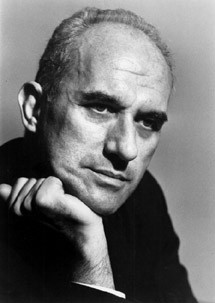

Robert Aldridge
André Souris
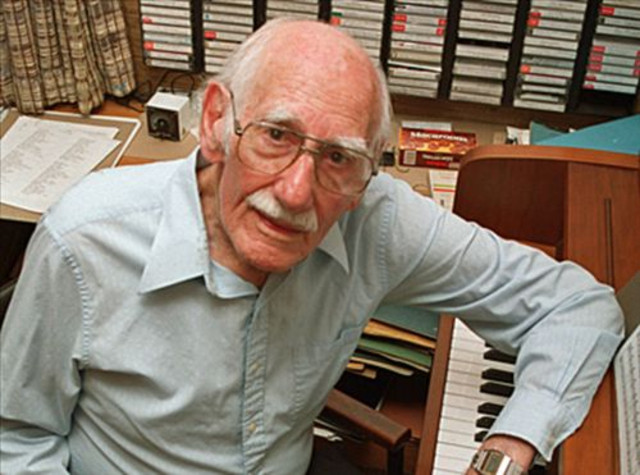
John Weinzweig

David Sawer
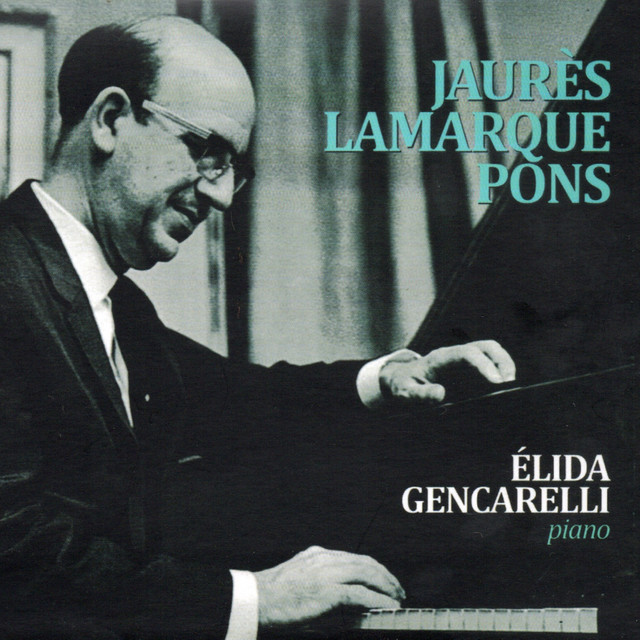
Jaurés Lamarque Pons

Eos Orchestra

Arthur Meulemans

Music of Remembrance Ensemble
Fyodor Akimenko

Luiz Costa
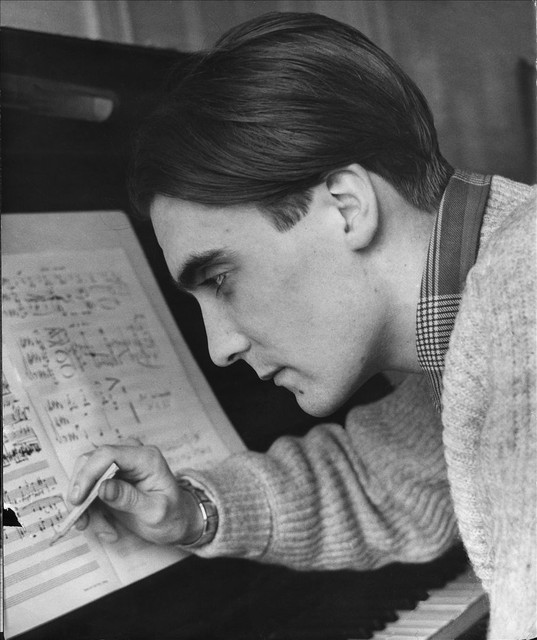
Bo Linde

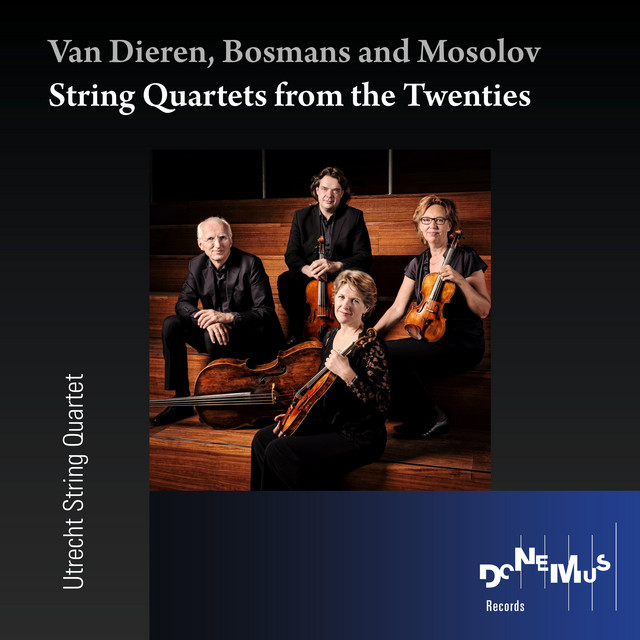
Bernard Van Dieren

Aaron Avshalomov
Behzad Ranjbaran
William Levi Dawson

Peder Gram
Howard Swanson
Alan Bush