Data may be outdated
Last updated: 2 weeks ago — Click refresh to get the latest statistics.
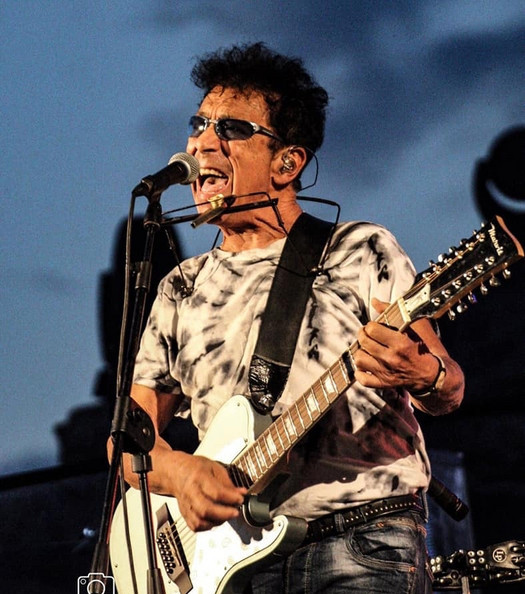
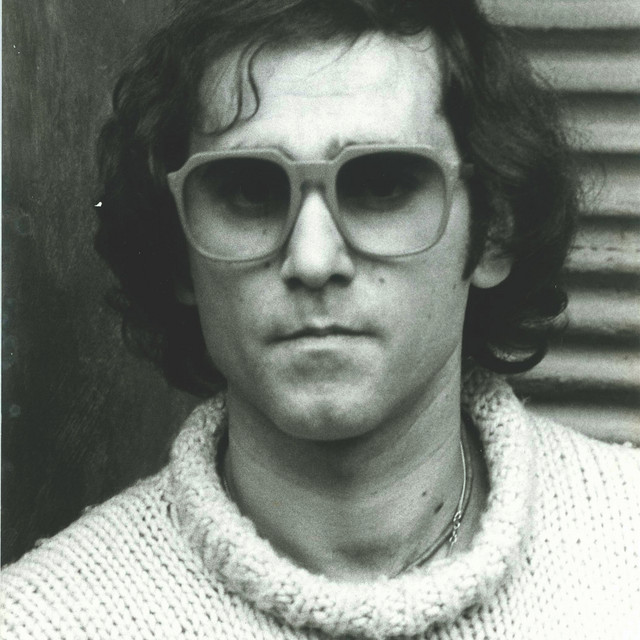
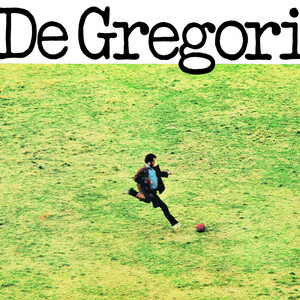
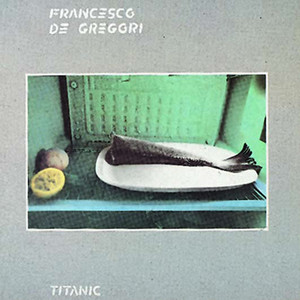
In 1976 Bufalo Bill was released, but while touring in Milan in 1977, De Gregori was verbally attacked by a group of extreme left-wingers who accused the artist of encouraging capitalism and selling out. Leaving the stage in tears, he stopped recording, choosing to work instead as a bookseller, but in 1978 he returned to the Italian music world with De Gregori, an album that included "Generale," a track that would become among his most beloved and one which the composer felt was too good to not present to the public. A tour with <a href="spotify:artist:25MkkfEousyfp2eyh38FUl">Dalla</a> and a then-unknown Ron produced the 1979 album Banana Republic. The next 15 years saw the release of a handful of new studio records, including the 1982 masterpiece Titanic and 1992's Canzoni d'Amore.
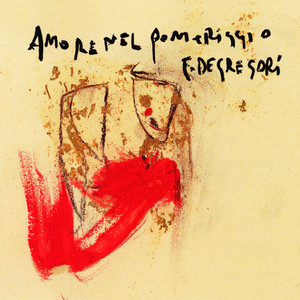
After spending the next few years as a journalist for the newspaper L'Unità, De Gregori, who was nicknamed "Il Principe," or "The Prince," for his introverted, sometimes haughty manner of dealing with the press, came back to music with Prendere e Lasciare in 1996 and the critically acclaimed Amore Nel Pomeriggio in 2001. In 2002 he participated in a tour with <a href="spotify:artist:2eFv7NVs8R6Go7msuqikeg">Pino Daniele</a>, Ron, and <a href="spotify:artist:5VxhGHbcuvqTLRUWzBUN8L">Fiorella Mannoia</a> and also collaborated with folksinger <a href="spotify:artist:3Un0ZyXEmQWM7PGYPTkcyo">Giovanna Marini</a> on Il Fischio del Vapore, a collection of old Italian popular and protest songs. Three years later the rock-oriented Pezzi was released, and Calypsos came in 2006. ~ Marisa Brown, Rovi
Monthly Listeners
1.1 million
Monthly Listeners History
Track the evolution of monthly listeners over the last 28 days.
Followers
953,925
Followers History
Track the evolution of followers over the last 28 days.
Total Streams
509.3 million
Total Streams History
Track the evolution of total streams over the last 28 days. This data is calculated from all tracks listed in the artist's discography.
Top Cities

Related Artists

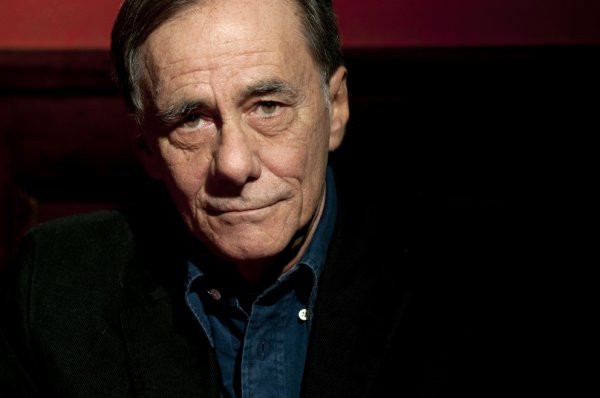
Roberto Vecchioni


Mia Martini