Last updated: 3 days ago
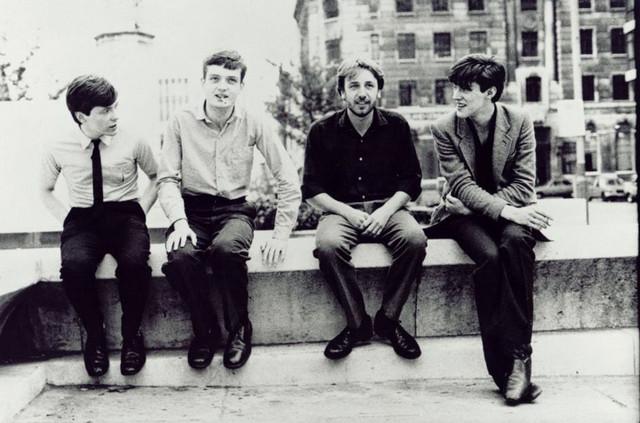
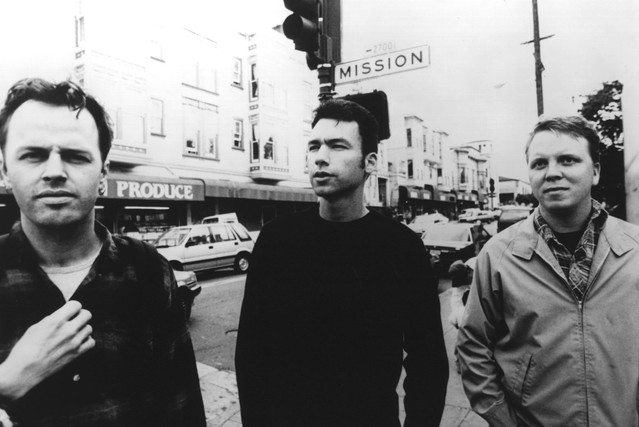
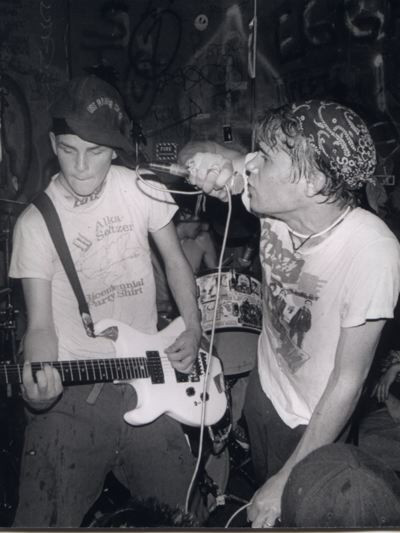
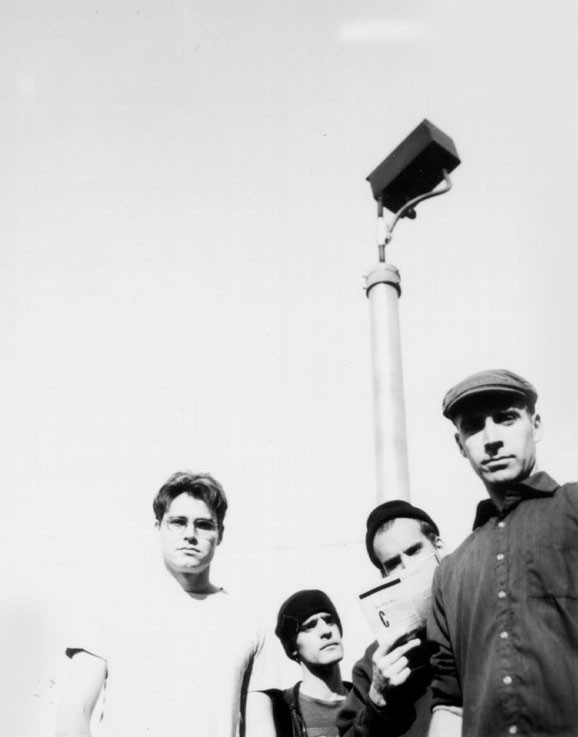
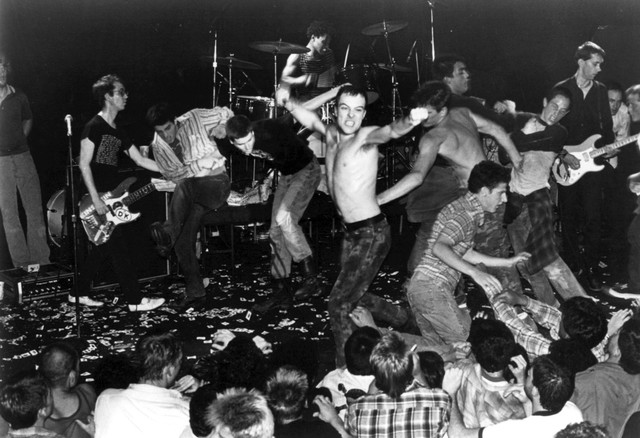
Fugazi was one of a kind; a band so staunchly "punk" in their unyieldingly independent and politically revolutionary ethos, yet without limits in where they took their music with punk as a starting point. Born of the Washington, D.C. scene that produced some of hardcore's most legendary acts (in particular founding members Ian MacKaye's <a href="spotify:artist:07PiZYrhllpSXtELkUxlrf">Minor Threat</a> and Guy Picciotto's emo prototypes <a href="spotify:artist:1FIzwiROYEiAdCClC6Kvly">Rites of Spring</a>), Fugazi drafted the blueprint for post-hardcore by introducing dubby basslines and unorthodox song structures into their high-energy songs. They remained self-sufficient at all costs, managing themselves, booking their own tours (which guaranteed the low ticket prices they insisted on for their fans), and rejecting all offers from major labels even as songs like their funk-flecked "Waiting Room" became unofficial hits and albums like 1995's Red Medicine sold in numbers that landed them in the lower reaches of the Billboard charts. After 2003, Fugazi entered a decades-long hiatus without ever officially breaking up, and their influence only grew from there. They sated their fans' hunger for new music with an online archive of all their live shows. In 2026, they released Albini Sessions (Benefit for Letters Charity), a previously unreleased alternate version of their 1993 album In on the Killtaker recorded by <a href="spotify:artist:52ZFTGbQ9miWMX8JYBvtOO">Steve Albini</a>.
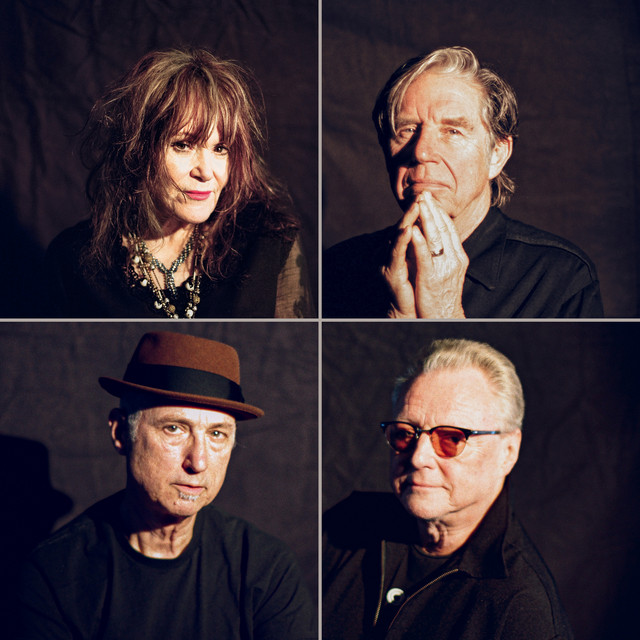
Drummer Brendan Canty, bassist <a href="spotify:artist:1sbo1L9XfmgiWMFsL5xNjf">Joe Lally</a>, and guitarists/vocalists Ian MacKaye and Guy Picciotto formed Fugazi in 1986. Initially a trio, Picciotto was added to the lineup after the band's first live shows. Prior to forming, the members already had deep roots in the D.C. punk scene. <a href="spotify:search:label%3A%22Dischord%22">Dischord</a> labelhead MacKaye, who had previously been in <a href="spotify:artist:5t0HWVQFpMImu2GdWDbDHd">the Teen Idles</a> and <a href="spotify:artist:07PiZYrhllpSXtELkUxlrf">Minor Threat</a>, had just come from <a href="spotify:artist:5Lzz2tZ2hKO8PDslKBQgZL">Embrace</a>. For better or worse, <a href="spotify:artist:5Lzz2tZ2hKO8PDslKBQgZL">Embrace</a>, along with Picciotto and Canty's better <a href="spotify:artist:1FIzwiROYEiAdCClC6Kvly">Rites of Spring</a>, kick-started the emo subgenre that reached prominence years later.
After further honing their cathartic live act and expanding their material, the band's first EP, Fugazi, was released in late 1988. More an extension of <a href="spotify:artist:1FIzwiROYEiAdCClC6Kvly">Rites of Spring</a>'s thick, dynamic, varied-tempo soul-baring than anything else, the EP featured "Suggestion," which became the group's most well-known song. Though the course of rock history shows that loud music created by angry men tends to be of a predatory nature, "Suggestion" was an anomaly. MacKaye spoke from a woman's point of view and railed against objectification. The similar Margin Walker EP followed the next year and was later coupled with Fugazi on CD as 13 Songs.
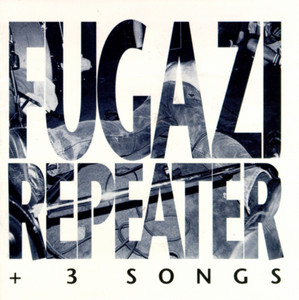
Repeater, the band's first proper album, was released in 1990. A toughened and refined progression, it's generally regarded as a classic. Steady Diet of Nothing, issued in 1991, was clearly the group's most challenging material to that point. Two years passed until the arrival of In on the Killtaker, an abrasive set that registered on the Billboard 200 at number 153. While major labels were interested in signing the band and even linking with <a href="spotify:search:label%3A%22Dischord%22">Dischord</a>, a label that had lost <a href="spotify:artist:0Fj0cWPHOpexJCZRdSHioP">Jawbox</a> to <a href="spotify:search:label%3A%22Atlantic%22">Atlantic</a> and <a href="spotify:artist:3PP5Hnii2zI9Ufm7jFkers">Shudder to Think</a> to <a href="spotify:search:label%3A%22Epic%22">Epic</a>, they were turned away.
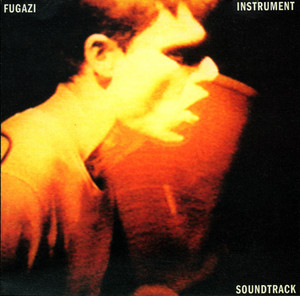
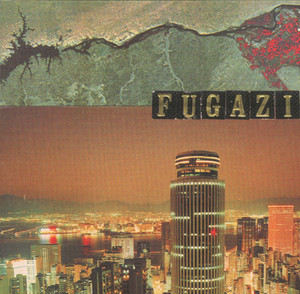
As the responsibilities of adulthood and outside musical involvements increased, Fugazi's recordings and tours became more sporadic during the latter half of the '90s. Both Red Medicine (1995) and End Hits (1998) were looser and more exploratory than the band's earliest recordings. Instrument (1999), a documentary video directed by Jem Cohen, was released with an accompanying soundtrack and included live performances and interviews. The soundtrack featured demos, jams, and incidental cutting-room scraps. Fugazi's sixth proper album, The Argument (2001), was simultaneously issued with the three-song Furniture EP.
Outside Fugazi, both MacKaye and Picciotto helped other bands with production. MacKaye continued to operate <a href="spotify:search:label%3A%22Dischord%22">Dischord</a>, and <a href="spotify:artist:1sbo1L9XfmgiWMFsL5xNjf">Lally</a> began his own label, <a href="spotify:search:label%3A%22Tolotta%22">Tolotta</a>. Picciotto also ventured into filmmaking. Though they never officially disbanded, Fugazi remained dormant as the years spun on. MacKaye toured and recorded more with <a href="spotify:artist:0D20qC9WhCXDlPBFZf7cmP">the Evens</a>, his band with Amy Farina. In 2011, <a href="spotify:search:label%3A%22Dischord%22">Dischord</a> launched the Fugazi Live Series, an online archive that grew to house recordings of various qualities of every one of the group's more than 1,000 shows. When the series reached its goal of complete documentation of Fugazi's live work, <a href="spotify:search:label%3A%22Dischord%22">Dischord</a> marked the end of the phase with the 2014 release of First Demo, a remastered issue of the band's previously unreleased ten-song demo recording from 1988.
In 2026, more unreleased Fugazi material emerged with the release of Albini Sessions (Benefit for Letters Charity). The album was a long-shelved recording of songs that became the band's third LP, In on the Killtaker, recorded in Chicago in November of 1992 by <a href="spotify:artist:52ZFTGbQ9miWMX8JYBvtOO">Steve Albini</a>. ~ Andy Kellman, Rovi
Monthly Listeners
1.2 million
Monthly Listeners History
Track the evolution of monthly listeners over the last 28 days.
Followers
766,970
Followers History
Track the evolution of followers over the last 28 days.
Total Streams
499.2 million
Total Streams History
Track the evolution of total streams over the last 28 days. This data is calculated from all tracks listed in the artist's discography.
Top Cities
23,258 listeners

17,688 listeners

17,375 listeners
17,049 listeners
13,614 listeners

Related Artists



Butthole Surfers