Data may be outdated
Last updated: 7 months ago — Click refresh to get the latest statistics.
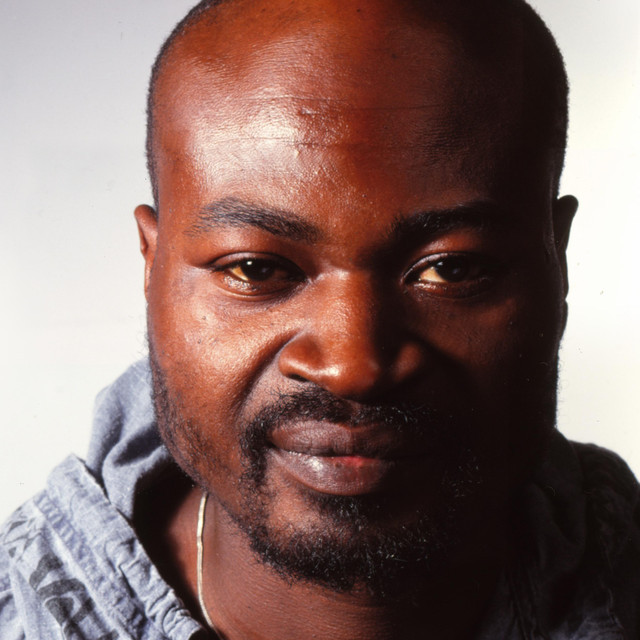
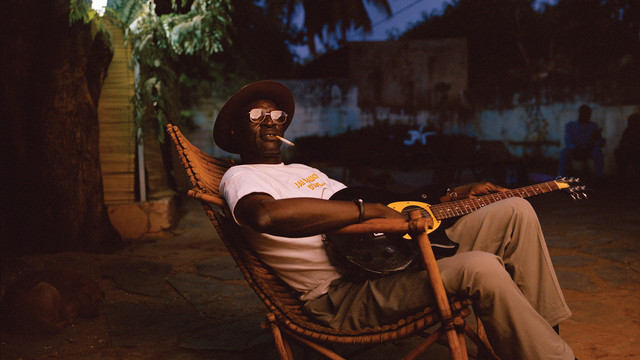
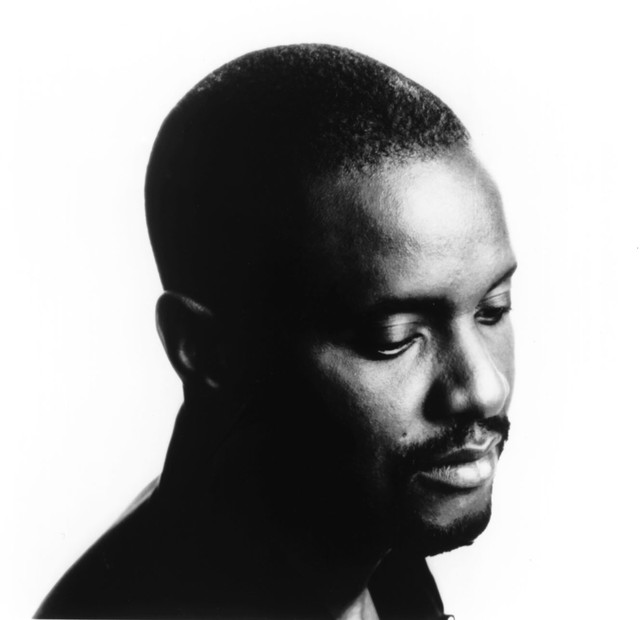
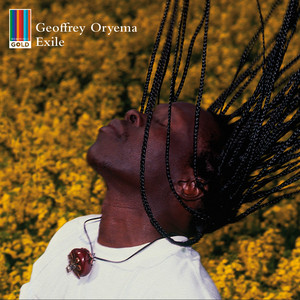
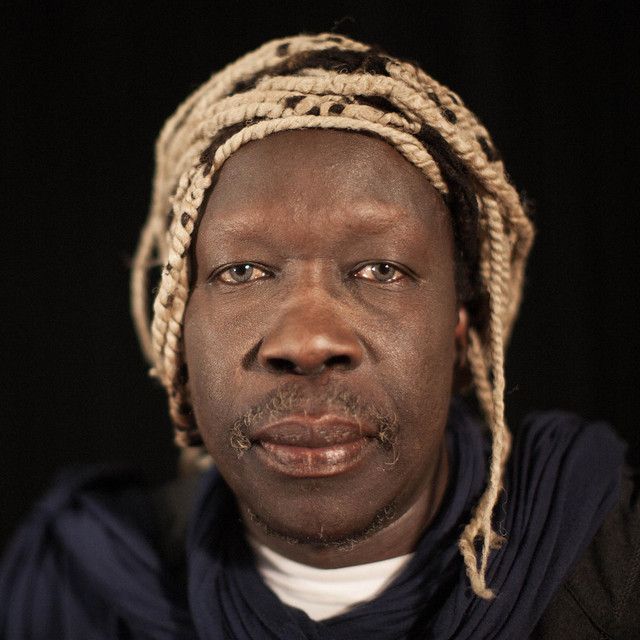
In the early '80s, Paris was Africa central, at least as far as music went. But it was the Africa of the dancefloor, given a quick studio spit-and-polish with synthesizers and drum machines -- all very far from the more introspective musicality of Oryema's songs. However, he persisted, becoming influenced as much by rock & roll as anything else, eventually creating a shimmering kind of strongly rooted African pop which attracted the Real World label. He was paired with producer <a href="spotify:artist:7MSUfLeTdDEoZiJPDSBXgi">Brian Eno</a> for Exile, which was very much the curate's egg -- good in parts, especially Oryema's parts, but too atmospheric elsewhere. With that under his belt, he began to play the WOMAD international circuit of world music festivals, returning to the studio for 1993's Beat the Border, where his lush melodies and open-voiced singing created a lush whole. Four years later came the third album, Night to Night, which was decidedly more Western in its influences, melding Africa, Europe, and the U.S. into a whole (in part thanks to producer <a href="spotify:artist:5S0AJvE9NB1kGrXRfYh690">Daniel Lanois</a>), without dilution of any of the strands. Now based in the French province of Normandy, he continued to live quietly, releasing Spirit in 2000. ~ Chris Nickson, Rovi
Monthly Listeners
165,410
Monthly Listeners History
Track the evolution of monthly listeners over the last 28 days.
Followers
55,025
Followers History
Track the evolution of followers over the last 28 days.
Total Streams
54.5 million
Total Streams History
Track the evolution of total streams over the last 28 days. This data is calculated from all tracks listed in the artist's discography.