Data may be outdated
Last updated: 7 months ago — Click refresh to get the latest statistics.
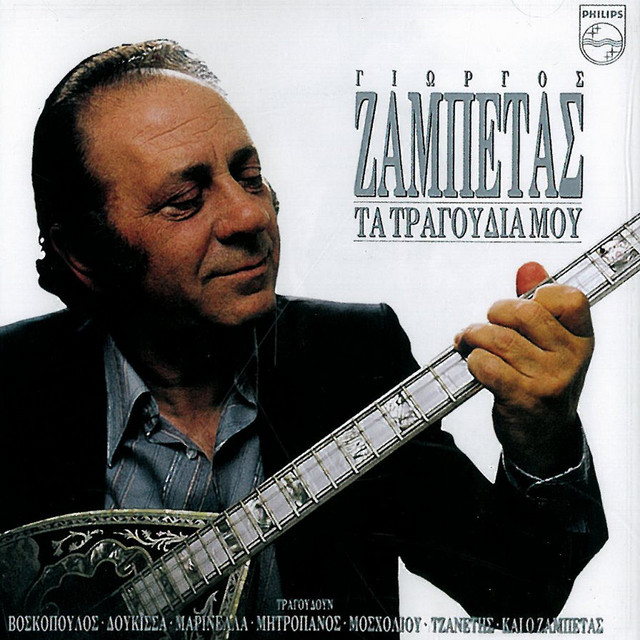
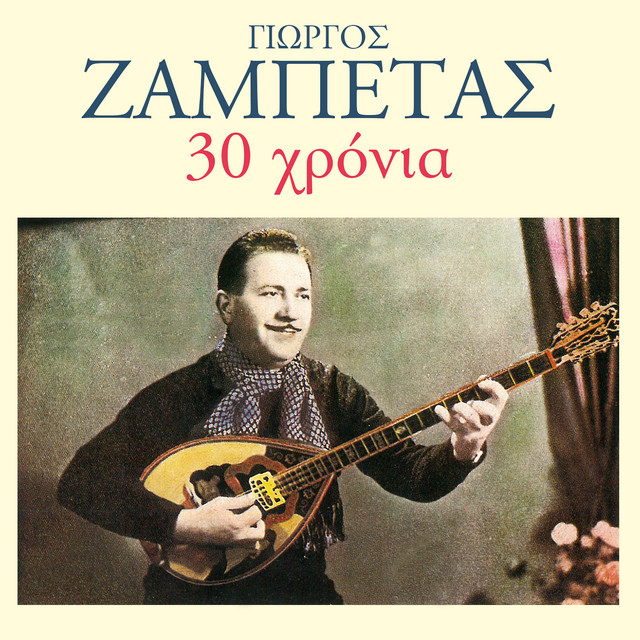
Giorgos Zampetas was a composer and singer, but most of all one of the most outstanding soloists on the bouzouki, with the most distinctive sound. Zampetas was born on January 25, 1925, in Athens. He was the son of Mihalis Zampetas (a barber) and Marika Moraiti. From a very young age he showed a great interest in music and started secretly playing his father's bouzouki while helping him in his barber shop, and as a result he was punished -- because the father didn't want his son to be a musician. However, at the age of seven Giorgos won his first prize in a school music competition. In 1940 his family moved to Aigaleo and Zampetas created a special bond with this city, where he lived for the rest of his life. Zampetas started playing at clubs in 1950 and in 1952 wrote his first song, "San Simera San Simera," for <a href="spotify:artist:608YVfFFHk2ta9OKBfYQQx">Prodromos Tsaousakis</a>. During the mid-'50s he composed many songs, with most lyrics written by Haralampos Vasileiadis for prominent singers, including "Vatheia Stin Thallasa tha Peso" for Stelios Kazantidis, "Eirtha Ki'apopse Sta Skalopatia Sou" for <a href="spotify:artist:28USfFjF3uqXEaH07S52vf">Panos Tzanetis</a>, and "Na Pas Na Peis Stin Mana Mou" for <a href="spotify:artist:1q27MdlcKoC9JqCBFy1HX4">Poly Panou</a>. He also composed two big hits he sang himself: "O Arapis" and "O Pio Kalos o Mathitis." By this time Zampetas was known as one of the best bouzouki players, thanks to his amazing playing.
In 1959 <a href="spotify:artist:4epy8uB6icBmTU3VoMwVzG">Manos Hadjidakis</a> offered Zampetas the bouzouki soloist role for his recordings. During the following years Zampetas participated in many sessions, enriching the songs of <a href="spotify:artist:58EvYFzDGAQOmBpIOxujnj">Mikis Theodorakis</a>, <a href="spotify:artist:0upv3byr3DqJF5gYZcntAj">Stavros Xarhakos</a>, <a href="spotify:artist:4IzL5tjOupRP7jCyAmYvBP">Yannis Markopoulos</a>, <a href="spotify:artist:7emTBOtoCY4wkakcYrJ21I">Mimis Plessas</a>, and many other composers with his playing. In the '60s he reached the peak of his career, appearing in the biggest clubs of the time, touring throughout America and Europe, and composing many hit songs for the burgeoning Greek cinema. Zampetas also wrote music for more than 100 movies, including Kokkina Fanaria, Lola, and many others; he composed many songs for theatrical plays as well. During this decade Zampetas developed his characteristic playing style, marking his songs as unique and recognizable even to the present day, distinguished for their melodic introductions and lyrical expression. Many prominent songs of Greek music were written during this period, and Zampetas worked with the most significant lyricists of the time, such as Pythagoras, Alekos Kagiantas, Kwstas Pretenteris, Leyteris Papadopoulos, Dimitris Tzefronis, Nikos Bakogiannis, Eutyxia Papagiannopoulou, and Charalampos Vasileiadis-Tsantas. Other collaborators included the poet Dimitris Christodoulou and top director and scriptwriter Alekos Sakellarios.
The songs of Giorgos Zampetas elevated many now famous singers like Xaris Alexiou, Viky Mosxoliou, <a href="spotify:artist:1mZFVxRgAeVl9xKES2z0vp">Tolis Voskopoulos</a>, <a href="spotify:artist:4u5yrM5jlC3iviSQQXcMCK">Marinella</a>, <a href="spotify:artist:3xqrfI4xL7FnBawAoiOTxe">Dimitris Mitropanos</a>, and <a href="spotify:artist:6RTaV5nZWyOxWWHkvDlrV4">Stamatis Kokotas</a>, among others. In the '70s he changed his music style and began composing mainly satirical songs -- including such hits as "O Thanasis," "O Penintaris," and "Malista Kyrie" -- and once again Zampetas had a major impact on the Greek music scene. He also wrote music for a number of films during the decade. In the '80s the music genre that had brought Zampetas to prominence began to decline, and as a result he faced difficulties with recording companies. Unfortunately, his career was on the decline and so was he. He died March 10, 1992, at the age of 67 after a long illness, and his death signaled the end of an era, as all the bouzouki greats were now gone. After his death, recording companies began rediscovering his songs and releasing many of them in new versions. ~ Panagiotis Mantzaridis, Rovi
In 1959 <a href="spotify:artist:4epy8uB6icBmTU3VoMwVzG">Manos Hadjidakis</a> offered Zampetas the bouzouki soloist role for his recordings. During the following years Zampetas participated in many sessions, enriching the songs of <a href="spotify:artist:58EvYFzDGAQOmBpIOxujnj">Mikis Theodorakis</a>, <a href="spotify:artist:0upv3byr3DqJF5gYZcntAj">Stavros Xarhakos</a>, <a href="spotify:artist:4IzL5tjOupRP7jCyAmYvBP">Yannis Markopoulos</a>, <a href="spotify:artist:7emTBOtoCY4wkakcYrJ21I">Mimis Plessas</a>, and many other composers with his playing. In the '60s he reached the peak of his career, appearing in the biggest clubs of the time, touring throughout America and Europe, and composing many hit songs for the burgeoning Greek cinema. Zampetas also wrote music for more than 100 movies, including Kokkina Fanaria, Lola, and many others; he composed many songs for theatrical plays as well. During this decade Zampetas developed his characteristic playing style, marking his songs as unique and recognizable even to the present day, distinguished for their melodic introductions and lyrical expression. Many prominent songs of Greek music were written during this period, and Zampetas worked with the most significant lyricists of the time, such as Pythagoras, Alekos Kagiantas, Kwstas Pretenteris, Leyteris Papadopoulos, Dimitris Tzefronis, Nikos Bakogiannis, Eutyxia Papagiannopoulou, and Charalampos Vasileiadis-Tsantas. Other collaborators included the poet Dimitris Christodoulou and top director and scriptwriter Alekos Sakellarios.
The songs of Giorgos Zampetas elevated many now famous singers like Xaris Alexiou, Viky Mosxoliou, <a href="spotify:artist:1mZFVxRgAeVl9xKES2z0vp">Tolis Voskopoulos</a>, <a href="spotify:artist:4u5yrM5jlC3iviSQQXcMCK">Marinella</a>, <a href="spotify:artist:3xqrfI4xL7FnBawAoiOTxe">Dimitris Mitropanos</a>, and <a href="spotify:artist:6RTaV5nZWyOxWWHkvDlrV4">Stamatis Kokotas</a>, among others. In the '70s he changed his music style and began composing mainly satirical songs -- including such hits as "O Thanasis," "O Penintaris," and "Malista Kyrie" -- and once again Zampetas had a major impact on the Greek music scene. He also wrote music for a number of films during the decade. In the '80s the music genre that had brought Zampetas to prominence began to decline, and as a result he faced difficulties with recording companies. Unfortunately, his career was on the decline and so was he. He died March 10, 1992, at the age of 67 after a long illness, and his death signaled the end of an era, as all the bouzouki greats were now gone. After his death, recording companies began rediscovering his songs and releasing many of them in new versions. ~ Panagiotis Mantzaridis, Rovi
Monthly Listeners
69,969
Monthly Listeners History
Track the evolution of monthly listeners over the last 28 days.
Followers
34,700
Followers History
Track the evolution of followers over the last 28 days.
Top Cities
22,297 listeners

9,436 listeners
3,743 listeners
2,382 listeners
2,136 listeners

Related Artists

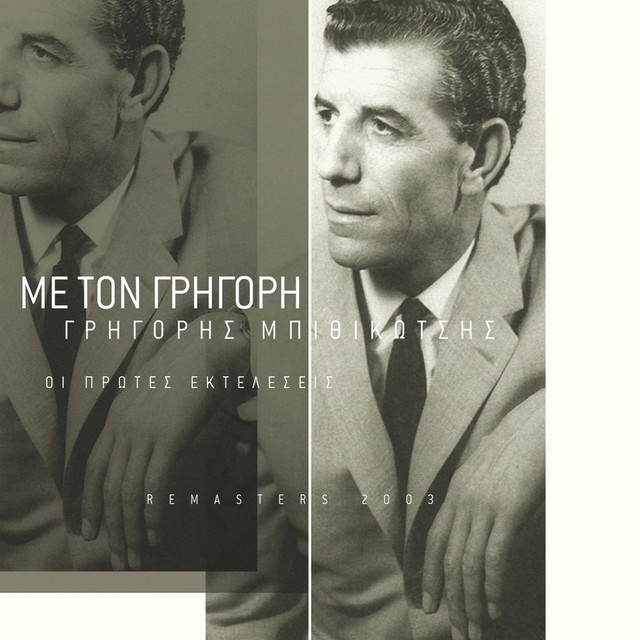
Grigoris Bithikotsis
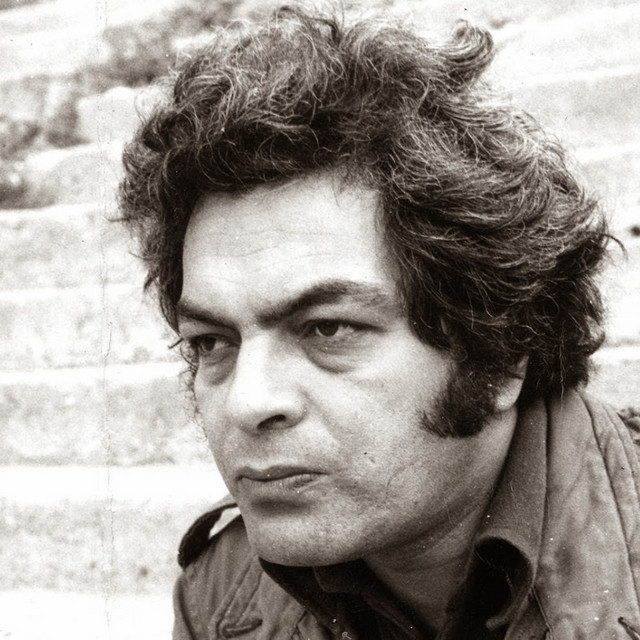

Manolis Mitsias
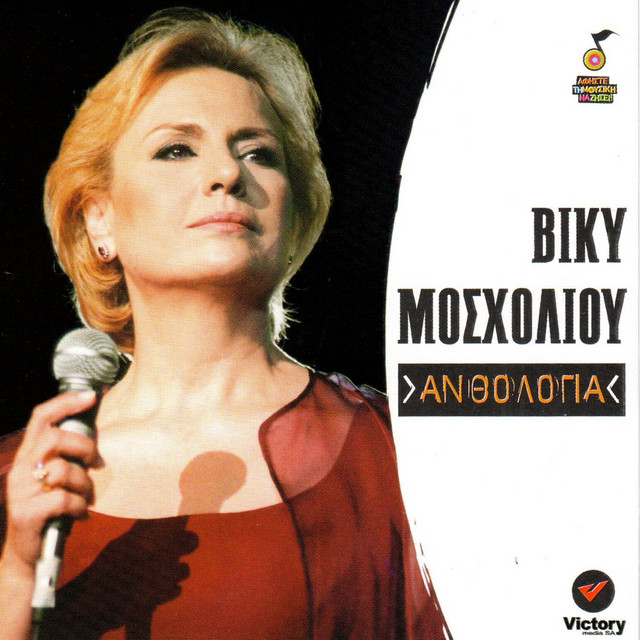
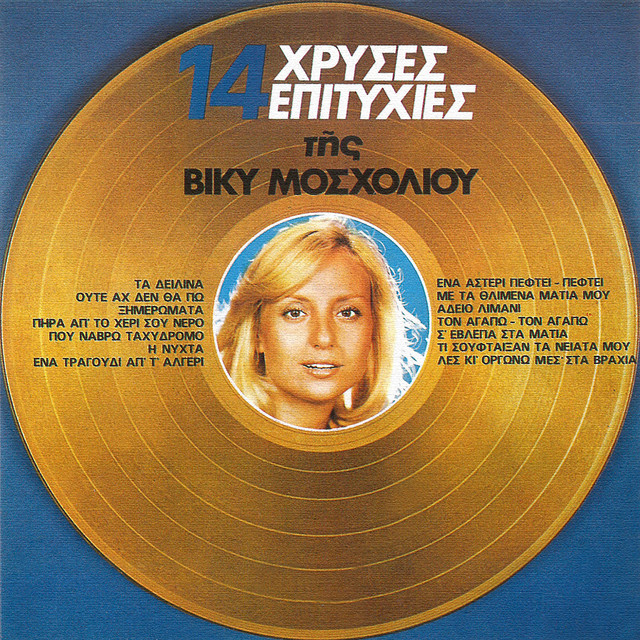
Viky Moscholiou
Panos Gavalas
Poly Panou
Antonis Kalogiannis



Mihalis Violaris
Giorgos Zabetas

Babis Tsertos

Giannis Spanos

Ilias Andriopoulos

Spiros Zagoreos
Giorgos Sarris

Giota Lidia

Giannis Vogiatzis
Mary Chronopoulou