Data may be outdated
Last updated: 9 months ago — Click refresh to get the latest statistics.
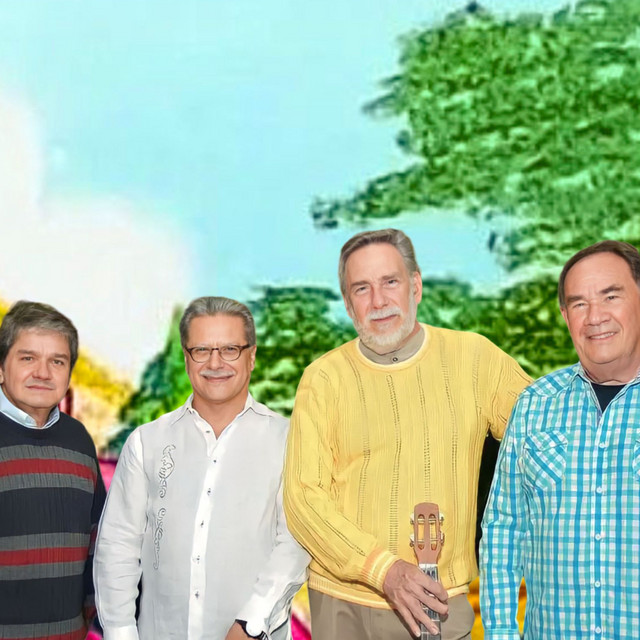
Gran Coquivacoa is one of the great gaita/tamborera groups to emerge from Maracaibo in the Zulian State of Venezuela. Though their personnel has evolved over nearly 50 years, they have remained true to the roots of the pipe music tradition and have also broadened their sound to embrace salsa, merengue, and vallenato. The band was founded in 1968 by Jesús "Bocachico" Petit, Nelson Suárez, Rody Tigrera, Pedro Mavarez, Pedro Arteaga, and Manolo Salazar to play Christmas gaitas. In 1969, they recruited Nelson Martinez as lead singer; his reputation as "The Black Saint of the Gaita" is well-deserved. He brought additional members including drummers Pedro Arteaga, Jacinto Rivas, and Arcadio Charity, and Lao Yagua. This generation of the group followed in the tradition of <a href="spotify:artist:1ilPCPLdwKDEbCPtYJLpWv">Cardenales del Éxito</a>, born seven years earlier, but they quickly established an individual identity due to the strong rhythmic invention of their new drummers and the compositions of Martinez.
In 1971, already quite popular on the local scene, they broke the gaita gender barrier by recording the hit "Golpe Curarigueño," with female vocalist Nílida Gutierrez. Their singles and subsequent albums, including El Gaitón del Diablo, Fiesta Santoral, and the now-legendary Los Reyes de la Tamborera in 1974, began hitting the charts. The band's reputation spread and they ruled the gaita scene throughout the '70s and '80s. In 1975, Jesús Borjas "Neguito" Urdaneta joined the group and shared lead vocal and songwriting duties with Martinez. Hit albums included their self-titled offering in 1977 and Libertad (1978). In the '80s, Martinez was invited by Super Combo los Tropicales to be their songwriter and arranger. When he left, Neguito brought in his brothers Oscar and <a href="spotify:artist:18XmUXIdn2LGQSk4nSuBbC">Beto Borjas</a>; he became the de facto leader of Gran Coquivacoa, as well as its lead vocalist and composer. The group's success continued with Catira de la Guaira (1984), La Maquina del Sabor (1989), Alegrando Corazones (1996), and Unplugged (Desenchufao) and Por Siempre Gaitas (both in 1999).
While the changing nature of the Venezuelan scene in the 21st century leaned toward a renewal of interest in pop vallenato, Gran Coquivacoa's meld of gaita, salsa, and merengue remained strong in both their releases and their performances -- they also added more traditional vallenato rhythms to their sound. They toured all over South America, the Caribbean, and Mexico. Standout albums from the 2000s include Energía Universal, En Alta Vibración (2002), Guerreros de la Luz (2003), Madre Tierra (2008), and Neguito y Sus Invitado (2011), as well as many live recordings and compilations. The group has experienced a new interest from Europeans and Americans with the latest remastered reissue of Los Reyes de la Tamborera, which is considered a global classic. ~ Thom Jurek, Rovi
In 1971, already quite popular on the local scene, they broke the gaita gender barrier by recording the hit "Golpe Curarigueño," with female vocalist Nílida Gutierrez. Their singles and subsequent albums, including El Gaitón del Diablo, Fiesta Santoral, and the now-legendary Los Reyes de la Tamborera in 1974, began hitting the charts. The band's reputation spread and they ruled the gaita scene throughout the '70s and '80s. In 1975, Jesús Borjas "Neguito" Urdaneta joined the group and shared lead vocal and songwriting duties with Martinez. Hit albums included their self-titled offering in 1977 and Libertad (1978). In the '80s, Martinez was invited by Super Combo los Tropicales to be their songwriter and arranger. When he left, Neguito brought in his brothers Oscar and <a href="spotify:artist:18XmUXIdn2LGQSk4nSuBbC">Beto Borjas</a>; he became the de facto leader of Gran Coquivacoa, as well as its lead vocalist and composer. The group's success continued with Catira de la Guaira (1984), La Maquina del Sabor (1989), Alegrando Corazones (1996), and Unplugged (Desenchufao) and Por Siempre Gaitas (both in 1999).
While the changing nature of the Venezuelan scene in the 21st century leaned toward a renewal of interest in pop vallenato, Gran Coquivacoa's meld of gaita, salsa, and merengue remained strong in both their releases and their performances -- they also added more traditional vallenato rhythms to their sound. They toured all over South America, the Caribbean, and Mexico. Standout albums from the 2000s include Energía Universal, En Alta Vibración (2002), Guerreros de la Luz (2003), Madre Tierra (2008), and Neguito y Sus Invitado (2011), as well as many live recordings and compilations. The group has experienced a new interest from Europeans and Americans with the latest remastered reissue of Los Reyes de la Tamborera, which is considered a global classic. ~ Thom Jurek, Rovi
Monthly Listeners
572,566
Monthly Listeners History
Track the evolution of monthly listeners over the last 28 days.
Followers
101,548
Followers History
Track the evolution of followers over the last 28 days.
Top Cities

Related Artists

Amor y Gaita

Los Cardenales Del Exito
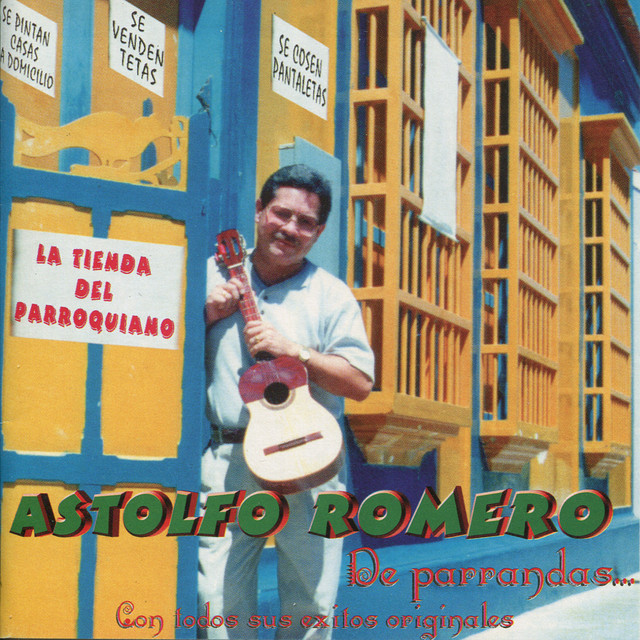

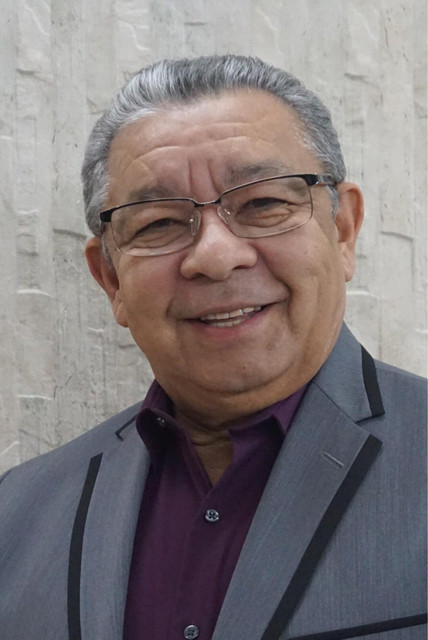
Ricardo Cepeda




Los Colosales De Ricardo Cepeda
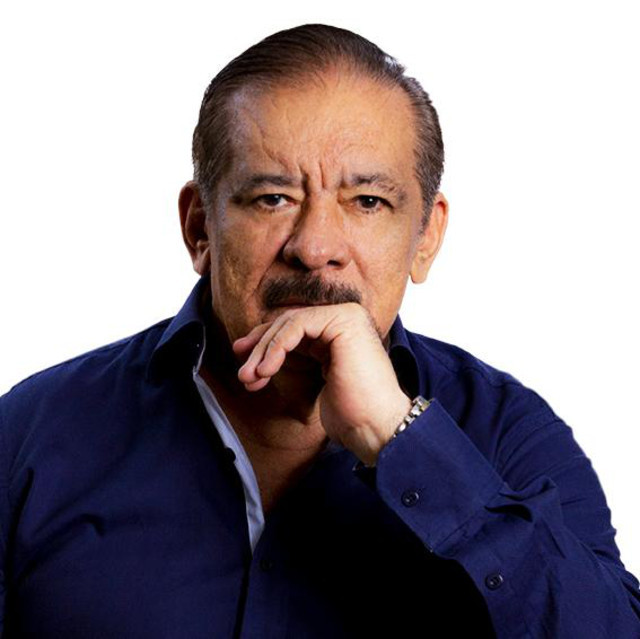
Alitasia

Birimbao

VHG

Venezuela de Luz

Los Morillo

Los Chiquinquireños

Barrio Obrero de Cabimas

Cardenales Del Exito

Agrupacion Gaitera

Maragaita

Venezuela Habla Gaiteando
La Parranda Gaitera
Huascar Barradas


Los Turpiales

Hugo Liscano

Melody Gaita