Data may be outdated
Last updated: 9 months ago — Click refresh to get the latest statistics.
Had Hans May been born 40 years earlier, he likely would have been at the center of Viennese operetta's golden age. As it was, the Vienna-born May made his name with a string of successful songs in the 1920s in the shadow of older contemporaries such as <a href="spotify:artist:3O3SOoPYtUSjajTdIag0nT">Lehár</a> and Kalman. May was best known in the 1920s for his songs, but he also found a career writing music for the accompaniment of silent films in Berlin. With the advent of sound films, he served as music director and composer on several early-'30s operetta-based movies. May left Germany in the mid-'30s and was based for a time in Paris, but by 1937 was working in England, initially onscreen operetta adaptations and light comedies. In 1939, he successfully moved into more serious subject matter when he scored the drama The Stars Look Down. May's next major screen credit was for Thunder Rock (1942), a fantasy/drama about World War II that became a favorite of critics and enhanced the career of everyone associated with it. By 1944, May was employed by The Rank Organisation, the largest film production company in England. He scored a string of prominent films, including the mystical romance Madonna of the Seven Moons (1944), the period costume potboiler The Wicked Lady (1945), the melodrama Bedelia (1946), and the crime drama Brighton Rock (1947). His past in operetta was also called upon for the 1945 production Waltz Time, a very thinly veiled variation on the plot of Die Fledermaus, co-starring <a href="spotify:artist:3i3fzCE5RlDGN5HSshHe4B">Richard Tauber</a>, in which May appeared onscreen as a gypsy troubadour. Amid his film work, May continued writing songs, several of which were recorded by <a href="spotify:artist:3i3fzCE5RlDGN5HSshHe4B">Tauber</a>, among others. May later turned to writing for the stage, collaborating with <a href="spotify:artist:0AnLy9jbqMMQCdkJzoeO6j">Eric Maschwitz</a> on Carissima, which ran for a year in London in 1948-1949. His film work continued through the early '50s and May also collaborated with Vera Caspary on Wedding in Paris (1954), which enjoyed a one-year run in London with Anton Walbrook in the lead. He scored one German-made movie in the late '50s, but by then his music was considered outdated and his services were in decreasing demand. He died in Beaulieu, France, in the early hours of January 1, 1959. His best-known songs include Break of Day, Il est un chant d'amour, and Ich liebe, du liebst, er liebt, and his work has been recorded by a string of legendary singers, beginning with <a href="spotify:artist:43b8wK1So3syezEsWCfafs">Joseph Schmidt</a>.
Monthly Listeners
2,427
Monthly Listeners History
Track the evolution of monthly listeners over the last 28 days.
Followers
109
Followers History
Track the evolution of followers over the last 28 days.
Top Cities


Related Artists
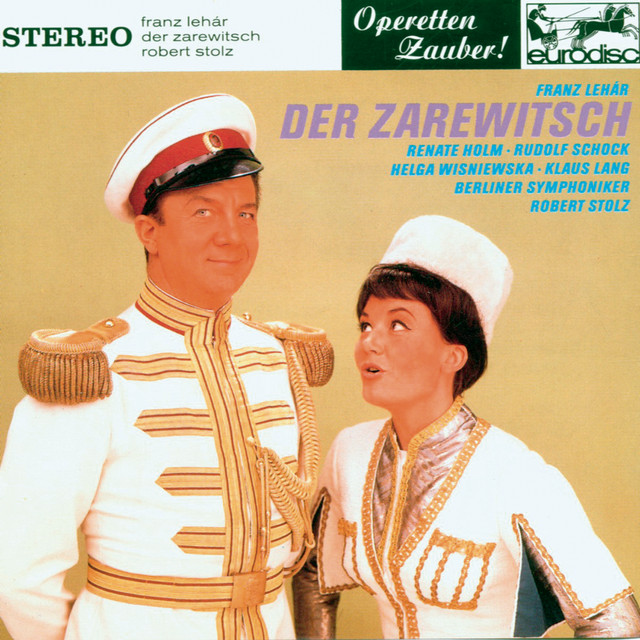

Rudolf Schock
Wiener Operettenorchester

Johannes Fehring
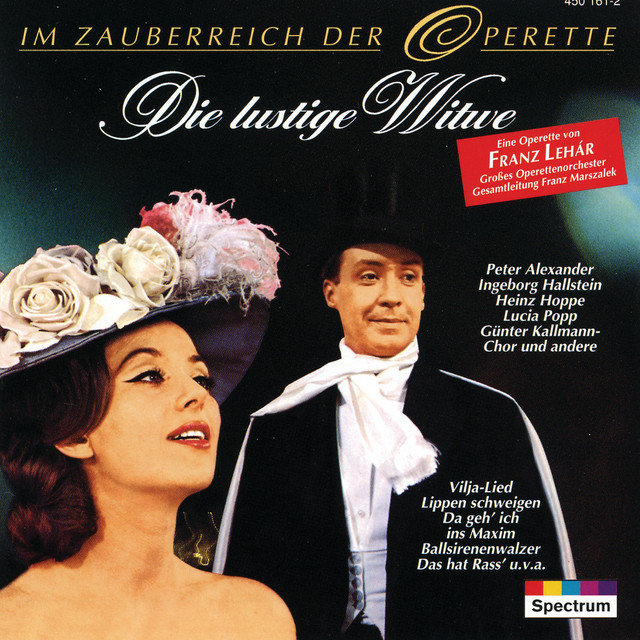
Heinz Hoppe

Rudolf Schock

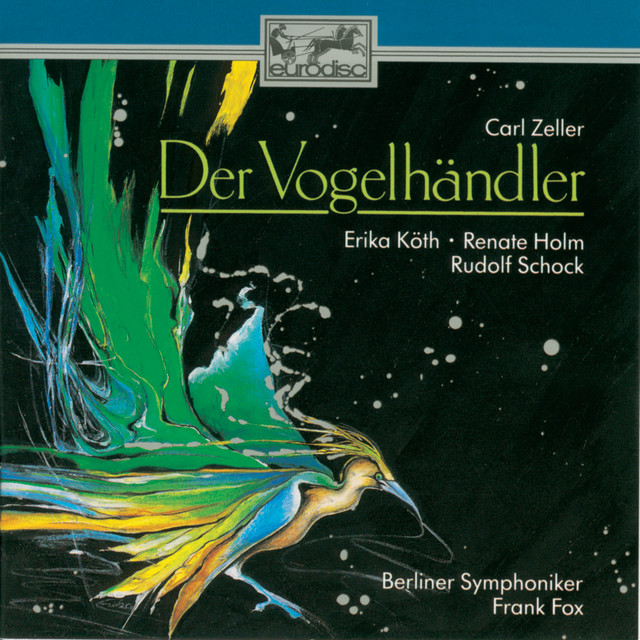
Frank Fox
Ralph Benatzky

Werner Schmidt-Boelcke
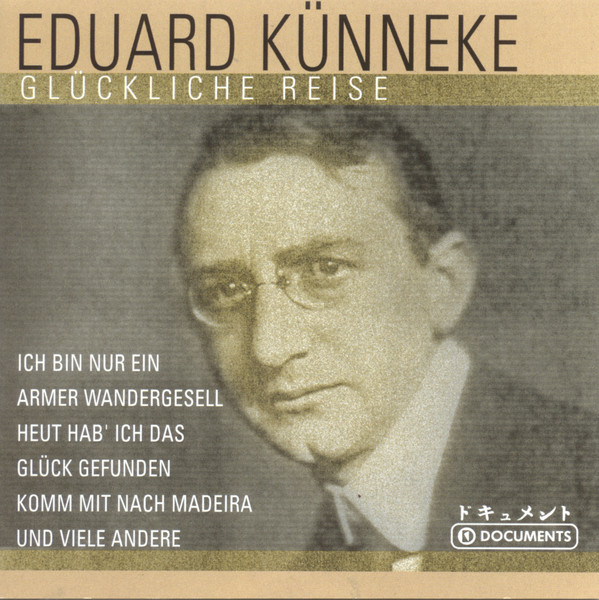
Eduard Künneke
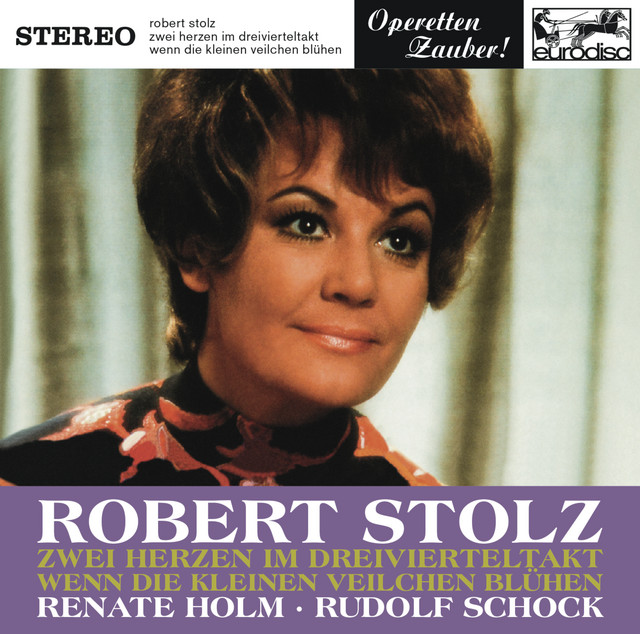
Melitta Muszely
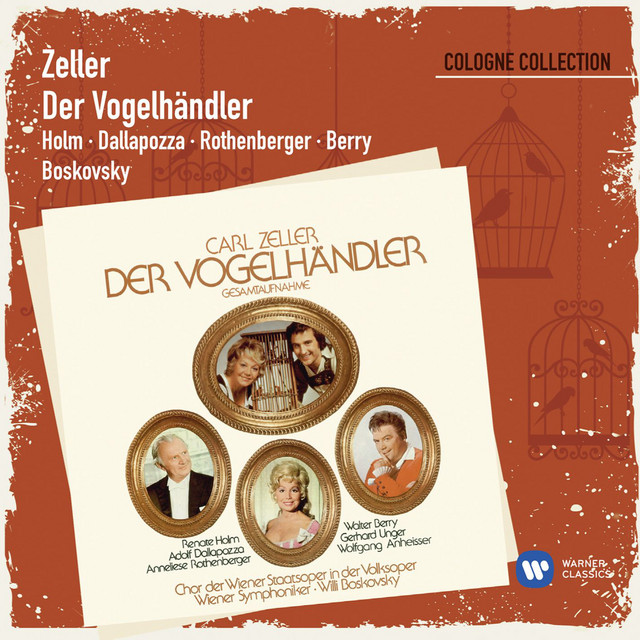
Carl Zeller
Joseph Schmidt
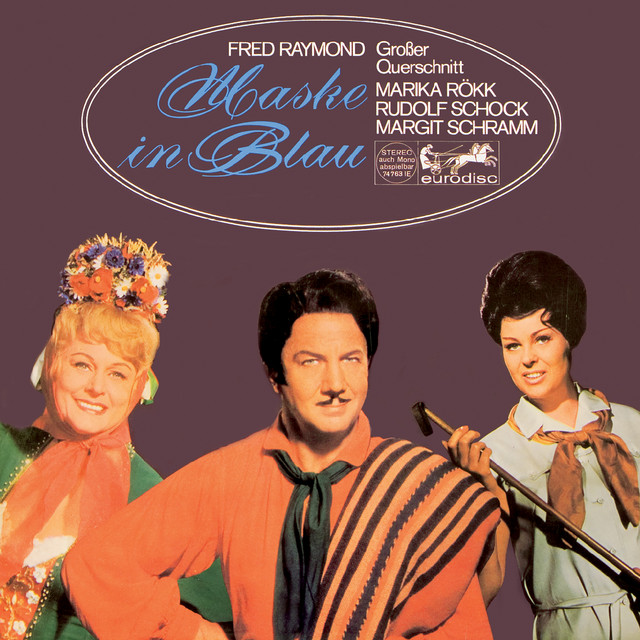
Fred Raymond
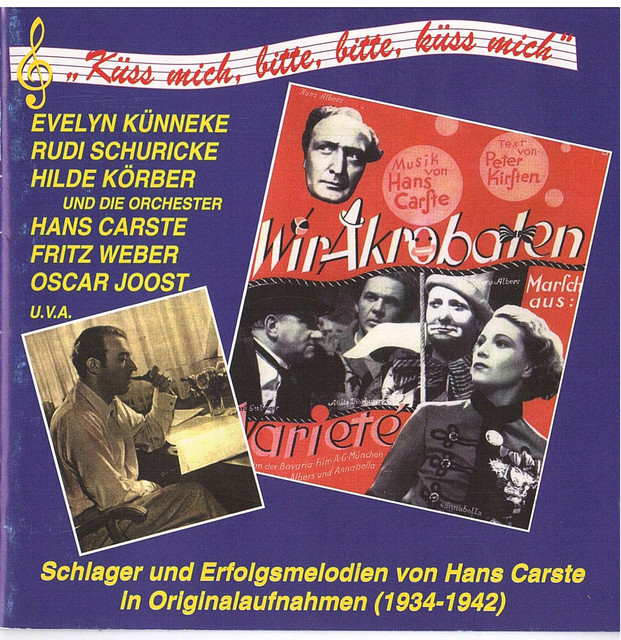

Kölner Rundfunkorchester

Staatliches Wiener Volksopernorchester
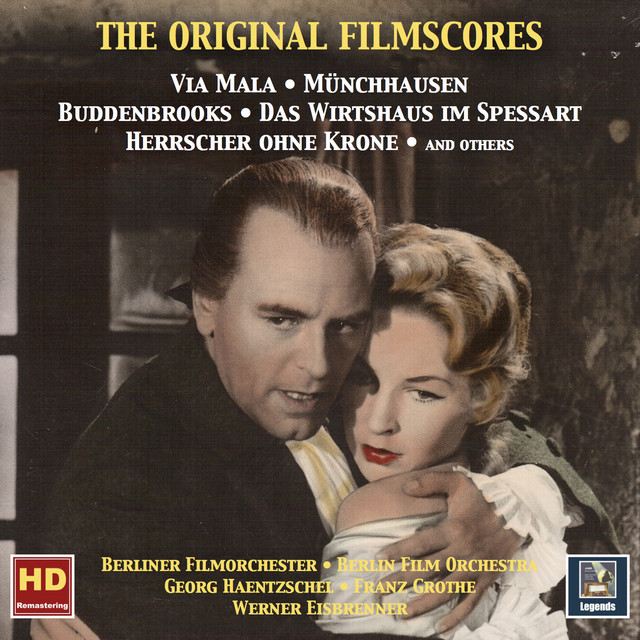
Werner Eisbrenner
Christine Görner

Richard Tauber

Gerhard Winkler
Brigitte Mira

Grosses Orchester mit Chor und Solisten
Werner R. Heymann
Friedl Loor
Dagmar Koller