Data may be outdated
Last updated: 9 months ago — Click refresh to get the latest statistics.
<a href="spotify:artist:43ALJ7f05UjHhBn4HOGYMN" data-name="Jako Maron">Jako Maron</a> (Réunion)
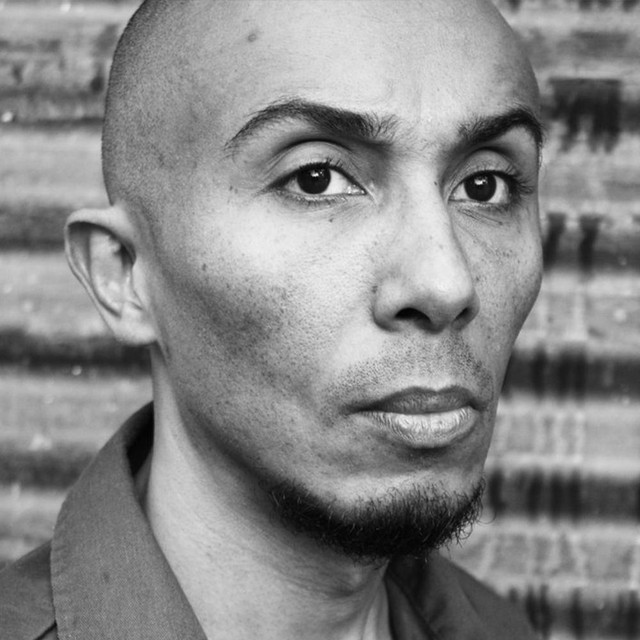
<a href="spotify:artist:43ALJ7f05UjHhBn4HOGYMN" data-name="Jako Maron">Jako Maron</a> was born in St Denis, Réunion Island in 1968. He developed an interest in electronic music composition from the late 90’s and for the last 15 years began experimenting with the tertiary and binary beats of Maloya music via modular synthesis and drum machines. This album compiles for the first time his electro-Maloya experiments.
Traditional Maloya described the songs, music and dances of slaves of sugar plantations of Réunion Island in the 17th Century – Maloya ceremonies paid tribute to ancestors and mediated between the living and the dead. The music and culture began to be more widely accepted by Réunionese society from the 1930s as folklorist Georges Fourcade began to play Maloya songs. By the ‘50s, Maloya tracks were appearing on 78rpm releases and, in the ‘60s, it was used as a form of cultural protest music. In the mid-‘70s, a new generation began exploring new directions in the music, using Créole language and may different styles of Maloya music emerged. <a href="spotify:artist:43ALJ7f05UjHhBn4HOGYMN" data-name="Jako Maron">Jako Maron</a> explores the full spectrum of these styles through his electronic re-interpretations of his native lands music. You can find a result of this approach on the Nyege Nyege tapes release "<a href="spotify:album:4h0dDC1guZTWLV03nar8q8" data-name="The Electro Maloya Experiments of Jako Maron">The Electro Maloya Experiments of Jako Maron</a>” released in 2018.
<a href="spotify:artist:43ALJ7f05UjHhBn4HOGYMN" data-name="Jako Maron">Jako Maron</a> was born in St Denis, Réunion Island in 1968. He developed an interest in electronic music composition from the late 90’s and for the last 15 years began experimenting with the tertiary and binary beats of Maloya music via modular synthesis and drum machines. This album compiles for the first time his electro-Maloya experiments.
Traditional Maloya described the songs, music and dances of slaves of sugar plantations of Réunion Island in the 17th Century – Maloya ceremonies paid tribute to ancestors and mediated between the living and the dead. The music and culture began to be more widely accepted by Réunionese society from the 1930s as folklorist Georges Fourcade began to play Maloya songs. By the ‘50s, Maloya tracks were appearing on 78rpm releases and, in the ‘60s, it was used as a form of cultural protest music. In the mid-‘70s, a new generation began exploring new directions in the music, using Créole language and may different styles of Maloya music emerged. <a href="spotify:artist:43ALJ7f05UjHhBn4HOGYMN" data-name="Jako Maron">Jako Maron</a> explores the full spectrum of these styles through his electronic re-interpretations of his native lands music. You can find a result of this approach on the Nyege Nyege tapes release "<a href="spotify:album:4h0dDC1guZTWLV03nar8q8" data-name="The Electro Maloya Experiments of Jako Maron">The Electro Maloya Experiments of Jako Maron</a>” released in 2018.
Monthly Listeners
1,292
Monthly Listeners History
Track the evolution of monthly listeners over the last 28 days.
Followers
2,288
Followers History
Track the evolution of followers over the last 28 days.
Top Cities
60 listeners

48 listeners
36 listeners
29 listeners

24 listeners
Related Artists


HIIIT


Takkak Takkak
Nicolas Gaunin

Metal Preyers


Le Frit

8ULENTINA
Compilation
Cloud Management

Merchants
NZE NZE

ayaz
Micha Volders

Pouya Ehsaei

Daisy Ray
My Jazzy Child

Dave Schoepke
Roma Vjazemski

Fracatso

Ciccio & 2mo

Malesa

Oï les Ox
HUUUM