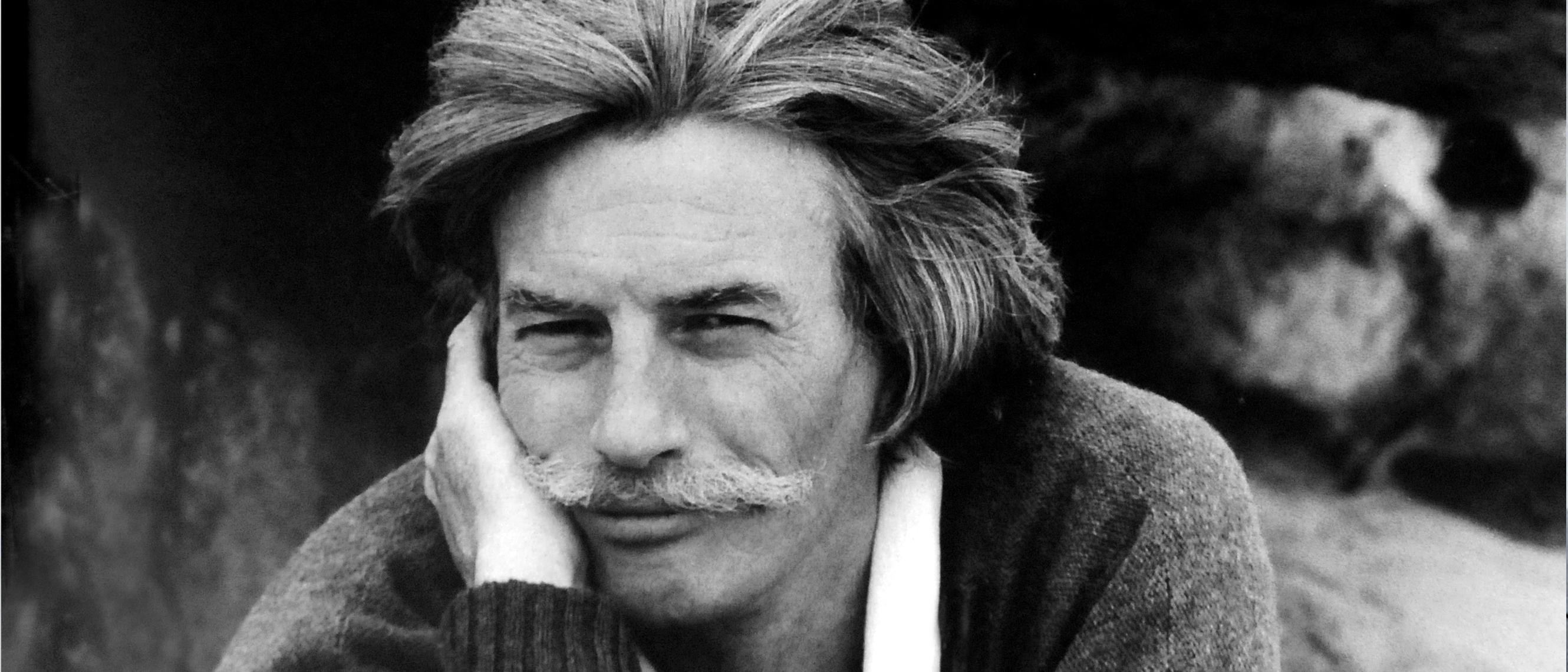
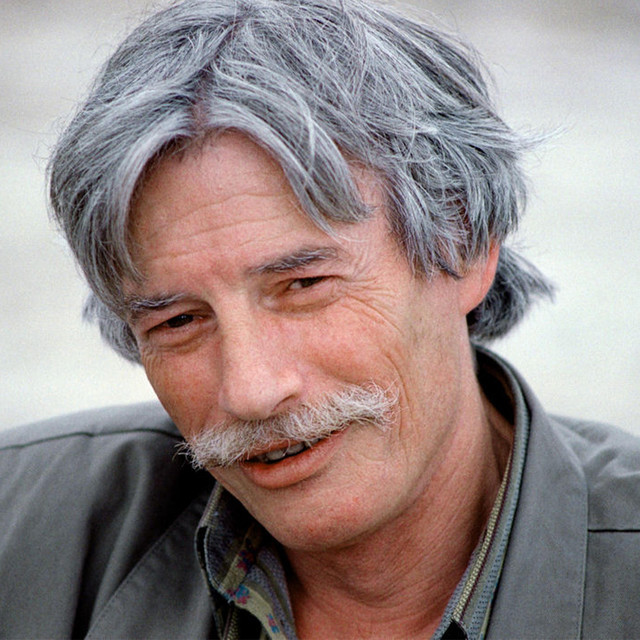
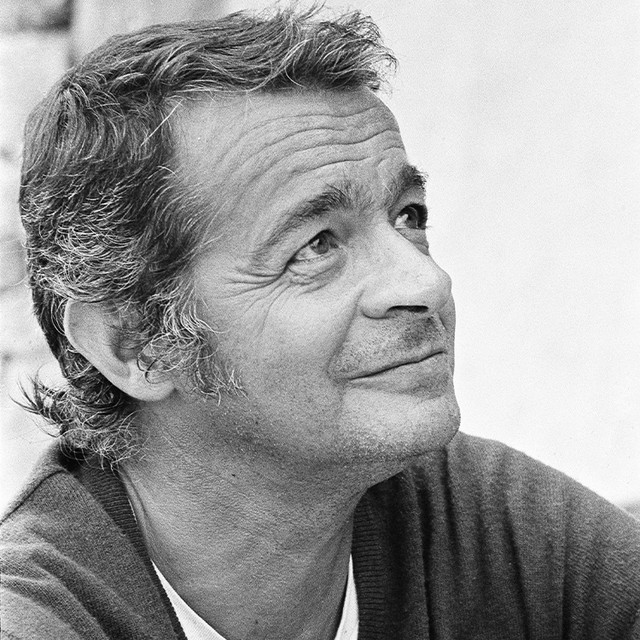
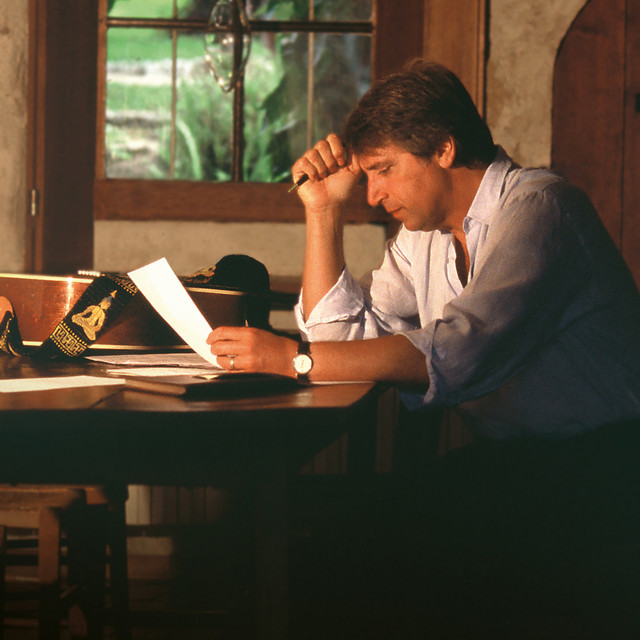
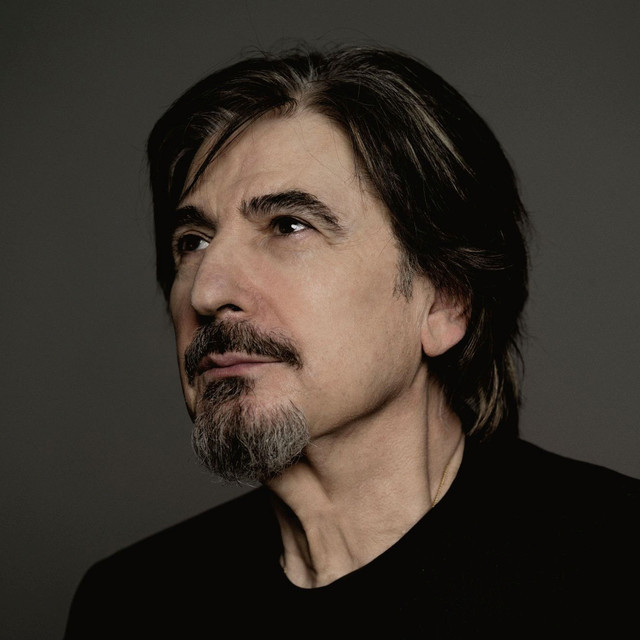
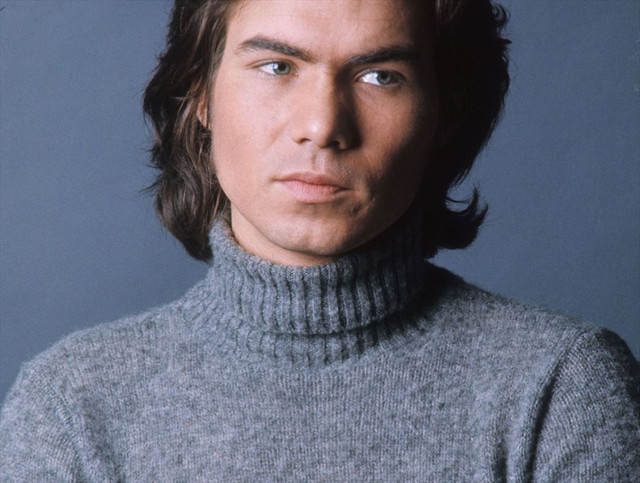
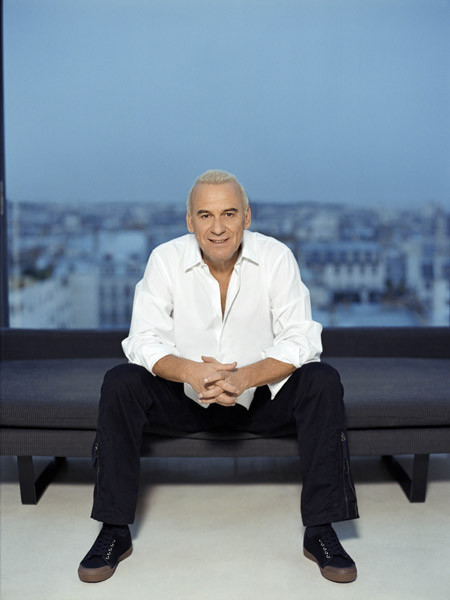
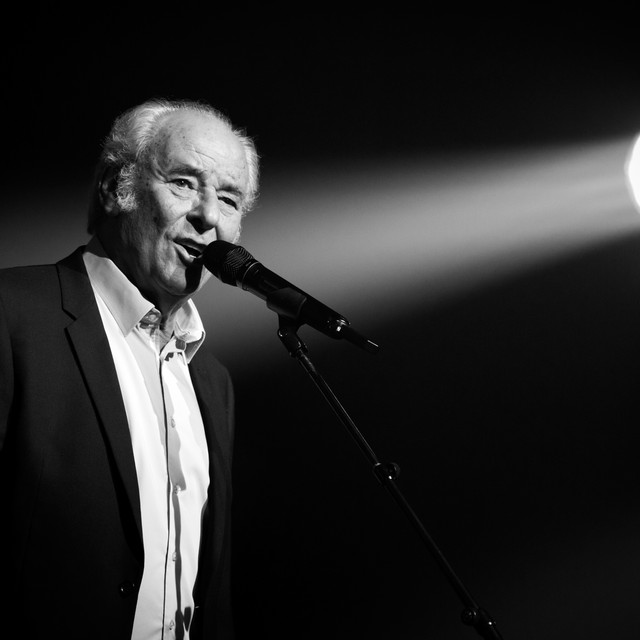
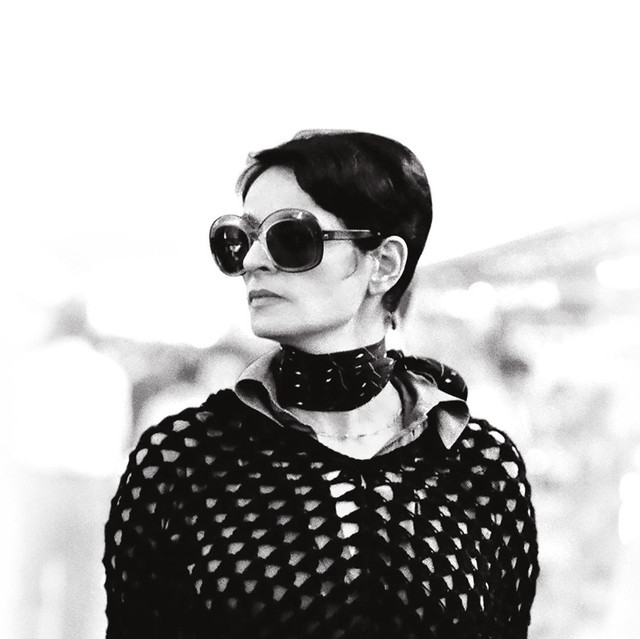
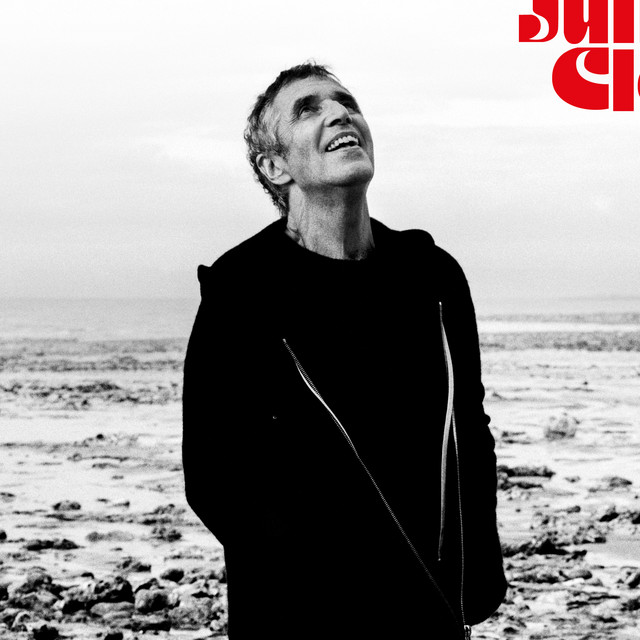
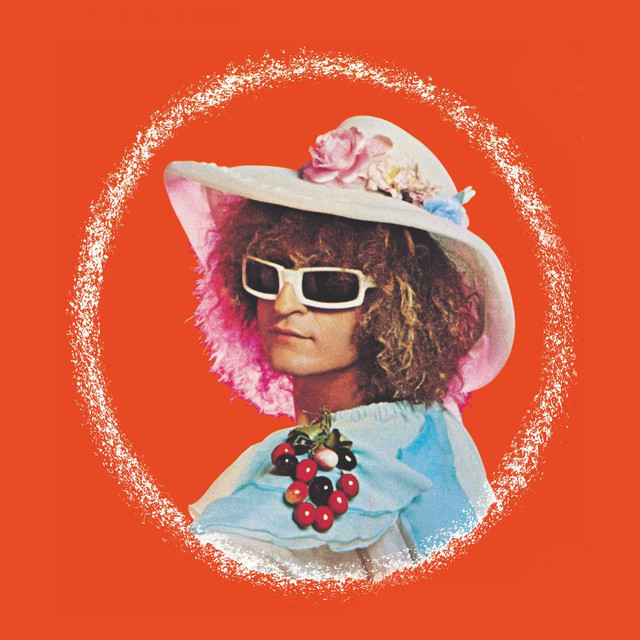
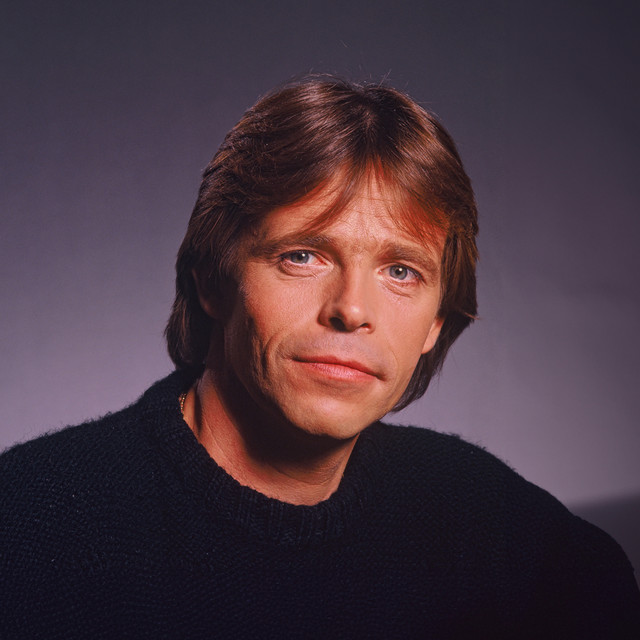
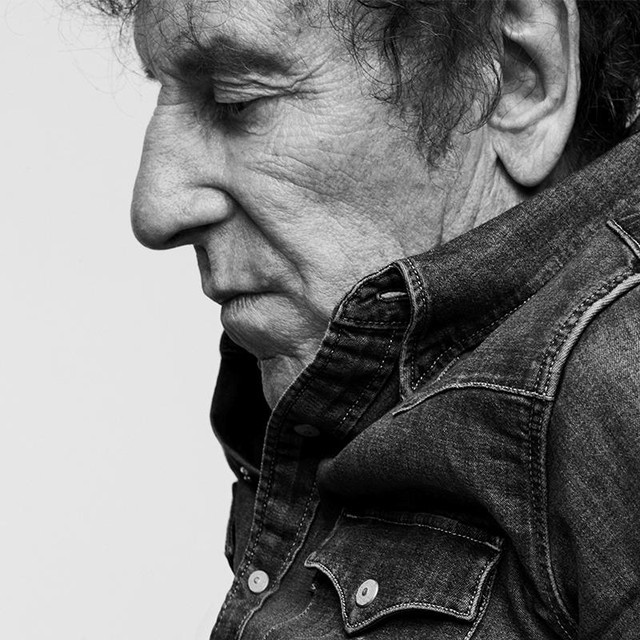
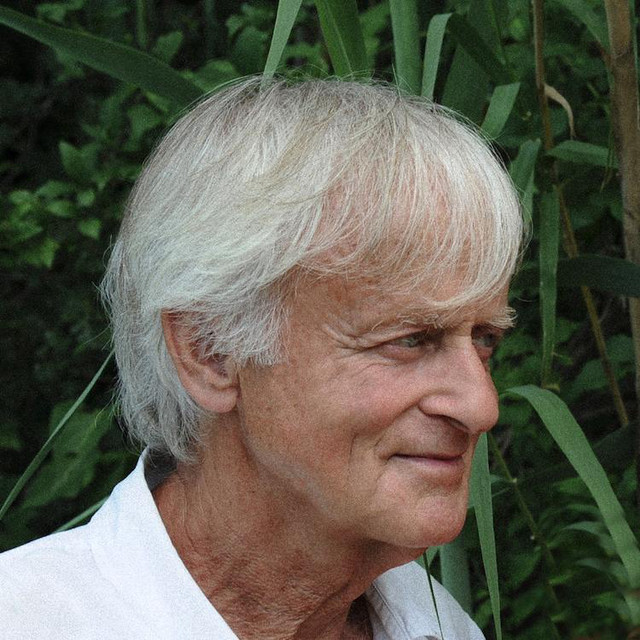
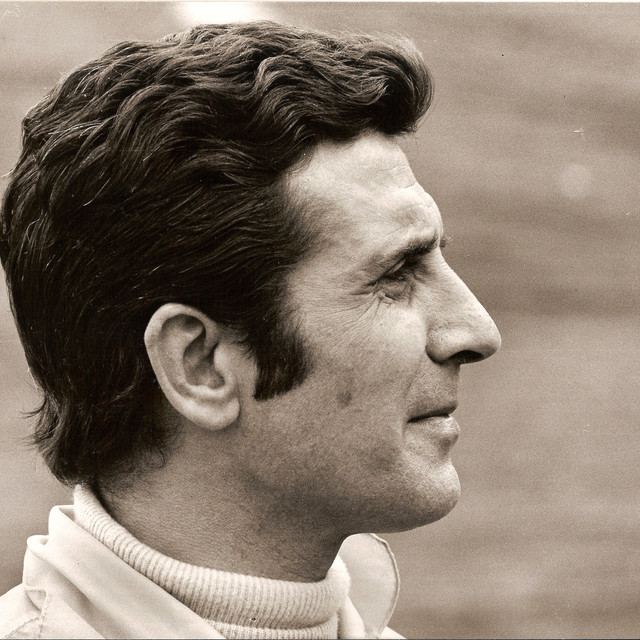
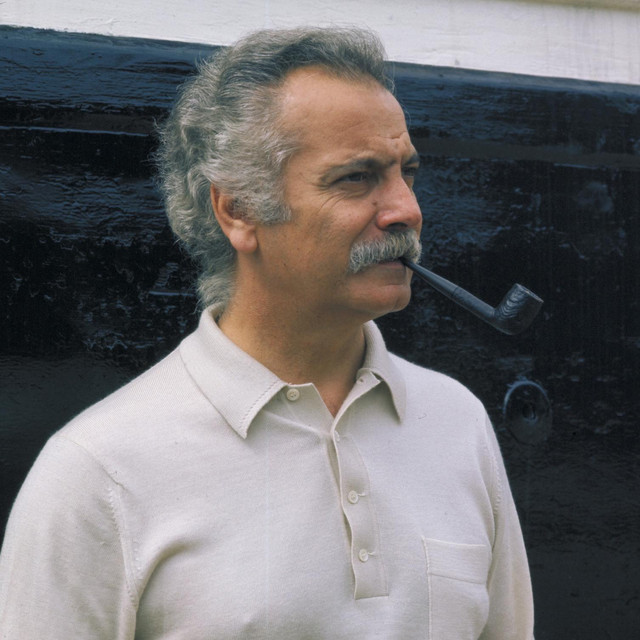
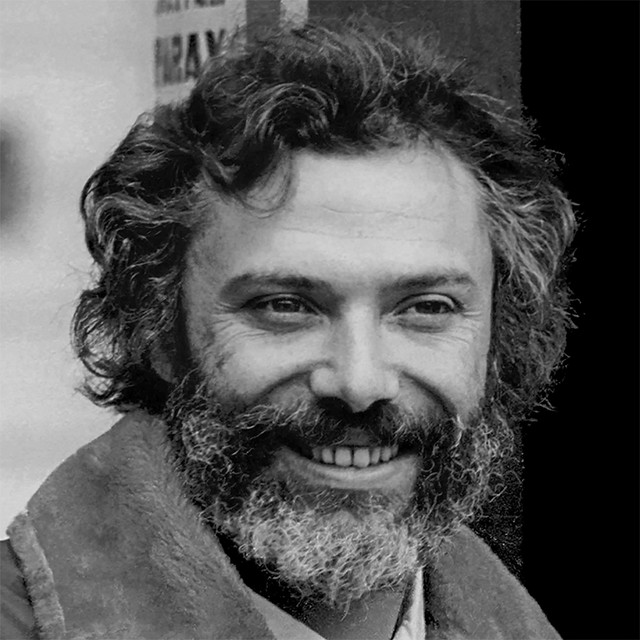
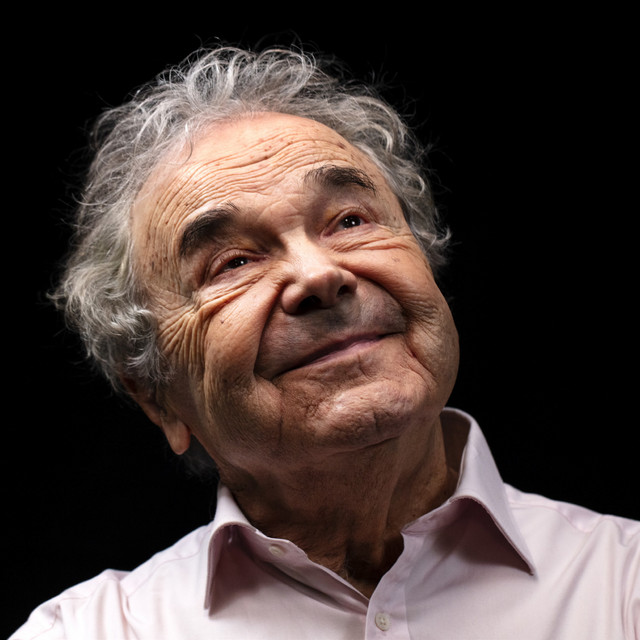
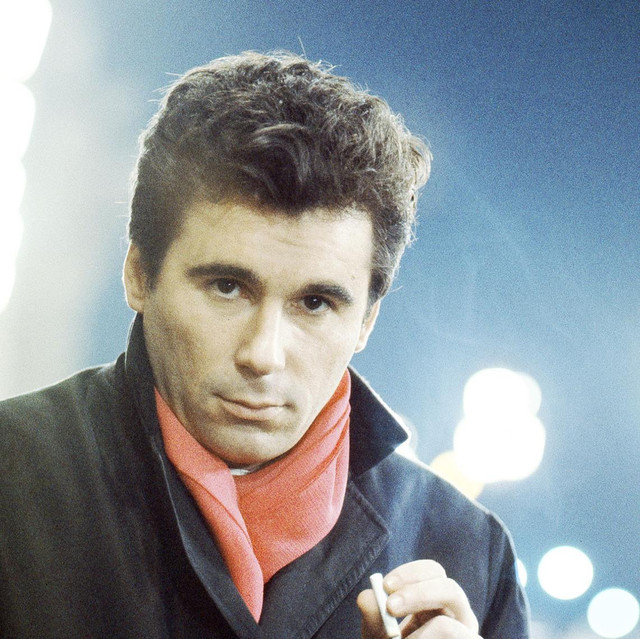
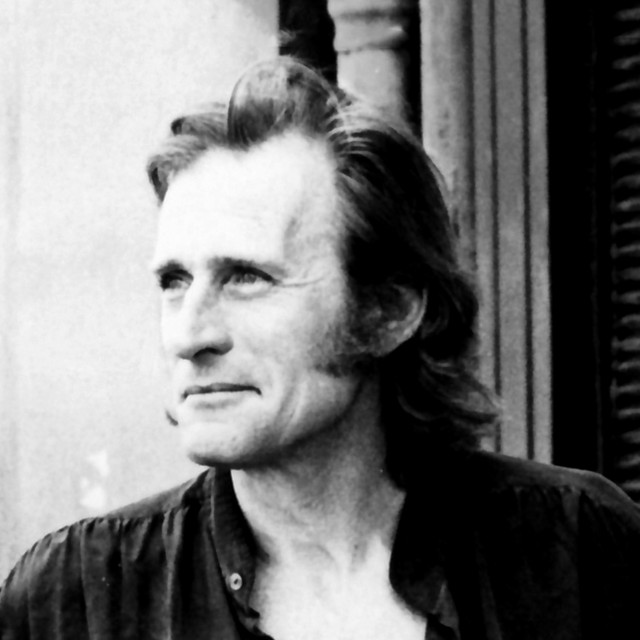
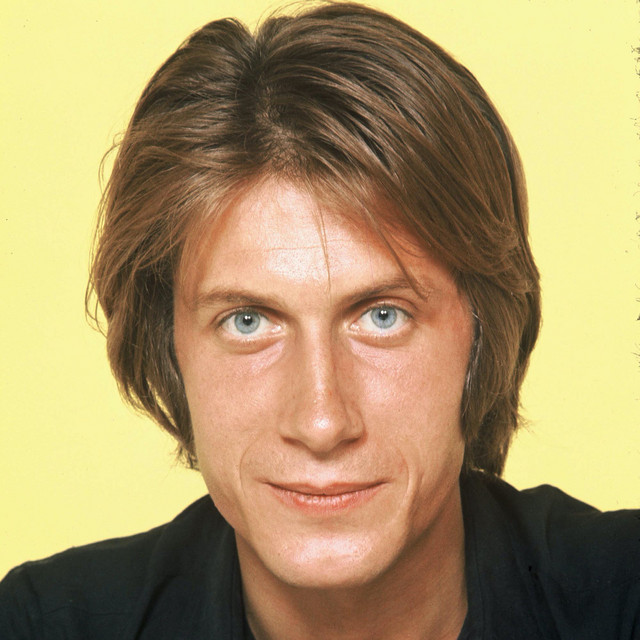
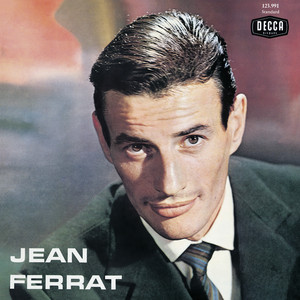
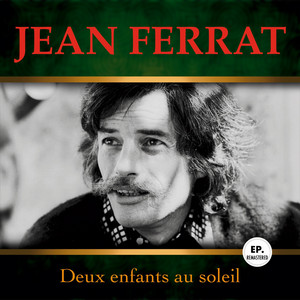
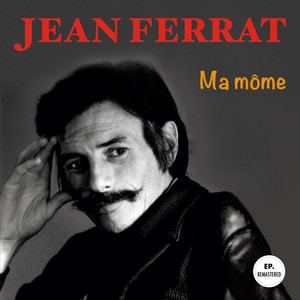
Jean Ferrat was a French singer, songwriter, and poet who enjoyed a long if sometimes controversial career with his passionate songs of love and Leftist politics. Ferrat was born Jean Tenenbaum in Vaucresson, Hauts-de-Seine, on December 26, 1930, the last of four children. His father, a Russian Jew, was a jeweler who relocated the family to Versailles in 1935, but in 1942 he was captured by Axis forces and sent to Auschwitz, where he was executed less than a week later. Young Jean was hidden by Communist members of the French resistance and survived the war; in 1945 he dropped out of school to go to work and help support the family as a chemist's assistant. But he had developed a keen interest in both poetry and performing, and he began playing guitar with a jazz combo, writing songs, and acting with a small theater company. After adopting the stage name Jean Laroche, he began performing as a solo act, and adapted <a href="spotify:artist:5l8vrbOpBD1RG9haLgVDal">Louis Aragon</a>'s poem "Les Yeux d'Elsa" into a song; when it became a hit for singer <a href="spotify:artist:4n4RdfgcU5TMI6ZL9LhRVV">André Claveau</a> in 1956, it gave the recently renamed Jean Ferrat a major career boost, and he was signed to a record contract in 1958. Ferrat's debut single was a commercial failure, but after forming a partnership with publisher and musical director Gerard Meys, he enjoyed much greater success with 1960's "Ma Mome," and Ferrat soon became a star. Ferrat's songs openly dealt with his political concerns; his 1963 single "Nuit et Brouillard" (Night and Fog) was a meditation on the Holocaust and its consequences, while a number of his other tunes dealt with the struggle of the working class, and he was an outspoken supporter of Fidel Castro, writing a number about him called "Cuba Si." (Ferrat was just as willing to criticize the Soviet Union for its misdeeds, and "Bilan" was a song attacking the failures of the USSR.) Despite the media's hesitancy toward his more controversial material, Ferrat enjoyed significant popular success through the 1960s, but he was never comfortable with performing live and withdrew from the concert stage in 1973. Living in the rural village of Antraigues, Ferrat published poetry, adapted the work of others and continued to write songs, periodically releasing new albums through the 1970s and '80s. His final album, another collection of musical adaptations of <a href="spotify:artist:5l8vrbOpBD1RG9haLgVDal">Aragon</a>'s poetry, was released in 1995. After a long illness, Ferrat died on March 13, 2010. ~ Mark Deming, Rovi