Data may be outdated
Last updated: 1 month ago — Click refresh to get the latest statistics.
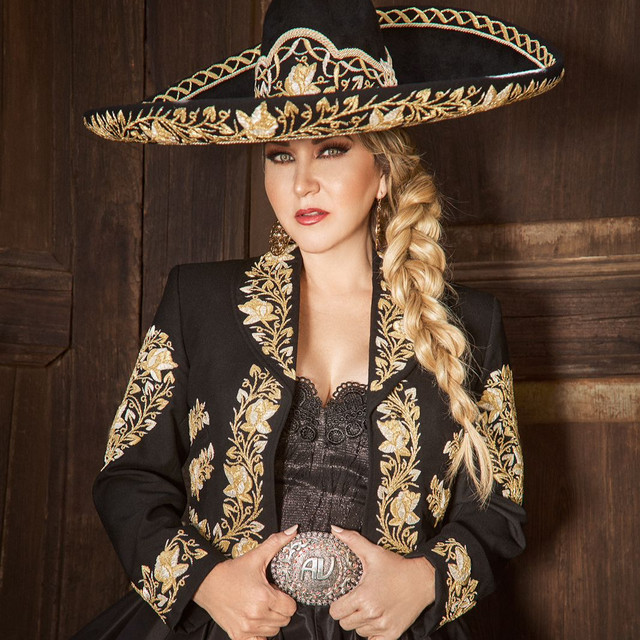
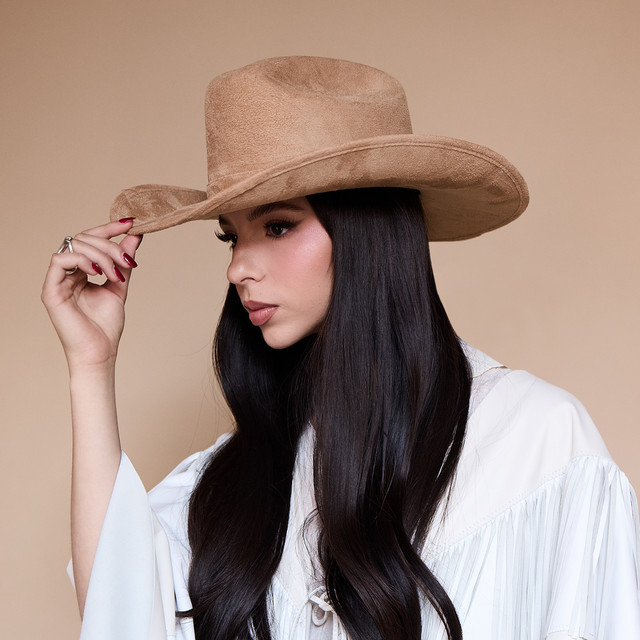
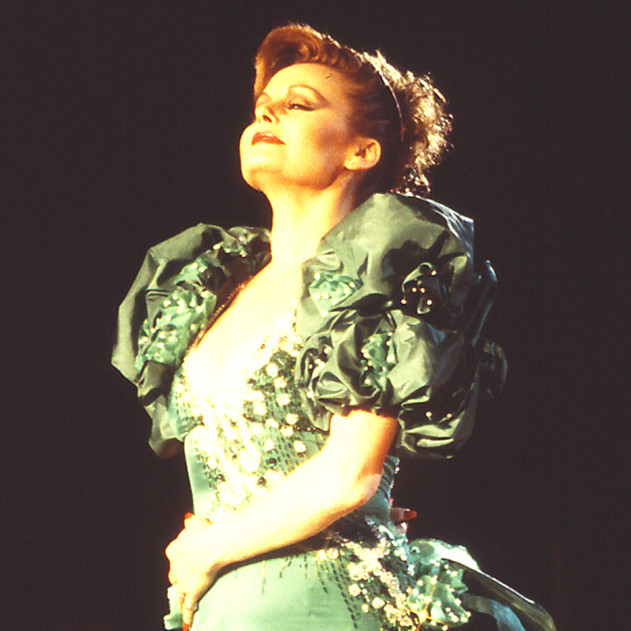
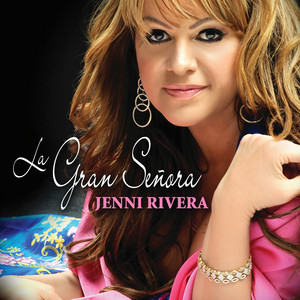
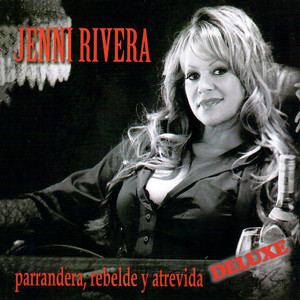
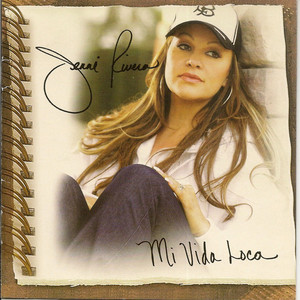
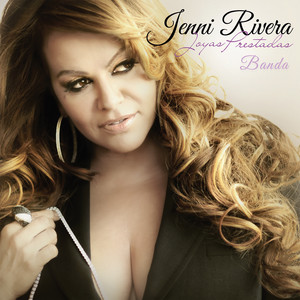
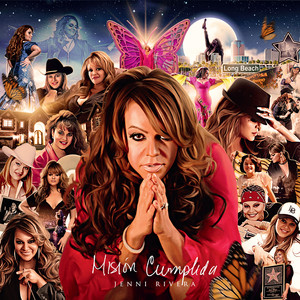
Although Rivera was of Mexican descent, she didn't actually grow up in Mexico. She was born and raised in Long Beach, California, the Los Angeles suburb that also gave us gangsta rap star <a href="spotify:artist:7hJcb9fa4alzcOq3EaNPoG">Snoop Dogg</a>. Rivera's parents had immigrated to the United States from Mexico, and she grew up speaking both English and Spanish fluently. Her father, <a href="spotify:artist:6w06M4MkjkZTR3KYRtknUE">Pedro Rivera</a>, and her brothers both played Mexican music, focusing on banda/corrido, norteño, and ranchero -- and they did a lot to encourage her interest in music. When Rivera got to college, however, she didn't major in music but rather, studied business administration. She went on to work as a real estate agent, although she kept her hand in music and helped her father run his record company. Working in real estate didn't prevent Rivera from pursuing a career in music, and around 1994, she signed with <a href="spotify:search:label%3A%22Capitol%22">Capitol</a>/EMI's Latin division; her first album, Chacalosa, came out in 1995. Rivera made a few more albums for <a href="spotify:search:label%3A%22Capitol%22">Capitol</a>/EMI (including Adios a Selena) before recording for Sony's Latin division in the late '90s.
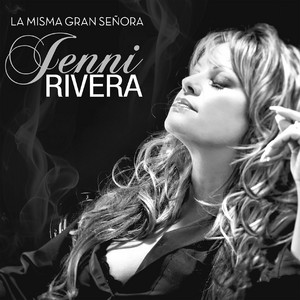
In 1999, Rivera signed with <a href="spotify:search:label%3A%22Fonovisa%22">Fonovisa</a>, one of the top labels in the regional Mexican market. Her first <a href="spotify:search:label%3A%22Fonovisa%22">Fonovisa</a> album, Que Me Entierren con la Banda (which contained the hit "Las Malandinas") came out in 1999, and was followed by early-2000s releases that included Dejate Amar (which included the hit "Querida Socia") and Se las Voy a Dar a Otro. In 2003, <a href="spotify:search:label%3A%22Fonovisa%22">Fonovisa</a> released the conceptual Homenaje a las Grandes, which may very well have been Rivera's most ambitious album to date. The title Homenaje a las Grandes means "homage to the great ones," and the 2003 release found Rivera paying tribute to famous Mexican female stars such as <a href="spotify:artist:2LYsttKhPVXOf7qD8kTCr1">Lucho Villa</a>, <a href="spotify:artist:0CZHGs5YoJggljCPh3a7bK">Mercedes Castro</a>, <a href="spotify:artist:2uyweLa0mvPZH6eRzDddeB">Rocio Durcal</a>, <a href="spotify:artist:0qZlB7IX5lWPhlxsayt31p">Lola Beltrán</a>, and <a href="spotify:artist:7Hf9AwMO37bSdxHb0FBGmO">Alejandra Guzmán</a>. Subsequent releases during the 2000s performed well in the charts, and Rivera earned several nominations for the Latin Grammys. She died suddenly and tragically, however, in December 2012, when a plane carrying her and members of her touring organization crashed in the mountains of northern Mexico. Fans mourned and celebrated her career, and several posthumous releases topped the charts, including the compilation La Misma Gran Señora and live sets such as the two-part 1969: Siempre, En Vivo Desde Monterrey and 1 Vida, 3 Historias: Despedida de Culiacán and 2016's audio-video document Paloma Negra Desde Monterrey. ~ Alex Henderson, Rovi
Monthly Listeners
6.6 million
Monthly Listeners History
Track the evolution of monthly listeners over the last 28 days.
Followers
5.5 million
Followers History
Track the evolution of followers over the last 28 days.
Total Streams
3.4 billion
Total Streams History
Track the evolution of total streams over the last 28 days. This data is calculated from all tracks listed in the artist's discography.