
Data may be outdated
Last updated: 9 months ago — Click refresh to get the latest statistics.
Johan Kvandal was among Norway's most prominent 20th century composers. He wrote music in a nationalist style that was influenced by contemporary composition later in his career, defining his harmonic world as one of modern tonality.
Kvandal was born on September 8, 1919, in Kristiania, Norway, now Oslo. His father, <a href="spotify:artist:5jmjgnf70SatHbwLgfLF29">David Monrad Johansen</a>, was a composer, and the family moved frequently, often spending time in a mountain valley anarchist community. Kvandal began composition lessons with <a href="spotify:artist:0Aa0y4YckuVyLI49SIxoUL">Geirr Tveitt</a> in 1937. In 1942, he traveled to Vienna for further study with <a href="spotify:artist:5S7ng3VLQQc1hgGl8MQyZ5">Joseph Marx</a>. Kvandal returned to Norway and earned a conducting degree from the Oslo Conservatory in 1947, going on for an organ degree in 1951. His early works, such as the Norwegian Overture, Op. 7 (1951), showed the influence of Norwegian folk music. Kvandal moved to Paris in 1952, studying there with <a href="spotify:artist:1vfC2bld90kx966JTCSwf7">Nadia Boulanger</a> and becoming acquainted with the music of <a href="spotify:artist:5zyNXVd952fWOjkdGHCvPd">Bartók</a>, <a href="spotify:artist:6CS9O2pE67oq44GZuBEBuD">Messiaen</a>, and <a href="spotify:artist:7ie36YytMoKtPiL7tUvmoE">Stravinsky</a>. He never abandoned tonality, and indeed, he would later criticize what he saw as a bias toward atonal music on the part of the Norwegian Society of Composers, but from this point forward, his music would seek ways of mixing Norwegian materials with contemporary compositional procedures.
Kvandal composed works in most major instrumental media, and he wrote one opera, Mysterier, which was staged in 1994. Among his major works were the Symphony No. 1, Op. 18, of 1958-1959, the Flute Concerto, Op. 22 (1963, conducted at its premiere by <a href="spotify:artist:3H5lFsmGtr8CoZexz2rznB">Herbert Blomstedt</a>), and the String Quartet No. 2, Op. 27, which marked his furthest advance in a modernist direction. He never used electronics in his compositions. Kvandal turned to a more melodic idiom in the 1970s in such works as Antagonia, Op. 38 (1973), for two string orchestras and percussion, and the Violin Concerto, Op. 52, of 1979. He sometimes composed for unusual instruments, as in the Fantasia for Hardanger fiddle and strings, Op. 50, and the Sonata for accordion solo, Op. 71. In later years, his music was in strong demand in Norway, and he was commissioned by major performers and performing organizations such as the <a href="spotify:artist:1CVBGNOJitw3PEbEmA1PVp">Trondheim Symphony Orchestra</a> (Eternal Summer for soprano and orchestra, Op. 80, 1995) and pianist <a href="spotify:artist:7J9Fo9dMjGNYY8usNMietL">Leif Ove Andsnes</a> ad violist <a href="spotify:artist:4XcAPToL7eMrGc6d3m0lCc">Lars Anders Tomter</a> (the Sonata for viola and piano, Op. 81, 1995). Kvandal died on February 16, 1999, in Bærum, Norway, near Oslo. His works have continued to be recorded after his death; as of the early 2020s, about 50 of them had been recorded. ~ James Manheim, Rovi
Kvandal was born on September 8, 1919, in Kristiania, Norway, now Oslo. His father, <a href="spotify:artist:5jmjgnf70SatHbwLgfLF29">David Monrad Johansen</a>, was a composer, and the family moved frequently, often spending time in a mountain valley anarchist community. Kvandal began composition lessons with <a href="spotify:artist:0Aa0y4YckuVyLI49SIxoUL">Geirr Tveitt</a> in 1937. In 1942, he traveled to Vienna for further study with <a href="spotify:artist:5S7ng3VLQQc1hgGl8MQyZ5">Joseph Marx</a>. Kvandal returned to Norway and earned a conducting degree from the Oslo Conservatory in 1947, going on for an organ degree in 1951. His early works, such as the Norwegian Overture, Op. 7 (1951), showed the influence of Norwegian folk music. Kvandal moved to Paris in 1952, studying there with <a href="spotify:artist:1vfC2bld90kx966JTCSwf7">Nadia Boulanger</a> and becoming acquainted with the music of <a href="spotify:artist:5zyNXVd952fWOjkdGHCvPd">Bartók</a>, <a href="spotify:artist:6CS9O2pE67oq44GZuBEBuD">Messiaen</a>, and <a href="spotify:artist:7ie36YytMoKtPiL7tUvmoE">Stravinsky</a>. He never abandoned tonality, and indeed, he would later criticize what he saw as a bias toward atonal music on the part of the Norwegian Society of Composers, but from this point forward, his music would seek ways of mixing Norwegian materials with contemporary compositional procedures.
Kvandal composed works in most major instrumental media, and he wrote one opera, Mysterier, which was staged in 1994. Among his major works were the Symphony No. 1, Op. 18, of 1958-1959, the Flute Concerto, Op. 22 (1963, conducted at its premiere by <a href="spotify:artist:3H5lFsmGtr8CoZexz2rznB">Herbert Blomstedt</a>), and the String Quartet No. 2, Op. 27, which marked his furthest advance in a modernist direction. He never used electronics in his compositions. Kvandal turned to a more melodic idiom in the 1970s in such works as Antagonia, Op. 38 (1973), for two string orchestras and percussion, and the Violin Concerto, Op. 52, of 1979. He sometimes composed for unusual instruments, as in the Fantasia for Hardanger fiddle and strings, Op. 50, and the Sonata for accordion solo, Op. 71. In later years, his music was in strong demand in Norway, and he was commissioned by major performers and performing organizations such as the <a href="spotify:artist:1CVBGNOJitw3PEbEmA1PVp">Trondheim Symphony Orchestra</a> (Eternal Summer for soprano and orchestra, Op. 80, 1995) and pianist <a href="spotify:artist:7J9Fo9dMjGNYY8usNMietL">Leif Ove Andsnes</a> ad violist <a href="spotify:artist:4XcAPToL7eMrGc6d3m0lCc">Lars Anders Tomter</a> (the Sonata for viola and piano, Op. 81, 1995). Kvandal died on February 16, 1999, in Bærum, Norway, near Oslo. His works have continued to be recorded after his death; as of the early 2020s, about 50 of them had been recorded. ~ James Manheim, Rovi
Monthly Listeners
1,905
Monthly Listeners History
Track the evolution of monthly listeners over the last 28 days.
Followers
236
Followers History
Track the evolution of followers over the last 28 days.
Top Cities
57 listeners

28 listeners
24 listeners
23 listeners
21 listeners
Related Artists
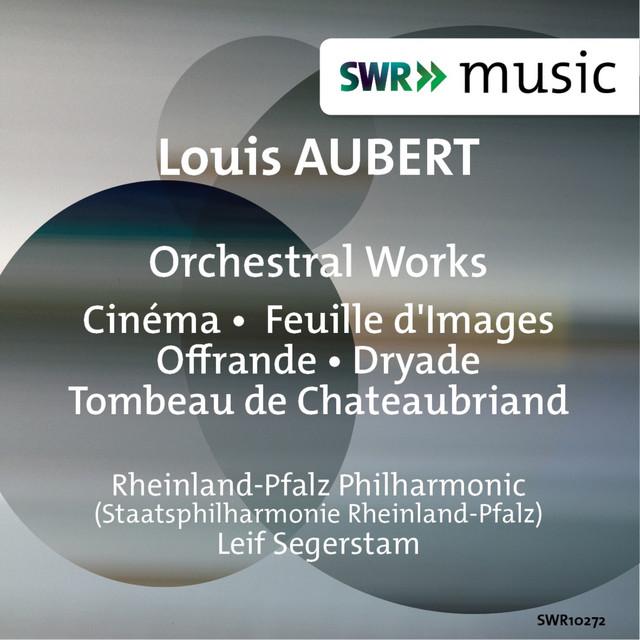
Louis Aubert
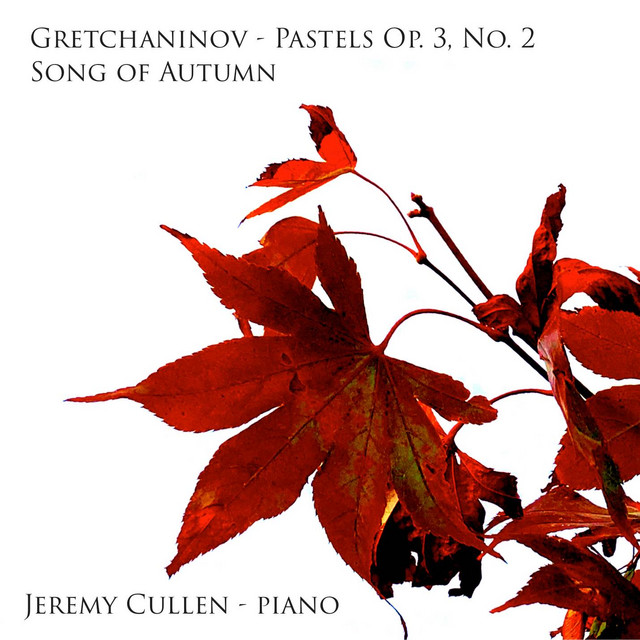

Lilit Grigoryan

Ingrid Sawers

Robert Saxton

Iris De Cairos-Rego
Roger Benedict
Gerald Howard
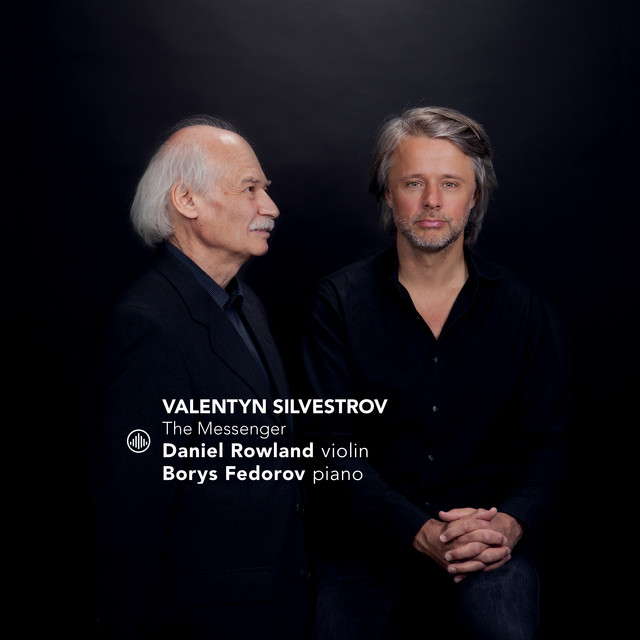
Borys Fedorov

Cindy Lin
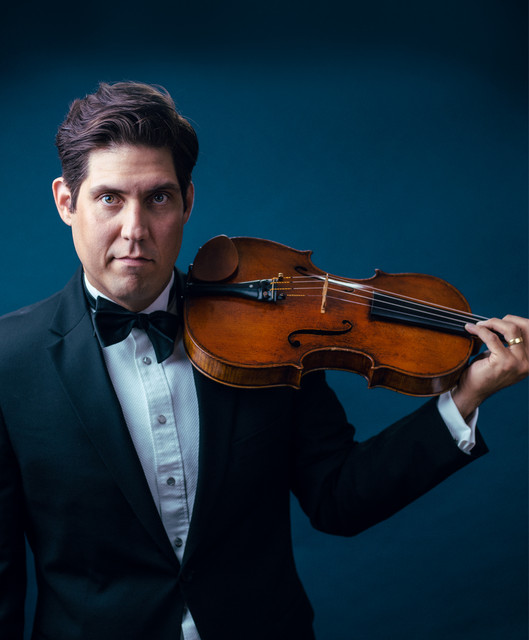
Amaro Dubois
Althea Talbot-Howard
Duo Arnicans
Amy Elsie Horrocks

Edenwood Duo
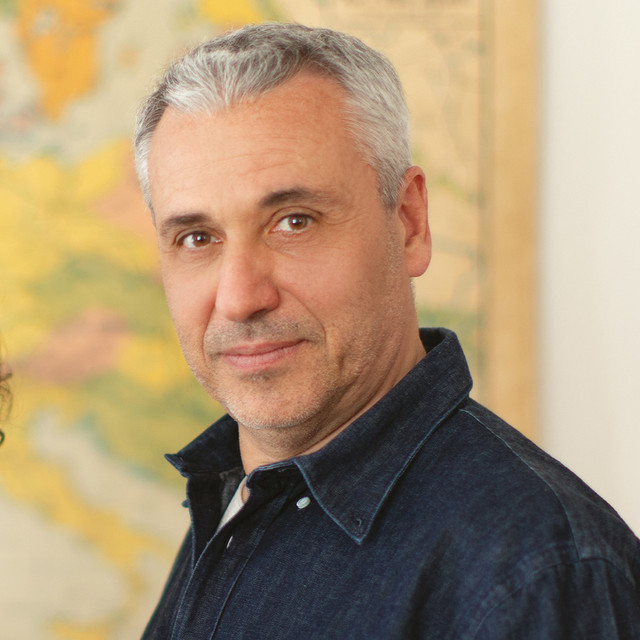
Frédéric Chatoux
Marie Dare
Aarre Merikanto

Uno Vesje


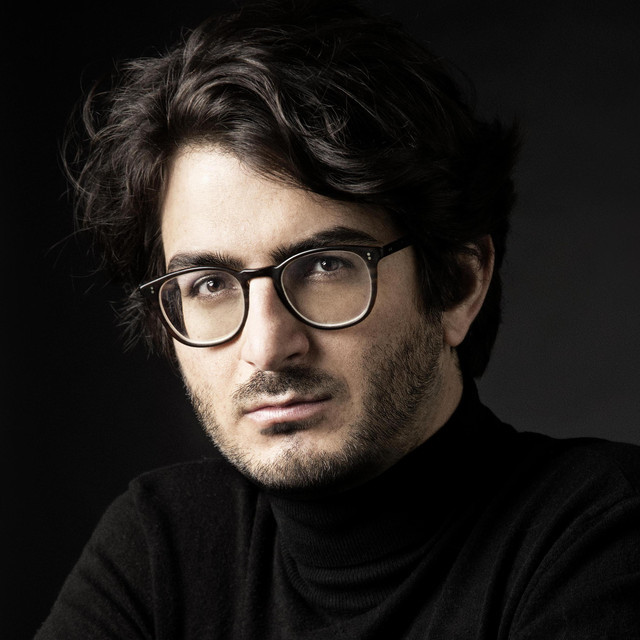
Matan Porat
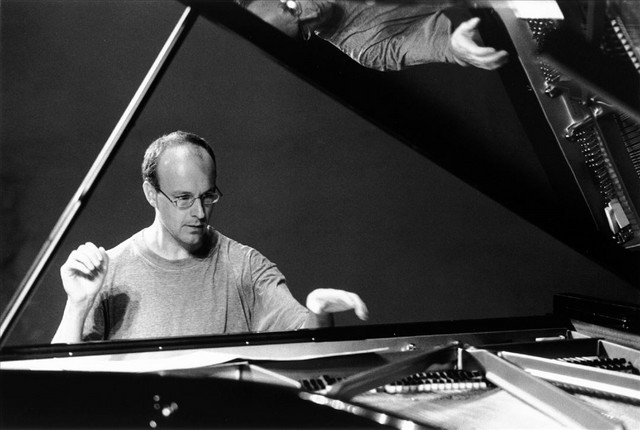
Thomas Larcher
Helen Leach
Calvin Bowman
Simon Smith
