Data may be outdated
Last updated: 9 months ago — Click refresh to get the latest statistics.
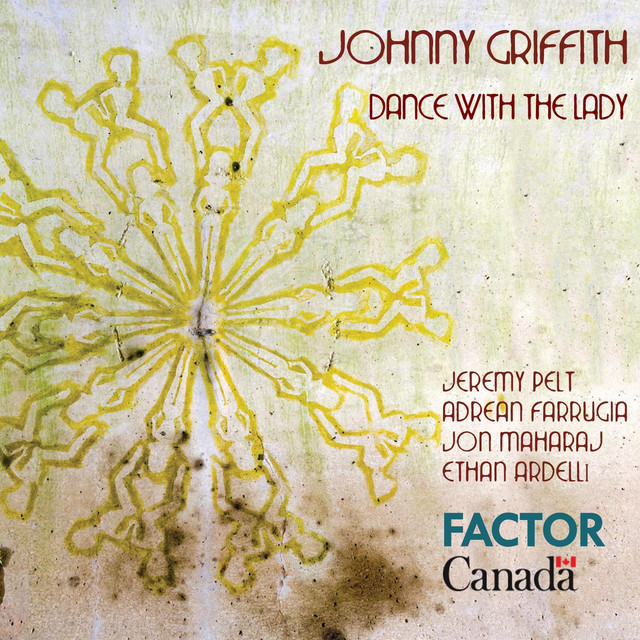
Pianist Johnny Griffith can be heard on classic Motown sides, as well as on recordings from other Detroit-area labels. Like Motown's other pianists, Joe Hunter and <a href="spotify:artist:05ZgImABuAAgUw2gX4QB1U">Earl Van Dyke</a>, <a href="spotify:artist:7hEbJvh3BAedDS2vVJvx0B">Griffith</a>'s had an extensive musical background. He held musical degrees from Wayne State University and the University of Detroit. His musical influences included <a href="spotify:artist:6zkX5fhrSD4tdVOmimR9wB">Oscar Peterson</a>, <a href="spotify:artist:13dkPjqmbcchm8cXjEJQeP">Glenn Gould</a>, and <a href="spotify:artist:570vCzcespB48HIQyTbDO6">Bud Powell</a>.
Signed to Motown's Jazz Workshop label, he recorded the albums Detroit Jazz and The Right Side of Lefty Edwards. When the march of the Motown hits began, <a href="spotify:artist:7hEbJvh3BAedDS2vVJvx0B">Griffith</a> started playing on sessions for their R&B/pop acts. But rather than sign a work-for-hire contract with Motown like other musicians, <a href="spotify:artist:7hEbJvh3BAedDS2vVJvx0B">Griffith</a> remained a freelancer, doing other dates and sessions in New York and nearby Chicago.
The Motown hits that <a href="spotify:artist:7hEbJvh3BAedDS2vVJvx0B">Griffith</a> played on include: <a href="spotify:artist:3koiLjNrgRTNbOwViDipeA">Marvin Gaye</a>'s "How Sweet It Is (To Be Loved By You)" (number four R&B, number six pop, early 1965), his celeste trills are heard on "Mercy Mercy Me (The Ecology)" (number one R&B for two weeks, number four pop, summer 1971), adding Wurlitzer electric piano on both <a href="spotify:artist:3koiLjNrgRTNbOwViDipeA">Gaye</a>'s "I Heard It Through the Grapevine" (number one R&B/pop for seven weeks, late 1968) and <a href="spotify:artist:3RwQ26hR2tJtA8F9p2n7jG">the Temptations</a>' "Ain't Too Proud to Beg" (number one R&B for eight weeks, summer 1966), organ on <a href="spotify:artist:57bUPid8xztkieZfS7OlEV">the Supremes</a>' "Stop in the Name of Love" (number two R&B for four weeks, number one pop for two weeks, early 1965), and organ and shotgun effects on Junior Walker and the All Stars' "Shotgun" (number one R&B for four weeks, number four pop, early 1965).
<a href="spotify:artist:7hEbJvh3BAedDS2vVJvx0B">Griffith</a>'s non-Motown hits are <a href="spotify:artist:1B8AXU6gIIafpyLEpbcv1u">Edwin Starr</a>'s "Agent Double-O Soul" (number eight R&B), "Cool Jerk" by <a href="spotify:artist:2AYmrUFn1ATSfFSx3B4tvb">the Capitols</a> (number two R&B, number seven pop), <a href="spotify:artist:1MJpO71ShS9nmFAbT6KM2n">Jackie Wilson</a>'s "(Your Love Keeps Lifting Me) Higher and Higher" (number one R&B, number six pop) for Chicago soul producer Carl Davis, <a href="spotify:artist:2iy394hZHUSLDMIxAnrz8x">the Artistics</a>' "I'm Really Gonna Miss You" (number nine R&B), <a href="spotify:artist:7BFr36uI1dzJyo6tpa5Ued">the Chi-Lites</a>' "Have You Seen Her" (number one R&B for two weeks, number three pop), and <a href="spotify:artist:5r2DrmyTTiDTQaFz3tyX8W">Young-Holt Unlimited</a>'s "Soulful Strut" (number three R&B, number three pop). <a href="spotify:artist:7hEbJvh3BAedDS2vVJvx0B">Griffith</a> had his own hit for RCA Records with Johnny Griffith, Inc.'s "Grand Central Shuffle" in early 1973. In the '90s, <a href="spotify:artist:7hEbJvh3BAedDS2vVJvx0B">Griffith</a> was still active on the Detroit club scene. ~ Ed Hogan, Rovi
Signed to Motown's Jazz Workshop label, he recorded the albums Detroit Jazz and The Right Side of Lefty Edwards. When the march of the Motown hits began, <a href="spotify:artist:7hEbJvh3BAedDS2vVJvx0B">Griffith</a> started playing on sessions for their R&B/pop acts. But rather than sign a work-for-hire contract with Motown like other musicians, <a href="spotify:artist:7hEbJvh3BAedDS2vVJvx0B">Griffith</a> remained a freelancer, doing other dates and sessions in New York and nearby Chicago.
The Motown hits that <a href="spotify:artist:7hEbJvh3BAedDS2vVJvx0B">Griffith</a> played on include: <a href="spotify:artist:3koiLjNrgRTNbOwViDipeA">Marvin Gaye</a>'s "How Sweet It Is (To Be Loved By You)" (number four R&B, number six pop, early 1965), his celeste trills are heard on "Mercy Mercy Me (The Ecology)" (number one R&B for two weeks, number four pop, summer 1971), adding Wurlitzer electric piano on both <a href="spotify:artist:3koiLjNrgRTNbOwViDipeA">Gaye</a>'s "I Heard It Through the Grapevine" (number one R&B/pop for seven weeks, late 1968) and <a href="spotify:artist:3RwQ26hR2tJtA8F9p2n7jG">the Temptations</a>' "Ain't Too Proud to Beg" (number one R&B for eight weeks, summer 1966), organ on <a href="spotify:artist:57bUPid8xztkieZfS7OlEV">the Supremes</a>' "Stop in the Name of Love" (number two R&B for four weeks, number one pop for two weeks, early 1965), and organ and shotgun effects on Junior Walker and the All Stars' "Shotgun" (number one R&B for four weeks, number four pop, early 1965).
<a href="spotify:artist:7hEbJvh3BAedDS2vVJvx0B">Griffith</a>'s non-Motown hits are <a href="spotify:artist:1B8AXU6gIIafpyLEpbcv1u">Edwin Starr</a>'s "Agent Double-O Soul" (number eight R&B), "Cool Jerk" by <a href="spotify:artist:2AYmrUFn1ATSfFSx3B4tvb">the Capitols</a> (number two R&B, number seven pop), <a href="spotify:artist:1MJpO71ShS9nmFAbT6KM2n">Jackie Wilson</a>'s "(Your Love Keeps Lifting Me) Higher and Higher" (number one R&B, number six pop) for Chicago soul producer Carl Davis, <a href="spotify:artist:2iy394hZHUSLDMIxAnrz8x">the Artistics</a>' "I'm Really Gonna Miss You" (number nine R&B), <a href="spotify:artist:7BFr36uI1dzJyo6tpa5Ued">the Chi-Lites</a>' "Have You Seen Her" (number one R&B for two weeks, number three pop), and <a href="spotify:artist:5r2DrmyTTiDTQaFz3tyX8W">Young-Holt Unlimited</a>'s "Soulful Strut" (number three R&B, number three pop). <a href="spotify:artist:7hEbJvh3BAedDS2vVJvx0B">Griffith</a> had his own hit for RCA Records with Johnny Griffith, Inc.'s "Grand Central Shuffle" in early 1973. In the '90s, <a href="spotify:artist:7hEbJvh3BAedDS2vVJvx0B">Griffith</a> was still active on the Detroit club scene. ~ Ed Hogan, Rovi


Related Artists
Leonard King & The Soul Messengers


Leon & The Burners


Sonny Hopson