Data may be outdated
Last updated: 9 months ago — Click refresh to get the latest statistics.
Joseph Achron was born Youssel Achron, the eldest son of a Russian Jewish cantor, fiddler, and folk architect. Joseph Achron took an interest in the violin at age two, and had his first lessons at five. In Warsaw, in 1891, Achron studied with Polish virtuoso Isidor Lott. At age seven, Achron made his debut as violinist, wrote his first composition, and began to tour Russia as a prodigy violinist. From 1898 Achron studied with Leopold Auer at the St. Petersburg Conservatory, taking harmony with composer <a href="spotify:artist:7t5qhn89RAzTepqZBB4uob">Anatol Liadov</a>, and later, orchestration with <a href="spotify:artist:7C7YsVTLcDZUhaZNokDue3">Maximilian Steinberg</a>.
In 1911, Achron came into contact with the members of the Jewish Folk Art Society, a loosely organized group of composers headed by Joel Engel. In hindsight this coalition is recognized as representing the first fruits of the New Jewish School. The Jewish Folk Art Society was founded in 1908 and dedicated, in part, to the notion of fostering a concert class variety of traditional Jewish folk music. Once aware of the Society's goals, Achron promptly wrote out the first masterpiece of the Jewish folk art genre, Hebrew Melody for violin and piano, Op. 33. Several of the other violin pieces for which Achron is best known, including Hebrew Lullaby op. 35/2 and the two pairs of Stimmungen (Moods, Op. 32 and Op. 36) were written in 1911-14.
Achron spent World War I in Russia, engaged primarily to play for Russian troops. In 1918, the Soviets dissolved the Jewish Folk Art Society as counter-revolutionary. In 1920, Achron married singer Marie Raphof, and composed incidental music for the local Jewish Chamber Theater. In 1922, Achron relocated to Germany, to rejoin members of the discredited Jewish Folk Art Society still active there. In Berlin, Achron composed the popular Kindersuite, Op. 57, and became acquainted with the powerful head of the Prussian Music Conservatory and ISCM founder, <a href="spotify:artist:5U827e4jbYz6EjtN0fIDt9">Arnold Schoenberg</a>. However Achron decided to immigrate to the United States in 1925. Before departing for America, Achron took a trip to Palestine to see the Holy Land. Achron's experiences in Palestine were transformed into such works as his Dance of Salome for wordless chorus, percussion, and piano, Op. 61 (1925).
Once in New York City, Achron composed music for Maurice Schwartz' Yiddish Art Theater. Achron refashioned his music for Sholem Aleichem's play Stempenyu (The Fiddler, 1929) into a suite for violin and piano that has become a latter day favorite with concert violinists. In 1932, Achron presented a suite drawn from his music for H. Leivick's play Der Golem at the ISCM Festival held in Venice. This work marked Achron's adoption of atonal elements, and the final section, signifying the unmaking of the monster, is a total retrograde of the first, in which the Golem is created. In 1934, Achron settled Los Angeles, Achron; he and his wife Marie becoming a part of the inner circle of artists that surrounded <a href="spotify:artist:5U827e4jbYz6EjtN0fIDt9">Schoenberg</a>. Achron also worked as a violinist in the major Hollywood studio orchestras. In December 1936, Achron gave the highly successful premiere of his own Second Violin Concerto, op. 68 with the Los Angeles Philharmonic under conductor <a href="spotify:artist:2ljDHW0zt90SrHDwjVIGXs">Otto Klemperer</a>. However, in March 1939 Los Angeles critics rejected Achron's Third Violin Concerto op. 71 as being too cold and abstract. In the early 1940s, Achron became ill, and his last completed work was the Concerto for Piano Alone op. 72. Achron died at age 56, leaving a legacy of just about 100 compositions, mostly in manuscript. These are now housed at Tel Aviv University, where a Conservatory is named after him.
In 1911, Achron came into contact with the members of the Jewish Folk Art Society, a loosely organized group of composers headed by Joel Engel. In hindsight this coalition is recognized as representing the first fruits of the New Jewish School. The Jewish Folk Art Society was founded in 1908 and dedicated, in part, to the notion of fostering a concert class variety of traditional Jewish folk music. Once aware of the Society's goals, Achron promptly wrote out the first masterpiece of the Jewish folk art genre, Hebrew Melody for violin and piano, Op. 33. Several of the other violin pieces for which Achron is best known, including Hebrew Lullaby op. 35/2 and the two pairs of Stimmungen (Moods, Op. 32 and Op. 36) were written in 1911-14.
Achron spent World War I in Russia, engaged primarily to play for Russian troops. In 1918, the Soviets dissolved the Jewish Folk Art Society as counter-revolutionary. In 1920, Achron married singer Marie Raphof, and composed incidental music for the local Jewish Chamber Theater. In 1922, Achron relocated to Germany, to rejoin members of the discredited Jewish Folk Art Society still active there. In Berlin, Achron composed the popular Kindersuite, Op. 57, and became acquainted with the powerful head of the Prussian Music Conservatory and ISCM founder, <a href="spotify:artist:5U827e4jbYz6EjtN0fIDt9">Arnold Schoenberg</a>. However Achron decided to immigrate to the United States in 1925. Before departing for America, Achron took a trip to Palestine to see the Holy Land. Achron's experiences in Palestine were transformed into such works as his Dance of Salome for wordless chorus, percussion, and piano, Op. 61 (1925).
Once in New York City, Achron composed music for Maurice Schwartz' Yiddish Art Theater. Achron refashioned his music for Sholem Aleichem's play Stempenyu (The Fiddler, 1929) into a suite for violin and piano that has become a latter day favorite with concert violinists. In 1932, Achron presented a suite drawn from his music for H. Leivick's play Der Golem at the ISCM Festival held in Venice. This work marked Achron's adoption of atonal elements, and the final section, signifying the unmaking of the monster, is a total retrograde of the first, in which the Golem is created. In 1934, Achron settled Los Angeles, Achron; he and his wife Marie becoming a part of the inner circle of artists that surrounded <a href="spotify:artist:5U827e4jbYz6EjtN0fIDt9">Schoenberg</a>. Achron also worked as a violinist in the major Hollywood studio orchestras. In December 1936, Achron gave the highly successful premiere of his own Second Violin Concerto, op. 68 with the Los Angeles Philharmonic under conductor <a href="spotify:artist:2ljDHW0zt90SrHDwjVIGXs">Otto Klemperer</a>. However, in March 1939 Los Angeles critics rejected Achron's Third Violin Concerto op. 71 as being too cold and abstract. In the early 1940s, Achron became ill, and his last completed work was the Concerto for Piano Alone op. 72. Achron died at age 56, leaving a legacy of just about 100 compositions, mostly in manuscript. These are now housed at Tel Aviv University, where a Conservatory is named after him.
Monthly Listeners
4,180
Monthly Listeners History
Track the evolution of monthly listeners over the last 28 days.
Followers
512
Followers History
Track the evolution of followers over the last 28 days.
Top Cities
62 listeners

59 listeners

57 listeners

54 listeners

51 listeners

Related Artists
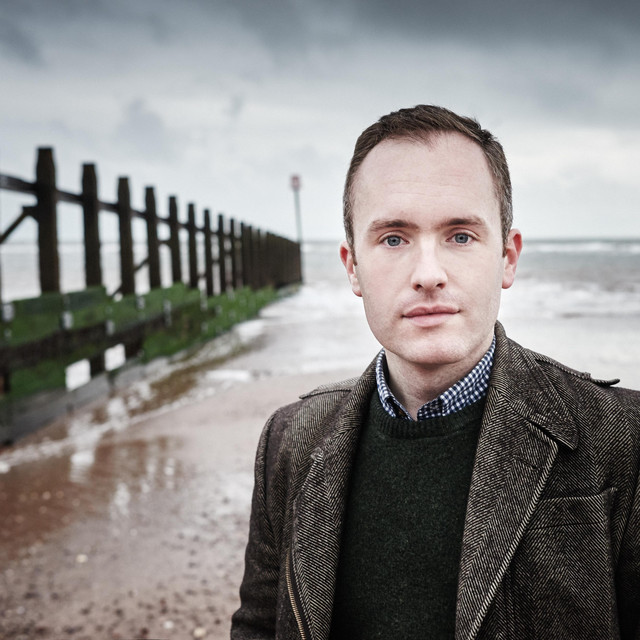
Simon Callaghan

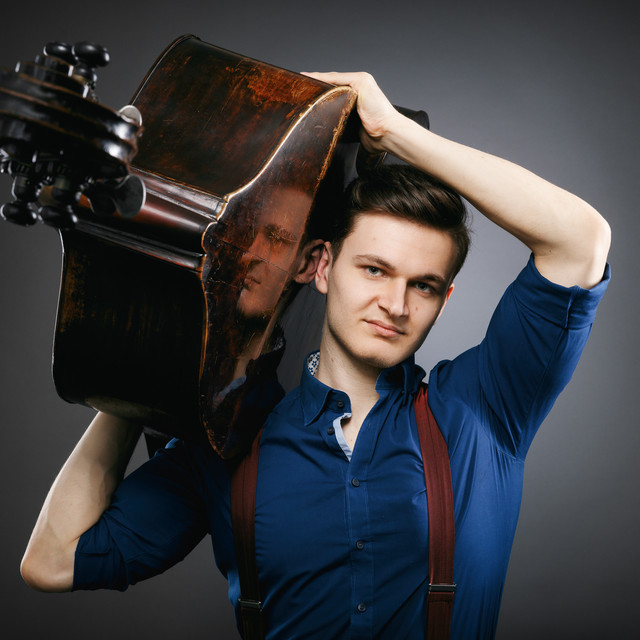
Dominik Wagner
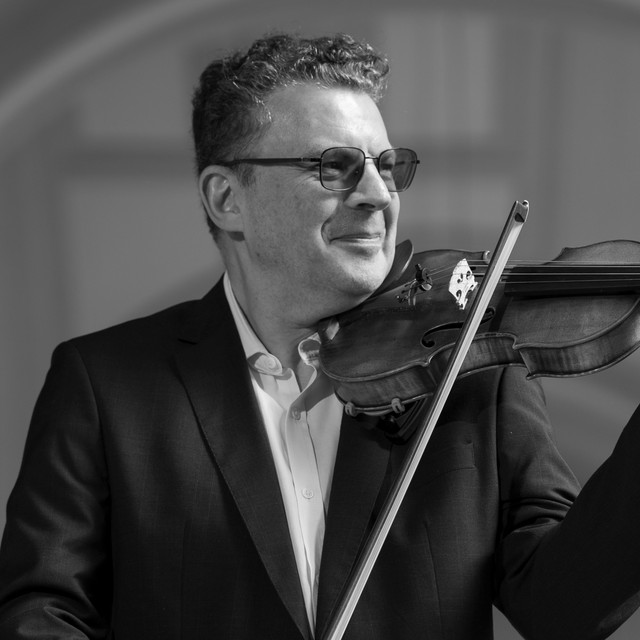
Emmanuele Baldini
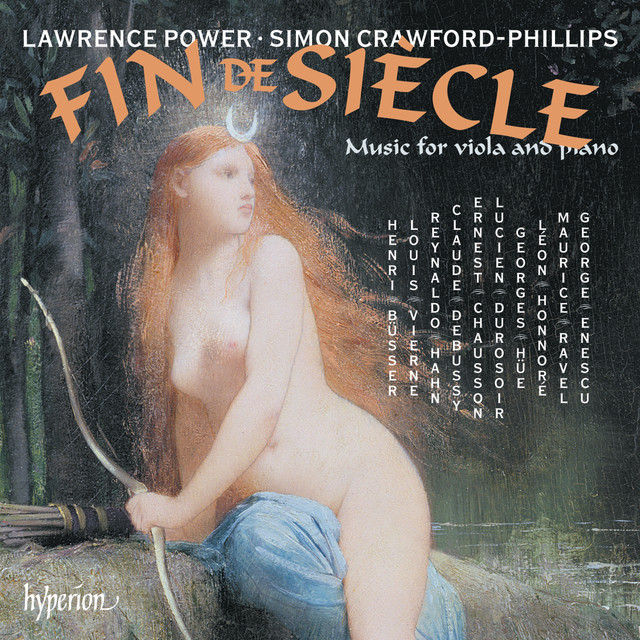
Lucien Durosoir
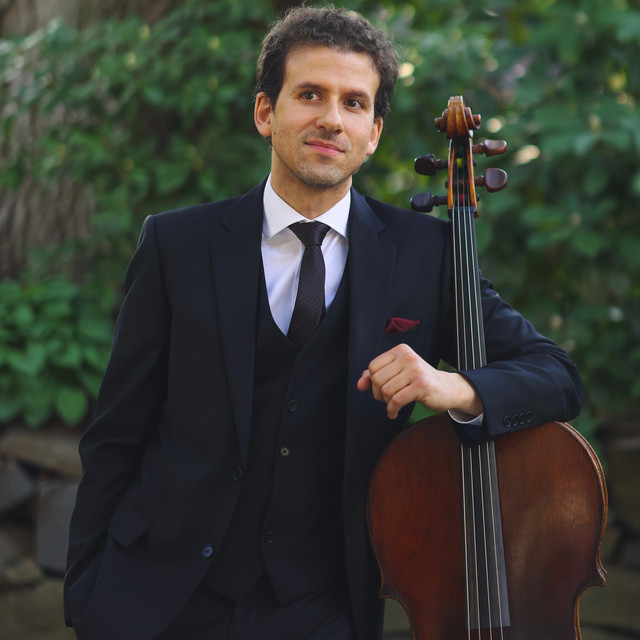
Nicholas Canellakis

Paul Juon

Eduard Bagdasarian
Hans Sitt
Auguste Franchomme

Maria Herz


Jascha Nemtsov
Dongkyun An
Madara Petersone
Luc Tooten

Henriette Bosmans

Mathilde Kralik von Mayerswalden


Yun Kyung Kim
John York
Dmitry Smirnov

Denis Linnik
Menachem Wiesenberg

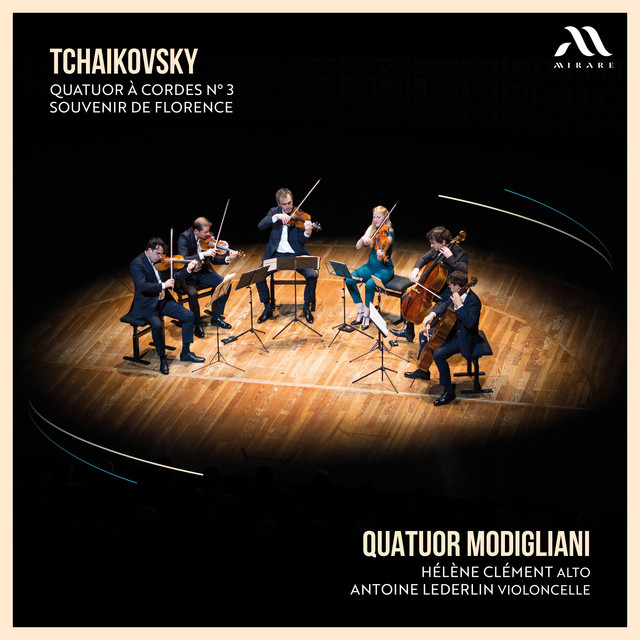
Antoine Lederlin
Thomas Blees
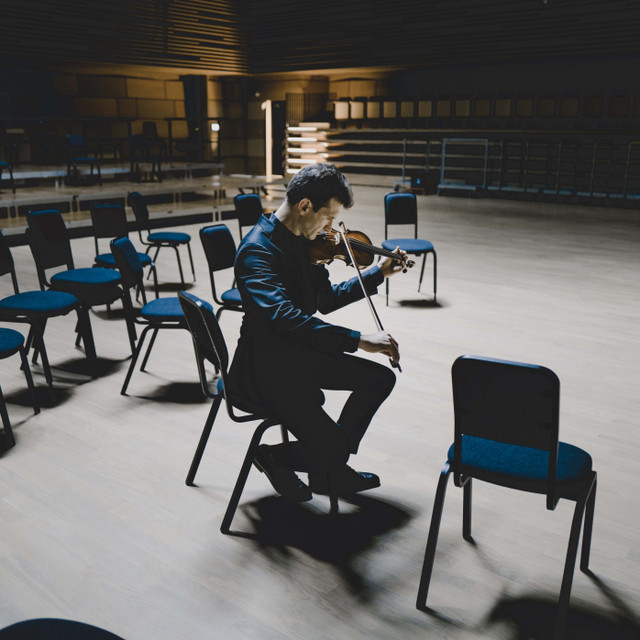
Svetlin Roussev
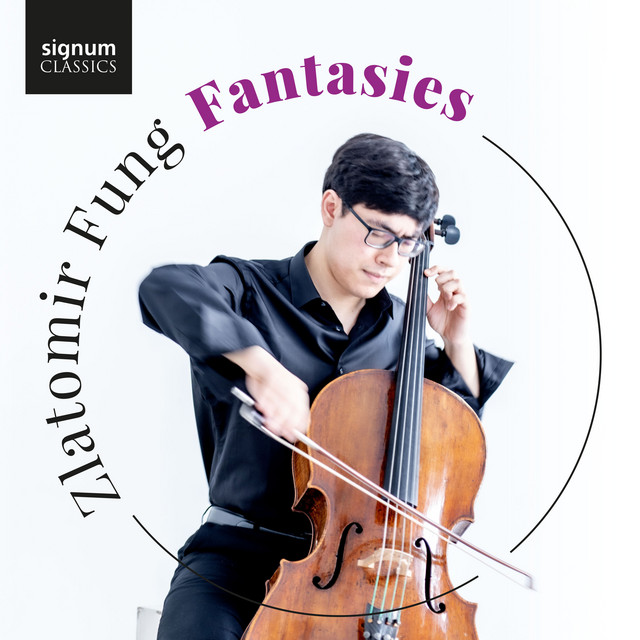
Zlatomir Fung
John-Henry Crawford
Ferenc Vizi
Marc Bouchkov

Julian Lawrence Gargiulo

Susan Tomes
Yuval Gotlibovich
Ralph Evans