Data may be outdated
Last updated: 9 months ago — Click refresh to get the latest statistics.
Northern Irish singer/songwriter Juliet Turner has some hints of the old standbys in her folk-inflected music: <a href="spotify:artist:5c3GLXai8YOMid29ZEuR9y">Nick Drake</a>, <a href="spotify:artist:319yZVtYM9MBGqmSQnMyY6">Carole King</a>, even a bit of <a href="spotify:artist:6UlNIFEuWlBqb4TvlVCekq">Kirsty MacColl</a> in her vocals. However, Turner's blend of folk, pop, and electronics also sits nicely next to contemporaries like <a href="spotify:artist:5zzrJD2jXrE9dZ1AklRFcL">KT Tunstall</a> and <a href="spotify:artist:6cLEWhEKQl6nAvgr60M7zC">Beth Orton</a>. Born and raised in a musically inclined family in the small Northern Ireland town of Tummery, Turner was a member of her church choir and was active in school musicals, but it wasn't until she moved to Dublin to attend university that she began playing guitar and writing songs in earnest. In 1996, Turner spent a year as an exchange student in Glasgow, Scotland, during which time she met the owner of a small local indie, Sicky Music, who offered to record some of her songs with his own band as her backup. Recorded in one two-day session, the resulting album, Let's Hear It for Pizza, garnered enough buzz back home to land a management deal and a series of opening-act dates with everyone from <a href="spotify:artist:0B6QEFtRnneEzb4iqjI0Nw">Arlo Guthrie</a> to hometown heroes <a href="spotify:artist:51Blml2LZPmy7TTiAg47vQ">U2</a>. After finishing school, Turner and her manager set up their own label, Hear This, to release her second album, Burn the Black Suit, in 2000. A third album, Season of the Hurricane, was released in 2004, becoming a Top Ten hit in Ireland and earning an increasing level of international attention. A 2005 live album capitalized on Turner's blossoming international profile. ~ Stewart Mason, Rovi
Monthly Listeners
6,521
Monthly Listeners History
Track the evolution of monthly listeners over the last 28 days.
Followers
3,570
Followers History
Track the evolution of followers over the last 28 days.
Top Cities



Related Artists


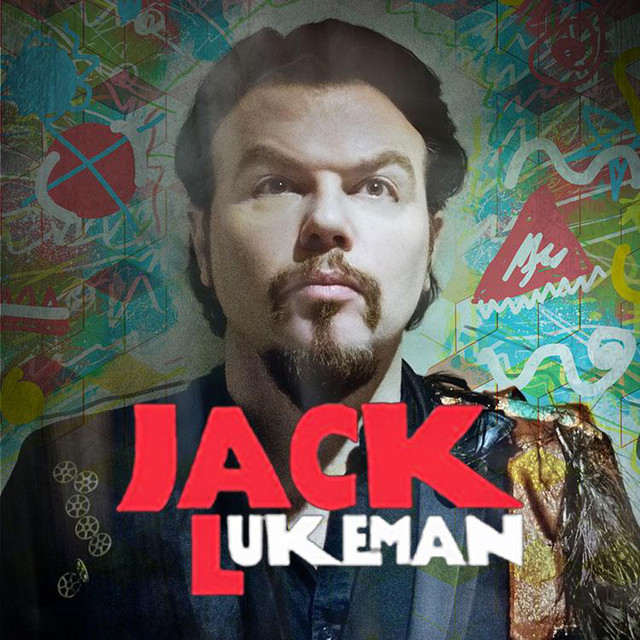
Jack Lukeman


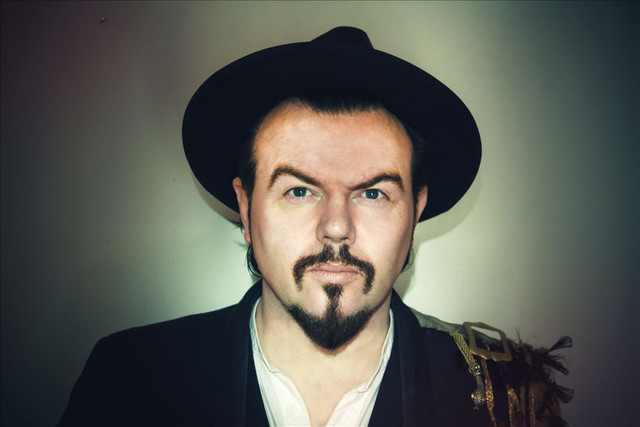
Roesy


St Fiachra’s Junior School Choir



Juliet Turner

Colin Reid

Hazel Kaneswaran


Conor Patrick