Data may be outdated
Last updated: 9 months ago — Click refresh to get the latest statistics.
The recording career of this great American writer includes not only his own spoken word collections for <a href="spotify:search:label%3A%22Smithsonian-Folkways%22">Smithsonian-Folkways</a>, but many instances where his texts are utilized by other artists, sometimes in direct collaboration with Hughes, and at other times after the fact. While heavily associated with Black jazz and blues, the writings of Hughes have not shown up exclusively in these genres. Rather, if there is a similarity in the type of performers incorporating Hughes' writing, it would be those expressing discontent with the racial and political status quo. The beatnik scene of the '50s and '60s was a topical time for Hughes, but the appearance of his writings as part of recording projects is hardly limited to these years.
During the '70s, <a href="spotify:artist:5ArqvMflDEhxdqW8sBBQUQ">the Gary Bartz NTU Troop</a> -- a modern jazz combo that didn't hesitate to take on political topics -- recorded a beautiful live version of "The Negro Speaks of Rivers," Hughes' first published poem, presenting the version with music under the name of "I've Known Rivers." Singer <a href="spotify:artist:4c8m7LzbeEJdqVMfNAW2xn">Big Miller</a> tracked 11 blues tunes written specifically for him by Hughes on a late-'50s album Did You Ever Hear the Blues? The German <a href="spotify:artist:77JjISZTOa3IqOfKgLlo5P">Caspar Brötzmann</a> used texts by Hughes on a 1993 recording, sonically a great contrast to better-known adaptations by performers such as <a href="spotify:artist:1EevBGfUh3RSQSGpluxgBm">Joan Baez</a> and <a href="spotify:artist:6Tw1ktF4xMmzaLLbe98I2z">Harry Belafonte</a>.
Hughes began writing poetry in the eighth grade and, despite the acceptance of his efforts from classmates and teachers, was pushed in the direction of an engineering degree by his parents. Hughes did well in the latter studies at Columbia University, nonetheless dropping out to follow the writing muse. He would eventually publish over 16 books of poems, two novels, three collections of short stories, four volumes of essays, 20 plays, a collection of children's poetry, several musicals and operas, three autobiographies, and many radio and television scripts and magazine articles. His house at 20 East 127th Street in Harlem was given landmark status by the New York City Preservation Commission following his death from cancer in the '60s. The block itself is now called Langston Hughes Place. ~ Eugene Chadbourne, Rovi
During the '70s, <a href="spotify:artist:5ArqvMflDEhxdqW8sBBQUQ">the Gary Bartz NTU Troop</a> -- a modern jazz combo that didn't hesitate to take on political topics -- recorded a beautiful live version of "The Negro Speaks of Rivers," Hughes' first published poem, presenting the version with music under the name of "I've Known Rivers." Singer <a href="spotify:artist:4c8m7LzbeEJdqVMfNAW2xn">Big Miller</a> tracked 11 blues tunes written specifically for him by Hughes on a late-'50s album Did You Ever Hear the Blues? The German <a href="spotify:artist:77JjISZTOa3IqOfKgLlo5P">Caspar Brötzmann</a> used texts by Hughes on a 1993 recording, sonically a great contrast to better-known adaptations by performers such as <a href="spotify:artist:1EevBGfUh3RSQSGpluxgBm">Joan Baez</a> and <a href="spotify:artist:6Tw1ktF4xMmzaLLbe98I2z">Harry Belafonte</a>.
Hughes began writing poetry in the eighth grade and, despite the acceptance of his efforts from classmates and teachers, was pushed in the direction of an engineering degree by his parents. Hughes did well in the latter studies at Columbia University, nonetheless dropping out to follow the writing muse. He would eventually publish over 16 books of poems, two novels, three collections of short stories, four volumes of essays, 20 plays, a collection of children's poetry, several musicals and operas, three autobiographies, and many radio and television scripts and magazine articles. His house at 20 East 127th Street in Harlem was given landmark status by the New York City Preservation Commission following his death from cancer in the '60s. The block itself is now called Langston Hughes Place. ~ Eugene Chadbourne, Rovi
Monthly Listeners
2,403
Monthly Listeners History
Track the evolution of monthly listeners over the last 28 days.
Followers
10,571
Followers History
Track the evolution of followers over the last 28 days.
Top Cities
100 listeners

92 listeners

53 listeners
43 listeners
38 listeners
Related Artists
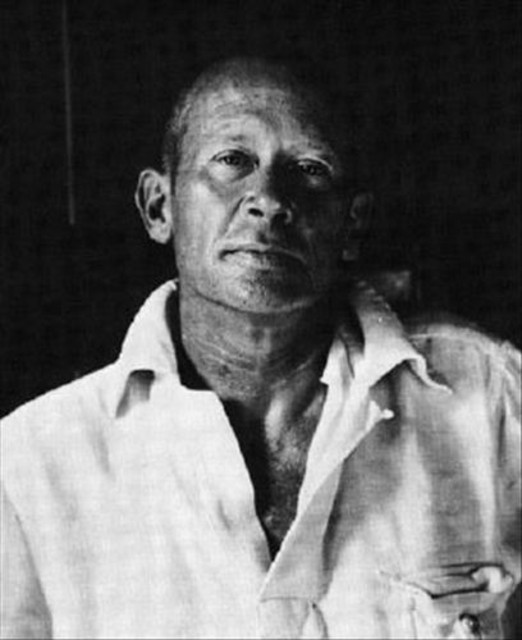

Claude McKay

Sterling A. Brown
Gwendolyn Brooks
James Baldwin
W. H. Auden

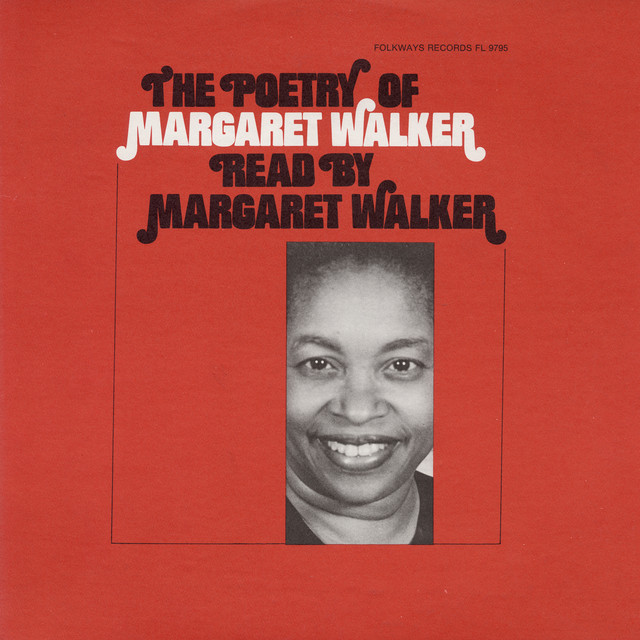
Margaret Walker

Wallace Stevens


Philip Larkin
Marianne Moore
Gregory Corso

Theodore Roethke

Peter Orlovsky

Margaret Mead
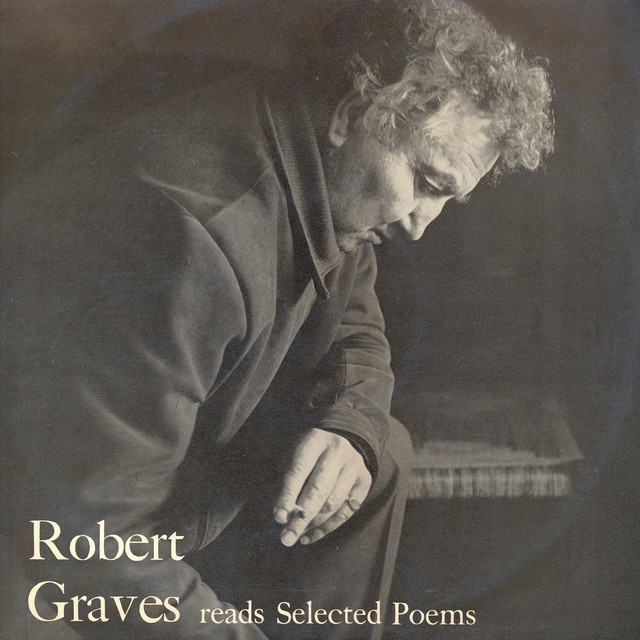
Robert Graves
William Carlos Williams
Stephen Murray

Billy Collins

Truman Capote

Frank O'Hara

Charles Olson

Huey P. Newton
Sir Ralph Richardson
Cedric Hardwicke
Jerome Rothenberg
Robert F. Kennedy
Sir Lawrence Olivier

Booker T. Washington


Henry Miller
David Antin

Tennessee Williams

Laurie Lee