Data may be outdated
Last updated: 9 months ago — Click refresh to get the latest statistics.
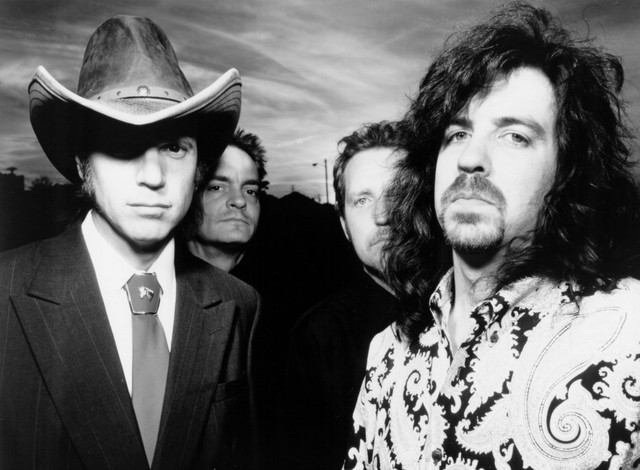
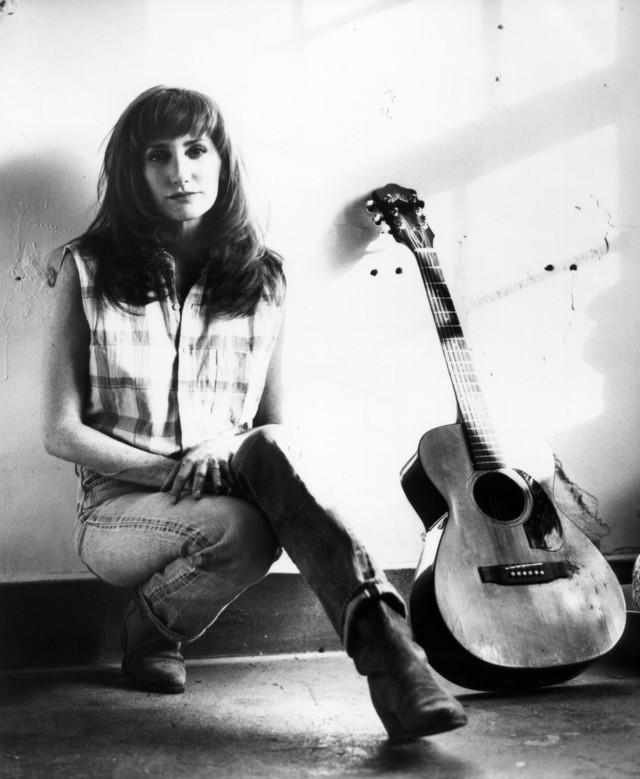
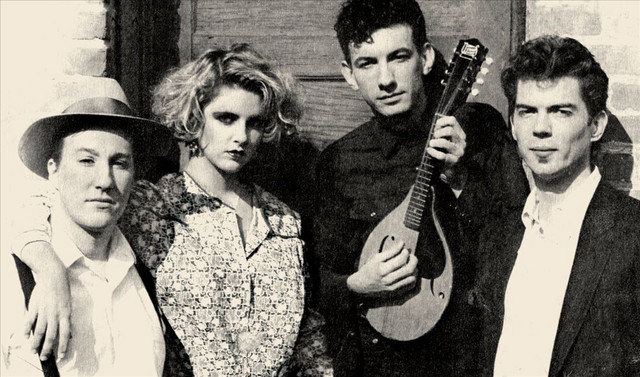
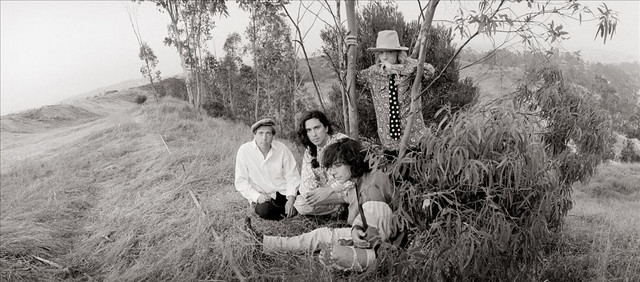
A roots rock band that took Los Angeles by storm in the '80s and developed a smaller but deeply enthusiastic following outside the Golden State, Lone Justice made their name with an energetic fusion of country twang and rock & roll stomp. The group was fronted by <a href="spotify:artist:30GIF9g2UJ1ifn45kSMTFf">Maria McKee</a>, a vocalist whose ability to blend country purity with rock & roll passion earned her plenty of press attention as well as endorsements from the likes of <a href="spotify:artist:1sXbwvCQLGZnaH0Jp2HTVc">Linda Ronstadt</a> and <a href="spotify:artist:32vWCbZh0xZ4o9gkz4PsEU">Dolly Parton</a>. Their debut album, 1985's Lone Justice, showed off the group's talent and <a href="spotify:artist:30GIF9g2UJ1ifn45kSMTFf">McKee</a>'s voice, and "Ways to Be Wicked" and "Sweet, Sweet Baby (I'm Falling)" were minor hits. But by the time they issued their second LP, 1986's Shelter, <a href="spotify:artist:30GIF9g2UJ1ifn45kSMTFf">McKee</a> was the only original member left, and the album explored a different sound, incorporating elements of heartland rock and '80s alternative rock. Years after the band's breakup, 2024's Viva Lone Justice was compiled from demos the group recorded with <a href="spotify:artist:30GIF9g2UJ1ifn45kSMTFf">McKee</a> in the early '90s, offering a truer portrait of the group's original style.
Lone Justice were formed in Los Angeles by guitarist Ryan Hedgecock and singer <a href="spotify:artist:30GIF9g2UJ1ifn45kSMTFf">Maria McKee</a>. The half-sister of <a href="spotify:artist:4EsHw5cGsUxPUrEpClxic1">Bryan MacLean</a>, a member of the seminal psychedelic outfit Love, <a href="spotify:artist:30GIF9g2UJ1ifn45kSMTFf">McKee</a>'s involvement in the L.A. club scene dated back to her infancy; at the age of three, she joined <a href="spotify:artist:4EsHw5cGsUxPUrEpClxic1">MacLean</a> at a performance at the famed Whisky a Go Go and was befriended by <a href="spotify:artist:6ra4GIOgCZQZMOaUECftGN">Frank Zappa</a> and members of <a href="spotify:artist:22WZ7M8sxp5THdruNY3gXt">the Doors</a>. As a teen, she studied musical theater, and briefly performed in duos with <a href="spotify:artist:4EsHw5cGsUxPUrEpClxic1">MacLean</a> and local blues singer <a href="spotify:artist:6Q55d6lfJTNiScbEFlypjN">Top Jimmy</a>. <a href="spotify:artist:30GIF9g2UJ1ifn45kSMTFf">McKee</a> and Hedgecock first met while dabbling in the L.A. rockabilly scene, and their mutual affection for country music inspired them to found Lone Justice in 1982 with bassist <a href="spotify:artist:2ZEtnLILrDPXloC9ujwaJS">Dave Harrington</a> and drummer Don Willens. Initially, the group was strictly a cover band, but the addition of a new rhythm section in 1983 -- veteran bassist <a href="spotify:artist:15Gagth2F4IJZNGhknhz4y">Marvin Etzioni</a> and <a href="spotify:artist:3UCv7lEbL97weB3jm0JICL">Don Heffington</a>, a former drummer in <a href="spotify:artist:5s6TJEuHTr9GR894wc6VfP">Emmylou Harris</a>' Hot Band -- prompted <a href="spotify:artist:30GIF9g2UJ1ifn45kSMTFf">McKee</a> to begin composing original material inspired by Dust Bowl-era balladry.
Gradually, stronger elements of rock began creeping into the Lone Justice sound, and soon the band became a local favorite. At the urging of <a href="spotify:artist:1sXbwvCQLGZnaH0Jp2HTVc">Linda Ronstadt</a>, who was wowed by their live shows, they were awarded a contract with <a href="spotify:search:label%3A%22Geffen+Records%22">Geffen Records</a>; their self-titled debut appeared in 1985, followed by a tour in support of <a href="spotify:artist:51Blml2LZPmy7TTiAg47vQ">U2</a>. Still, despite good press and media hype, Lone Justice failed to sell; slickly produced by the band's manager, Jimmy Iovine, it failed to connect with either country or rock audiences.
In the record's wake, <a href="spotify:artist:15Gagth2F4IJZNGhknhz4y">Etzioni</a> and <a href="spotify:artist:3UCv7lEbL97weB3jm0JICL">Heffington</a> exited the band, leaving <a href="spotify:artist:30GIF9g2UJ1ifn45kSMTFf">McKee</a> to lead Lone Justice, with Hedgecock in a subordinate role. After enlisting guitarist <a href="spotify:artist:3k01resE7cLLNlGMYpaaRS">Shayne Fontayne</a>, bassist Greg Sutton, drummer Rudy Richman, and keyboardist Bruce Brody, Lone Justice recorded their second LP, 1986's Shelter. Hedgecock dropped after playing a handful of live shows with the new lineup, and shortly after the record's release, <a href="spotify:artist:30GIF9g2UJ1ifn45kSMTFf">McKee</a> broke up the band for good and went on to a solo career. <a href="spotify:artist:3UCv7lEbL97weB3jm0JICL">Heffington</a> became a successful session drummer, while <a href="spotify:artist:15Gagth2F4IJZNGhknhz4y">Etzioni</a> recorded under the guise Marvin the Mandolin Man, and became a successful producer. After a decade removed from the music industry, Hedgecock returned in 1996 as half of the duo <a href="spotify:artist:3v2eJflfTvlXFlBpcPaLlr">Parlor James</a>. A posthumous Lone Justice retrospective, This World Is Not My Home, followed in early 1999.
In 2014, <a href="spotify:search:label%3A%22Omnivore+Recordings%22">Omnivore Recordings</a> released This Is Lone Justice: The Vaught Tapes, 1983, a live-in-the-studio demo that documented the group's original sound. Another rare demo, The Western Tapes, 1983 -- a six-song EP taken from a studio session with the initial <a href="spotify:artist:30GIF9g2UJ1ifn45kSMTFf">McKee</a>/Hedgecock/<a href="spotify:artist:2ZEtnLILrDPXloC9ujwaJS">Harrington</a>/Willens lineup -- followed in 2018. Drummer <a href="spotify:artist:3UCv7lEbL97weB3jm0JICL">Don Heffington</a> died on March 24, 2021, after being hospitalized with leukemia; he was 70 years old. In the 2020s, Hedgecock and <a href="spotify:artist:15Gagth2F4IJZNGhknhz4y">Etzioni</a> discovered some Lone Justice tapes that were long believed to have been lost. They were recorded as demos with <a href="spotify:artist:30GIF9g2UJ1ifn45kSMTFf">McKee</a>, Hedgecock, <a href="spotify:artist:15Gagth2F4IJZNGhknhz4y">Etzioni</a>, and <a href="spotify:artist:3UCv7lEbL97weB3jm0JICL">Heffington</a> while <a href="spotify:artist:30GIF9g2UJ1ifn45kSMTFf">McKee</a> was in pre-production for her 1993 album You Gotta Sin to Get Saved. Enthusiastic about the natural, committed sound of the sessions, Hedgecock and <a href="spotify:artist:15Gagth2F4IJZNGhknhz4y">Etzioni</a> cleaned up the audio and added discreet overdubs and instrumentation to the tracks. They became the basis of 2024's Viva Lone Justice, the group's first album in close to 40 years. ~ Jason Ankeny & Mark Deming, Rovi
Lone Justice were formed in Los Angeles by guitarist Ryan Hedgecock and singer <a href="spotify:artist:30GIF9g2UJ1ifn45kSMTFf">Maria McKee</a>. The half-sister of <a href="spotify:artist:4EsHw5cGsUxPUrEpClxic1">Bryan MacLean</a>, a member of the seminal psychedelic outfit Love, <a href="spotify:artist:30GIF9g2UJ1ifn45kSMTFf">McKee</a>'s involvement in the L.A. club scene dated back to her infancy; at the age of three, she joined <a href="spotify:artist:4EsHw5cGsUxPUrEpClxic1">MacLean</a> at a performance at the famed Whisky a Go Go and was befriended by <a href="spotify:artist:6ra4GIOgCZQZMOaUECftGN">Frank Zappa</a> and members of <a href="spotify:artist:22WZ7M8sxp5THdruNY3gXt">the Doors</a>. As a teen, she studied musical theater, and briefly performed in duos with <a href="spotify:artist:4EsHw5cGsUxPUrEpClxic1">MacLean</a> and local blues singer <a href="spotify:artist:6Q55d6lfJTNiScbEFlypjN">Top Jimmy</a>. <a href="spotify:artist:30GIF9g2UJ1ifn45kSMTFf">McKee</a> and Hedgecock first met while dabbling in the L.A. rockabilly scene, and their mutual affection for country music inspired them to found Lone Justice in 1982 with bassist <a href="spotify:artist:2ZEtnLILrDPXloC9ujwaJS">Dave Harrington</a> and drummer Don Willens. Initially, the group was strictly a cover band, but the addition of a new rhythm section in 1983 -- veteran bassist <a href="spotify:artist:15Gagth2F4IJZNGhknhz4y">Marvin Etzioni</a> and <a href="spotify:artist:3UCv7lEbL97weB3jm0JICL">Don Heffington</a>, a former drummer in <a href="spotify:artist:5s6TJEuHTr9GR894wc6VfP">Emmylou Harris</a>' Hot Band -- prompted <a href="spotify:artist:30GIF9g2UJ1ifn45kSMTFf">McKee</a> to begin composing original material inspired by Dust Bowl-era balladry.
Gradually, stronger elements of rock began creeping into the Lone Justice sound, and soon the band became a local favorite. At the urging of <a href="spotify:artist:1sXbwvCQLGZnaH0Jp2HTVc">Linda Ronstadt</a>, who was wowed by their live shows, they were awarded a contract with <a href="spotify:search:label%3A%22Geffen+Records%22">Geffen Records</a>; their self-titled debut appeared in 1985, followed by a tour in support of <a href="spotify:artist:51Blml2LZPmy7TTiAg47vQ">U2</a>. Still, despite good press and media hype, Lone Justice failed to sell; slickly produced by the band's manager, Jimmy Iovine, it failed to connect with either country or rock audiences.
In the record's wake, <a href="spotify:artist:15Gagth2F4IJZNGhknhz4y">Etzioni</a> and <a href="spotify:artist:3UCv7lEbL97weB3jm0JICL">Heffington</a> exited the band, leaving <a href="spotify:artist:30GIF9g2UJ1ifn45kSMTFf">McKee</a> to lead Lone Justice, with Hedgecock in a subordinate role. After enlisting guitarist <a href="spotify:artist:3k01resE7cLLNlGMYpaaRS">Shayne Fontayne</a>, bassist Greg Sutton, drummer Rudy Richman, and keyboardist Bruce Brody, Lone Justice recorded their second LP, 1986's Shelter. Hedgecock dropped after playing a handful of live shows with the new lineup, and shortly after the record's release, <a href="spotify:artist:30GIF9g2UJ1ifn45kSMTFf">McKee</a> broke up the band for good and went on to a solo career. <a href="spotify:artist:3UCv7lEbL97weB3jm0JICL">Heffington</a> became a successful session drummer, while <a href="spotify:artist:15Gagth2F4IJZNGhknhz4y">Etzioni</a> recorded under the guise Marvin the Mandolin Man, and became a successful producer. After a decade removed from the music industry, Hedgecock returned in 1996 as half of the duo <a href="spotify:artist:3v2eJflfTvlXFlBpcPaLlr">Parlor James</a>. A posthumous Lone Justice retrospective, This World Is Not My Home, followed in early 1999.
In 2014, <a href="spotify:search:label%3A%22Omnivore+Recordings%22">Omnivore Recordings</a> released This Is Lone Justice: The Vaught Tapes, 1983, a live-in-the-studio demo that documented the group's original sound. Another rare demo, The Western Tapes, 1983 -- a six-song EP taken from a studio session with the initial <a href="spotify:artist:30GIF9g2UJ1ifn45kSMTFf">McKee</a>/Hedgecock/<a href="spotify:artist:2ZEtnLILrDPXloC9ujwaJS">Harrington</a>/Willens lineup -- followed in 2018. Drummer <a href="spotify:artist:3UCv7lEbL97weB3jm0JICL">Don Heffington</a> died on March 24, 2021, after being hospitalized with leukemia; he was 70 years old. In the 2020s, Hedgecock and <a href="spotify:artist:15Gagth2F4IJZNGhknhz4y">Etzioni</a> discovered some Lone Justice tapes that were long believed to have been lost. They were recorded as demos with <a href="spotify:artist:30GIF9g2UJ1ifn45kSMTFf">McKee</a>, Hedgecock, <a href="spotify:artist:15Gagth2F4IJZNGhknhz4y">Etzioni</a>, and <a href="spotify:artist:3UCv7lEbL97weB3jm0JICL">Heffington</a> while <a href="spotify:artist:30GIF9g2UJ1ifn45kSMTFf">McKee</a> was in pre-production for her 1993 album You Gotta Sin to Get Saved. Enthusiastic about the natural, committed sound of the sessions, Hedgecock and <a href="spotify:artist:15Gagth2F4IJZNGhknhz4y">Etzioni</a> cleaned up the audio and added discreet overdubs and instrumentation to the tracks. They became the basis of 2024's Viva Lone Justice, the group's first album in close to 40 years. ~ Jason Ankeny & Mark Deming, Rovi
Monthly Listeners
25,846
Monthly Listeners History
Track the evolution of monthly listeners over the last 28 days.
Followers
13,779
Followers History
Track the evolution of followers over the last 28 days.
Top Cities
517 listeners

367 listeners

349 listeners
337 listeners
332 listeners
Related Artists
Southside Johnny
The Jukes

Guadalcanal Diary


Rhythm Corps