Data may be outdated
Last updated: 9 months ago — Click refresh to get the latest statistics.
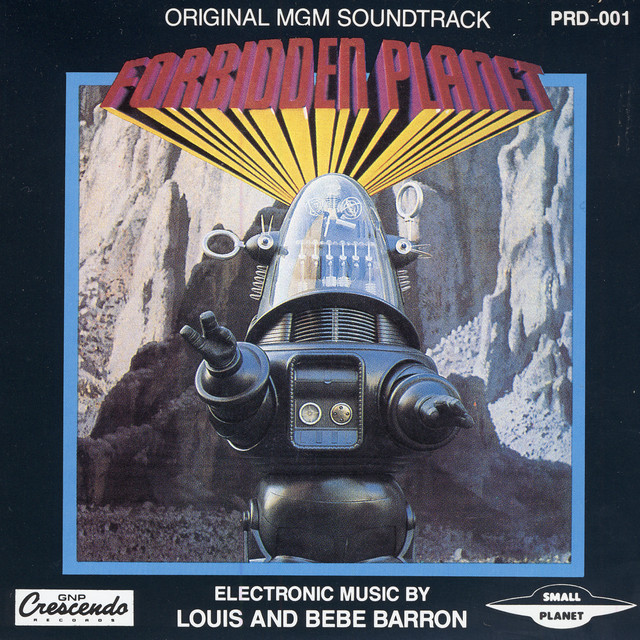
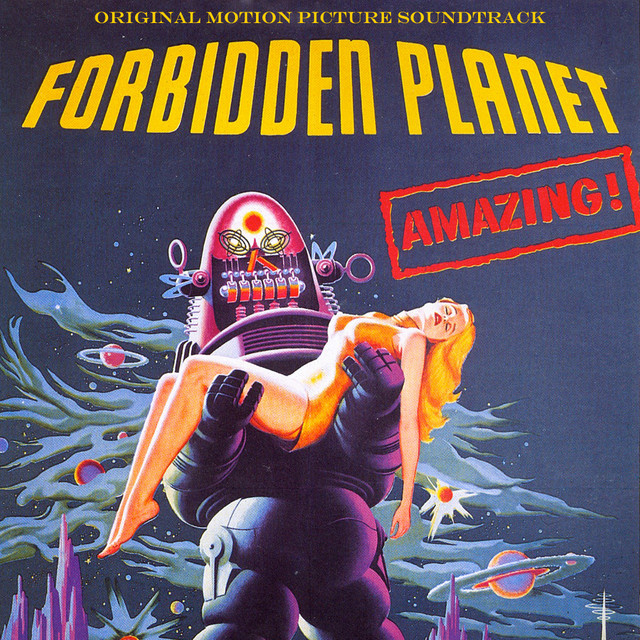
This husband and wife composer team is best known for the soundtrack to the 1956 MGM feature film, Forbidden Planet. Less well known is their close relationship to the composer <a href="spotify:artist:1Z3fF5lZdCM0ZHugkGoH8s">John Cage</a>, and their contributions to electronic music in general. The two began working together shortly after their wedding in 1948; the next year they founded an electro-acoustic music studio in their New York apartment, where they experimented with tape, musique concrète, and electronic sound sources. The Barrons built their own equipment. In 1953, <a href="spotify:artist:1Z3fF5lZdCM0ZHugkGoH8s">Cage</a> used their studio for the composition of Williams Mix -- his first tape work. The studio became the workshop for a group of experimental composers working with electronics (<a href="spotify:artist:1Z3fF5lZdCM0ZHugkGoH8s">Cage</a>'s Project of Music for Magnetic Tape), including <a href="spotify:artist:3Vmj59eAzsbiISxcCBHRCM">Morton Feldman</a>, <a href="spotify:artist:6QRlTP3eeypm5s3w0mJ9KL">Earle Brown</a>, and David Tudor. Before Forbidden Planet, the duo had composed for short experimental films, but the MGM production was their first full-length soundtrack. It was also the first Hollywood film to fully exploit the burgeoning electronic music technology. Influenced by their studies in cybernetics, the couple developed a circuitry that they felt operated in a way comparable to the human central nervous system. The soundtrack itself was not composed in a linear fashion; instead, electronics were used to directly accent the emotions and actions of the characters onscreen. The soundtrack lent credibility to the film; instead of using conventional instrumentation augmented by the typical (and even-then-clichéd) theremin wails, as was common to most science fiction films of the era, the soundtrack had a genuinely futuristic quality that thrust the film forward in time. The wide release of the film helped further the cause of electronic music.
The couple would continue to work together -- even after their divorce in 1970 -- composing film scores and works for tape. From 1985 - 1987, Bebe served as First Secretary for the Society of Electro-Acoustic Music in the United States. In 1997, the pair was awarded that organization's annual award for lifetime achievement (Louis posthumously; he died in 1989). Bebe, a SEAMUS board member, was the first woman to receive the award, which had been given previously to such composers as <a href="spotify:artist:0RkeeCvii56vYCER2jY5IH">Mario Davidovsky</a> and <a href="spotify:artist:5JrEhwnL9Yx7NqowdWBkza">Charles Dodge</a>.
The couple would continue to work together -- even after their divorce in 1970 -- composing film scores and works for tape. From 1985 - 1987, Bebe served as First Secretary for the Society of Electro-Acoustic Music in the United States. In 1997, the pair was awarded that organization's annual award for lifetime achievement (Louis posthumously; he died in 1989). Bebe, a SEAMUS board member, was the first woman to receive the award, which had been given previously to such composers as <a href="spotify:artist:0RkeeCvii56vYCER2jY5IH">Mario Davidovsky</a> and <a href="spotify:artist:5JrEhwnL9Yx7NqowdWBkza">Charles Dodge</a>.
Monthly Listeners
911
Monthly Listeners History
Track the evolution of monthly listeners over the last 28 days.
Followers
2,226
Followers History
Track the evolution of followers over the last 28 days.
Top Cities
18 listeners

16 listeners
13 listeners
12 listeners
11 listeners
Related Artists
Attilio Mineo
Louis Barron
Vladimir Ussachevsky

Jack Finlay

Gino Marinuzzi Jr.

Desmond Briscoe
Phil Young

Jorge Antunes

Tod Dockstader

Lasry - Baschet


Desmond Leslie
Dick Mills

F.C. Judd
Harry Bromley Davenport
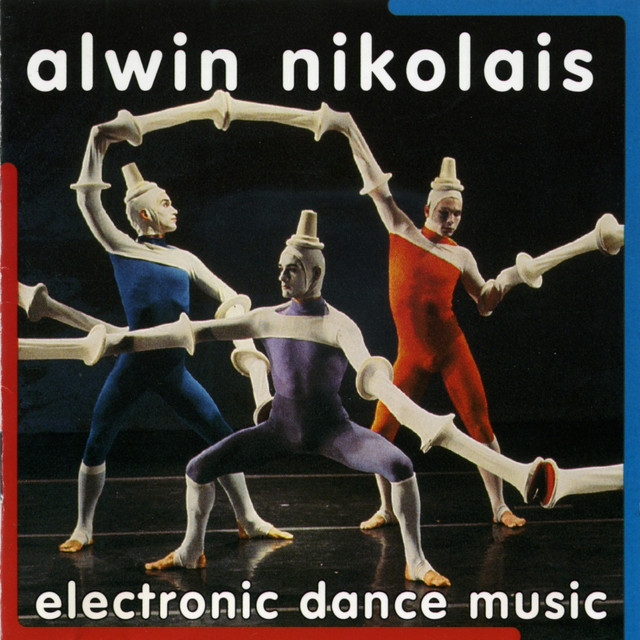
Alwin Nikolais

Malcolm Clarke

Pietro Grossi


Maddalena Fagandini

Louise Huebner
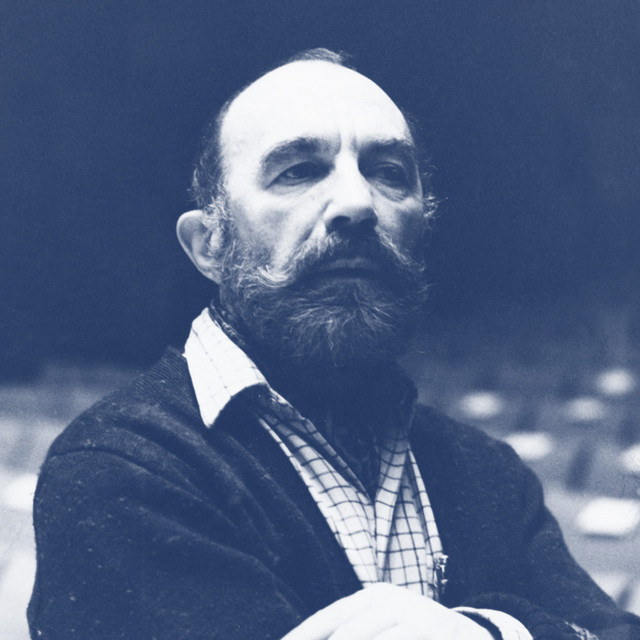
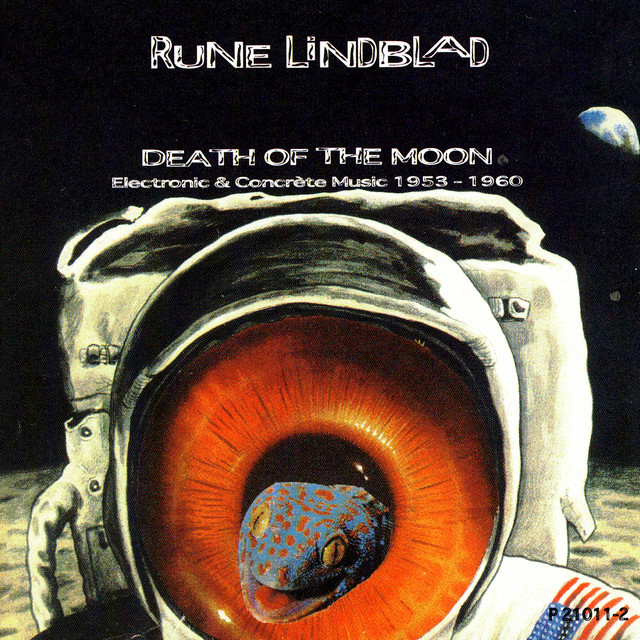
Rune Lindblad
Gottfried Michael Koenig

David Talcott

Albina Stefanou

Alice Shields