Data may be outdated
Last updated: 3 weeks ago — Click refresh to get the latest statistics.
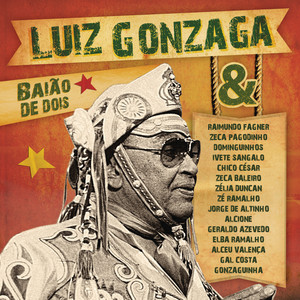
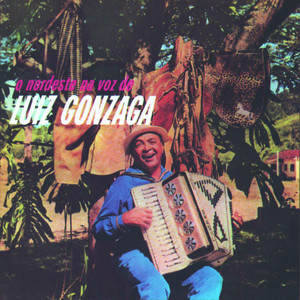
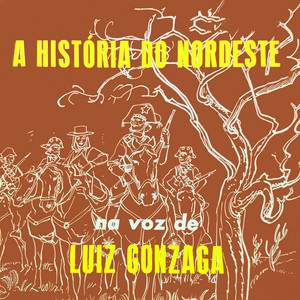
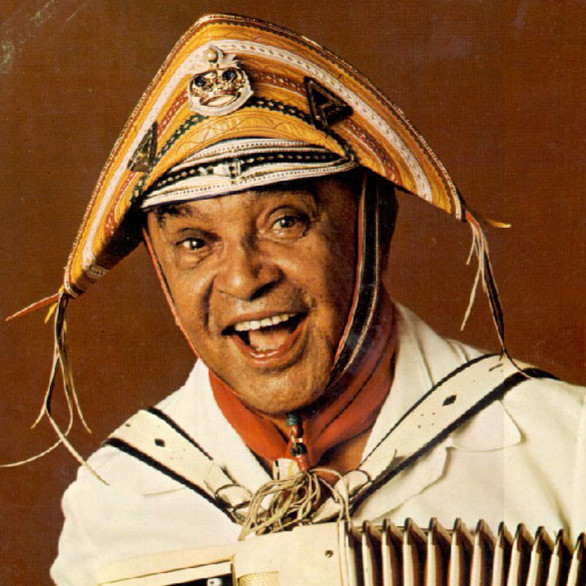
Born in the tiny farming town of Caicara in 1912, Gonzaga had little formal education as the hard life of farming put him in the fields at the age of seven. As a child Gonzaga was captivated by the stories of the Brazilian bandit/accordion player Lampiao (who died at the age of 36 in 1934). In Brazilian folklore, especially amongst those living in the northeast, Lampiao is sort of Robin Hood figure, an outlaw who served the poor and dispossessed, robbing from the rich and (mostly) giving to the poor farmers. While famous as a bandit, he was as well known for his considerable skill on the accordion his all-night dances/jam sessions. Seduced by Lampiao's romantic legacy (Gonzaga's ever-present hat was styled after one worn by Lampiao), Gonzaga took up the accordion about the same time he went into the fields. Soon, his father was accompanying him to area dances and parties where the young, Luiz was hailed as a child prodigy.
Military service interrupted Gonzaga's musical career, although while in the army he learned to play coronet. After his discharge he left the farm for the bright lights of Rio scuffling for jobs while making the bulk of his money playing in brothels. A chance meeting with the legendary <a href="spotify:artist:5hyojPlWFuUbkzy2bOgmcJ">Ary Barroso</a> got Gonzaga a spot on Barroso's radio program and brought him to the attention of RCA records. In 1946, Gonzaga recorded "Baiao" a dance song with rhythms borrowed from an older form of Brazilian called the baiano, a dance that resembles the African-American ring shout. So popular was "Baiao" that Gonzaga had not only recorded a hit single but, in fusing the past with the present, created a whole new style of Brazilian music.
Gonzaga's popularity remained high during the 1950s, slipping during the '60s as the influence of rock and roll attracted the attention of younger audiences. It was the young stars of tropicalia (<a href="spotify:artist:7HGNYPmbDrMkylWqeFCOIQ">Caetano Veloso</a> and <a href="spotify:artist:7oEkUINVIj1Nr3Wnj8tzqr">Gilberto Gil</a> among others) who championed Gonzaga's work in the early '70s, recorded his songs, and brought his music to the attention of Brazil's younger music fans. His career revived, Gonzaga, now approaching 70, toured steadily frequently appearing with the younger northeastern Brazilian artists who celebrated his dedication and genius. Gonzaga died in 1989 at the age of 77. ~ John Dougan, Rovi
Monthly Listeners
1.4 million
Monthly Listeners History
Track the evolution of monthly listeners over the last 28 days.
Followers
852,629
Followers History
Track the evolution of followers over the last 28 days.
Total Streams
833.5 million
Total Streams History
Track the evolution of total streams over the last 28 days. This data is calculated from all tracks listed in the artist's discography.
Top Cities
Related Artists





Petrúcio Amorim
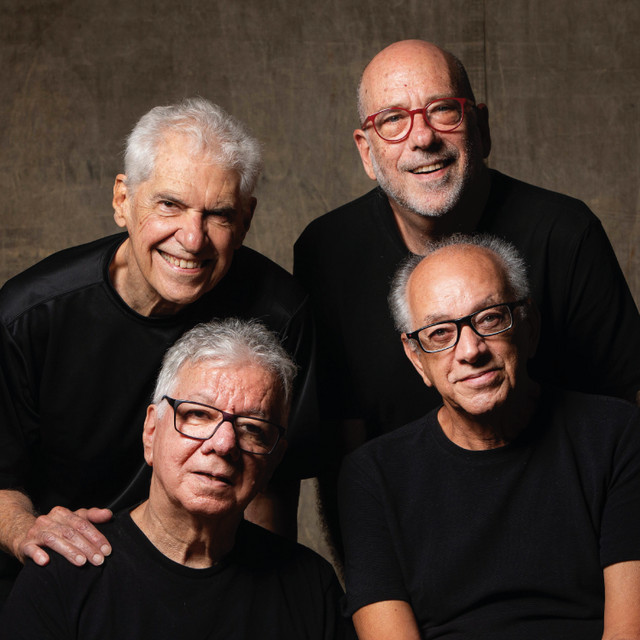
MPB4
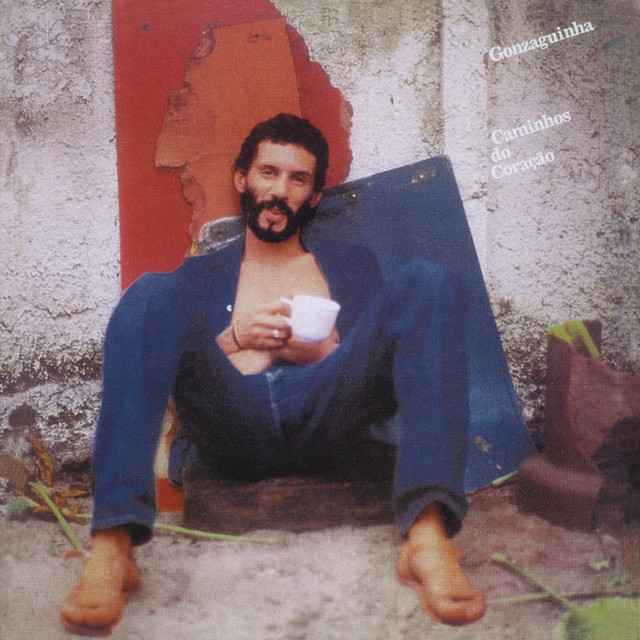
Gonzaguinha
Ney Matogrosso
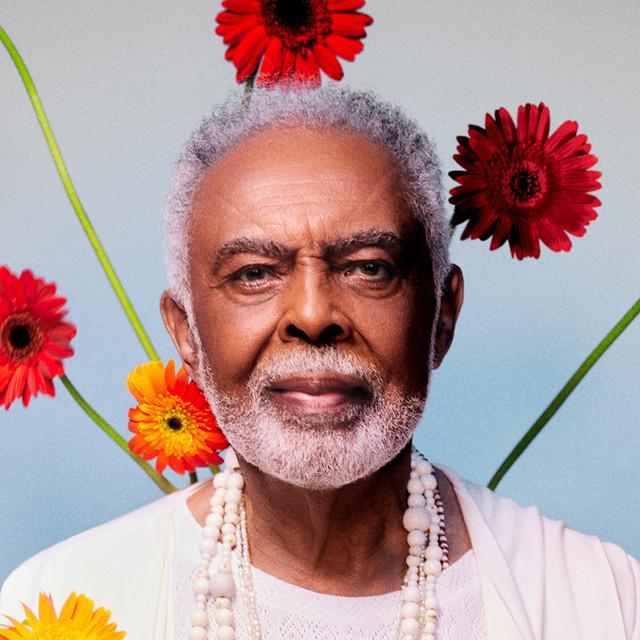
Gilberto Gil
Trio Forrozão

Ton Oliveira