
Data may be outdated
Last updated: 9 months ago — Click refresh to get the latest statistics.
With a voice essentially bass-baritone in range but with a lighter, more baritonal coloring, Max van Egmond achieved considerable fame through his series of <a href="spotify:artist:5aIqB5nVVvmFsvSdExz408">Bach</a> oratorio recordings made for Teldec under the direction of <a href="spotify:artist:0AeOzXbHJu8q2xqILEOLEO">Nikolaus Harnoncourt</a> and <a href="spotify:artist:2ANtgfhQkKpsW6EYSDqldz">Gustav Leonhardt</a>. His smooth, soft-edged timbre fit the lyric approach <a href="spotify:artist:0AeOzXbHJu8q2xqILEOLEO">Harnoncourt</a> favored, if missing something of the fire and intensity brought to <a href="spotify:artist:5aIqB5nVVvmFsvSdExz408">Bach</a>'s bass arias by certain other singers such as <a href="spotify:artist:10CN8N2O3FlGlPVJWBiu5D">Dietrich Fischer-Dieskau</a> and <a href="spotify:artist:7p96xKoNSFAgmg4SgvqXcm">John Shirley-Quirk</a>. In collaboration with these celebrated conductors, however, he found his way to an understanding of period music performance that has maintained its authority through several decades of evolving practice; his singing invariably met the highest standards for musical integrity. Born in the former Dutch East Indies, Max van Egmond continued his schooling in Holland following WWII. At Hilversum, he studied with Tine van Willigen de Lorme, also taking lessons from Dr. Anton van der Horst. At the age of 18, he joined the Nerderlandse Bach Vereniging (Netherlander Bach Society). In 1959, he was a prizewinner in the 's-Hertogenbosch Voice Competition following his friend and soprano colleague Elly Ameling, who had similarly distinguished herself three years earlier. The young bass baritone won awards at Brussels that same year and at Munich in 1964. While Egmond had made his professional debut in a performance of <a href="spotify:artist:5aIqB5nVVvmFsvSdExz408">Bach</a>'s St. Matthew Passion at Naarden in 1954, it was only in the aftermath of his competition awards that he devoted himself full-time to the music profession. He quickly gained an international following in oratorio, especially after being engaged for Teldec's massive project to record the complete passions, cantatas, and masses of <a href="spotify:artist:5aIqB5nVVvmFsvSdExz408">Bach</a>. Although he appeared with success in recital and in opera, his reputation as a singer of oratorio outranked his standing in other areas, especially with the record-buying public. With <a href="spotify:artist:0AeOzXbHJu8q2xqILEOLEO">Harnoncourt</a>, <a href="spotify:artist:0KmvC3SVTF02l4ueknQCsW">Leonhardt</a>, and <a href="spotify:artist:1jhnnBVAie5Cj2IngkLSRc">Frans Brueggen</a>, he became the leading choice in other venues and under other conductors for the performance of these works. His performances and recordings with the <a href="spotify:artist:31UpASs8WklOdK5tfVTRjb">Ricercar Consort</a> helped revive interest in seventeenth century German oratorio. Recognition came from his own country in the form of numerous honors and citations. Queen Beatrix bestowed a special decoration celebrating his decades of service to Holland's musical life. While his expertise inclined him toward the performance of period opera, Egmond occasionally ventured into more contemporary fields, performing at the Netherlands Opera in world premieres of <a href="spotify:artist:67bQGnHjFUmxsCPGFbf07L">Jurriaan Andriessen</a>'s Het Zwarte Blondje in 1962 and of Anthony Hopkins' Three's Company in 1963. The singer even sang Quinault in a 1966 production of <a href="spotify:artist:4UI5kd2hXbzrL9dH9zpK03">Cilea</a>'s Adriana Lecouvreur in 1966, a venture available in a live recording. Egmond has pursued a productive career as a teacher as well. As early as 1972, he was engaged as a teacher of singing and interpretation at Amsterdam's Muzieklyceum and from 1980 to 1995 (the year of his public retirement), he was a professor at the Sweelinck Conservatory at Amsterdam. In the United States, he forged a long-term relationship with the Baroque Performance Institute at Oberlin; since 1978, he has taught classes in interpretation, technique, and vocal diction (his own diction was of remarkable clarity). In addition to numerous master classes around the world, Egmond offers instruction each year at Mateus, Portugal, and has guided many promising singers into fruitful careers. One of his star pupils has been Dutch bass Harry van der Kamp, who, like his teacher, has made a name for himself in Baroque music performance.
Monthly Listeners
1,562
Monthly Listeners History
Track the evolution of monthly listeners over the last 28 days.
Followers
269
Followers History
Track the evolution of followers over the last 28 days.
Top Cities



Related Artists
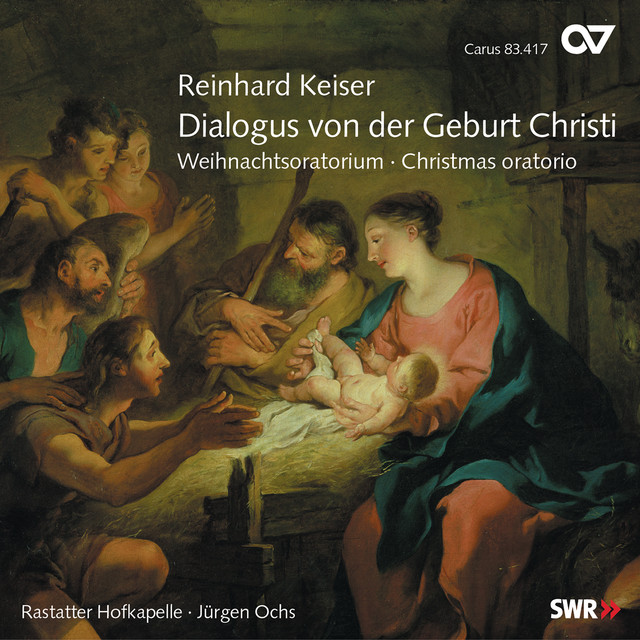
Reinhard Keiser
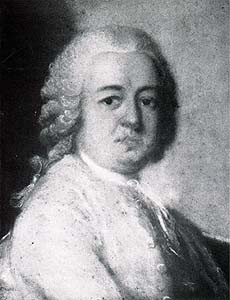
Johann Ludwig Bach
Marcel Beekman
Johann Christoph Altnickol
Charles Daniels
Nicolaus Bruhns
Nicholas Mulroy
Jürgen Jürgens
Peter de Groot

Matthew White
Johann Schelle
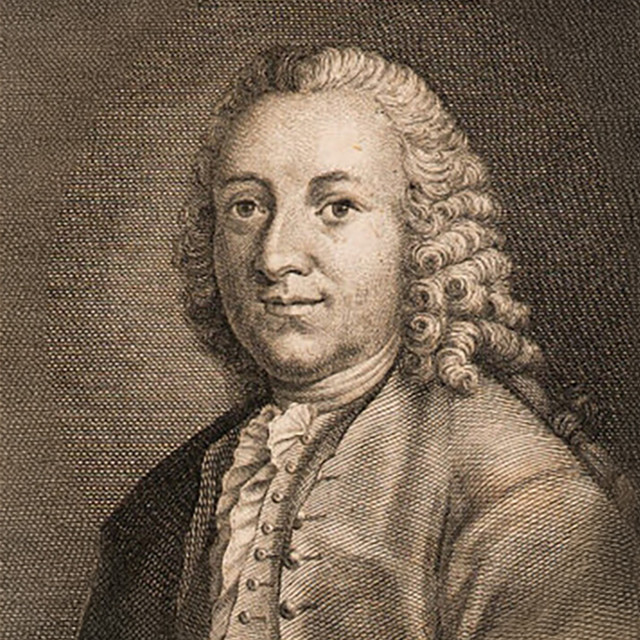
Frantisek Tuma
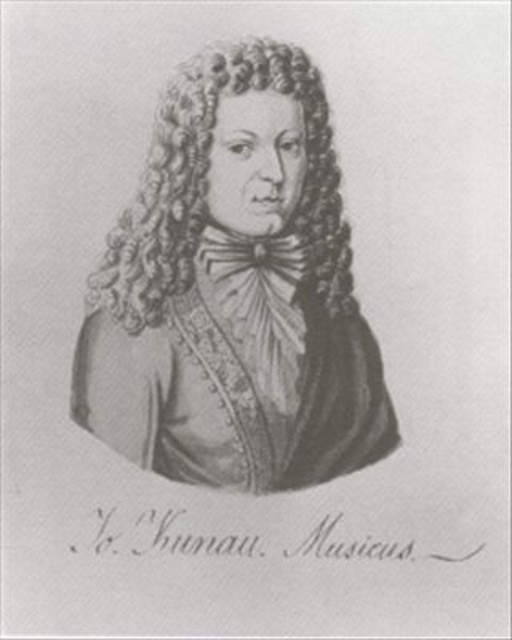
Johann Kuhnau
David Erler
Miriam Feuersinger
Katherine Watson
Johann Rosenmüller Ensemble
Stefanie True


Roland Wilson
Collegium vocale 1704


La Capella Ducale
Jana Semeradova
Johann Christoph Bach

Matthias Müller
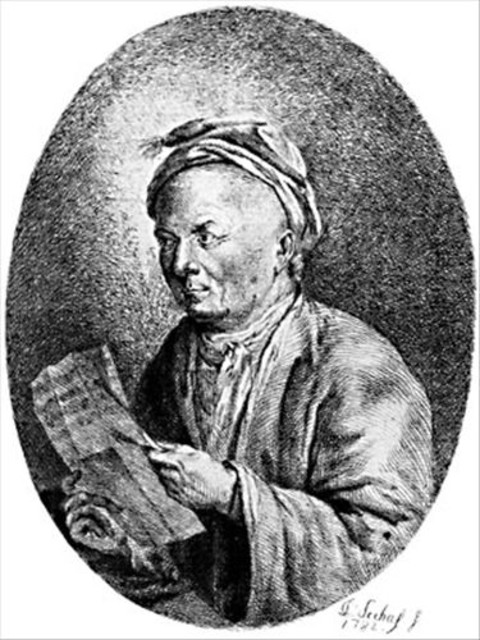
Gottfried August Homilius
Emanuele d'Astorga
Hans-Jörg Mammel
Sebastian Krause

Joël Suhubiette

Hayat Chaoui
Johann Joseph Fux
Sebastian Knüpfer

Coro della Radio Svizzera, Ensemble Vanitas & Diego Fasolis
Philippe Foulon
Henri Dumont
Šimon Brixi
