Data may be outdated
Last updated: 9 months ago — Click refresh to get the latest statistics.
Olga Samaroff was born Lucie Hickenlooper in San Antonio, TX, and began her piano studies with her mother at the age of three. By age 12, Lucie had outpaced anyone in Texas who could offer her more piano lessons and was taken to Europe by her grandmother. Offered a scholarship to the Paris Conservatoire (the first American woman so honored), she studied with Ernest Hutcheson, Antoine Marmontel, and Elie Délaborde, among others. She made her debut in Paris and returned to New York, in triumph, for her American debut in 1905. On the suggestion of her manager, she changed her name to Olga Samaroff, as her given name wasn't suitable for a concert career. Headstrong and supremely gifted as an interpreter in the grand romantic style, Samaroff swiftly became one of the most popular concert pianists of her day, touring throughout the world. Like her contemporary, opera diva Geraldine Farrar, Samaroff was idolized by scores of young women who admired her sense of independence and professional self-reliance.
In 1905, she first met organist and aspiring conductor <a href="spotify:artist:52sDxFX9DvIxUupTy8f1yx">Leopold Stokowski</a> in New York. Although Samaroff had already survived one brief, failed marriage, the two began a courtship that they kept secret for some time. She was of critical importance to <a href="spotify:artist:52sDxFX9DvIxUupTy8f1yx">Stokowski</a>, helping secure his first conducting post with the <a href="spotify:artist:47lbvBv6v9UShnf2jlHcmu">Cincinnati Symphony</a> in 1909 and pulling the strings behind the scenes for his appointment to the <a href="spotify:artist:6tdexW8bZTG8NgOFUCYQn1">Philadelphia Orchestra</a> in 1912. They married, secretly, in 1911, but <a href="spotify:artist:52sDxFX9DvIxUupTy8f1yx">Stokowski</a> was unable to remain faithful to her and they divorced in 1924. This was Samaroff's greatest source of personal pain and she never remarried, but kept the name <a href="spotify:artist:52sDxFX9DvIxUupTy8f1yx">Stokowski</a> and used it for the rest of her career.
Samaroff made her first piano rolls for Welte in 1908, but avoided recording until 1921, citing the bad sound and poor pianos common on records in her day. She finally accepted an offer from Victor to record, but only on the condition that she could do so on a full-sized Steinway concert grand. She bought the piano, but Victor had nowhere to store it, and Samaroff ended up having to buy a house in upstate New York just to have a place to put it. Nevertheless, Victor did realize from that time that a better piano made for better quality recordings, and changed their stance on the matter; in winning this battle, Samaroff set in place a standard for professional piano recordings that lasts yet today.
Unfortunately, Samaroff injured her left arm in 1926, which necessitated her withdrawal from concert life. After a stint as music critic for New York Evening Post, Samaroff moved into teaching, commuting between the Philadelphia Conservatory -- where she was head of the piano department -- and the Juilliard School for the rest of her days. She was also very active in charitable organizations, including starting the <a href="spotify:artist:2p0UyoPfYfI76PCStuXfOP">Schubert</a> Memorial Foundation in 1928, and she was nominated by President Franklin D. Roosevelt to help administrate the Federal Music Project of the WPA. Samaroff also moderated musical appreciation programs on radio and her books, such as The Layman's Music Course and An American Musician's Story (her autobiography), were widely read. When Olga Samaroff died in 1948, her picture took up the front cover of Etude Magazine and her passing was noted as a major event, particularly in the United States. Posterity has not been as kind to Samaroff, but her legacy was best exemplified through the impact made by her students, which included <a href="spotify:artist:5qsrEqlTIFVbXBB2xd7qoh">William Kapell</a>, <a href="spotify:artist:1YhVEBLYkYdYsPw8Gh7BnI">Rosalyn Tureck</a>, <a href="spotify:artist:6GE51htTrLUse0as9SF6Oq">Raymond Lewenthal</a>, <a href="spotify:artist:2fxWL96h0S44PhEa9e6mtm">Alexis Weissenberg</a>, and <a href="spotify:artist:6ELpC1O8p5SD9oiNvJurt5">Eugene List</a>, to name a few.
In 1905, she first met organist and aspiring conductor <a href="spotify:artist:52sDxFX9DvIxUupTy8f1yx">Leopold Stokowski</a> in New York. Although Samaroff had already survived one brief, failed marriage, the two began a courtship that they kept secret for some time. She was of critical importance to <a href="spotify:artist:52sDxFX9DvIxUupTy8f1yx">Stokowski</a>, helping secure his first conducting post with the <a href="spotify:artist:47lbvBv6v9UShnf2jlHcmu">Cincinnati Symphony</a> in 1909 and pulling the strings behind the scenes for his appointment to the <a href="spotify:artist:6tdexW8bZTG8NgOFUCYQn1">Philadelphia Orchestra</a> in 1912. They married, secretly, in 1911, but <a href="spotify:artist:52sDxFX9DvIxUupTy8f1yx">Stokowski</a> was unable to remain faithful to her and they divorced in 1924. This was Samaroff's greatest source of personal pain and she never remarried, but kept the name <a href="spotify:artist:52sDxFX9DvIxUupTy8f1yx">Stokowski</a> and used it for the rest of her career.
Samaroff made her first piano rolls for Welte in 1908, but avoided recording until 1921, citing the bad sound and poor pianos common on records in her day. She finally accepted an offer from Victor to record, but only on the condition that she could do so on a full-sized Steinway concert grand. She bought the piano, but Victor had nowhere to store it, and Samaroff ended up having to buy a house in upstate New York just to have a place to put it. Nevertheless, Victor did realize from that time that a better piano made for better quality recordings, and changed their stance on the matter; in winning this battle, Samaroff set in place a standard for professional piano recordings that lasts yet today.
Unfortunately, Samaroff injured her left arm in 1926, which necessitated her withdrawal from concert life. After a stint as music critic for New York Evening Post, Samaroff moved into teaching, commuting between the Philadelphia Conservatory -- where she was head of the piano department -- and the Juilliard School for the rest of her days. She was also very active in charitable organizations, including starting the <a href="spotify:artist:2p0UyoPfYfI76PCStuXfOP">Schubert</a> Memorial Foundation in 1928, and she was nominated by President Franklin D. Roosevelt to help administrate the Federal Music Project of the WPA. Samaroff also moderated musical appreciation programs on radio and her books, such as The Layman's Music Course and An American Musician's Story (her autobiography), were widely read. When Olga Samaroff died in 1948, her picture took up the front cover of Etude Magazine and her passing was noted as a major event, particularly in the United States. Posterity has not been as kind to Samaroff, but her legacy was best exemplified through the impact made by her students, which included <a href="spotify:artist:5qsrEqlTIFVbXBB2xd7qoh">William Kapell</a>, <a href="spotify:artist:1YhVEBLYkYdYsPw8Gh7BnI">Rosalyn Tureck</a>, <a href="spotify:artist:6GE51htTrLUse0as9SF6Oq">Raymond Lewenthal</a>, <a href="spotify:artist:2fxWL96h0S44PhEa9e6mtm">Alexis Weissenberg</a>, and <a href="spotify:artist:6ELpC1O8p5SD9oiNvJurt5">Eugene List</a>, to name a few.
Monthly Listeners
1,640
Monthly Listeners History
Track the evolution of monthly listeners over the last 28 days.
Followers
158
Followers History
Track the evolution of followers over the last 28 days.
Top Cities
33 listeners

22 listeners

18 listeners

15 listeners
14 listeners

Related Artists
Frederic Lamond
Arthur Friedheim
Sophia Vaillant

Arthur De Greef
Genevieve Pitot

Junghwa Lee
Ernest Schelling
David Quigley

Etsuko Hirose

Elly Ney
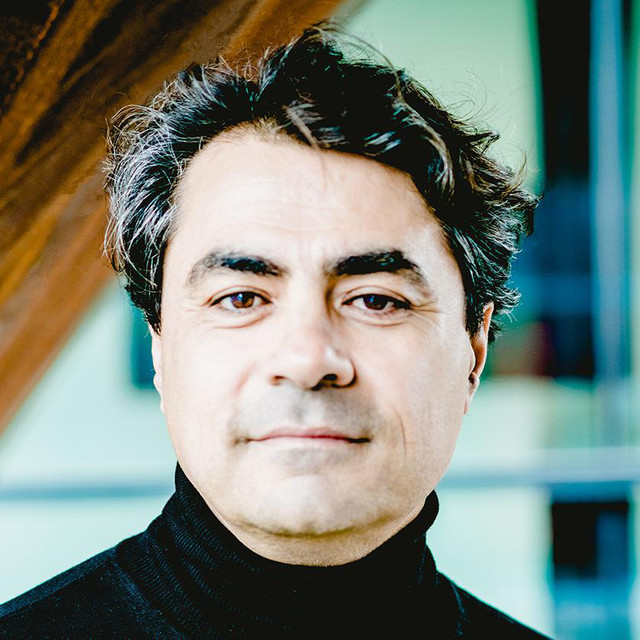
Gustavo Diaz Jerez

Ana Benavides
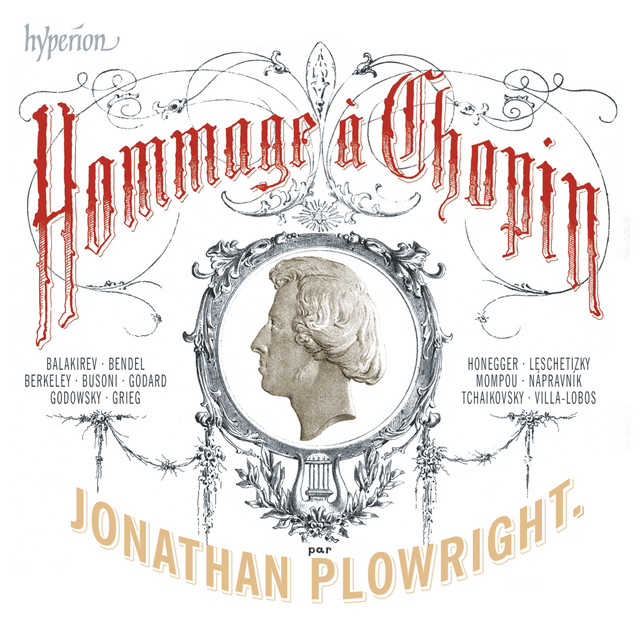
Franz Bendel
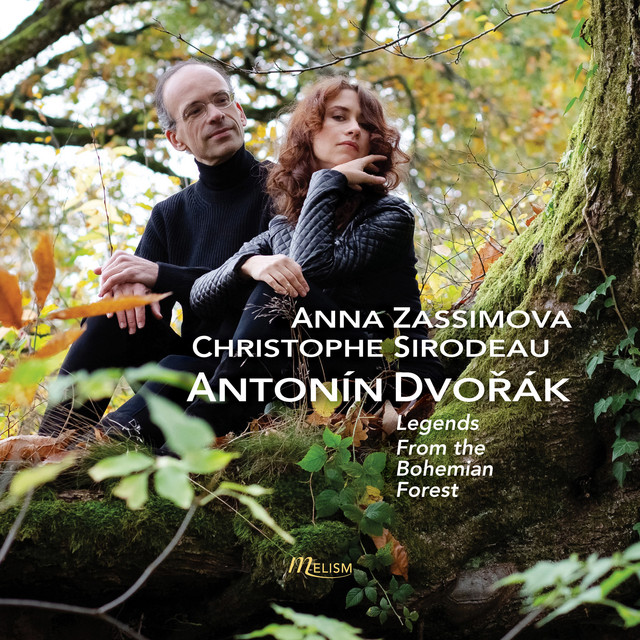
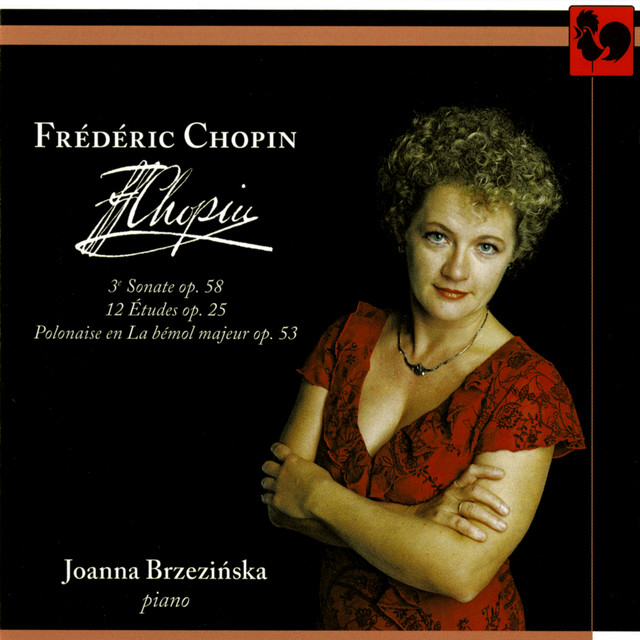
Joanna Brzezinska

Evgeny Samoyloff
Andrés Navarro

Arthur Nikisch

Jeanne-Marie Darre

Signe Lund
Sebastian Stanley

Mark Hambourg

Michel Block
Frederick G. Albers
Bernhard Stavenhagen

Daniela Roma

Luke Welch


Robert Armbruster

Delphine von Schauroth
John Henry Powell

Jon Kimura Parker

Boris Bekhterev
Theodor Leschetizky
Wojciech Świtała