Data may be outdated
Last updated: 9 months ago — Click refresh to get the latest statistics.
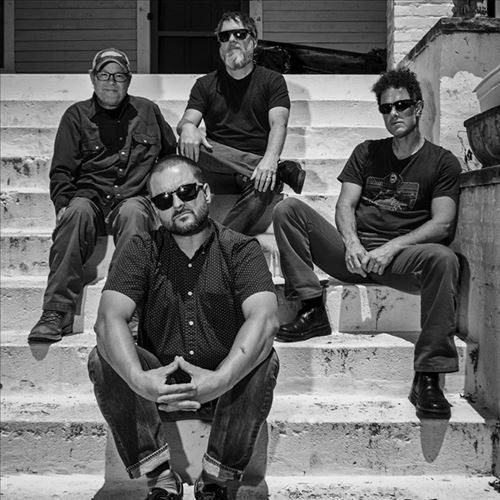
Rising out of the Boston indie rock scene that earlier spawned their chief influences <a href="spotify:artist:6zvul52xwTWzilBZl6BUbT">the Pixies</a>, Orbit's brand of punky, poppy alternative rock was initially the product of a power trio: guitarist/vocalist Jeff Robbins, bassist Mark Brookner, and drummer Paul Buckley. They got together in early 1994 and started playing around the Boston area, and drummer Buckley soon formed his own record label, Lunch. After several smaller releases, Orbit issued their full-length debut, La Mano, on Lunch in 1995. Brookner played his last show with the band late that year and was replaced by <a href="spotify:artist:3GcFad5CSZWvH6QcemC2AP">Wally Gagel</a>, by which time Orbit was starting to build a following on the indie scene. Eventually, the buzz grew to the point where A&M offered them a contract.
Orbit's major-label debut, Libido Speedway, was released in early 1997, and produced a modern-rock radio hit in "Medicine." Bassist <a href="spotify:artist:3GcFad5CSZWvH6QcemC2AP">Gagel</a>, who already had some studio credits under his belt (including the Kids soundtrack, where he co-wrote the surprise <a href="spotify:artist:6DM1YETeVIN3ce24DhnMhU">Folk Implosion</a> hit "Natural One"), served as the album's engineer, which soon became a lucrative aspect of his career; as a producer, engineer, and/or mixer, he worked with a number of alternative artists including <a href="spotify:artist:3h1HOgVmvPlhqjz8o3LglL">Belly</a>, <a href="spotify:artist:7lmde7T1WJPFwv1eR6melP">Superchunk</a>, <a href="spotify:artist:2wrhBKGC3DTNNNDRJPaxW6">Sebadoh</a>, <a href="spotify:artist:3zunDAtRDg7kflREzWAhxl">the Eels</a>, <a href="spotify:artist:4L1danWWAgSc0b7nBgY9CB">Juliana Hatfield</a>, and <a href="spotify:artist:27AzFtMZhRN78bAMPntbpF">the Old 97's</a>, not to mention <a href="spotify:artist:22bE4uQ6baNwSHPVcDxLCe">the Rolling Stones</a> on their Bridges to Babylon album. Meanwhile, Orbit set about recording a follow-up album, Guide to Better Living, which was completed right around the time A&M was swallowed up in the 1999 Polygram/Universal merger. By the time the dust settled, the label decided not to release the album, and Orbit was out of a deal.
<a href="spotify:artist:3GcFad5CSZWvH6QcemC2AP">Gagel</a> drifted away from the group to concentrate on his studio career, and the band revamped its lineup with bassist Linda Bean (formerly of <a href="spotify:artist:3EVQeU3y2PVFw2CHs5pnuc">PermaFrost</a> and <a href="spotify:artist:4s0rzj8cZfBFFVb3gyxTf7">Frigate</a>) and second guitarist Fred Archambault, who'd served as Orbit's guitar tech. They returned to Buckley's Lunch label, which began signing Boston-area acts as well, and recorded new material using cheaper digital equipment. Their first effort was the 2000 EP Tonedeaf, which was followed by the band's third full-length album, XLR8R, in 2001; both were mixed by <a href="spotify:artist:3GcFad5CSZWvH6QcemC2AP">Gagel</a>. ~ Steve Huey, Rovi
Orbit's major-label debut, Libido Speedway, was released in early 1997, and produced a modern-rock radio hit in "Medicine." Bassist <a href="spotify:artist:3GcFad5CSZWvH6QcemC2AP">Gagel</a>, who already had some studio credits under his belt (including the Kids soundtrack, where he co-wrote the surprise <a href="spotify:artist:6DM1YETeVIN3ce24DhnMhU">Folk Implosion</a> hit "Natural One"), served as the album's engineer, which soon became a lucrative aspect of his career; as a producer, engineer, and/or mixer, he worked with a number of alternative artists including <a href="spotify:artist:3h1HOgVmvPlhqjz8o3LglL">Belly</a>, <a href="spotify:artist:7lmde7T1WJPFwv1eR6melP">Superchunk</a>, <a href="spotify:artist:2wrhBKGC3DTNNNDRJPaxW6">Sebadoh</a>, <a href="spotify:artist:3zunDAtRDg7kflREzWAhxl">the Eels</a>, <a href="spotify:artist:4L1danWWAgSc0b7nBgY9CB">Juliana Hatfield</a>, and <a href="spotify:artist:27AzFtMZhRN78bAMPntbpF">the Old 97's</a>, not to mention <a href="spotify:artist:22bE4uQ6baNwSHPVcDxLCe">the Rolling Stones</a> on their Bridges to Babylon album. Meanwhile, Orbit set about recording a follow-up album, Guide to Better Living, which was completed right around the time A&M was swallowed up in the 1999 Polygram/Universal merger. By the time the dust settled, the label decided not to release the album, and Orbit was out of a deal.
<a href="spotify:artist:3GcFad5CSZWvH6QcemC2AP">Gagel</a> drifted away from the group to concentrate on his studio career, and the band revamped its lineup with bassist Linda Bean (formerly of <a href="spotify:artist:3EVQeU3y2PVFw2CHs5pnuc">PermaFrost</a> and <a href="spotify:artist:4s0rzj8cZfBFFVb3gyxTf7">Frigate</a>) and second guitarist Fred Archambault, who'd served as Orbit's guitar tech. They returned to Buckley's Lunch label, which began signing Boston-area acts as well, and recorded new material using cheaper digital equipment. Their first effort was the 2000 EP Tonedeaf, which was followed by the band's third full-length album, XLR8R, in 2001; both were mixed by <a href="spotify:artist:3GcFad5CSZWvH6QcemC2AP">Gagel</a>. ~ Steve Huey, Rovi
Monthly Listeners
10,460
Monthly Listeners History
Track the evolution of monthly listeners over the last 28 days.
Followers
2,072
Followers History
Track the evolution of followers over the last 28 days.
Top Cities
172 listeners

136 listeners
117 listeners

98 listeners

98 listeners
Related Artists

Spot

Verbena
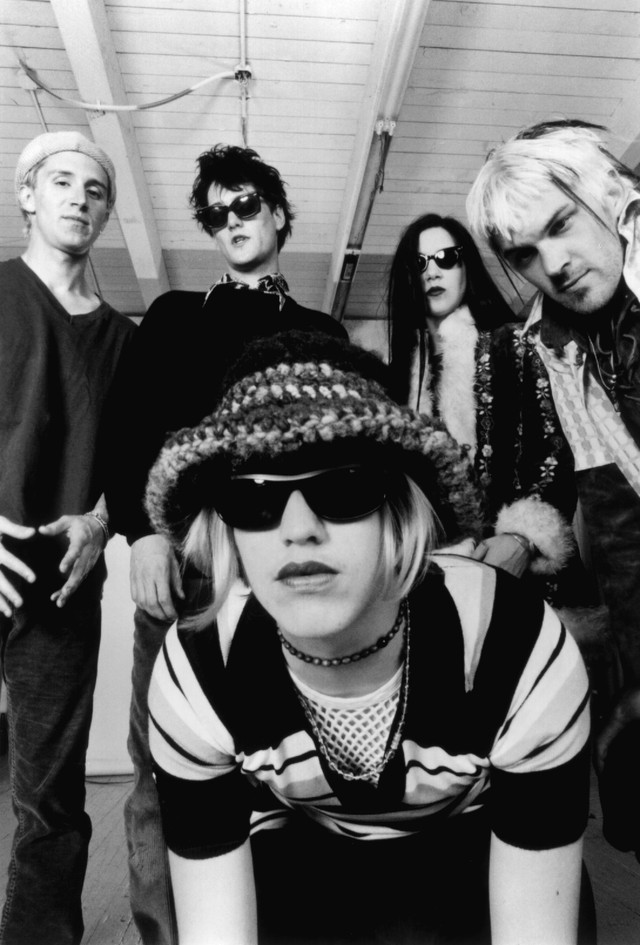

Fig Dish




Gren


Smile