Data may be outdated
Last updated: 9 months ago — Click refresh to get the latest statistics.
Born in 1963 in Maras in southeastern Turkey, Ozan Ata Canani arrived in Germany in mid 1975, more precisely in Bremerhaven. A few years later he moved to Cologne, and today he lives in the immediate vicinity of the cathedral city in Leverkusen.
Early on he began to play the Turkish long-necked lute "Baglama". At the age of 15, he began to deal with the acute problems and worries - strangers, exclusion, working and living conditions as well as homesickness of the generation of guest workers in Germany at that time - in German and Turkish texts.
Ozan Ata Canani is the inventor of the Turkish song in German. A living legend. After many years of silence, his song "Deutsche Freunde" (German Friends) is more topical than ever before in the course of the integration debate, especially among Turkish immigrants, as a testimony of the times. It gives us forgotten, but nevertheless important insights and memories about the background and causes of the problems of the integration debate.
Canani speaks for the first generation, for the "dirt and garbage workers, steel construction and railroad workers"; from "Turkey, from Italy, from Portugal, Spain, Greece, Yugoslavia".
He sings: "Workers were called, our German friends, but people came, our German friends, not machines, but people." But he also speaks for himself, the second generation: "And the children of these people live in two worlds. I am Ata and I ask you where we belong now."
Early on he began to play the Turkish long-necked lute "Baglama". At the age of 15, he began to deal with the acute problems and worries - strangers, exclusion, working and living conditions as well as homesickness of the generation of guest workers in Germany at that time - in German and Turkish texts.
Ozan Ata Canani is the inventor of the Turkish song in German. A living legend. After many years of silence, his song "Deutsche Freunde" (German Friends) is more topical than ever before in the course of the integration debate, especially among Turkish immigrants, as a testimony of the times. It gives us forgotten, but nevertheless important insights and memories about the background and causes of the problems of the integration debate.
Canani speaks for the first generation, for the "dirt and garbage workers, steel construction and railroad workers"; from "Turkey, from Italy, from Portugal, Spain, Greece, Yugoslavia".
He sings: "Workers were called, our German friends, but people came, our German friends, not machines, but people." But he also speaks for himself, the second generation: "And the children of these people live in two worlds. I am Ata and I ask you where we belong now."
Monthly Listeners
1,840
Monthly Listeners History
Track the evolution of monthly listeners over the last 28 days.
Followers
2,043
Followers History
Track the evolution of followers over the last 28 days.
Top Cities
257 listeners

113 listeners
95 listeners
72 listeners
72 listeners
Related Artists


TEll A ViSiON
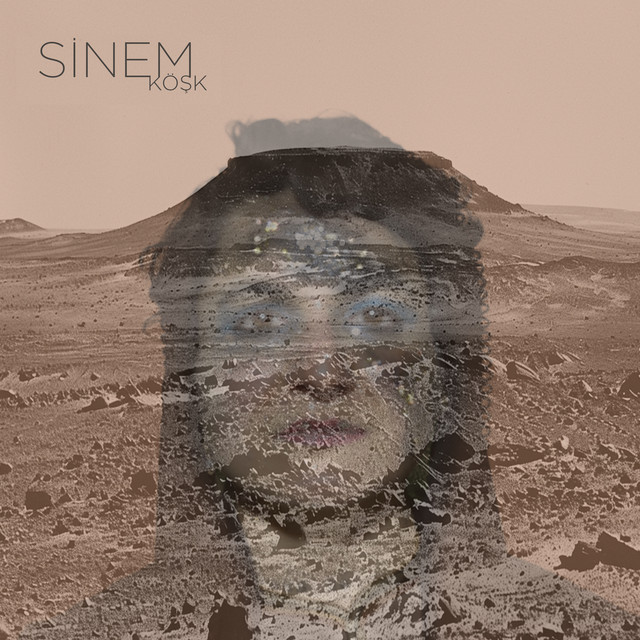
Sinem

Meral Polat
Ozan Ata Canani
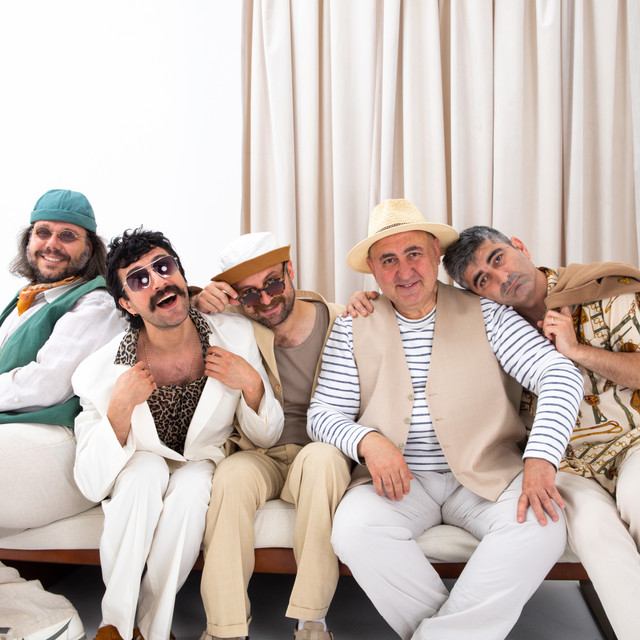

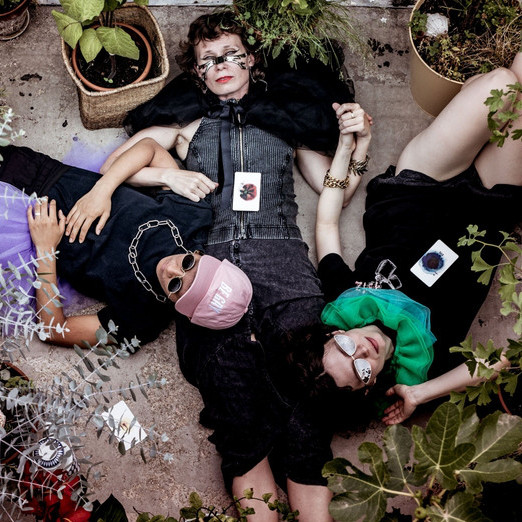



PRINCIPESS


Otto von Bismarck

Yusuf
Aşık Şah Turna

Bayon
Matthias Strzoda
Özay Fecht

WILDES

David Julian Kirchner

Kayserili Aşık Metin Türköz



Magdalena Spinka


Greta Schloch


Brezel Göring


18Simon

Isabelle Pabst