Last updated: 4 hours ago
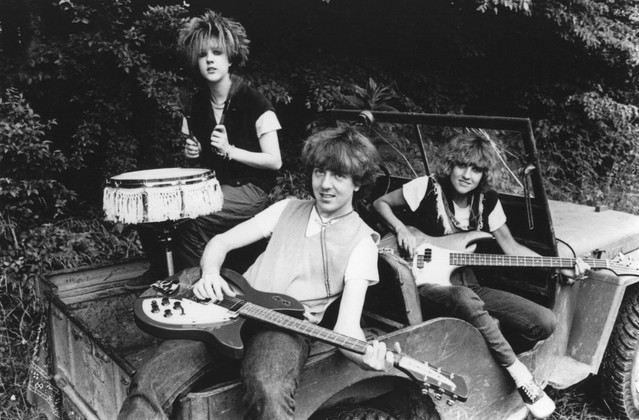
One of the best bands to emerge from the West Coast new wave/power pop boom of the late '70s, the Paul Collins' Beat (aka <a href="spotify:artist:6izO47rLWLrNUnYMwWGdse">the Beat</a>) merged tough but hook-laden tunes with vigorous, upbeat performances and plenty of rock-solid guitar work. <a href="spotify:artist:626sWfma3ur1YG5JL5UjSH">Collins</a> was one of the pioneering figures on the Los Angeles scene at the dawn of punk as part of the influential pop band <a href="spotify:artist:298i00ena8XMnm9O3qlHtU">the Nerves</a>, and he went on to lead <a href="spotify:artist:6izO47rLWLrNUnYMwWGdse">the Beat</a>, who issued a cult-classic debut album in 1979. <a href="spotify:artist:626sWfma3ur1YG5JL5UjSH">Collins</a> would lead the group through a constantly shifting lineup into the 2000s, and while the country and roots rock influences of his solo work of the '90s would color 1988's One Night and 2006's Flying High, <a href="spotify:artist:6izO47rLWLrNUnYMwWGdse">the Beat</a>'s signature sound, driven by <a href="spotify:artist:626sWfma3ur1YG5JL5UjSH">Collins</a>' spunky rhythm guitars and succinct songwriting, would remain their trademark and please power pop fans around the world, especially in Spain.
<a href="spotify:artist:626sWfma3ur1YG5JL5UjSH">Paul Collins</a> was born in New York City; his father was a civilian who worked with the U.S. military, a job that kept his family on the move, and young <a href="spotify:artist:626sWfma3ur1YG5JL5UjSH">Paul</a> spent time in Greece, Vietnam, and Europe before ending up back in Manhattan at the age of 14. After graduating from high school, <a href="spotify:artist:626sWfma3ur1YG5JL5UjSH">Collins</a> studied composition at the Juilliard School of Music, but listening to AM radio and seeing shows at the Fillmore East had a greater impact on him, and in the early '70s he moved to California to pursue his musical vision of short, punchy rock songs with copious hooks.
In 1974, <a href="spotify:artist:626sWfma3ur1YG5JL5UjSH">Collins</a> met like-minded songwriters <a href="spotify:artist:771bZ8ZHkvOqkI7baL68X3">Peter Case</a> and Jack Lee, and they formed a pioneering power pop band called <a href="spotify:artist:298i00ena8XMnm9O3qlHtU">the Nerves</a>. Playing fast, ear-catching pop songs while wearing matching pink suits, <a href="spotify:artist:298i00ena8XMnm9O3qlHtU">the Nerves</a> had more than a bit of the street energy that would later manifest in Los Angeles' early punk movement, and like the punks, <a href="spotify:artist:298i00ena8XMnm9O3qlHtU">the Nerves</a> made their own opportunities when L.A. clubs didn't know what to make of them. <a href="spotify:artist:298i00ena8XMnm9O3qlHtU">The Nerves</a> booked their own shows, did a nationwide tour of small venues on their own dime, and in 1976 put out a four-song 7" EP on their own label.
While <a href="spotify:artist:4tpUmLEVLCGFr93o8hFFIB">Blondie</a> would have an early hit with a <a href="spotify:artist:298i00ena8XMnm9O3qlHtU">Nerves</a> cover, "Hanging on the Telephone," the band broke up in 1978, and not long afterward <a href="spotify:artist:626sWfma3ur1YG5JL5UjSH">Collins</a> set out to form a new band. Hooking up with bassist Steve Huff, former <a href="spotify:artist:5AUo69X7duU857S6tdpiVw">Milk 'n' Cookies</a> drummer Mike Ruiz, and guitarist Larry Whitman, <a href="spotify:artist:626sWfma3ur1YG5JL5UjSH">Collins</a> formed <a href="spotify:artist:6izO47rLWLrNUnYMwWGdse">the Beat</a>, whose tight, wiry hard-rockin' pop tunes picked up where <a href="spotify:artist:298i00ena8XMnm9O3qlHtU">the Nerves</a> left off. Championed by <a href="spotify:artist:4Tw2N3wdvJPGEU7JqMxFfE">Eddie Money</a>, <a href="spotify:artist:6izO47rLWLrNUnYMwWGdse">the Beat</a> landed a management deal with West Coast rock powerhouse Bill Graham and a record contract with <a href="spotify:search:label%3A%22Columbia%22">Columbia</a>, releasing their first album (simply called The Beat) in 1979. While reviews were positive, for the most part American radio was still closed to "new wave" bands, and when <a href="spotify:artist:0Nn9YwJzcaeuU1jJL06e3r">the Knack</a> broke through later the same year, it didn't help that <a href="spotify:artist:0Nn9YwJzcaeuU1jJL06e3r">the Knack</a> sounded more than a little bit like <a href="spotify:artist:6izO47rLWLrNUnYMwWGdse">the Beat</a> -- leading some to believe <a href="spotify:artist:626sWfma3ur1YG5JL5UjSH">Collins</a> was copying a style he had helped to invent.
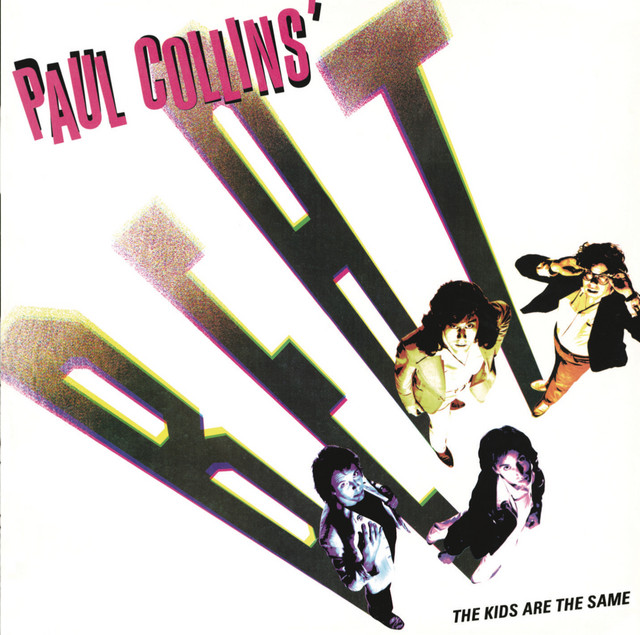
It wasn't until 1982 that <a href="spotify:artist:626sWfma3ur1YG5JL5UjSH">Collins</a> was able to release a follow-up, and thanks to the burgeoning popularity of the British ska band <a href="spotify:artist:4R90PNicCsCsEoRm8XwiMS">the Beat,</a> The Kids Are the Same was credited to Paul Collins' Beat. (It also featured drummer Dennis Conway, who replaced Mike Ruiz in the lineup.) Despite extensive touring, the album fared poorly with record buyers, and <a href="spotify:search:label%3A%22Columbia%22">Columbia</a> dropped the band; their next record, 1983's To Beat or Not to Beat, was an EP for the independent Passport label. The disc also featured a new edition of the band, with <a href="spotify:artist:626sWfma3ur1YG5JL5UjSH">Collins</a> and Steve Huff joined by guitarist Jimmy Ripp (who had worked with <a href="spotify:artist:4rxXqaQUe5udkRsGRDDDIY">Tom Verlaine</a>) and drummer Jay Dee Daugherty (best known for his work with the Patti Smith Group). Another indie EP, Long Time Gone, appeared in 1985; this time, <a href="spotify:artist:626sWfma3ur1YG5JL5UjSH">Collins</a> and Huff were joined by guitarist Jim Barber and drummer Paul Bultitude. <a href="spotify:artist:626sWfma3ur1YG5JL5UjSH">Collins</a> and <a href="spotify:artist:6izO47rLWLrNUnYMwWGdse">the Beat</a> had developed a loyal Spanish fan following, and <a href="spotify:artist:626sWfma3ur1YG5JL5UjSH">Collins</a> and Huff played several Beat shows in Spain, with help from guitarist Emilio Huertas and drummer Manolo De Palma. A July 1986 concert in Madrid was recorded and released as Live at the Universal. The live disc was issued by the Spanish indie label Producciones Twins, who struck a deal with <a href="spotify:artist:626sWfma3ur1YG5JL5UjSH">Collins</a> for his next Beat album, 1988's One Night. Once again, the group had gone through personnel changes, and guitarist and multi-instrumentalist Jeff Leeds and percussionist Hector Toro joined them for the sessions.
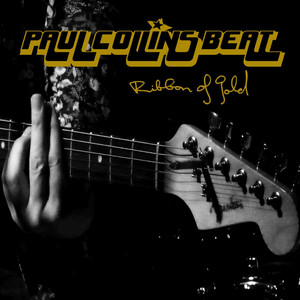
After One Night had run its course, <a href="spotify:artist:626sWfma3ur1YG5JL5UjSH">Collins</a> struck out on his own and released a pair of fine country-rock albums, 1992's Paul Collins and 1993's From Town to Town. In 1997, <a href="spotify:artist:626sWfma3ur1YG5JL5UjSH">Collins</a> brought out the album Live in Spain, and while not credited to <a href="spotify:artist:6izO47rLWLrNUnYMwWGdse">the Beat</a>, the performance was dominated by songs from the group's catalog. In 2005, <a href="spotify:artist:626sWfma3ur1YG5JL5UjSH">Collins</a> put together a new version of <a href="spotify:artist:6izO47rLWLrNUnYMwWGdse">the Beat</a> for a tour of Europe, and a digital-only live album from the road trip was released online. Working with a handful of Spanish musicians, including guitarist Octavio Vinck, bassist Carlos Guardado, and drummer Gines Martinez, <a href="spotify:artist:626sWfma3ur1YG5JL5UjSH">Collins</a> cut another Paul Collins' Beat album, 2006's Flying High. While playing a festival date in Italy, <a href="spotify:artist:626sWfma3ur1YG5JL5UjSH">Collins</a> and Vinck met Swedish producer Chips Kiesbye, best known for his work with <a href="spotify:artist:1lsXuaLnHnfL7GoJXKkUtH">the Hellacopters</a> and <a href="spotify:artist:1oy9v5jsSnvtNrjgr0rr8t">the Nomads</a>. <a href="spotify:artist:626sWfma3ur1YG5JL5UjSH">Collins</a> asked Kiesbye if he'd like to produce his next album, and Kiesbye immediately said yes. With Kiesbye at the controls, <a href="spotify:artist:626sWfma3ur1YG5JL5UjSH">Collins</a> and his latest edition of <a href="spotify:artist:6izO47rLWLrNUnYMwWGdse">the Beat</a> recorded Ribbon of Gold, which was released in 2008.
Two years later, <a href="spotify:artist:626sWfma3ur1YG5JL5UjSH">Collins</a> had retired the name the Paul Collins' Beat and released his album King of Power Pop simply as <a href="spotify:artist:626sWfma3ur1YG5JL5UjSH">Paul Collins</a>, though the album certainly reflected the tough but tuneful approach of the band's classic era. <a href="spotify:artist:626sWfma3ur1YG5JL5UjSH">Collins</a> unearthed a treat for fans of <a href="spotify:artist:6izO47rLWLrNUnYMwWGdse">the Beat</a>'s first era with the cassette-only release Live 1979, assembled from archival recordings of two shows from that year. He offered another look into his past with the 2020 collecton Another World: The Best of the Archives, drawn from his collection of rare and unreleased Beat material. ~ Mark Deming, Rovi
<a href="spotify:artist:626sWfma3ur1YG5JL5UjSH">Paul Collins</a> was born in New York City; his father was a civilian who worked with the U.S. military, a job that kept his family on the move, and young <a href="spotify:artist:626sWfma3ur1YG5JL5UjSH">Paul</a> spent time in Greece, Vietnam, and Europe before ending up back in Manhattan at the age of 14. After graduating from high school, <a href="spotify:artist:626sWfma3ur1YG5JL5UjSH">Collins</a> studied composition at the Juilliard School of Music, but listening to AM radio and seeing shows at the Fillmore East had a greater impact on him, and in the early '70s he moved to California to pursue his musical vision of short, punchy rock songs with copious hooks.
In 1974, <a href="spotify:artist:626sWfma3ur1YG5JL5UjSH">Collins</a> met like-minded songwriters <a href="spotify:artist:771bZ8ZHkvOqkI7baL68X3">Peter Case</a> and Jack Lee, and they formed a pioneering power pop band called <a href="spotify:artist:298i00ena8XMnm9O3qlHtU">the Nerves</a>. Playing fast, ear-catching pop songs while wearing matching pink suits, <a href="spotify:artist:298i00ena8XMnm9O3qlHtU">the Nerves</a> had more than a bit of the street energy that would later manifest in Los Angeles' early punk movement, and like the punks, <a href="spotify:artist:298i00ena8XMnm9O3qlHtU">the Nerves</a> made their own opportunities when L.A. clubs didn't know what to make of them. <a href="spotify:artist:298i00ena8XMnm9O3qlHtU">The Nerves</a> booked their own shows, did a nationwide tour of small venues on their own dime, and in 1976 put out a four-song 7" EP on their own label.
While <a href="spotify:artist:4tpUmLEVLCGFr93o8hFFIB">Blondie</a> would have an early hit with a <a href="spotify:artist:298i00ena8XMnm9O3qlHtU">Nerves</a> cover, "Hanging on the Telephone," the band broke up in 1978, and not long afterward <a href="spotify:artist:626sWfma3ur1YG5JL5UjSH">Collins</a> set out to form a new band. Hooking up with bassist Steve Huff, former <a href="spotify:artist:5AUo69X7duU857S6tdpiVw">Milk 'n' Cookies</a> drummer Mike Ruiz, and guitarist Larry Whitman, <a href="spotify:artist:626sWfma3ur1YG5JL5UjSH">Collins</a> formed <a href="spotify:artist:6izO47rLWLrNUnYMwWGdse">the Beat</a>, whose tight, wiry hard-rockin' pop tunes picked up where <a href="spotify:artist:298i00ena8XMnm9O3qlHtU">the Nerves</a> left off. Championed by <a href="spotify:artist:4Tw2N3wdvJPGEU7JqMxFfE">Eddie Money</a>, <a href="spotify:artist:6izO47rLWLrNUnYMwWGdse">the Beat</a> landed a management deal with West Coast rock powerhouse Bill Graham and a record contract with <a href="spotify:search:label%3A%22Columbia%22">Columbia</a>, releasing their first album (simply called The Beat) in 1979. While reviews were positive, for the most part American radio was still closed to "new wave" bands, and when <a href="spotify:artist:0Nn9YwJzcaeuU1jJL06e3r">the Knack</a> broke through later the same year, it didn't help that <a href="spotify:artist:0Nn9YwJzcaeuU1jJL06e3r">the Knack</a> sounded more than a little bit like <a href="spotify:artist:6izO47rLWLrNUnYMwWGdse">the Beat</a> -- leading some to believe <a href="spotify:artist:626sWfma3ur1YG5JL5UjSH">Collins</a> was copying a style he had helped to invent.
It wasn't until 1982 that <a href="spotify:artist:626sWfma3ur1YG5JL5UjSH">Collins</a> was able to release a follow-up, and thanks to the burgeoning popularity of the British ska band <a href="spotify:artist:4R90PNicCsCsEoRm8XwiMS">the Beat,</a> The Kids Are the Same was credited to Paul Collins' Beat. (It also featured drummer Dennis Conway, who replaced Mike Ruiz in the lineup.) Despite extensive touring, the album fared poorly with record buyers, and <a href="spotify:search:label%3A%22Columbia%22">Columbia</a> dropped the band; their next record, 1983's To Beat or Not to Beat, was an EP for the independent Passport label. The disc also featured a new edition of the band, with <a href="spotify:artist:626sWfma3ur1YG5JL5UjSH">Collins</a> and Steve Huff joined by guitarist Jimmy Ripp (who had worked with <a href="spotify:artist:4rxXqaQUe5udkRsGRDDDIY">Tom Verlaine</a>) and drummer Jay Dee Daugherty (best known for his work with the Patti Smith Group). Another indie EP, Long Time Gone, appeared in 1985; this time, <a href="spotify:artist:626sWfma3ur1YG5JL5UjSH">Collins</a> and Huff were joined by guitarist Jim Barber and drummer Paul Bultitude. <a href="spotify:artist:626sWfma3ur1YG5JL5UjSH">Collins</a> and <a href="spotify:artist:6izO47rLWLrNUnYMwWGdse">the Beat</a> had developed a loyal Spanish fan following, and <a href="spotify:artist:626sWfma3ur1YG5JL5UjSH">Collins</a> and Huff played several Beat shows in Spain, with help from guitarist Emilio Huertas and drummer Manolo De Palma. A July 1986 concert in Madrid was recorded and released as Live at the Universal. The live disc was issued by the Spanish indie label Producciones Twins, who struck a deal with <a href="spotify:artist:626sWfma3ur1YG5JL5UjSH">Collins</a> for his next Beat album, 1988's One Night. Once again, the group had gone through personnel changes, and guitarist and multi-instrumentalist Jeff Leeds and percussionist Hector Toro joined them for the sessions.
After One Night had run its course, <a href="spotify:artist:626sWfma3ur1YG5JL5UjSH">Collins</a> struck out on his own and released a pair of fine country-rock albums, 1992's Paul Collins and 1993's From Town to Town. In 1997, <a href="spotify:artist:626sWfma3ur1YG5JL5UjSH">Collins</a> brought out the album Live in Spain, and while not credited to <a href="spotify:artist:6izO47rLWLrNUnYMwWGdse">the Beat</a>, the performance was dominated by songs from the group's catalog. In 2005, <a href="spotify:artist:626sWfma3ur1YG5JL5UjSH">Collins</a> put together a new version of <a href="spotify:artist:6izO47rLWLrNUnYMwWGdse">the Beat</a> for a tour of Europe, and a digital-only live album from the road trip was released online. Working with a handful of Spanish musicians, including guitarist Octavio Vinck, bassist Carlos Guardado, and drummer Gines Martinez, <a href="spotify:artist:626sWfma3ur1YG5JL5UjSH">Collins</a> cut another Paul Collins' Beat album, 2006's Flying High. While playing a festival date in Italy, <a href="spotify:artist:626sWfma3ur1YG5JL5UjSH">Collins</a> and Vinck met Swedish producer Chips Kiesbye, best known for his work with <a href="spotify:artist:1lsXuaLnHnfL7GoJXKkUtH">the Hellacopters</a> and <a href="spotify:artist:1oy9v5jsSnvtNrjgr0rr8t">the Nomads</a>. <a href="spotify:artist:626sWfma3ur1YG5JL5UjSH">Collins</a> asked Kiesbye if he'd like to produce his next album, and Kiesbye immediately said yes. With Kiesbye at the controls, <a href="spotify:artist:626sWfma3ur1YG5JL5UjSH">Collins</a> and his latest edition of <a href="spotify:artist:6izO47rLWLrNUnYMwWGdse">the Beat</a> recorded Ribbon of Gold, which was released in 2008.
Two years later, <a href="spotify:artist:626sWfma3ur1YG5JL5UjSH">Collins</a> had retired the name the Paul Collins' Beat and released his album King of Power Pop simply as <a href="spotify:artist:626sWfma3ur1YG5JL5UjSH">Paul Collins</a>, though the album certainly reflected the tough but tuneful approach of the band's classic era. <a href="spotify:artist:626sWfma3ur1YG5JL5UjSH">Collins</a> unearthed a treat for fans of <a href="spotify:artist:6izO47rLWLrNUnYMwWGdse">the Beat</a>'s first era with the cassette-only release Live 1979, assembled from archival recordings of two shows from that year. He offered another look into his past with the 2020 collecton Another World: The Best of the Archives, drawn from his collection of rare and unreleased Beat material. ~ Mark Deming, Rovi
Monthly Listeners
1,731
Monthly Listeners History
Track the evolution of monthly listeners over the last 28 days.
Followers
5,047
Followers History
Track the evolution of followers over the last 28 days.
Top Cities
122 listeners
30 listeners
27 listeners
27 listeners
25 listeners