Data may be outdated
Last updated: 9 months ago — Click refresh to get the latest statistics.
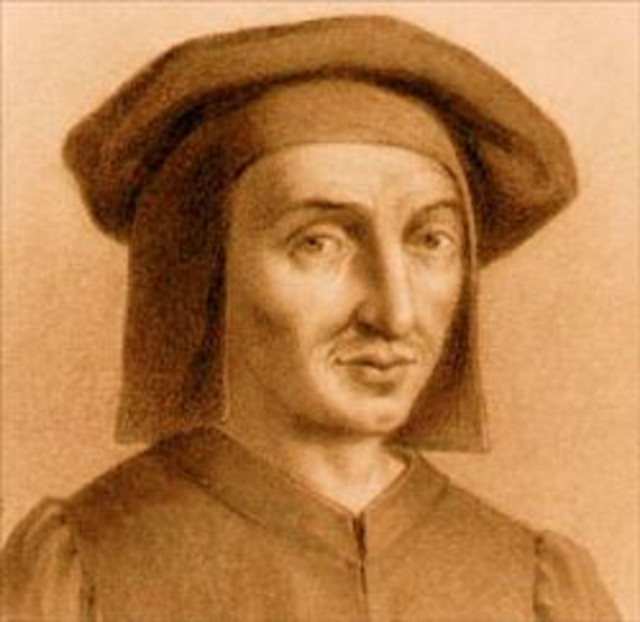
Pérotin was a French composer and music scholar of the medieval era known for his innovations in three- and four-part vocal harmonies. He is also considered to be the most important composer of the Notre Dame School of polyphony. Historians estimate that he lived from around the 1150s to as late as the 1230s, but there is little surviving documentation regarding the specific details of his life. Medieval music scholar Anonymous IV referred to him as Magister Perotinus, which implies that he was both highly educated and licensed to teach. Other titles, such as Magnus Perotinus and Perotin the Great, also suggest a high level of respect as a composer. His music was a continuation of the concepts of <a href="spotify:artist:6Evn9uslhCQO9UoagwGVDZ">Léonin</a>, who was the earliest composer of the Notre Dame School. <a href="spotify:artist:6Evn9uslhCQO9UoagwGVDZ">Léonin</a> was also the first composer to introduce rhythms and rhythmic notation in music, and from 1160 to 1180 he created the book Magnus liber organi. It was a compilation of liturgical vocal music, known as organum, composed by Pérotin, <a href="spotify:artist:6Evn9uslhCQO9UoagwGVDZ">Léonin</a>, and possibly others. Pérotin edited the book considerably by improving the notation of older pieces, and he replaced some organum with his own compositions and arrangements. He was the first to write music for four voices, and some of these pieces were expanded reworkings of <a href="spotify:artist:6Evn9uslhCQO9UoagwGVDZ">Léonin</a>’s organum. His music was performed at Notre Dame Cathedral thereafter, and his name was still well-known at the end of the 13th century. Through the writings of Anonymous IV and Johannes de Garlandia, scholars have attributed over 20 pieces to Pérotin, including Viderunt omnes and Sederunt principes. Nearly 1000 years later, his music is still relevant and can be heard on the albums Remember Me, My Dear by <a href="spotify:artist:7MEyCD4G0Zl6kmikEAZsym">Jan Garbarek</a> and <a href="spotify:artist:0L8W3JzyTX29RLKZgc3bqS">the Hilliard Ensemble</a>, What Remains: Roukens, Reich, Messiaen, Perotin, Machaut, Gesualdo with the Dudok Quartet Amsterdam, and Edward Power Biggs plays Historic Organs of Europe. ~ RJ Lambert, Rovi
Monthly Listeners
45,234
Monthly Listeners History
Track the evolution of monthly listeners over the last 28 days.
Followers
8,605
Followers History
Track the evolution of followers over the last 28 days.
Top Cities
1,208 listeners

535 listeners

398 listeners
373 listeners

335 listeners

Related Artists


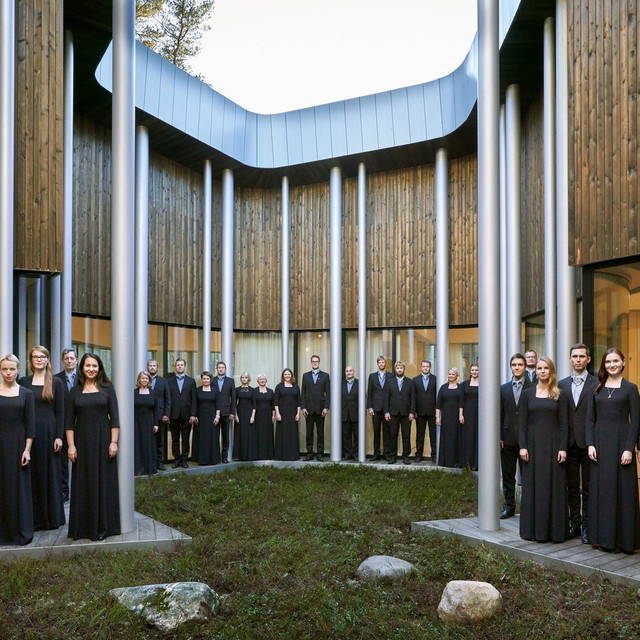
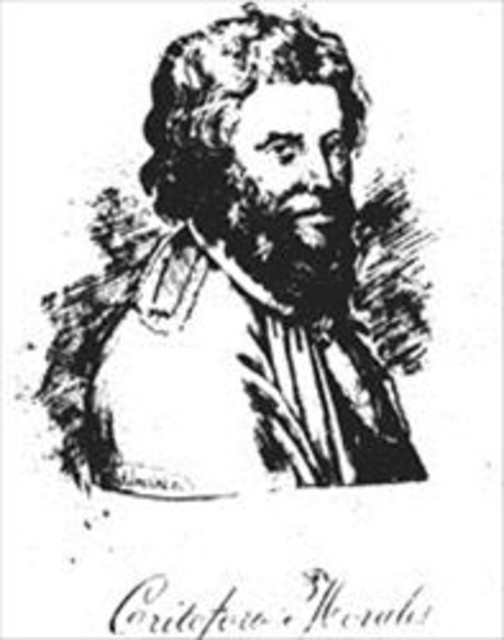
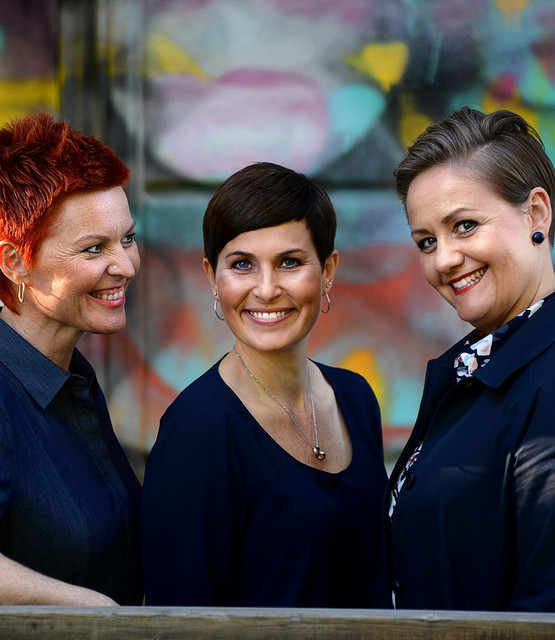
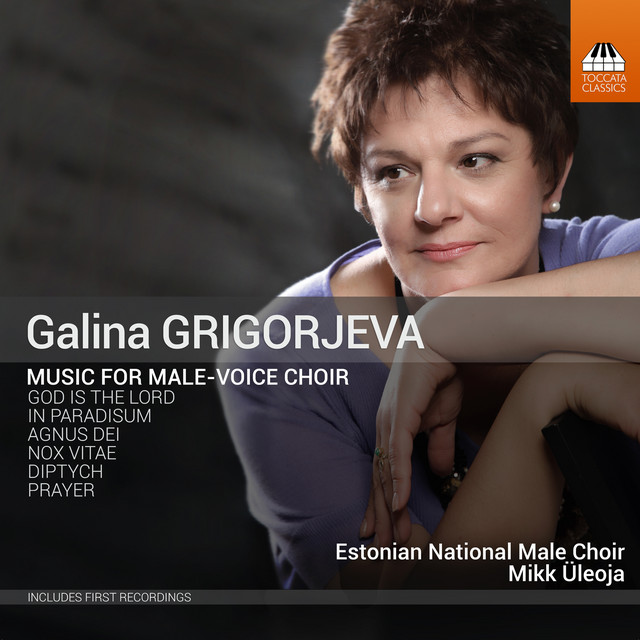
Mikk Uleoja

Discantus

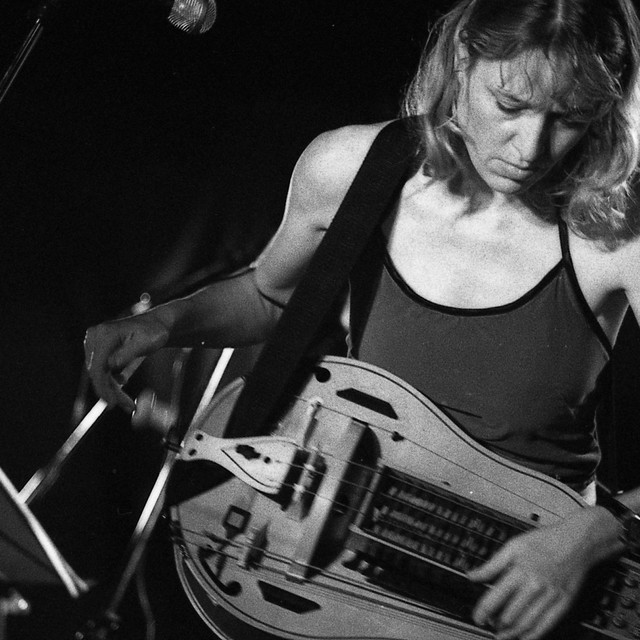
Susanne Ansorg
Emily Van Evera

Galina Grigorjeva

Alonso Lobo


Marília Vargas