Data may be outdated
Last updated: 9 months ago — Click refresh to get the latest statistics.
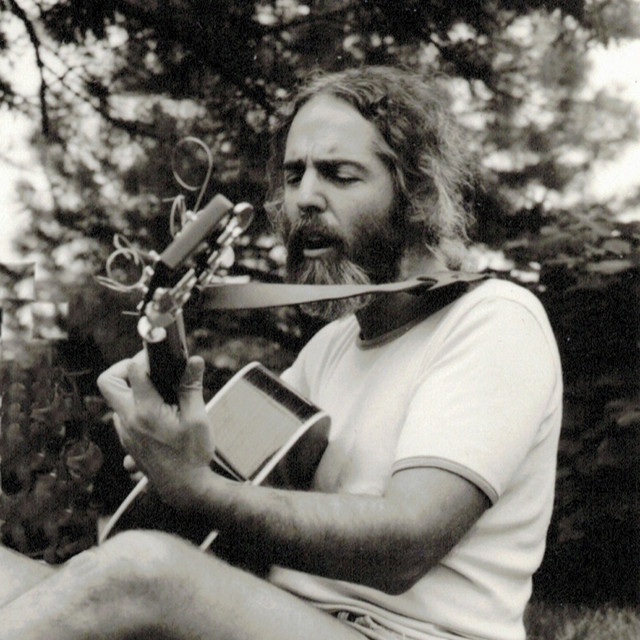
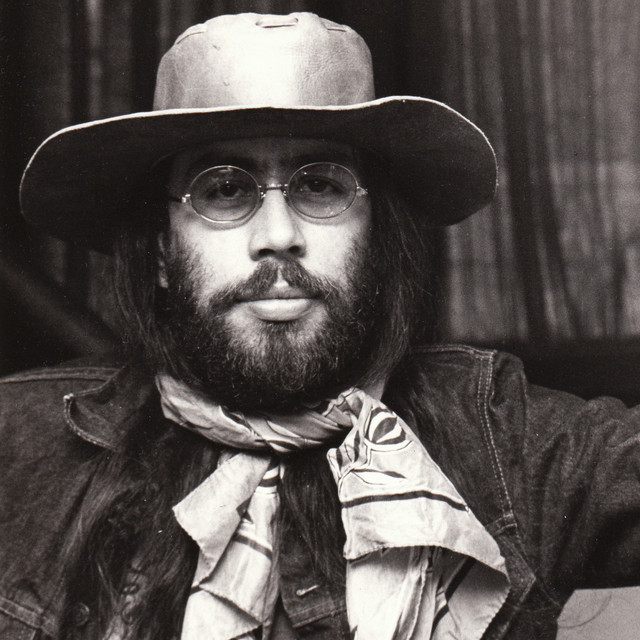
A cult waiting to happen, musician and performance artist Peter Ivers was born in Boston in 1946. During the mid-'60s, while a classics (ancient Greek) major at Harvard University, he launched his performing career playing harmonica in the local band Beacon Street Union, one of a number of Boston-area psychedelic bands influenced by San Francisco's Haight-Ashbury scene. Signing to <a href="spotify:search:label%3A%22MGM%22">MGM</a>, Beacon Street Union issued the little-noticed LP The Clown Died in Mervin Gardens before dissolving; Ivers then surfaced as a member of the Street Choir before mounting a solo career.
He signed to <a href="spotify:search:label%3A%22Epic%22">Epic</a> in 1969 to issue Knight of the Blue Communion, certainly one of the strangest major-label releases of its time: combining rock with classical instrumentation (oboe, contrabass, and bassoon) and electronics (an intermodulator), the disc also featured opera singer <a href="spotify:artist:2pHcDyejyTMTd2A1CwjK0X">Yolande Bevan</a>, profoundly spiritual lyrical themes, and, to top it all off, Ivers' own piercingly nasal vocals. Suffice to say it was not a hit, and a second <a href="spotify:search:label%3A%22Epic%22">Epic</a> LP, Take It Out on Me, was completed but shelved by the label; only a single, "Ain't That Peculiar," ever saw commercial release.
Signing to <a href="spotify:search:label%3A%22Warner+Bros.%22">Warner Bros.</a> in 1974, Ivers and his co-producer, free jazz bassist <a href="spotify:artist:7JgsFXpQJf2djLDQ0Htu5s">Buell Neidlinger</a>, delivered Terminal Love, which at times suggests the work of <a href="spotify:artist:2ebK4ueGwhVaXUm060m1BS">Captain Beefheart</a>; indeed, <a href="spotify:artist:1tSjGUNXnIhZ6JjS06bAp0">Magic Band</a>/<a href="spotify:artist:6ra4GIOgCZQZMOaUECftGN">Frank Zappa</a> collaborator Eliot Ingber appears on several tracks. A self-titled album for <a href="spotify:search:label%3A%22Warner%22">Warner</a> followed in 1976, and a year later, Ivers earned arguably his most enduring fame, writing and recording "In Heaven (The Lady in the Radiator Song)" for <a href="spotify:artist:2Gu6Q05ExIGwHTF43kqLBI">David Lynch</a>'s classic film Eraserhead. (The song was later covered by another Boston act of some note, <a href="spotify:artist:6zvul52xwTWzilBZl6BUbT">the Pixies</a>.) A 1980 single, "Love Theme from Filmex," closed out his recording career, and during the early '80s, Ivers hosted New Wave Theatre, broadcast on the fledgling USA cable network as part of their Friday evening Night Flight anthology; the series provided the first (and in some cases only) national TV exposure for Los Angeles area bands like <a href="spotify:artist:5dr7fkIRO4K14g7U8SCue5">the Blasters</a>, <a href="spotify:artist:30U8fYtiNpeA5KH6H87QUV">Dead Kennedys</a>, and dozens of others. With his outrageous wardrobe, philosophical interview questions, and rapid-fire social commentaries, Ivers was a most unconventional host, and many of the artists featured on the show made their distaste for him painfully clear.
Ivers was bludgeoned to death in his L.A. apartment in 1983, and many suspected the murderer was a member of the local punk scene. The killer was never found, but in Ivers' memory, Harvard University initiated the Peter Ivers Visiting Artist Program. The retrospective Nirvana Peter appeared on <a href="spotify:search:label%3A%22Warner%22">Warner</a> in 1985. ~ Jason Ankeny, Rovi
He signed to <a href="spotify:search:label%3A%22Epic%22">Epic</a> in 1969 to issue Knight of the Blue Communion, certainly one of the strangest major-label releases of its time: combining rock with classical instrumentation (oboe, contrabass, and bassoon) and electronics (an intermodulator), the disc also featured opera singer <a href="spotify:artist:2pHcDyejyTMTd2A1CwjK0X">Yolande Bevan</a>, profoundly spiritual lyrical themes, and, to top it all off, Ivers' own piercingly nasal vocals. Suffice to say it was not a hit, and a second <a href="spotify:search:label%3A%22Epic%22">Epic</a> LP, Take It Out on Me, was completed but shelved by the label; only a single, "Ain't That Peculiar," ever saw commercial release.
Signing to <a href="spotify:search:label%3A%22Warner+Bros.%22">Warner Bros.</a> in 1974, Ivers and his co-producer, free jazz bassist <a href="spotify:artist:7JgsFXpQJf2djLDQ0Htu5s">Buell Neidlinger</a>, delivered Terminal Love, which at times suggests the work of <a href="spotify:artist:2ebK4ueGwhVaXUm060m1BS">Captain Beefheart</a>; indeed, <a href="spotify:artist:1tSjGUNXnIhZ6JjS06bAp0">Magic Band</a>/<a href="spotify:artist:6ra4GIOgCZQZMOaUECftGN">Frank Zappa</a> collaborator Eliot Ingber appears on several tracks. A self-titled album for <a href="spotify:search:label%3A%22Warner%22">Warner</a> followed in 1976, and a year later, Ivers earned arguably his most enduring fame, writing and recording "In Heaven (The Lady in the Radiator Song)" for <a href="spotify:artist:2Gu6Q05ExIGwHTF43kqLBI">David Lynch</a>'s classic film Eraserhead. (The song was later covered by another Boston act of some note, <a href="spotify:artist:6zvul52xwTWzilBZl6BUbT">the Pixies</a>.) A 1980 single, "Love Theme from Filmex," closed out his recording career, and during the early '80s, Ivers hosted New Wave Theatre, broadcast on the fledgling USA cable network as part of their Friday evening Night Flight anthology; the series provided the first (and in some cases only) national TV exposure for Los Angeles area bands like <a href="spotify:artist:5dr7fkIRO4K14g7U8SCue5">the Blasters</a>, <a href="spotify:artist:30U8fYtiNpeA5KH6H87QUV">Dead Kennedys</a>, and dozens of others. With his outrageous wardrobe, philosophical interview questions, and rapid-fire social commentaries, Ivers was a most unconventional host, and many of the artists featured on the show made their distaste for him painfully clear.
Ivers was bludgeoned to death in his L.A. apartment in 1983, and many suspected the murderer was a member of the local punk scene. The killer was never found, but in Ivers' memory, Harvard University initiated the Peter Ivers Visiting Artist Program. The retrospective Nirvana Peter appeared on <a href="spotify:search:label%3A%22Warner%22">Warner</a> in 1985. ~ Jason Ankeny, Rovi
Monthly Listeners
33,830
Monthly Listeners History
Track the evolution of monthly listeners over the last 28 days.
Followers
11,137
Followers History
Track the evolution of followers over the last 28 days.
Top Cities
1,191 listeners

950 listeners
942 listeners
674 listeners
628 listeners

Related Artists