Data may be outdated
Last updated: 8 months ago — Click refresh to get the latest statistics.
A member of the seminal '90s rap trio <a href="spotify:artist:2WKdxPFRD7IqZvlIAvhMgY">the Fugees</a>, Pras' solo career didn't rise to the same heights as those of his colleagues, <a href="spotify:artist:7aBzpmFXB4WWpPl2F7RjBe">Wyclef Jean</a> and <a href="spotify:artist:2Mu5NfyYm8n5iTomuKAEHl">Lauryn Hill</a>, in part because he concentrated more on acting than music. Of Haitian descent (like his cousin <a href="spotify:artist:7aBzpmFXB4WWpPl2F7RjBe">Wyclef</a>), Pras was born <a href="spotify:artist:2WKdxPFRD7IqZvlIAvhMgY">Prakazrel Michel</a> in New Jersey. Along with his high-school classmate <a href="spotify:artist:2Mu5NfyYm8n5iTomuKAEHl">Lauryn Hill</a>, he co-founded the rap group Tranzlator Crew in 1987; cousin <a href="spotify:artist:7aBzpmFXB4WWpPl2F7RjBe">Wyclef</a>, who'd been hanging out with Pras quite a bit since moving to the United States, joined a short time later. Eventually, the trio renamed itself <a href="spotify:artist:2WKdxPFRD7IqZvlIAvhMgY">the Fugees</a>, after an expression for Haitian refugees, and signed with Ruffhouse Records in 1993. Their 1994 debut, Blunted on Reality, was aimed at the hardcore crowd, which didn't really fit the group's own sensibilities, but with their all-inclusive groundbreaking sophomore effort, The Score, <a href="spotify:artist:2WKdxPFRD7IqZvlIAvhMgY">the Fugees</a> created one of the biggest-selling rap albums of all time, adored by critics and record buyers alike.
Pras was the last of <a href="spotify:artist:2WKdxPFRD7IqZvlIAvhMgY">the Fugees</a> to release a solo album, although he did cut his first solo track in 1997, covering Eddy Grant's '80s smash "Electric Avenue" for the soundtrack of the Chris Tucker flick Money Talks. In 1998, Pras contributed "Ghetto Supastar (That Is What You Are)" to the soundtrack of Warren Beatty's Bulworth. With appearances from <a href="spotify:artist:50NoVNy9GU1lCrDV8iGpyu">Ol' Dirty Bastard</a> and <a href="spotify:artist:6lHL3ubAMgSasKjNqKb8HF">Mya</a>, "Ghetto Supastar" became a substantial hit, climbing to number three pop and number one R&B. Pras immediately rushed to put together his first solo album, solving the problem of coordinating guest appearances by inviting celebrities to leave him answering-machine messages. Ghetto Supastar the album didn't fare nearly as well as the single, spending only two weeks in the Top 100 upon its release in late 1998. Undaunted, Pras turned some of the narratives from Ghetto Supastar songs into a novel -- also naturally titled Ghetto Supastar -- in early 1999. He also struck a deal with <a href="spotify:artist:6tbjWDEIzxoDsBA1FuhfPW">Madonna</a>'s new film production company to turn Ghetto Supastar into a movie, starring himself.
First, though, Pras made his feature film debut in the 1999 Ben Stiller superhero comedy Mystery Men, playing a supporting villain. He then set to work on Ghetto Supastar the movie, whose title was eventually changed to Turn It Up (perhaps for variety's sake). Turn It Up hit theaters in the summer of 2000 (two years after Pras' initial hit single), and it too performed disappointingly. Still, Pras was slated to appear in the films Higher Ed and Full Contact, and began work on a new album in late 2000, which wasn't released until August 2005. ~ Steve Huey, Rovi
Pras was the last of <a href="spotify:artist:2WKdxPFRD7IqZvlIAvhMgY">the Fugees</a> to release a solo album, although he did cut his first solo track in 1997, covering Eddy Grant's '80s smash "Electric Avenue" for the soundtrack of the Chris Tucker flick Money Talks. In 1998, Pras contributed "Ghetto Supastar (That Is What You Are)" to the soundtrack of Warren Beatty's Bulworth. With appearances from <a href="spotify:artist:50NoVNy9GU1lCrDV8iGpyu">Ol' Dirty Bastard</a> and <a href="spotify:artist:6lHL3ubAMgSasKjNqKb8HF">Mya</a>, "Ghetto Supastar" became a substantial hit, climbing to number three pop and number one R&B. Pras immediately rushed to put together his first solo album, solving the problem of coordinating guest appearances by inviting celebrities to leave him answering-machine messages. Ghetto Supastar the album didn't fare nearly as well as the single, spending only two weeks in the Top 100 upon its release in late 1998. Undaunted, Pras turned some of the narratives from Ghetto Supastar songs into a novel -- also naturally titled Ghetto Supastar -- in early 1999. He also struck a deal with <a href="spotify:artist:6tbjWDEIzxoDsBA1FuhfPW">Madonna</a>'s new film production company to turn Ghetto Supastar into a movie, starring himself.
First, though, Pras made his feature film debut in the 1999 Ben Stiller superhero comedy Mystery Men, playing a supporting villain. He then set to work on Ghetto Supastar the movie, whose title was eventually changed to Turn It Up (perhaps for variety's sake). Turn It Up hit theaters in the summer of 2000 (two years after Pras' initial hit single), and it too performed disappointingly. Still, Pras was slated to appear in the films Higher Ed and Full Contact, and began work on a new album in late 2000, which wasn't released until August 2005. ~ Steve Huey, Rovi
Monthly Listeners
4.7 million
Monthly Listeners History
Track the evolution of monthly listeners over the last 28 days.
Followers
67,866
Followers History
Track the evolution of followers over the last 28 days.
Top Cities



Related Artists
Mase

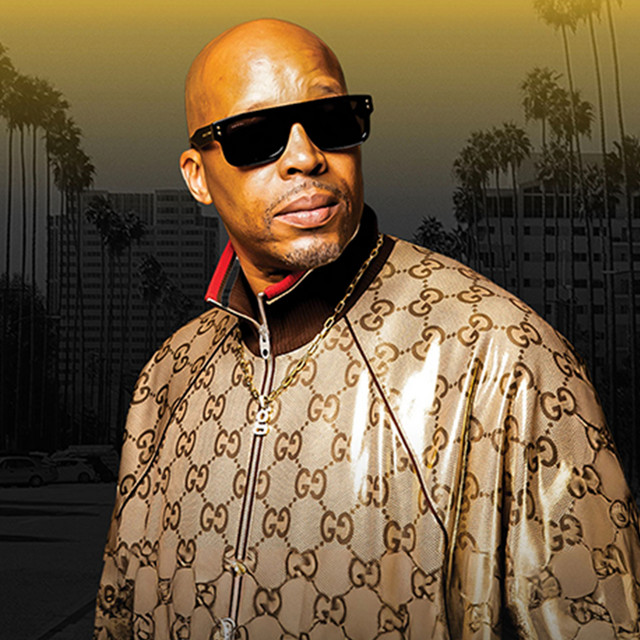
Warren G

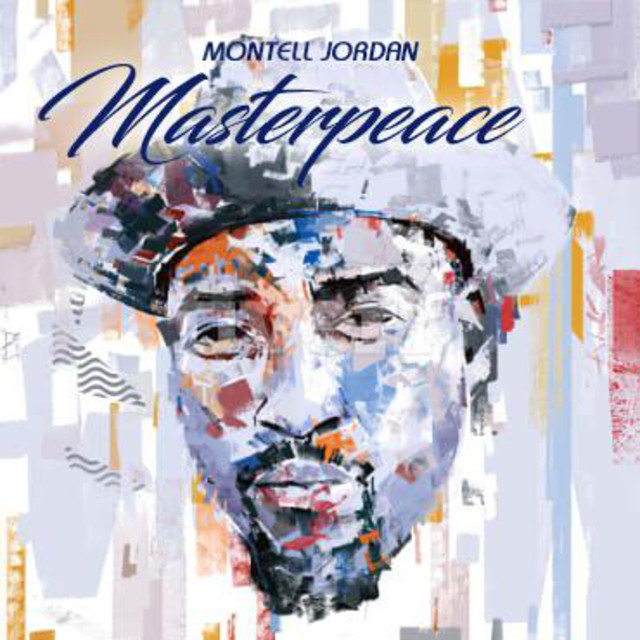
Montell Jordan
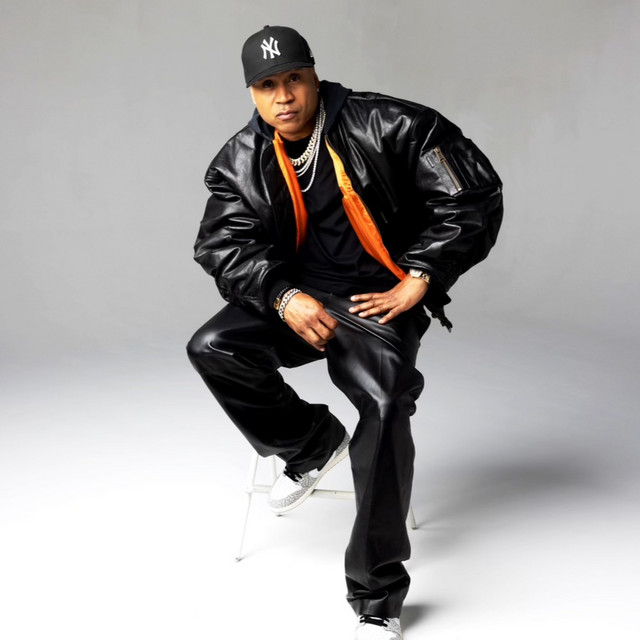
LL COOL J


Lil' Kim


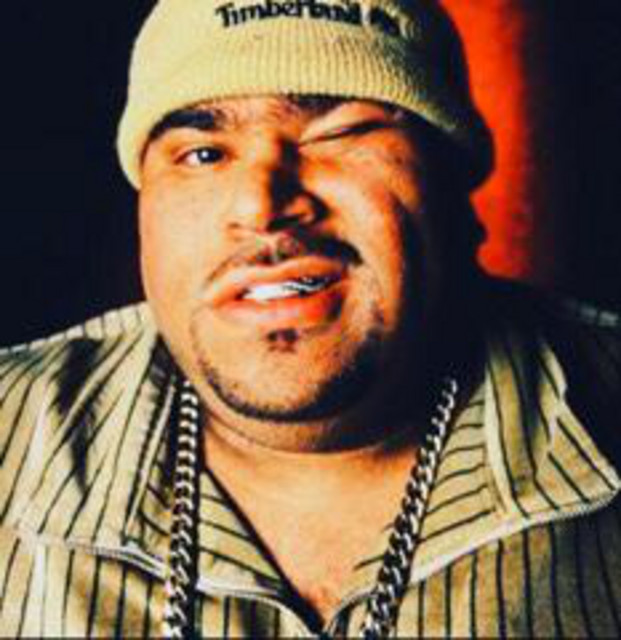
Big Pun