Last updated: 9 hours ago
A versatile trumpeter, Ray Linn started out as a modernist and ended up as a revivalist. Linn began his professional career playing with the orchestras of <a href="spotify:artist:4WoGga7UeRcmjD4ufif4nG">Tommy Dorsey</a> (1938-1941) and <a href="spotify:artist:2KSxJY1WxGGVYSmoM0N54P">Woody Herman</a> (1941-1942); he would rejoin <a href="spotify:artist:2KSxJY1WxGGVYSmoM0N54P">Herman</a> on three occasions (1945, 1947, and 1955-1959). Linn also worked on and off with <a href="spotify:artist:3xPpQCRiTBxgmL4PD8J5ek">Jimmy Dorsey</a> (1942-1945), <a href="spotify:artist:1pBuKaLHJlIlqYxQQaflve">Benny Goodman</a> (1943 and 1947), <a href="spotify:artist:5wam12nGWDBIrLDV78TNSF">Artie Shaw</a> (1944-1946), and <a href="spotify:artist:5E84HDW1BoYkMZ7pQ9JU9a">Boyd Raeburn</a> (1946). While with <a href="spotify:artist:5E84HDW1BoYkMZ7pQ9JU9a">Raeburn</a>, his solos were quite advanced for the period. Linn became a studio musician after moving to Los Angeles in 1945, but had the opportunity to work with <a href="spotify:artist:5lP4FZO4ThhC9glGDwlgrV">Bob Crosby</a> (1950-1951) and many of the top West Coast jazz players in the 1950s in addition to <a href="spotify:artist:2KSxJY1WxGGVYSmoM0N54P">Woody Herman</a>. From the 1960s on, he mostly worked in television. Although his sessions as a leader in 1946 (which resulted in eight songs) had such titles as "The Mad Monk" and "Blop Blah," Ray Linn's later albums for Trend (1978) and Discovery (1980) were Dixieland-oriented. ~ Scott Yanow, Rovi
Monthly Listeners
679
Monthly Listeners History
Track the evolution of monthly listeners over the last 28 days.
Followers
30
Followers History
Track the evolution of followers over the last 28 days.
Top Cities
12 listeners
6 listeners

5 listeners

4 listeners
4 listeners
Related Artists

Celeste Holm
Annie Get Your Gun Ensemble (1963)

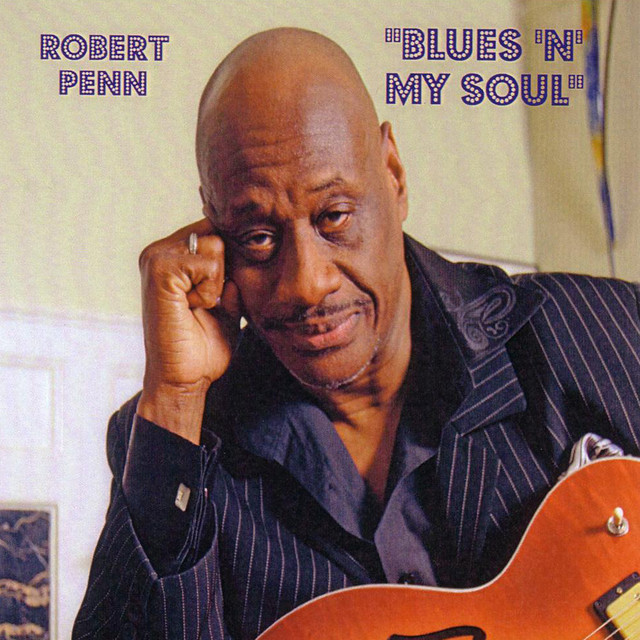
Robert Penn
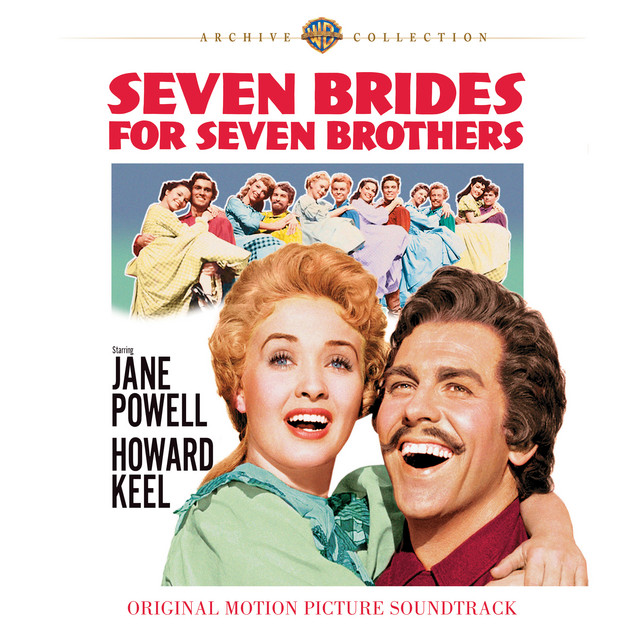
Gene DePaul
Benson Fong