Data may be outdated
Last updated: 9 months ago — Click refresh to get the latest statistics.
Boykins is best known for his work with pianist/bandleader <a href="spotify:artist:0tIODqvzGUoEaK26rK4pvX">Sun Ra</a>, although he had played with such disparate musicians as <a href="spotify:artist:4y6J8jwRAwO4dssiSmN91R">Muddy Waters</a>, <a href="spotify:artist:52cM6vrM4MJ8g4H7Ibo5fZ">Johnny Griffin</a>, and <a href="spotify:artist:6vth8u6Wp7k2bbzDQMCmrb">Jimmy Witherspoon</a> prior to joining <a href="spotify:artist:5V5vvh5MgM7vDuPp4lJYkh">Sun Ra's Arkestra</a>. He was a regular member of <a href="spotify:artist:0tIODqvzGUoEaK26rK4pvX">Sun Ra</a>'s band from 1958 until 1966, and occasionally thereafter. His percussive bass style inspired and formed the foundation of many Ra compositions. Like his fellow <a href="spotify:artist:0tIODqvzGUoEaK26rK4pvX">Sun Ra</a> bandmates, <a href="spotify:artist:65A4foeosCkf3zaigZJuzF">John Gilmore</a> and Pat Patrick, Boykins attended Chicago's DuSable High School and studied under its famed music teacher "Captain" Walter Dyett. He also studied with Ernie Shepard, who would later work with <a href="spotify:artist:4F7Q5NV6h5TSwCainz8S5A">Duke Ellington</a>. Before joining <a href="spotify:artist:0tIODqvzGUoEaK26rK4pvX">Ra</a>, Boykins had joined with a trombonist friend to open a private club -- The House of Culture -- with the intent of promoting Black culture. Boykins' arco solo on <a href="spotify:artist:0tIODqvzGUoEaK26rK4pvX">Sun Ra</a>'s "Rocket No. 9 Take Off for Planet Venus" from 1959 may be the first recorded example of the bass being played in a horn-like manner within a relatively free context, predating similar work by Alan Silva and David Izenzon. Boykins worked with both free and straight-ahead musicians. In 1962, he recorded with the hard bop tenor saxophonist <a href="spotify:artist:3odCvforNrM210iWxhbxIc">Bill Barron</a> and, the next year, with pianist <a href="spotify:artist:04cRG6y8vsZNbbCqfoopz6">Elmo Hope</a>. Boykins worked with tenor saxophonist <a href="spotify:artist:7C2DSqaNkh0w77O5Jz1FKh">Archie Shepp</a>'s New York Contemporary Five in 1964. Boykins left <a href="spotify:artist:0tIODqvzGUoEaK26rK4pvX">Ra</a> in 1966, ostensibly to pursue more lucrative opportunities; <a href="spotify:artist:0tIODqvzGUoEaK26rK4pvX">Ra</a> had a difficult time finding a replacement, at times settling for playing his own bass lines on keyboard. In 1967, Boykins played on <a href="spotify:artist:7De2eIqeHTw091YeAkkYXV">Rahsaan Roland Kirk</a>'s Rip, Rig and Panic LP. In the late '60s, he formed his own group, the Free Jazz Society, which included the pianist <a href="spotify:artist:2JzTVgQ5vs7k1gGXbC5DWG">John Hicks</a>. In the '70s, Boykins played with the Melodic Art-tet, a cooperative free jazz ensemble that also included drummer Roger Blank, saxophonist <a href="spotify:artist:5khQcscXYRDYvMM804iomp">Charles Brackeen</a>, and trumpeter <a href="spotify:artist:3enn0ul3NUfpxVL8ckc3cC">Ahmed Abdullah</a>. In 1975, the bassist led a session for ESP Disk that produced the self-titled LP, Ronnie Boykins. In the course of his career, Boykins also worked with <a href="spotify:artist:6hrEc1XqVcGLK0Di6zVADR">Mary Lou Williams</a>, <a href="spotify:artist:5OKhN5AURco1pBqba3CbnS">Marion Brown</a>, and <a href="spotify:artist:1bgyxtWjZwA5PQlDsvs9b8">Sarah Vaughan</a>, among others. ~ Chris Kelsey, Rovi
Monthly Listeners
487
Monthly Listeners History
Track the evolution of monthly listeners over the last 28 days.
Followers
599
Followers History
Track the evolution of followers over the last 28 days.
Top Cities
20 listeners

9 listeners
7 listeners
6 listeners
5 listeners
Related Artists

Cecil Taylor Quartet

Gunter Hampel Quintet

Roy Brooks

Billy Bang Sextet

The Esoteric Circle
Charles Tyler
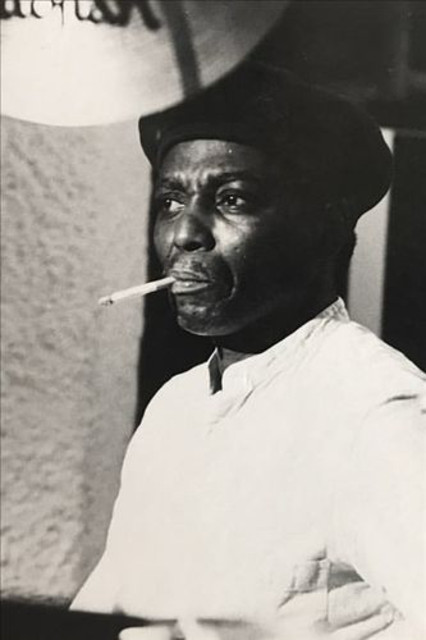
Beaver Harris
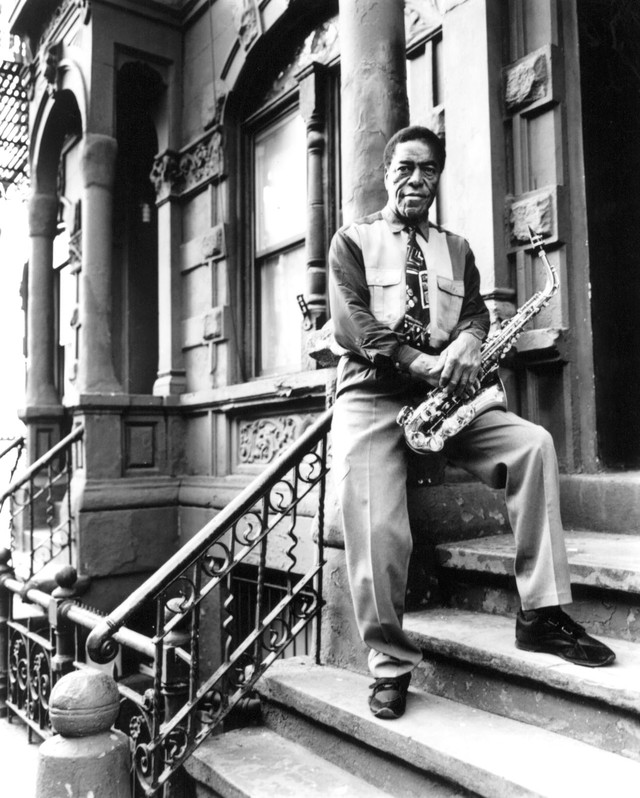
Sonny Simmons

Hasaan Ibn Ali


Smiley Winters
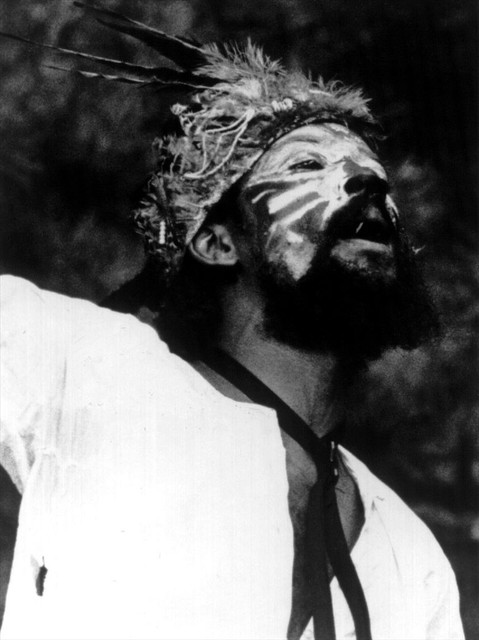
Joseph Jarman
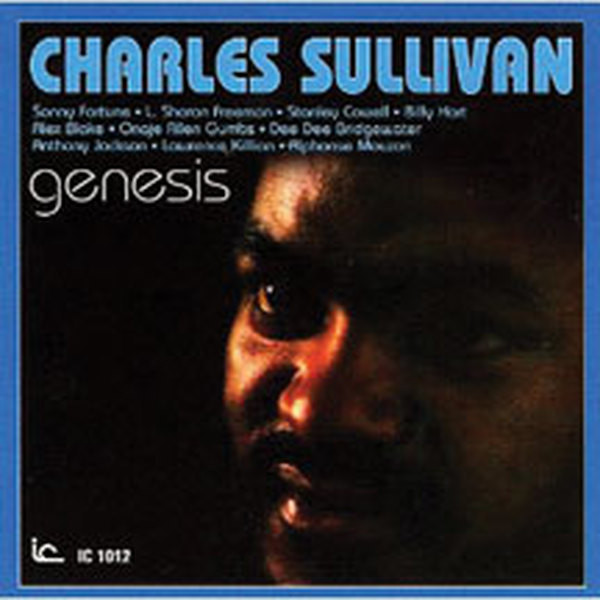
Charles Sullivan

Han Bennink Trio