
Data may be outdated
Data has never been updated — Click refresh to get the latest statistics.
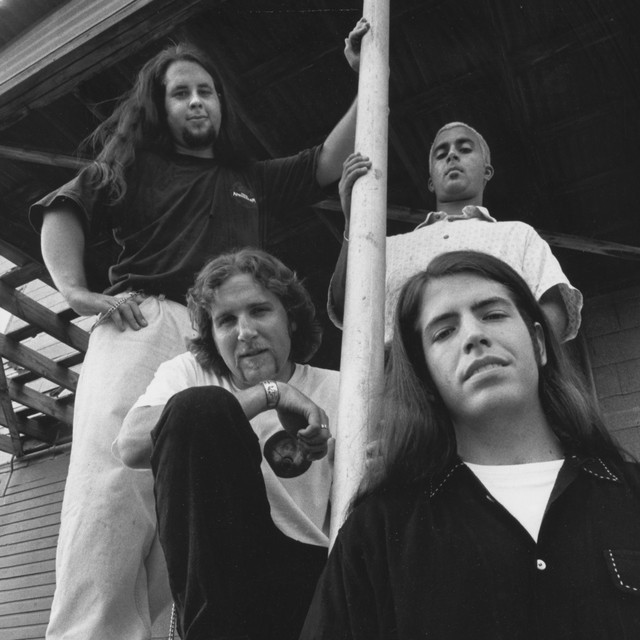
Looking at the broad-brush history, it’s easy to peg Seven Mary Three as one of the most popular rock bands of the grunge era. Commercially, the group peaked with “Cumbersome” – one of the definitive hits of the mid-90s mainstream alternative rock moment. But that’s not representative of Seven Mary Three’s seven-album catalog, which shows influences from the likes of Tom Petty and especially R.E.M.
Named after police-radio jargon on the 1970s TV series “CHiPS,” the band independently released its debut Churn in 1994. The album’s two opening tracks “Water’s Edge” and “Cumbersome” would come to define Seven Mary Three and gained enough radio exposure to lead to a record deal with Mammoth Records.
Re-recorded versions of both songs appeared on 1995’s American Standard, which reached No. 24 on the Billboard 200, sold over a million copies, and launched the band on an endless round of touring and promotion.
At the same time, Seven Mary Three had a growing identity crisis, struggling to reconcile commercial demands with following the muse. Under Atlantic Records, they released the American Standard follow-ups Rock Crown (1997) and Orange Ave. (1998), after which the lineup began to splinter. Ross brought in new band members for 2001’s The Economy of Sound, 2004’s Dis/Location, 2008’s Day&Nightdriving and 2010’s live Backbooth.
The band went on hiatus in 2012 and has regrouped periodically over the years.
Named after police-radio jargon on the 1970s TV series “CHiPS,” the band independently released its debut Churn in 1994. The album’s two opening tracks “Water’s Edge” and “Cumbersome” would come to define Seven Mary Three and gained enough radio exposure to lead to a record deal with Mammoth Records.
Re-recorded versions of both songs appeared on 1995’s American Standard, which reached No. 24 on the Billboard 200, sold over a million copies, and launched the band on an endless round of touring and promotion.
At the same time, Seven Mary Three had a growing identity crisis, struggling to reconcile commercial demands with following the muse. Under Atlantic Records, they released the American Standard follow-ups Rock Crown (1997) and Orange Ave. (1998), after which the lineup began to splinter. Ross brought in new band members for 2001’s The Economy of Sound, 2004’s Dis/Location, 2008’s Day&Nightdriving and 2010’s live Backbooth.
The band went on hiatus in 2012 and has regrouped periodically over the years.