Data may be outdated
Last updated: 9 months ago — Click refresh to get the latest statistics.
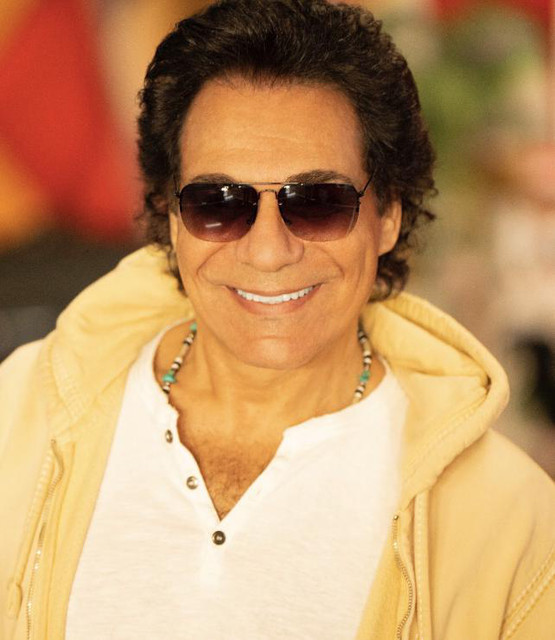
When Siavash Shams introduced himself to the public with his first album, Hamsayeh Haa (Neighbors) in 1985, many believed that a new wave of Iranian popular music had been born. His first public appearance was recorded by members of the Iranian community in the U.S. who had fled their homeland after the Islamic Revolution. On a video program made for Iranian New Year celebrations, the young singer dressed completely in Western style, sang trance- and club-style music, and danced with a group in a decidedly Western way; such a display had never been seen before in Iranian music videos or live shows. Siavash was born in Ahvaz, Iran, on January 26, 1962. He moved to the U.S. with his older brother when he was 13 and continued his musical studies. Hamsayeh Haa, with its breakthrough song "Persian Girl," was a success, and his next three albums were 1992's Sahneh (Scene), 1995's Pedar (Father), and 1996's Didar (Visit), the latter featuring Susan Roshan. Pedar was notable for its depiction of serious issues -- for example, the title song, dedicated to Siavash's father and with lyrics written by the singer himself, was a vehicle for Siavash to explore issues in the father-son relationship.
Some of the songs from these albums, such as the title song from Sahneh, have become classics. In a sense, Sahneh introduced the form of modern Iranian dance music; previously, there had been relatively few efforts to mix Western dance music with Iranian music styles. Putting aside the issue of whether these efforts contributed to or detracted from Iranian music, Siavash can be considered the first to take this step toward integrating the two forms, although some have criticized him for not having any trace of Iranian music in his songs except his lyrics, which were in Persian (Farsi). Released in 1998, Faryad (Scream) was produced by Siavash and was a huge success, selling 35,000 copies in three months. It was, in fact, an effort to introduce Siavash to international audiences, and contained some songs in languages other than Farsi, including "Historia de Amour" in Spanish and the single "Grace" in English. In 2001 he released his sixth album, The Voice; it did not do as well as his previous albums, but "Hedyeheh Iroon," which Siavash wrote based on a love letter he had received from one of his fans in Iran, became a hit. Most of The Voice's songs were in English. ~ Pouya Partovi, Rovi
Some of the songs from these albums, such as the title song from Sahneh, have become classics. In a sense, Sahneh introduced the form of modern Iranian dance music; previously, there had been relatively few efforts to mix Western dance music with Iranian music styles. Putting aside the issue of whether these efforts contributed to or detracted from Iranian music, Siavash can be considered the first to take this step toward integrating the two forms, although some have criticized him for not having any trace of Iranian music in his songs except his lyrics, which were in Persian (Farsi). Released in 1998, Faryad (Scream) was produced by Siavash and was a huge success, selling 35,000 copies in three months. It was, in fact, an effort to introduce Siavash to international audiences, and contained some songs in languages other than Farsi, including "Historia de Amour" in Spanish and the single "Grace" in English. In 2001 he released his sixth album, The Voice; it did not do as well as his previous albums, but "Hedyeheh Iroon," which Siavash wrote based on a love letter he had received from one of his fans in Iran, became a hit. Most of The Voice's songs were in English. ~ Pouya Partovi, Rovi
Monthly Listeners
70,355
Monthly Listeners History
Track the evolution of monthly listeners over the last 28 days.
Followers
33,919
Followers History
Track the evolution of followers over the last 28 days.
Top Cities
3,205 listeners

2,534 listeners

1,900 listeners

1,851 listeners

1,686 listeners
Related Artists

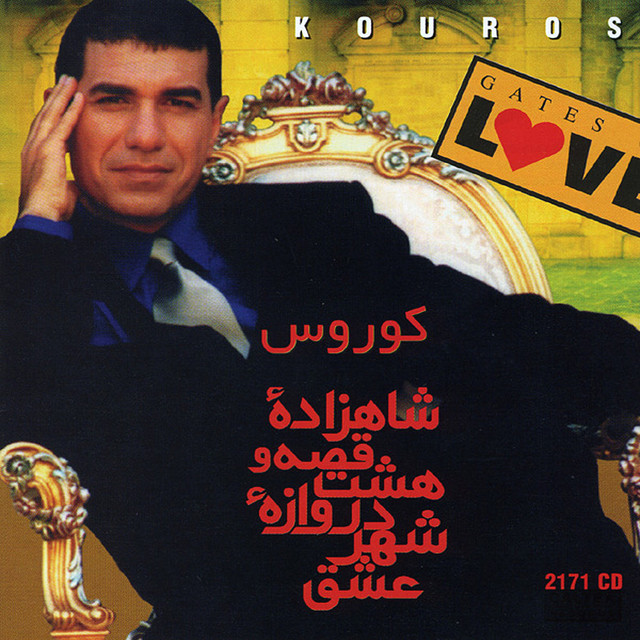
Kouros

Shahrokh

Davood Behboodi
Homayra
Aref
Nahid
Mahasti
Mahasty
Seven Band
Shahram Solati
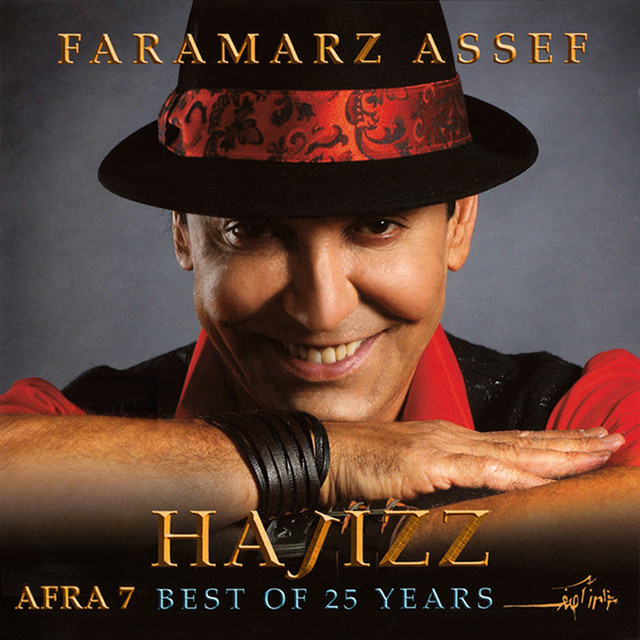
Faramarz Assef
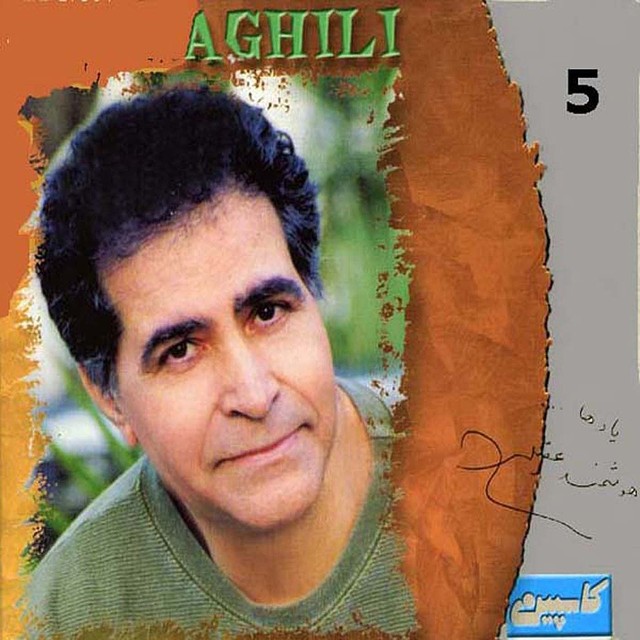
Houshmand Aghili
Jahan
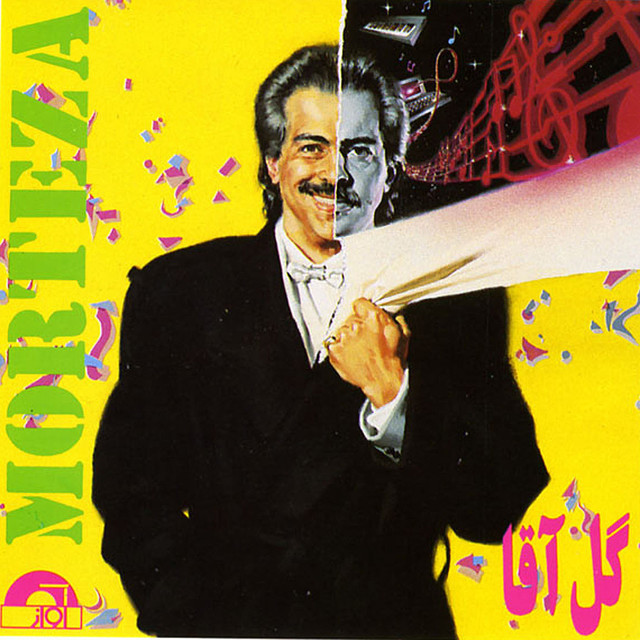
Homeyra
Saman

Helen Matevosian
Hamid Askari
Boyz

Fereydoun Asraei

Shahram Shokoohi

25band