Last updated: 1 hour ago
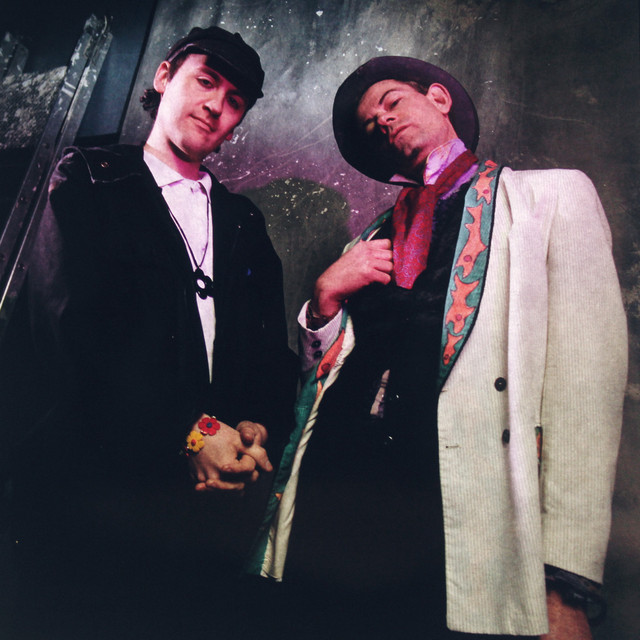
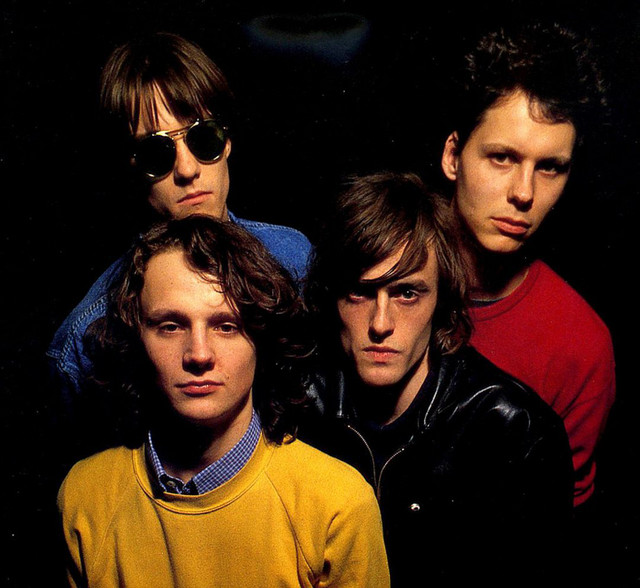
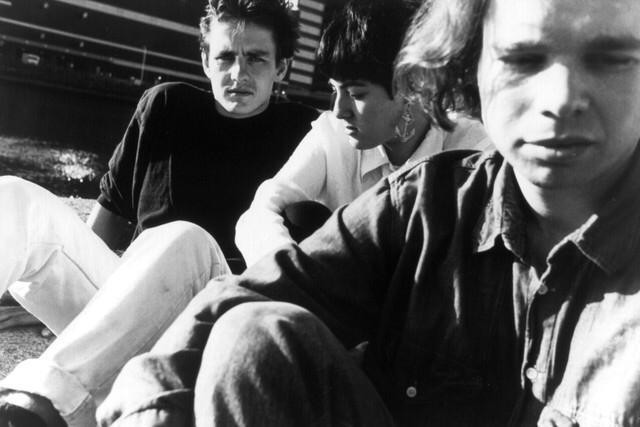
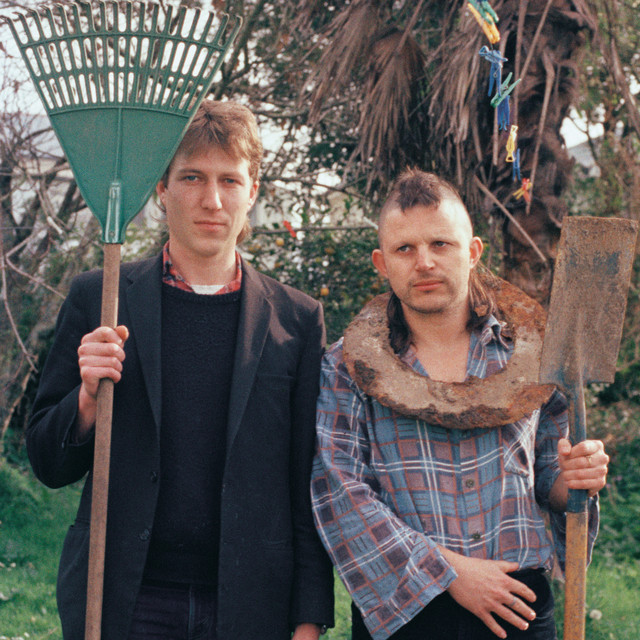
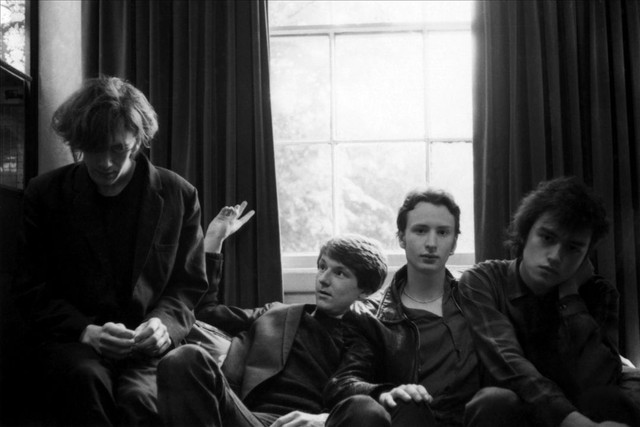
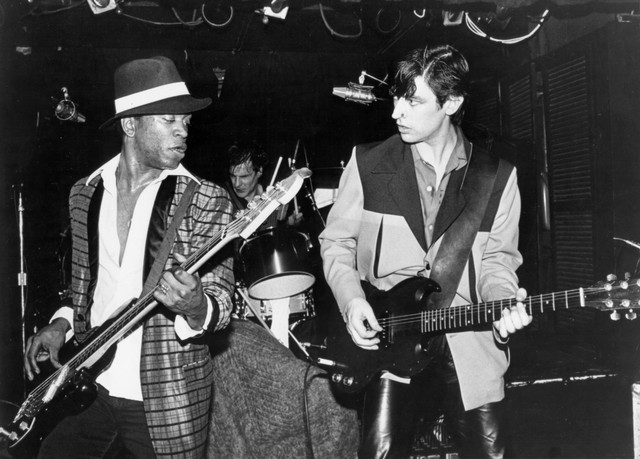
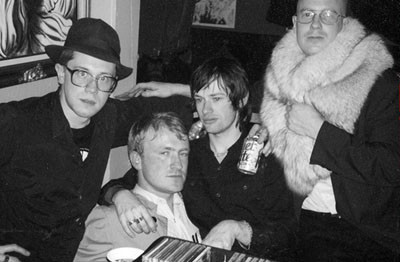
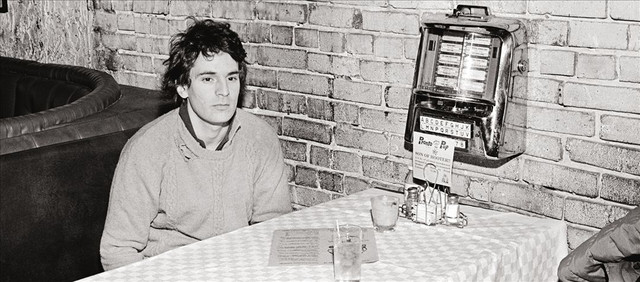
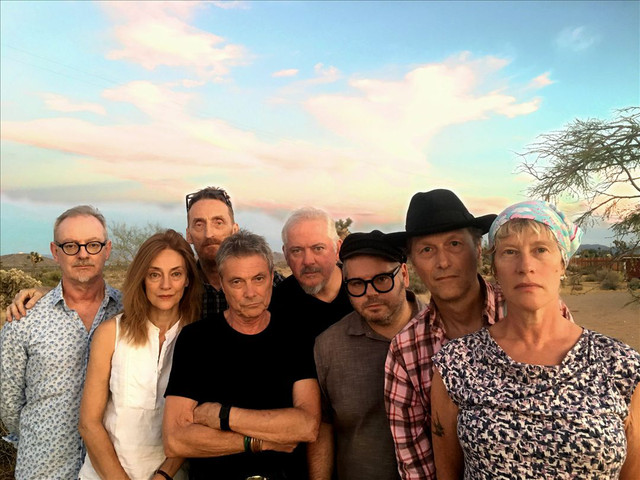
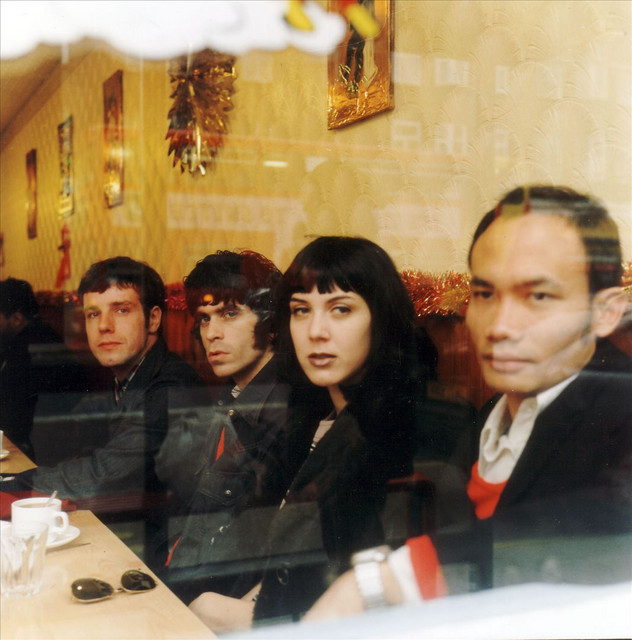
With a style that brought together shaggy punk energy, jangling pop melody, and touches of psychedelic experimentation, New Zealand trio the Clean helped define the "Dunedin sound" shared by many of their peers on the <a href="spotify:search:label%3A%22Flying+Nun%22">Flying Nun</a> roster, and proved to have a dramatic and lasting influence on indie rock on the whole. Formed in 1978 by drummer <a href="spotify:artist:754spBmEBPBcB1E6fPeQmF">Hamish Kilgour</a>, his brother <a href="spotify:artist:5S76x1RQk1FgHwX3y4giOO">David</a> on guitar, and school friend <a href="spotify:artist:4oKJBqkEtJG5dlUaXWBGjs">Peter Gutteridge</a> on bass, the Clean operated in fits and starts for the next four decades and beyond, exploring the confluence of noise and melody on essential early singles and EPs as well as branching into different articulations of their sound on full-length albums like 1994's Modern Rock and 2009's Mister Pop. The band remained sporadically active -- including U.S. tours in 2012 and 2014 -- until <a href="spotify:artist:754spBmEBPBcB1E6fPeQmF">Hamish Kilgour</a>'s death in 2022.
The Clean formed in the town of Dunedin in 1978, and were one of the first bands in the country to play original material. When the Kilgour brothers decided to relocate the band to Auckland in 1979, <a href="spotify:artist:4oKJBqkEtJG5dlUaXWBGjs">Gutteridge</a> had already left the lineup. The Clean played with a rotating bassist before <a href="spotify:artist:5S76x1RQk1FgHwX3y4giOO">David</a> quit the band and moved back to Dunedin. Once he was home, he was introduced to bassist <a href="spotify:artist:2OhnPfICZa10hOI0HOzt7S">Robert Scott</a> and the two started playing together; news of his brother's new musical relationship prompted <a href="spotify:artist:754spBmEBPBcB1E6fPeQmF">Hamish</a> to move back to Dunedin and start the Clean up again.
In early 1980, the group began playing around town in earnest. In early 1981, a fan named Roger Shepherd began <a href="spotify:search:label%3A%22Flying+Nun+Records%22">Flying Nun Records</a> to release a single by the Clean, "Tally Ho!" With its jagged guitar, sweet melody, and persistent organ, "Tally Ho!" reached number 19 on the charts.
As they prepared to record their first album, they discovered that the small number of New Zealand engineers didn't care for the band's material. The Clean didn't fight -- they backed down, deciding to record on a four-track under the guidance of <a href="spotify:artist:2t13Pql594lu7NxU1h4DTp">Chris Knox</a> and Doug Hood. In November, the Boodle Boodle Boodle EP was released; it surprised every observer by climbing to number four on the New Zealand charts.
Boodle and the 1982 EP Great Sounds Great captured the quirky sides of the Clean's sound, since they did not have the technology to replicate the band's roaring live sound. Later in 1982, the group released their loudest single yet, "Getting Older." Soon after its release, <a href="spotify:artist:5S76x1RQk1FgHwX3y4giOO">David Kilgour</a> exited the band, moving back to Dunedin. <a href="spotify:artist:2OhnPfICZa10hOI0HOzt7S">Robert Scott</a> left after <a href="spotify:artist:5S76x1RQk1FgHwX3y4giOO">David</a>'s departure, forming a band of his own, <a href="spotify:artist:2YvNi4oPdBgD45gc1UycxW">the Bats</a>. <a href="spotify:artist:754spBmEBPBcB1E6fPeQmF">Hamish Kilgour</a> moved to Christchurch -- where <a href="spotify:search:label%3A%22Flying+Nun+Records%22">Flying Nun Records</a> was located -- and bought his own four-track. After <a href="spotify:artist:754spBmEBPBcB1E6fPeQmF">Hamish</a> had begun writing and recording, <a href="spotify:artist:5S76x1RQk1FgHwX3y4giOO">David</a> came up to Christchurch to help finish up the solo tracks, as well as to record some Clean songs. The resulting music, released under the name <a href="spotify:artist:1PWA0lpxep5zsUGmGD202Y">the Great Unwashed</a>, was collected on the album Clean Out of Our Minds. It was a departure from the Clean's punk-injected sound; instead, it was folkier and more acoustic.
To promote the record, the Kilgours reunited with <a href="spotify:artist:4oKJBqkEtJG5dlUaXWBGjs">Peter Gutteridge</a> while still using the name <a href="spotify:artist:1PWA0lpxep5zsUGmGD202Y">the Great Unwashed</a>. On the ensuing tour, the band concentrated on <a href="spotify:artist:4oKJBqkEtJG5dlUaXWBGjs">Gutteridge</a>'s backlog of material; at the beginning of 1984, they recorded an EP called Singles, which earned quite a bit of airplay and sales. Bassist Ross Humphries was added so <a href="spotify:artist:5S76x1RQk1FgHwX3y4giOO">David Kilgour</a> and <a href="spotify:artist:4oKJBqkEtJG5dlUaXWBGjs">Gutteridge</a> could both play guitar, yet <a href="spotify:artist:1PWA0lpxep5zsUGmGD202Y">the Great Unwashed</a> wound up breaking up within a year. <a href="spotify:artist:754spBmEBPBcB1E6fPeQmF">Hamish Kilgour</a> formed <a href="spotify:artist:252N2Byf0QgFhwfNBIhsht">Bailter Space</a> with guitarist Alister Parker, <a href="spotify:artist:4oKJBqkEtJG5dlUaXWBGjs">Gutteridge</a> began developing a new band called <a href="spotify:artist:0aSlyJbAg2EJKP75CnPWXT">Snapper</a>, and <a href="spotify:artist:5S76x1RQk1FgHwX3y4giOO">David</a> stopped playing for a few years.
The Clean -- featuring <a href="spotify:artist:2OhnPfICZa10hOI0HOzt7S">Robert Scott</a> -- reunited in 1988 for two concerts in London; a five-song EP culled from the shows was released a year later. The members of the band were encouraged by the results and decided to embark on a world tour. After the tour ended, the band recorded a new album, which was more straightforward and pop-oriented than their previous material. The record, Vehicle, was released in the spring of 1990 and the band supported its release with a world tour. After the tour's completion, the band split again. <a href="spotify:artist:5S76x1RQk1FgHwX3y4giOO">David Kilgour</a> went solo, <a href="spotify:artist:2OhnPfICZa10hOI0HOzt7S">Scott</a> returned to <a href="spotify:artist:2YvNi4oPdBgD45gc1UycxW">the Bats</a>, and <a href="spotify:artist:754spBmEBPBcB1E6fPeQmF">Hamish Kilgour</a> moved to New York and formed <a href="spotify:artist:2sSDQYeJ944dSSetpS1BDn">the Mad Scene</a>. Like lovers who could never quite say goodbye, the group reunited in 1994 to record a new album. Modern Rock was released in late 1995, followed by Unknown Country in 1996. The trio went their separate ways yet again.
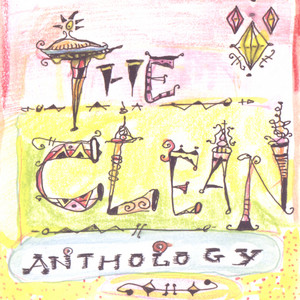
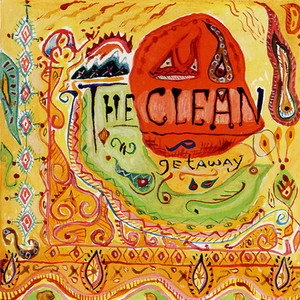
After time spent away working on solo projects and with other bands, the trio got back together in 2000 for a festival in their Dunedin hometown, they stayed together for more shows and a new album, Getaway, which was released in 2001 on <a href="spotify:search:label%3A%22Merge%22">Merge</a> and featured guests <a href="spotify:artist:3vEXvAvLQvZL1XoyIexpeJ">Ira Kaplan</a> and Georgia Hubley of <a href="spotify:artist:5hAhrnb0Ch4ODwWu4tsbpi">Yo La Tengo</a>. Two years later, <a href="spotify:search:label%3A%22Flying+Nun%22">Flying Nun</a> and <a href="spotify:search:label%3A%22Merge%22">Merge</a> co-released a career-spanning collection titled Anthology. Over the next few years the band kept playing shows, a few of which were documented on limited-edition live albums -- 2001's Slush Fund, 2003's Syd’s Pink Wiring System, and 2008's Mashed. The trio ended the decade with a new studio album, 2009's Mister Pop, then spent the next year playing a select set of concerts around the globe. Once back home, they began sessions for a possible new album, but abandoned them after the catastrophic earthquake that hit New Zealand in early 2011. They got back together to tour the next year, playing some shows in the U.S. They did the same in 2014, and then in early 2015 played two concerts in Australia. In the years that followed, the members of the Clean turned to other projects. <a href="spotify:artist:2OhnPfICZa10hOI0HOzt7S">Scott</a> with <a href="spotify:artist:2YvNi4oPdBgD45gc1UycxW">the Bats</a> and both Kilgour brothers with solo work. <a href="spotify:artist:754spBmEBPBcB1E6fPeQmF">Hamish Kilgour</a> passed away at the end of 2022. ~ Stephen Thomas Erlewine, Rovi
The Clean formed in the town of Dunedin in 1978, and were one of the first bands in the country to play original material. When the Kilgour brothers decided to relocate the band to Auckland in 1979, <a href="spotify:artist:4oKJBqkEtJG5dlUaXWBGjs">Gutteridge</a> had already left the lineup. The Clean played with a rotating bassist before <a href="spotify:artist:5S76x1RQk1FgHwX3y4giOO">David</a> quit the band and moved back to Dunedin. Once he was home, he was introduced to bassist <a href="spotify:artist:2OhnPfICZa10hOI0HOzt7S">Robert Scott</a> and the two started playing together; news of his brother's new musical relationship prompted <a href="spotify:artist:754spBmEBPBcB1E6fPeQmF">Hamish</a> to move back to Dunedin and start the Clean up again.
In early 1980, the group began playing around town in earnest. In early 1981, a fan named Roger Shepherd began <a href="spotify:search:label%3A%22Flying+Nun+Records%22">Flying Nun Records</a> to release a single by the Clean, "Tally Ho!" With its jagged guitar, sweet melody, and persistent organ, "Tally Ho!" reached number 19 on the charts.
As they prepared to record their first album, they discovered that the small number of New Zealand engineers didn't care for the band's material. The Clean didn't fight -- they backed down, deciding to record on a four-track under the guidance of <a href="spotify:artist:2t13Pql594lu7NxU1h4DTp">Chris Knox</a> and Doug Hood. In November, the Boodle Boodle Boodle EP was released; it surprised every observer by climbing to number four on the New Zealand charts.
Boodle and the 1982 EP Great Sounds Great captured the quirky sides of the Clean's sound, since they did not have the technology to replicate the band's roaring live sound. Later in 1982, the group released their loudest single yet, "Getting Older." Soon after its release, <a href="spotify:artist:5S76x1RQk1FgHwX3y4giOO">David Kilgour</a> exited the band, moving back to Dunedin. <a href="spotify:artist:2OhnPfICZa10hOI0HOzt7S">Robert Scott</a> left after <a href="spotify:artist:5S76x1RQk1FgHwX3y4giOO">David</a>'s departure, forming a band of his own, <a href="spotify:artist:2YvNi4oPdBgD45gc1UycxW">the Bats</a>. <a href="spotify:artist:754spBmEBPBcB1E6fPeQmF">Hamish Kilgour</a> moved to Christchurch -- where <a href="spotify:search:label%3A%22Flying+Nun+Records%22">Flying Nun Records</a> was located -- and bought his own four-track. After <a href="spotify:artist:754spBmEBPBcB1E6fPeQmF">Hamish</a> had begun writing and recording, <a href="spotify:artist:5S76x1RQk1FgHwX3y4giOO">David</a> came up to Christchurch to help finish up the solo tracks, as well as to record some Clean songs. The resulting music, released under the name <a href="spotify:artist:1PWA0lpxep5zsUGmGD202Y">the Great Unwashed</a>, was collected on the album Clean Out of Our Minds. It was a departure from the Clean's punk-injected sound; instead, it was folkier and more acoustic.
To promote the record, the Kilgours reunited with <a href="spotify:artist:4oKJBqkEtJG5dlUaXWBGjs">Peter Gutteridge</a> while still using the name <a href="spotify:artist:1PWA0lpxep5zsUGmGD202Y">the Great Unwashed</a>. On the ensuing tour, the band concentrated on <a href="spotify:artist:4oKJBqkEtJG5dlUaXWBGjs">Gutteridge</a>'s backlog of material; at the beginning of 1984, they recorded an EP called Singles, which earned quite a bit of airplay and sales. Bassist Ross Humphries was added so <a href="spotify:artist:5S76x1RQk1FgHwX3y4giOO">David Kilgour</a> and <a href="spotify:artist:4oKJBqkEtJG5dlUaXWBGjs">Gutteridge</a> could both play guitar, yet <a href="spotify:artist:1PWA0lpxep5zsUGmGD202Y">the Great Unwashed</a> wound up breaking up within a year. <a href="spotify:artist:754spBmEBPBcB1E6fPeQmF">Hamish Kilgour</a> formed <a href="spotify:artist:252N2Byf0QgFhwfNBIhsht">Bailter Space</a> with guitarist Alister Parker, <a href="spotify:artist:4oKJBqkEtJG5dlUaXWBGjs">Gutteridge</a> began developing a new band called <a href="spotify:artist:0aSlyJbAg2EJKP75CnPWXT">Snapper</a>, and <a href="spotify:artist:5S76x1RQk1FgHwX3y4giOO">David</a> stopped playing for a few years.
The Clean -- featuring <a href="spotify:artist:2OhnPfICZa10hOI0HOzt7S">Robert Scott</a> -- reunited in 1988 for two concerts in London; a five-song EP culled from the shows was released a year later. The members of the band were encouraged by the results and decided to embark on a world tour. After the tour ended, the band recorded a new album, which was more straightforward and pop-oriented than their previous material. The record, Vehicle, was released in the spring of 1990 and the band supported its release with a world tour. After the tour's completion, the band split again. <a href="spotify:artist:5S76x1RQk1FgHwX3y4giOO">David Kilgour</a> went solo, <a href="spotify:artist:2OhnPfICZa10hOI0HOzt7S">Scott</a> returned to <a href="spotify:artist:2YvNi4oPdBgD45gc1UycxW">the Bats</a>, and <a href="spotify:artist:754spBmEBPBcB1E6fPeQmF">Hamish Kilgour</a> moved to New York and formed <a href="spotify:artist:2sSDQYeJ944dSSetpS1BDn">the Mad Scene</a>. Like lovers who could never quite say goodbye, the group reunited in 1994 to record a new album. Modern Rock was released in late 1995, followed by Unknown Country in 1996. The trio went their separate ways yet again.
After time spent away working on solo projects and with other bands, the trio got back together in 2000 for a festival in their Dunedin hometown, they stayed together for more shows and a new album, Getaway, which was released in 2001 on <a href="spotify:search:label%3A%22Merge%22">Merge</a> and featured guests <a href="spotify:artist:3vEXvAvLQvZL1XoyIexpeJ">Ira Kaplan</a> and Georgia Hubley of <a href="spotify:artist:5hAhrnb0Ch4ODwWu4tsbpi">Yo La Tengo</a>. Two years later, <a href="spotify:search:label%3A%22Flying+Nun%22">Flying Nun</a> and <a href="spotify:search:label%3A%22Merge%22">Merge</a> co-released a career-spanning collection titled Anthology. Over the next few years the band kept playing shows, a few of which were documented on limited-edition live albums -- 2001's Slush Fund, 2003's Syd’s Pink Wiring System, and 2008's Mashed. The trio ended the decade with a new studio album, 2009's Mister Pop, then spent the next year playing a select set of concerts around the globe. Once back home, they began sessions for a possible new album, but abandoned them after the catastrophic earthquake that hit New Zealand in early 2011. They got back together to tour the next year, playing some shows in the U.S. They did the same in 2014, and then in early 2015 played two concerts in Australia. In the years that followed, the members of the Clean turned to other projects. <a href="spotify:artist:2OhnPfICZa10hOI0HOzt7S">Scott</a> with <a href="spotify:artist:2YvNi4oPdBgD45gc1UycxW">the Bats</a> and both Kilgour brothers with solo work. <a href="spotify:artist:754spBmEBPBcB1E6fPeQmF">Hamish Kilgour</a> passed away at the end of 2022. ~ Stephen Thomas Erlewine, Rovi
Monthly Listeners
133,796
Monthly Listeners History
Track the evolution of monthly listeners over the last 28 days.
Followers
51,811
Followers History
Track the evolution of followers over the last 28 days.
Top Cities
3,927 listeners
3,443 listeners
3,422 listeners
3,364 listeners
3,328 listeners