
Data may be outdated
Last updated: 9 months ago — Click refresh to get the latest statistics.
The Devil's Anvil is one of those groups that could only have been signed to a label like <a href="spotify:search:label%3A%22Columbia+Records%22">Columbia Records</a> in the late 1960s. At that point, the record company was desperately trying to make up for the ground and market share that it had lost during the years 1964-1966, when -- with a few notable exceptions -- it had avoided rock & roll. Enter folkie-turned-rock musician/producer Felix Pappalardi, who brought the Devil's Anvil to <a href="spotify:search:label%3A%22Columbia%22">Columbia</a> and got them a contract to record one album.
Pappalardi was born in the Bronx in 1939, the son of a doctor. He studied classical music and graduated from the University of Michigan, and came back to New York seeking work as a conductor before being lured to the burgeoning folk music community in Greenwich Village. He later worked as a backup musician and arranger with <a href="spotify:artist:39GVRVaqlKh7JL8Yl5ZKcb">Tim Hardin</a>, <a href="spotify:artist:5I6MzhNEMk27cZsCqGAIYo">the Youngbloods</a>, <a href="spotify:artist:2QkNXWhQoTVUMyS9OIDP0H">Ian and Sylvia</a>, <a href="spotify:artist:3IpzgXQFzsMPjSW7d8okVK">the Mugwumps</a>, and <a href="spotify:artist:6vI5AwXkw8IFD7zsw6NkTp">Tom Rush</a>. It was in 1966 while hanging out in the Village that he chanced upon a group of Middle Eastern-born or -descended musicians playing at a coffee house called Feejon. Pappalardi began playing with them, and eventually they became the unofficial house band at Feejon -- the core members of the group, which took the name the Devil's Anvil, were <a href="spotify:artist:6k6k3dePFZZJDOBRg4IxFS">Steve Knight</a> (rhythm guitar, bass, bouzouki), Jerry Satpir (lead guitar, vocals), Eliezer Adoram (accordion), and Kareem Issaq (oud, vocals). Knight and Pappalardi developed a good working relationship, trading the bass and guitar spots during the recording of the group's one album, Hard Rock from the Middle East, which set the stage for their subsequent team-up together in <a href="spotify:artist:7LCp4MN0SOIVWlssid9KyE">Mountain</a>.
The Devil's Anvil never caught on as a recording act, in part because of the timing of their debut album's release. The very same day that Hard Rock from the Middle East hit the stores, the 1967 Arab-Israeli War broke out, and not a single radio station anywhere in New York (where the group was based and, thus, had its best shot at airplay) would go near the album. The members eventually went their separate ways, Knight to join <a href="spotify:artist:7LCp4MN0SOIVWlssid9KyE">Mountain</a>, and the rest out of the pop music industry.
Pappalardi, who was all over the group's only album on bass and guitar, as well as singing (joined by guest musicians <a href="spotify:artist:4vxSfN3TZluBfV2svQwwzu">Bobby Gregg</a> and <a href="spotify:artist:6p1OdMJV4XsmCL7tQGAIoh">Herb Lovelle</a> on drums, and Mike Mohel on the durbeki), subsequently emerged as an internationally known rock producer, based on his work later in 1967 producing Wheels of Fire by <a href="spotify:artist:74oJ4qxwOZvX6oSsu1DGnw">Cream</a>. He formed <a href="spotify:artist:7LCp4MN0SOIVWlssid9KyE">Mountain</a> in 1968 with <a href="spotify:artist:6k6k3dePFZZJDOBRg4IxFS">Steve Knight</a>, <a href="spotify:artist:1luMfZzXgQ3AkGOHN3b4lQ">Corky Laing</a>, and <a href="spotify:artist:2nsUCw2kzRWzTZqBE75SgL">Vagrants</a> guitarist <a href="spotify:artist:0ks4E3VJXDIRABtxz2IiBE">Leslie West</a>, and they spent four years as hard rock superstars recording for Pappalardi's own <a href="spotify:search:label%3A%22Windfall%22">Windfall</a> label. In 1974, he formed a Japanese heavy metal outfit called <a href="spotify:artist:2hgCDEv4mfDuEkr9M3wLaV">Creation</a> (no relation to the British band of that name), and began a solo career late in the '70s -- eventually, he also began trying to write music for Broadway and television. On April 17, 1983, he was shot to death by his wife in an apparent accident. ~ Bruce Eder, Rovi
Pappalardi was born in the Bronx in 1939, the son of a doctor. He studied classical music and graduated from the University of Michigan, and came back to New York seeking work as a conductor before being lured to the burgeoning folk music community in Greenwich Village. He later worked as a backup musician and arranger with <a href="spotify:artist:39GVRVaqlKh7JL8Yl5ZKcb">Tim Hardin</a>, <a href="spotify:artist:5I6MzhNEMk27cZsCqGAIYo">the Youngbloods</a>, <a href="spotify:artist:2QkNXWhQoTVUMyS9OIDP0H">Ian and Sylvia</a>, <a href="spotify:artist:3IpzgXQFzsMPjSW7d8okVK">the Mugwumps</a>, and <a href="spotify:artist:6vI5AwXkw8IFD7zsw6NkTp">Tom Rush</a>. It was in 1966 while hanging out in the Village that he chanced upon a group of Middle Eastern-born or -descended musicians playing at a coffee house called Feejon. Pappalardi began playing with them, and eventually they became the unofficial house band at Feejon -- the core members of the group, which took the name the Devil's Anvil, were <a href="spotify:artist:6k6k3dePFZZJDOBRg4IxFS">Steve Knight</a> (rhythm guitar, bass, bouzouki), Jerry Satpir (lead guitar, vocals), Eliezer Adoram (accordion), and Kareem Issaq (oud, vocals). Knight and Pappalardi developed a good working relationship, trading the bass and guitar spots during the recording of the group's one album, Hard Rock from the Middle East, which set the stage for their subsequent team-up together in <a href="spotify:artist:7LCp4MN0SOIVWlssid9KyE">Mountain</a>.
The Devil's Anvil never caught on as a recording act, in part because of the timing of their debut album's release. The very same day that Hard Rock from the Middle East hit the stores, the 1967 Arab-Israeli War broke out, and not a single radio station anywhere in New York (where the group was based and, thus, had its best shot at airplay) would go near the album. The members eventually went their separate ways, Knight to join <a href="spotify:artist:7LCp4MN0SOIVWlssid9KyE">Mountain</a>, and the rest out of the pop music industry.
Pappalardi, who was all over the group's only album on bass and guitar, as well as singing (joined by guest musicians <a href="spotify:artist:4vxSfN3TZluBfV2svQwwzu">Bobby Gregg</a> and <a href="spotify:artist:6p1OdMJV4XsmCL7tQGAIoh">Herb Lovelle</a> on drums, and Mike Mohel on the durbeki), subsequently emerged as an internationally known rock producer, based on his work later in 1967 producing Wheels of Fire by <a href="spotify:artist:74oJ4qxwOZvX6oSsu1DGnw">Cream</a>. He formed <a href="spotify:artist:7LCp4MN0SOIVWlssid9KyE">Mountain</a> in 1968 with <a href="spotify:artist:6k6k3dePFZZJDOBRg4IxFS">Steve Knight</a>, <a href="spotify:artist:1luMfZzXgQ3AkGOHN3b4lQ">Corky Laing</a>, and <a href="spotify:artist:2nsUCw2kzRWzTZqBE75SgL">Vagrants</a> guitarist <a href="spotify:artist:0ks4E3VJXDIRABtxz2IiBE">Leslie West</a>, and they spent four years as hard rock superstars recording for Pappalardi's own <a href="spotify:search:label%3A%22Windfall%22">Windfall</a> label. In 1974, he formed a Japanese heavy metal outfit called <a href="spotify:artist:2hgCDEv4mfDuEkr9M3wLaV">Creation</a> (no relation to the British band of that name), and began a solo career late in the '70s -- eventually, he also began trying to write music for Broadway and television. On April 17, 1983, he was shot to death by his wife in an apparent accident. ~ Bruce Eder, Rovi
Monthly Listeners
1,170
Monthly Listeners History
Track the evolution of monthly listeners over the last 28 days.
Followers
3,098
Followers History
Track the evolution of followers over the last 28 days.
Top Cities

Related Artists

Dönüşüm

Halit Kakınç

Kahan Candan




Afet Serenay
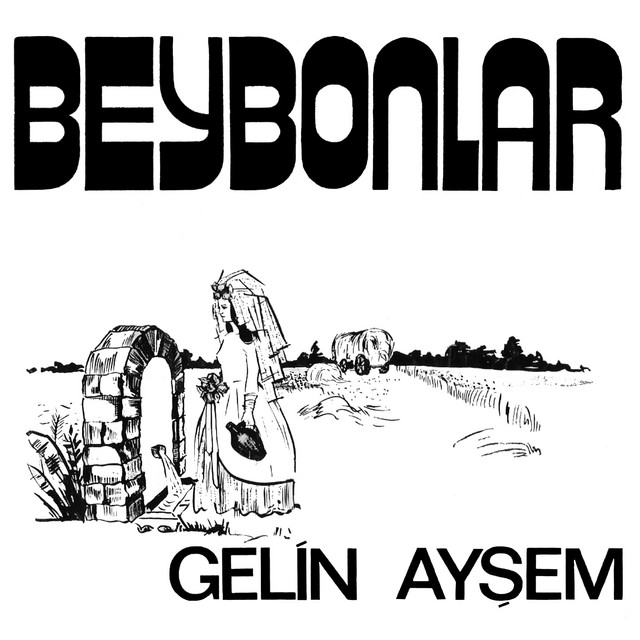
Beybonlar


Özel Türkbaş Orkestrası

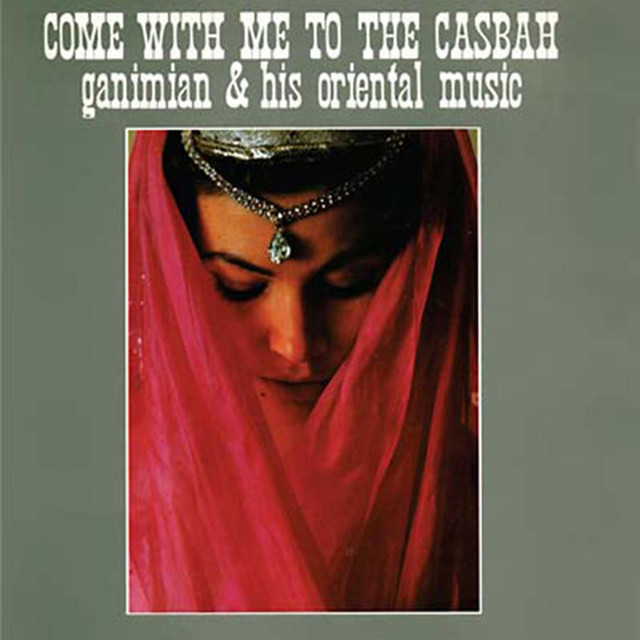
Ganimian and His Oriental Music


Elvan Sevil

Rıfat Öncel


Durul Gence 10'lusu
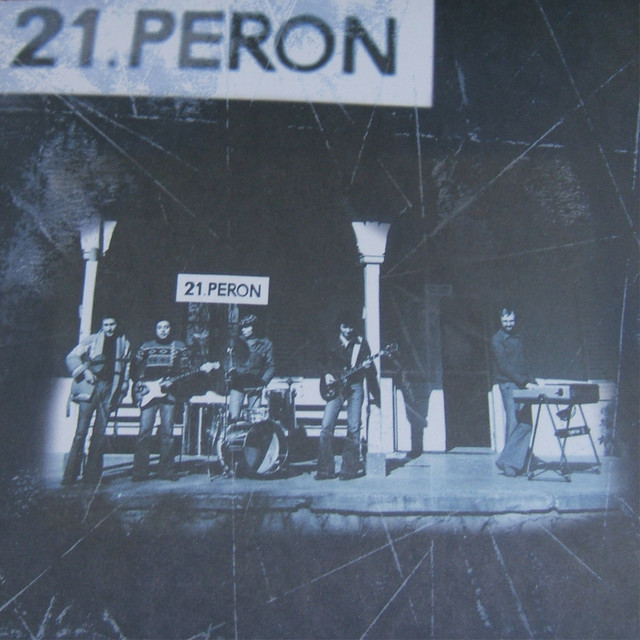

Mustafa Kuş ve İmece

Arkadaş
T.P.A.O. Batman Orkestrası
Burhan Tonguç Ritim Grubu

