Data may be outdated
Last updated: 8 months ago — Click refresh to get the latest statistics.
A trio of musicians from Kigali, the impoverished capital city of Rwanda, the Good Ones play a poignant, and raw form of folk music that relies on a minimalist setup of acoustic guitars, harmonies, and occasional hand percussion. Singing in the local dialect of their rustic farming region, they were discovered in 2010 by American producer <a href="spotify:artist:6aZAReSXlN5B4m2BW7cmO9">Ian Brennan</a>, who has helped the band record several albums including 2019's RWANDA, You Should Be Loved and 2022's Rwanda...You See Ghosts, I See Sky.
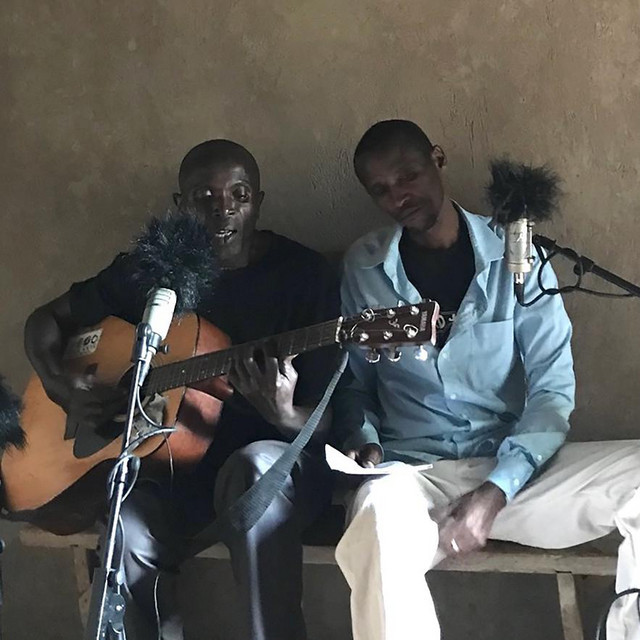
Adrien Kazigira, Stany Hitimana, and Jeanvier Havugimana are all survivors of the 1994 Rwandan genocide who turned to music as a healing process. Their debut album, Kigali Y' Izahabu, was recorded in one night and released in the late fall of 2010 by <a href="spotify:search:label%3A%22Dead+Oceans%22">Dead Oceans</a> (who donated a portion of the proceeds to various Rwandan humanitarian organizations). Kazigira wrote eight of the album's 12 songs. The trio play two acoustic guitars -- one functions as a bass (because it was missing its two top strings on the night the record was cut) -- and employ harmony vocals and organic percussion. Essentially a field recording, Kigali Y' Izahabu was recorded and produced by <a href="spotify:artist:6aZAReSXlN5B4m2BW7cmO9">Ian Brennan</a> (<a href="spotify:artist:2sf2owtFSCvz2MLfxmNdkb">Tinariwen</a>, <a href="spotify:artist:4nGubFB69pawB8SRc3bb5I">Malawi Mouse Boys</a>). <a href="spotify:artist:6aZAReSXlN5B4m2BW7cmO9">Brennan</a> returned to Rwanda several years later to help the Good Ones record a second collection. Released in 2015, Rwanda Is My Home added subtle elements like bass and hand percussion -- often in the form of the band's own farming tools -- to the group's sparse mix.
Although recorded in a similar fashion on bandleader Kazigira's farm, the trio's third album, RWANDA, You Should Be Loved, featured a bevy of outside collaborators that included <a href="spotify:artist:3s6o8vxtYJ1utkWl8EXxUp">Nels Cline</a> (<a href="spotify:artist:2QoU3awHVdcHS8LrZEKvSM">Wilco</a>), <a href="spotify:artist:3and7uje1nuMnKJczCKox9">Tunde Adebimpe</a> (<a href="spotify:artist:3HJIB8sYPyxrFGuwvKXSLR">TV on the Radio</a>), Corin Tucker (<a href="spotify:artist:4wLIbcoqmqI4WZHDiBxeCB">Sleater-Kinney</a>), Kevin Shields (<a href="spotify:artist:3G3Gdm0ZRAOxLrbyjfhii5">My Bloody Valentine</a>), and <a href="spotify:artist:1sbo1L9XfmgiWMFsL5xNjf">Joe Lally</a> (<a href="spotify:artist:62sC6lUEWRjbFqXpMmOk4G">Fugazi</a>). Culled from over 40 songs Kazigira had written, it was released by the <a href="spotify:search:label%3A%22ANTI-%22">ANTI-</a> label in 2019 and marked the 25th anniversary of the Rwandan genocide. <a href="spotify:artist:6aZAReSXlN5B4m2BW7cmO9">Brennan</a> soon returned to Rwanda to help the Good Ones record a fourth album. Captured once again on Kazigira's farm, Rwanda...You See Ghosts, I See Sky was as spare in tone as its predecessors, examining even more deeply the bandmembers' individual stories. Among the album's more hopeful love songs was Havugimana's plaintive and descriptive "My Son Has Special Needs, But There's Nowhere for Him to Go." ~ Thom Jurek
Adrien Kazigira, Stany Hitimana, and Jeanvier Havugimana are all survivors of the 1994 Rwandan genocide who turned to music as a healing process. Their debut album, Kigali Y' Izahabu, was recorded in one night and released in the late fall of 2010 by <a href="spotify:search:label%3A%22Dead+Oceans%22">Dead Oceans</a> (who donated a portion of the proceeds to various Rwandan humanitarian organizations). Kazigira wrote eight of the album's 12 songs. The trio play two acoustic guitars -- one functions as a bass (because it was missing its two top strings on the night the record was cut) -- and employ harmony vocals and organic percussion. Essentially a field recording, Kigali Y' Izahabu was recorded and produced by <a href="spotify:artist:6aZAReSXlN5B4m2BW7cmO9">Ian Brennan</a> (<a href="spotify:artist:2sf2owtFSCvz2MLfxmNdkb">Tinariwen</a>, <a href="spotify:artist:4nGubFB69pawB8SRc3bb5I">Malawi Mouse Boys</a>). <a href="spotify:artist:6aZAReSXlN5B4m2BW7cmO9">Brennan</a> returned to Rwanda several years later to help the Good Ones record a second collection. Released in 2015, Rwanda Is My Home added subtle elements like bass and hand percussion -- often in the form of the band's own farming tools -- to the group's sparse mix.
Although recorded in a similar fashion on bandleader Kazigira's farm, the trio's third album, RWANDA, You Should Be Loved, featured a bevy of outside collaborators that included <a href="spotify:artist:3s6o8vxtYJ1utkWl8EXxUp">Nels Cline</a> (<a href="spotify:artist:2QoU3awHVdcHS8LrZEKvSM">Wilco</a>), <a href="spotify:artist:3and7uje1nuMnKJczCKox9">Tunde Adebimpe</a> (<a href="spotify:artist:3HJIB8sYPyxrFGuwvKXSLR">TV on the Radio</a>), Corin Tucker (<a href="spotify:artist:4wLIbcoqmqI4WZHDiBxeCB">Sleater-Kinney</a>), Kevin Shields (<a href="spotify:artist:3G3Gdm0ZRAOxLrbyjfhii5">My Bloody Valentine</a>), and <a href="spotify:artist:1sbo1L9XfmgiWMFsL5xNjf">Joe Lally</a> (<a href="spotify:artist:62sC6lUEWRjbFqXpMmOk4G">Fugazi</a>). Culled from over 40 songs Kazigira had written, it was released by the <a href="spotify:search:label%3A%22ANTI-%22">ANTI-</a> label in 2019 and marked the 25th anniversary of the Rwandan genocide. <a href="spotify:artist:6aZAReSXlN5B4m2BW7cmO9">Brennan</a> soon returned to Rwanda to help the Good Ones record a fourth album. Captured once again on Kazigira's farm, Rwanda...You See Ghosts, I See Sky was as spare in tone as its predecessors, examining even more deeply the bandmembers' individual stories. Among the album's more hopeful love songs was Havugimana's plaintive and descriptive "My Son Has Special Needs, But There's Nowhere for Him to Go." ~ Thom Jurek
Monthly Listeners
3,396
Monthly Listeners History
Track the evolution of monthly listeners over the last 28 days.
Followers
6,428
Followers History
Track the evolution of followers over the last 28 days.
Top Cities



Related Artists
Ahmed Ag Kaedy

John Ondolo

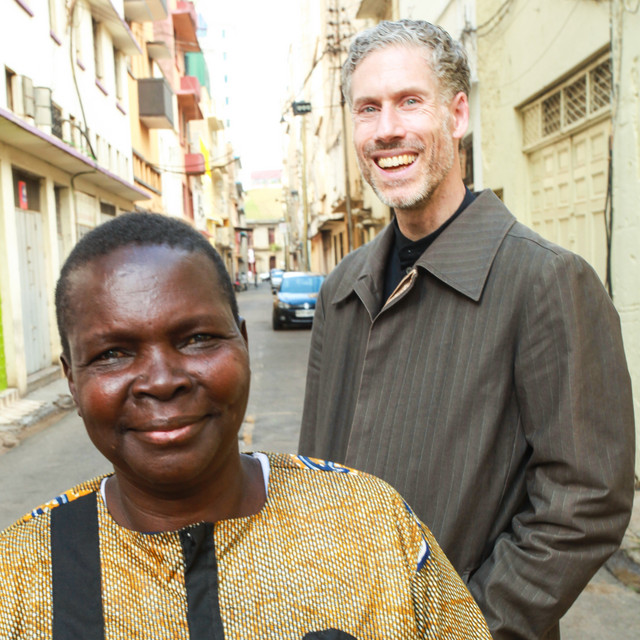
ODD OKODDO
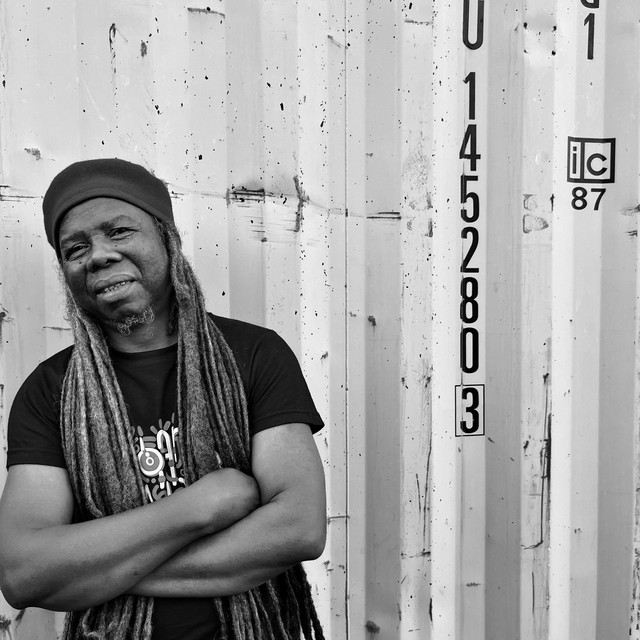
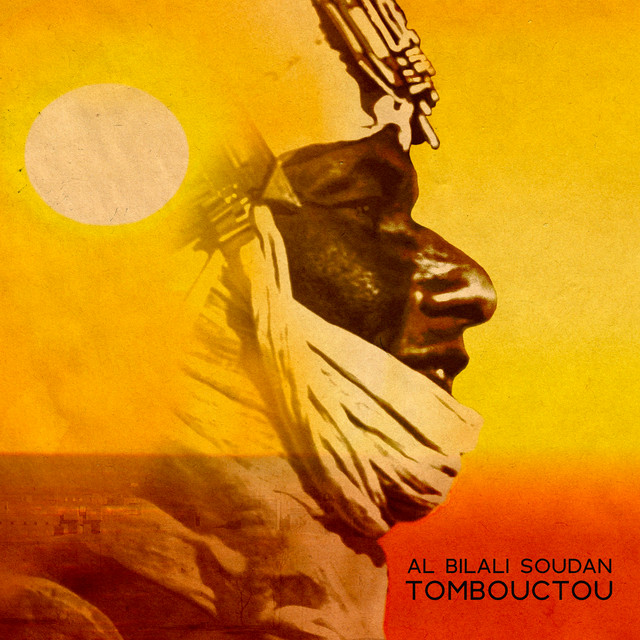
Al Bilali Soudan
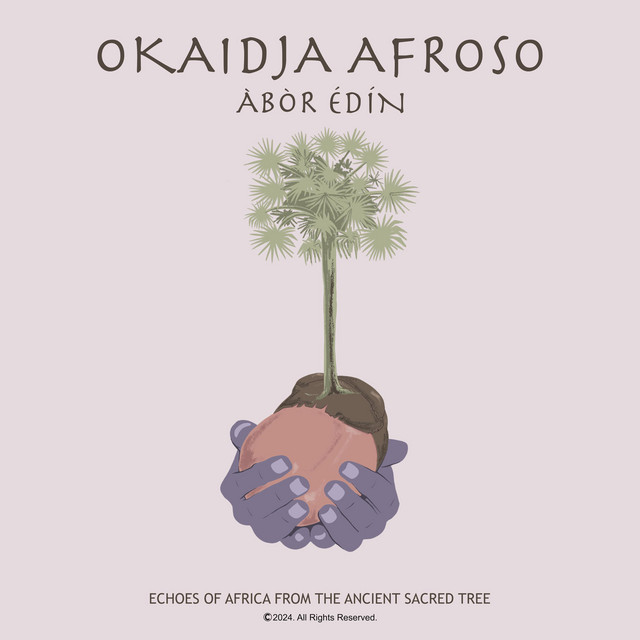
Okaidja Afroso
Jess Sah Bi
Les Filles de Illighadad
Vumbi Dekula
Mohamed Karzo
William Takaku
The Zawose Queens
Pidia Kaur Group



Ahl Nana



Namian Sidibé

Fatou Seidi Ghali