Last updated: 4 hours ago
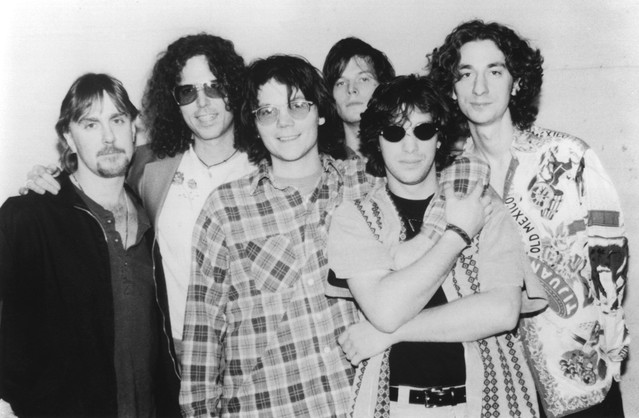
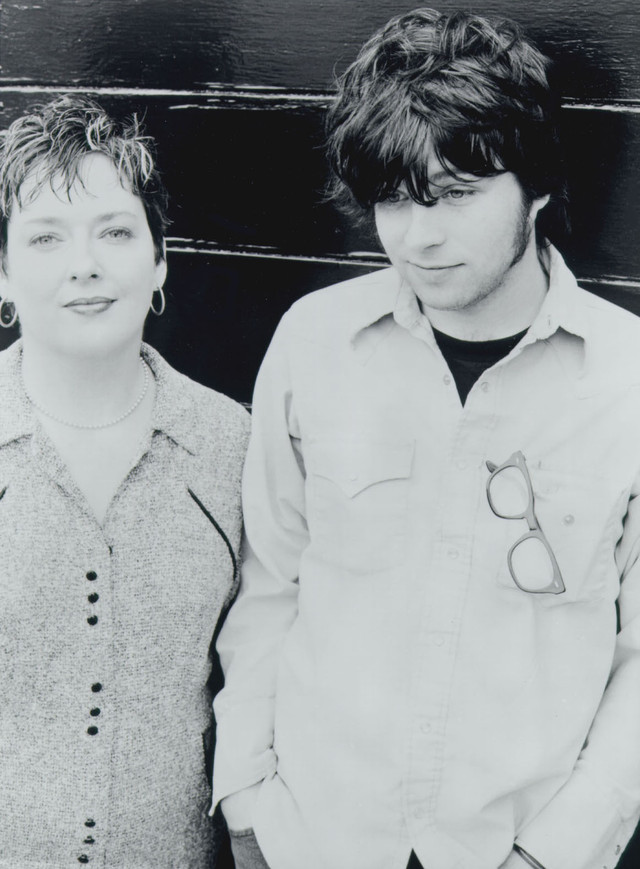
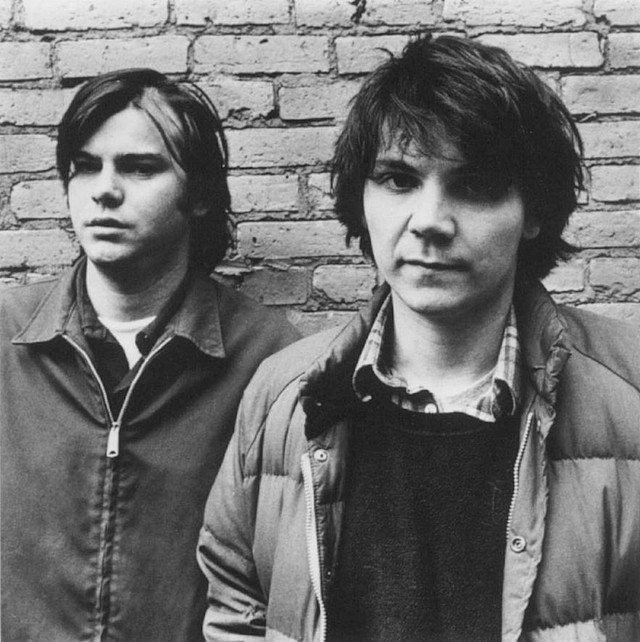
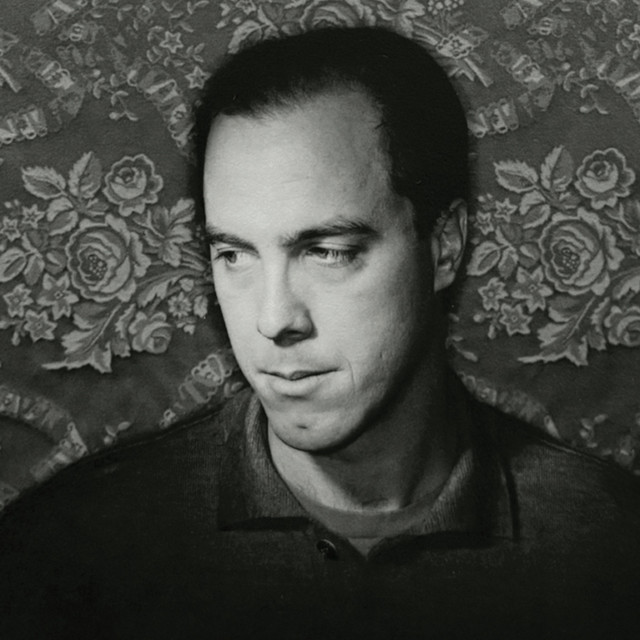
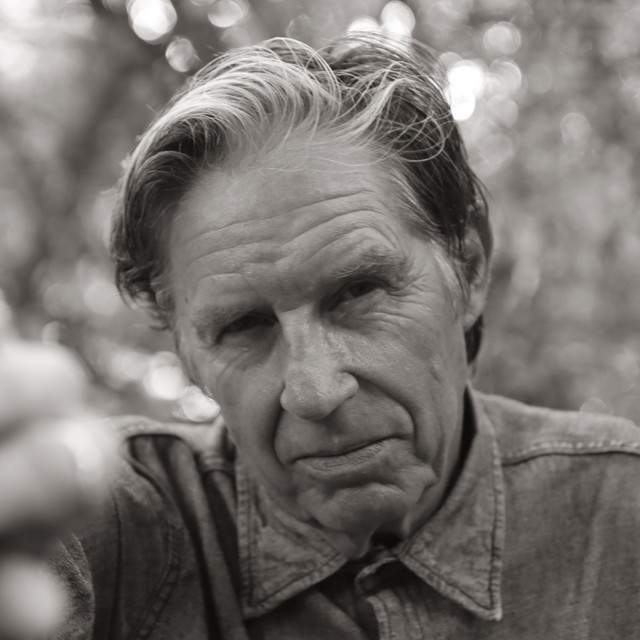
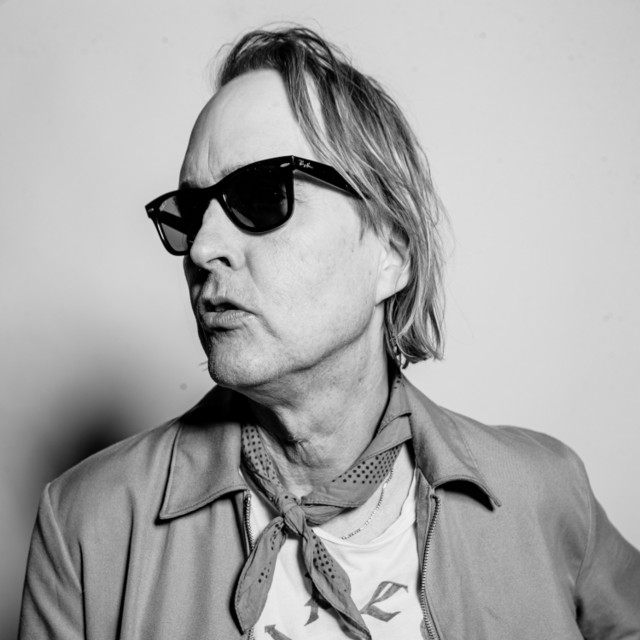
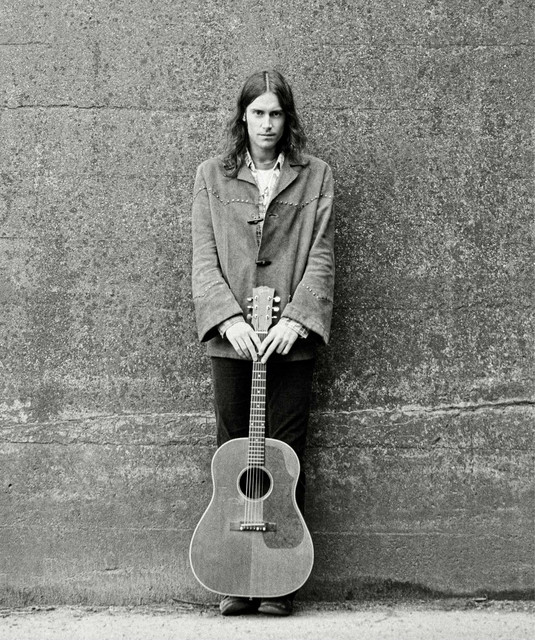
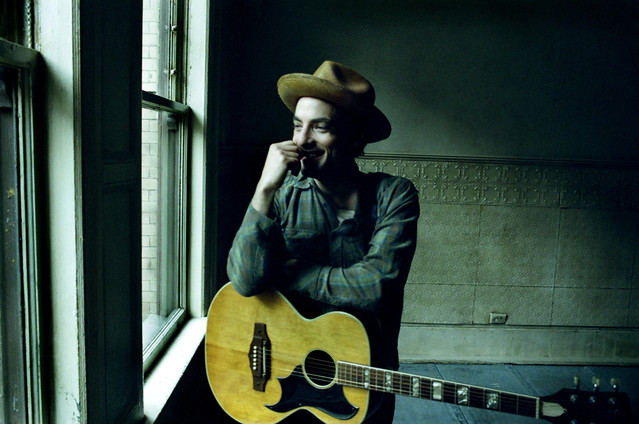
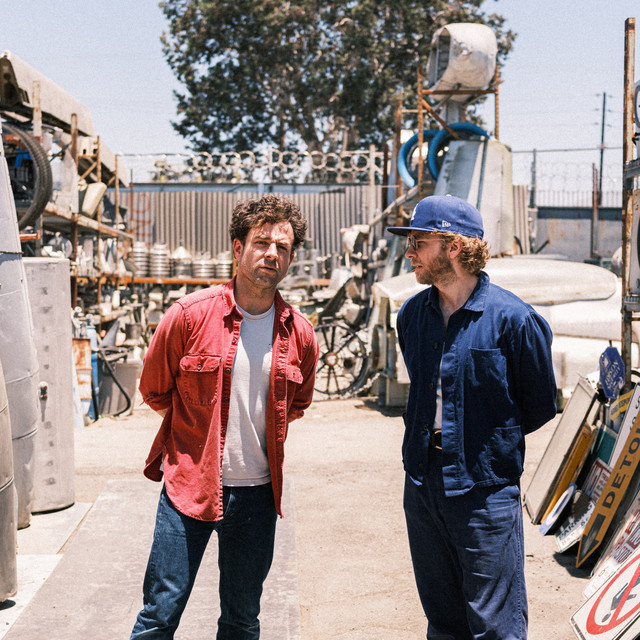
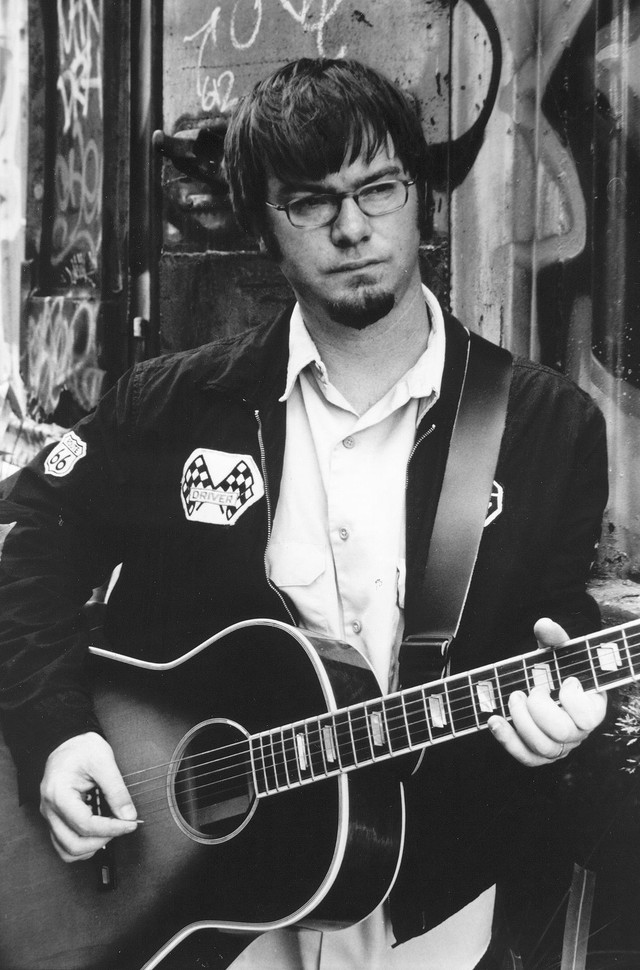
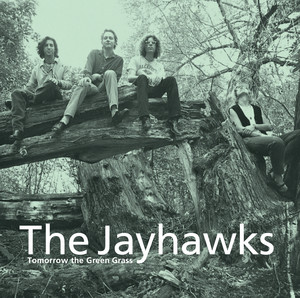
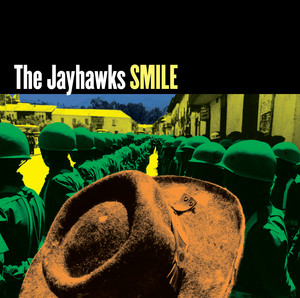
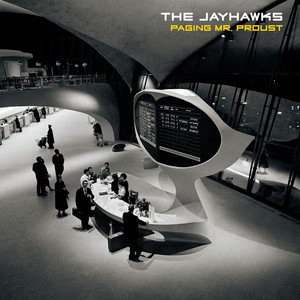
Led by the gifted songwriting, impeccable playing, and honeyed harmonies of vocalists/guitarists <a href="spotify:artist:4OYNuiOJENSg8ORyqJFbqn">Mark Olson</a> and <a href="spotify:artist:1pSBByP9XAwxW5YTAIMNeZ">Gary Louris</a>, the Jayhawks' shimmering blend of country, folk, and bar band rock made them one of the most widely acclaimed artists to emerge from the alternative country scene of the '80s. Playing downcast, folk-leaning pop with <a href="spotify:artist:6v8FB84lnmJs434UJf2Mrm">Neil Young</a>-informed country accents, the band emerged from the Minneapolis music scene in the mid-'80s, and after a pair of early independent releases, the group became critical favorites and cult heroes with the release of their first major-label album, 1992's superb Hollywood Town Hall. After 1995's Tomorrow the Green Grass, <a href="spotify:artist:4OYNuiOJENSg8ORyqJFbqn">Olson</a> left the group, and under <a href="spotify:artist:1pSBByP9XAwxW5YTAIMNeZ">Louris</a>' leadership, they went on, displaying a more pop-oriented direction on 2000's Smile. After 2003's Rainy Day Music, the Jayhawks went on hiatus, but <a href="spotify:artist:4OYNuiOJENSg8ORyqJFbqn">Olson</a> and <a href="spotify:artist:1pSBByP9XAwxW5YTAIMNeZ">Louris</a> reunited the band for 2011's Mockingbird Time. <a href="spotify:artist:4OYNuiOJENSg8ORyqJFbqn">Olson</a> once again dropped out, but <a href="spotify:artist:1pSBByP9XAwxW5YTAIMNeZ">Louris</a> gave the band a third act with 2016's adventurous Paging Mr. Proust.
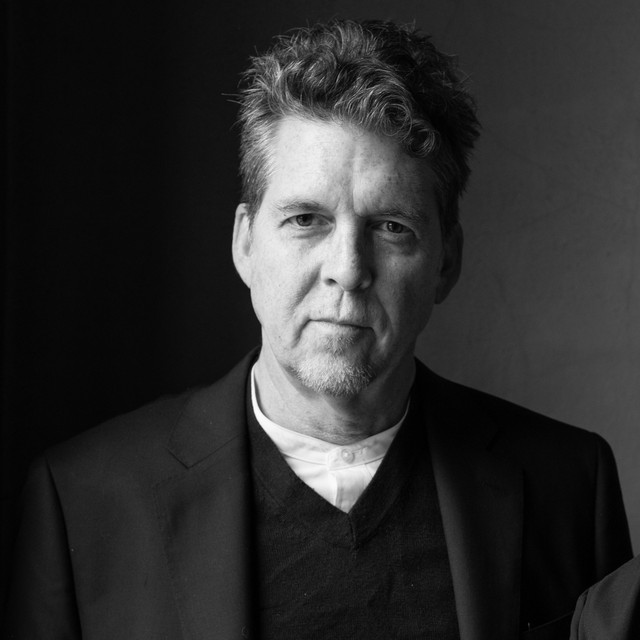
The Jayhawks sprang up in 1985 out of the fertile musical community of Minneapolis, Minnesota, where <a href="spotify:artist:4OYNuiOJENSg8ORyqJFbqn">Olson</a> had been playing standup bass in a rockabilly band called Stagger Lee. His desire to write and perform his own country-folk material soon prompted him to begin a solo career, which he launched after enlisting Marc Perlman, the guitarist for a local band called the Neglecters, to become <a href="spotify:artist:4OYNuiOJENSg8ORyqJFbqn">Olson</a>'s bassist. After the addition of drummer Norm Rogers, the group began booking shows, playing its first gig in front of a small crowd of less than a dozen people. One of those patrons, however, was <a href="spotify:artist:1pSBByP9XAwxW5YTAIMNeZ">Gary Louris</a>, a veteran of the local bands Safety Last and Schnauzer. He and <a href="spotify:artist:4OYNuiOJENSg8ORyqJFbqn">Olson</a> began talking after the show; by the end of the evening, <a href="spotify:artist:1pSBByP9XAwxW5YTAIMNeZ">Louris</a> -- who was famed locally for his innovative, pedal steel-like guitar sound -- had become a member of the group, which eventually adopted the name the Jayhawks.
Drawing on influences like <a href="spotify:artist:1KA3WXYMPLxomNuoE22LYd">Gram Parsons</a>, <a href="spotify:artist:3TUYqYNCqgqeqkBZVyxEi6">the Louvin Brothers</a>, <a href="spotify:artist:39GVRVaqlKh7JL8Yl5ZKcb">Tim Hardin</a>, and Nashville Skyline-era <a href="spotify:artist:74ASZWbe4lXaubB36ztrGX">Bob Dylan</a>, the Jayhawks quickly became a local favorite, honing their sound in Twin Cities clubs before releasing their eponymous debut in 1986. Issued in a pressing of just a few thousand copies, the album was well-received by those who heard it; a major recording deal did not follow, however, so the bandmembers continued to polish their craft live, with more and more of their songs bearing writing credits belonging to both <a href="spotify:artist:4OYNuiOJENSg8ORyqJFbqn">Olson</a> and <a href="spotify:artist:1pSBByP9XAwxW5YTAIMNeZ">Louris</a>. In October 1988, after a lineup change that saw the departure of Rogers (who joined <a href="spotify:artist:5Al98vDcGka3JcJ1WlZYoN">the Cows</a>) followed by the addition of drummer Thad Spencer, <a href="spotify:artist:1pSBByP9XAwxW5YTAIMNeZ">Louris</a> was nearly killed in an auto accident, and the Jayhawks went on hiatus. At the same time, however, executives at the Minneapolis independent label <a href="spotify:search:label%3A%22Twin%2FTone%22">Twin/Tone</a> decided to issue the demos the group had been stockpiling over the past few years, and after some overdubbing and remixing, Blue Earth appeared in 1989. Richer in sound and more complex in its themes and concerns, the record's release brought the group considerable attention, and also brought <a href="spotify:artist:1pSBByP9XAwxW5YTAIMNeZ">Louris</a> back into the fold. After another drummer switch (Spencer for Ken Callahan), the band hit the road for a national tour.
The Jayhawks were signed to major-label <a href="spotify:search:label%3A%22American+Records%22">American Records</a> after producer <a href="spotify:artist:7gypIdzrRa5Qn38DR8ounG">George Drakoulias</a> heard Blue Earth playing in the background during a phone call to <a href="spotify:search:label%3A%22Twin%2FTone%22">Twin/Tone</a>'s offices. With <a href="spotify:artist:7gypIdzrRa5Qn38DR8ounG">Drakoulias</a> in the producer's seat, the band recorded its breakthrough album, Hollywood Town Hall, in 1991; a mainstay of critics' annual "best-of" lists, the album generated the alternative radio hits "Waiting for the Sun," "Take Me with You (When You Go)," and "Settled Down Like Rain." After a tour that saw the permanent addition of Minneapolis pianist Karen Grotberg, the individual bandmembers guested on albums from <a href="spotify:artist:0vEsuISMWAKNctLlUAhSZC">Counting Crows</a>, <a href="spotify:artist:02da1vDJ2hWqfK7aJL6SJm">Soul Asylum</a>, <a href="spotify:artist:30GIF9g2UJ1ifn45kSMTFf">Maria McKee</a>, <a href="spotify:artist:0TeVWuc8Sw05X4Qkl3AA5r">Joe Henry</a>, and others. Before recording the fourth Jayhawks album, Callahan departed, and was replaced by session drummer <a href="spotify:artist:3UCv7lEbL97weB3jm0JICL">Don Heffington</a>. The resulting record, 1995's Tomorrow the Green Grass, is a beautiful collection of songs led by the elegiac single "Blue," the recipient of significant airplay. A tour followed, but after some months on the road, <a href="spotify:artist:4OYNuiOJENSg8ORyqJFbqn">Olson</a> announced he was quitting the band.
In 1997, the Jayhawks -- now consisting of <a href="spotify:artist:1pSBByP9XAwxW5YTAIMNeZ">Louris</a>, Perlman, Grotberg, and drummer <a href="spotify:artist:7HDg6tFfGLZWUyDknya4Wd">Tim O'Reagan</a> -- released the album Sound of Lies. Grotberg left the band in early 2000, and was replaced by ex-<a href="spotify:artist:6djMoGvRwtmJ4bXEBAId9o">DAG</a> keyboardist Jen Gunderman for the band's sixth album, Smile. A move to a new label (<a href="spotify:search:label%3A%22Lost+Highway%22">Lost Highway</a>) in 2002 brought about more changes in the band's ever evolving lineup, leaving <a href="spotify:artist:1pSBByP9XAwxW5YTAIMNeZ">Louris</a>, Perlman, and <a href="spotify:artist:7HDg6tFfGLZWUyDknya4Wd">O'Reagan</a> (assisted by newcomer Stephen McCarthy on guitar) to craft 2003's rootsier Rainy Day Music. After that, the band ceased operating under the moniker, though <a href="spotify:artist:4OYNuiOJENSg8ORyqJFbqn">Olson</a> and <a href="spotify:artist:1pSBByP9XAwxW5YTAIMNeZ">Louris</a> toured together in 2005 and 2006 billed as "From the Jayhawks: An Evening with <a href="spotify:artist:4OYNuiOJENSg8ORyqJFbqn">Mark Olson</a> and <a href="spotify:artist:1pSBByP9XAwxW5YTAIMNeZ">Gary Louris</a>, Together Again," eventually releasing an album together in 2009 called Ready for the Flood. That same year, the band released Music from the North Country: The Jayhawks Anthology, and a reissue of 1986's Bunkhouse Album appeared soon after.
During the summer of 2009, the Jayhawks reunited for two festival dates in Spain. The success of both shows encouraged the bandmates to bring the reunion back to America, where they holed up in several locations (<a href="spotify:artist:1pSBByP9XAwxW5YTAIMNeZ">Louris</a>' apartment in Minneapolis, <a href="spotify:artist:4OYNuiOJENSg8ORyqJFbqn">Olson</a>'s home in Joshua Tree, a cabin in northern Minnesota) to write new material. Most of those new songs made their way onto 2011's Mockingbird Time, the band's first release in nearly ten years. The Jayhawks toured extensively in support of the album, but tensions within the group once again led <a href="spotify:artist:4OYNuiOJENSg8ORyqJFbqn">Mark Olson</a> to bow out of the lineup. <a href="spotify:artist:1pSBByP9XAwxW5YTAIMNeZ">Louris</a> continued on without him, and the group continued to play live dates in 2014 and 2015. One show from the tour, a January 2015 performance at the Belly Up Club in Solana Beach, California, received a digital release as Live at the Belly Up. Later that year, the Jayhawks -- <a href="spotify:artist:1pSBByP9XAwxW5YTAIMNeZ">Louris</a>, Grotberg, Perlman, <a href="spotify:artist:7HDg6tFfGLZWUyDknya4Wd">O'Reagan</a>, and guitarist Kraig Johnson -- returned to the studio to work on an album. <a href="spotify:artist:0sqfioVq0W7KyfszjuiDMu">Peter Buck</a> and Tucker Martine served as producers for the sessions, which were released in April 2016 as Paging Mr. Proust. <a href="spotify:artist:0sqfioVq0W7KyfszjuiDMu">Buck</a> and his former <a href="spotify:artist:4KWTAlx2RvbpseOGMEmROg">R.E.M.</a> bandmate Mike Mills both made guest appearances on the album, as did <a href="spotify:artist:4D4T2hu4Wgm9MmdagNVVWz">Scott McCaughey</a> of <a href="spotify:artist:6IfaumPVXMZ8iDue5QhuCY">the Young Fresh Fellows</a> and <a href="spotify:artist:7k8oHbK8ratXIVlYX7fVRU">the Minus 5</a>. In 2018, the Jayhawks released Back Roads and Abandoned Motels, in which the group delivered fresh versions of songs <a href="spotify:artist:1pSBByP9XAwxW5YTAIMNeZ">Louris</a> originally wrote for other artists, along with two new compositions. In 2020, the Jayhawks -- now a quartet featuring <a href="spotify:artist:1pSBByP9XAwxW5YTAIMNeZ">Louris</a>, Perlman, <a href="spotify:artist:7HDg6tFfGLZWUyDknya4Wd">O'Reagan</a>, and Grotberg -- released the album XOXO, which for the first time found all four members contributing lead vocals and songwriting to the set. ~ Jason Ankeny, Rovi
The Jayhawks sprang up in 1985 out of the fertile musical community of Minneapolis, Minnesota, where <a href="spotify:artist:4OYNuiOJENSg8ORyqJFbqn">Olson</a> had been playing standup bass in a rockabilly band called Stagger Lee. His desire to write and perform his own country-folk material soon prompted him to begin a solo career, which he launched after enlisting Marc Perlman, the guitarist for a local band called the Neglecters, to become <a href="spotify:artist:4OYNuiOJENSg8ORyqJFbqn">Olson</a>'s bassist. After the addition of drummer Norm Rogers, the group began booking shows, playing its first gig in front of a small crowd of less than a dozen people. One of those patrons, however, was <a href="spotify:artist:1pSBByP9XAwxW5YTAIMNeZ">Gary Louris</a>, a veteran of the local bands Safety Last and Schnauzer. He and <a href="spotify:artist:4OYNuiOJENSg8ORyqJFbqn">Olson</a> began talking after the show; by the end of the evening, <a href="spotify:artist:1pSBByP9XAwxW5YTAIMNeZ">Louris</a> -- who was famed locally for his innovative, pedal steel-like guitar sound -- had become a member of the group, which eventually adopted the name the Jayhawks.
Drawing on influences like <a href="spotify:artist:1KA3WXYMPLxomNuoE22LYd">Gram Parsons</a>, <a href="spotify:artist:3TUYqYNCqgqeqkBZVyxEi6">the Louvin Brothers</a>, <a href="spotify:artist:39GVRVaqlKh7JL8Yl5ZKcb">Tim Hardin</a>, and Nashville Skyline-era <a href="spotify:artist:74ASZWbe4lXaubB36ztrGX">Bob Dylan</a>, the Jayhawks quickly became a local favorite, honing their sound in Twin Cities clubs before releasing their eponymous debut in 1986. Issued in a pressing of just a few thousand copies, the album was well-received by those who heard it; a major recording deal did not follow, however, so the bandmembers continued to polish their craft live, with more and more of their songs bearing writing credits belonging to both <a href="spotify:artist:4OYNuiOJENSg8ORyqJFbqn">Olson</a> and <a href="spotify:artist:1pSBByP9XAwxW5YTAIMNeZ">Louris</a>. In October 1988, after a lineup change that saw the departure of Rogers (who joined <a href="spotify:artist:5Al98vDcGka3JcJ1WlZYoN">the Cows</a>) followed by the addition of drummer Thad Spencer, <a href="spotify:artist:1pSBByP9XAwxW5YTAIMNeZ">Louris</a> was nearly killed in an auto accident, and the Jayhawks went on hiatus. At the same time, however, executives at the Minneapolis independent label <a href="spotify:search:label%3A%22Twin%2FTone%22">Twin/Tone</a> decided to issue the demos the group had been stockpiling over the past few years, and after some overdubbing and remixing, Blue Earth appeared in 1989. Richer in sound and more complex in its themes and concerns, the record's release brought the group considerable attention, and also brought <a href="spotify:artist:1pSBByP9XAwxW5YTAIMNeZ">Louris</a> back into the fold. After another drummer switch (Spencer for Ken Callahan), the band hit the road for a national tour.
The Jayhawks were signed to major-label <a href="spotify:search:label%3A%22American+Records%22">American Records</a> after producer <a href="spotify:artist:7gypIdzrRa5Qn38DR8ounG">George Drakoulias</a> heard Blue Earth playing in the background during a phone call to <a href="spotify:search:label%3A%22Twin%2FTone%22">Twin/Tone</a>'s offices. With <a href="spotify:artist:7gypIdzrRa5Qn38DR8ounG">Drakoulias</a> in the producer's seat, the band recorded its breakthrough album, Hollywood Town Hall, in 1991; a mainstay of critics' annual "best-of" lists, the album generated the alternative radio hits "Waiting for the Sun," "Take Me with You (When You Go)," and "Settled Down Like Rain." After a tour that saw the permanent addition of Minneapolis pianist Karen Grotberg, the individual bandmembers guested on albums from <a href="spotify:artist:0vEsuISMWAKNctLlUAhSZC">Counting Crows</a>, <a href="spotify:artist:02da1vDJ2hWqfK7aJL6SJm">Soul Asylum</a>, <a href="spotify:artist:30GIF9g2UJ1ifn45kSMTFf">Maria McKee</a>, <a href="spotify:artist:0TeVWuc8Sw05X4Qkl3AA5r">Joe Henry</a>, and others. Before recording the fourth Jayhawks album, Callahan departed, and was replaced by session drummer <a href="spotify:artist:3UCv7lEbL97weB3jm0JICL">Don Heffington</a>. The resulting record, 1995's Tomorrow the Green Grass, is a beautiful collection of songs led by the elegiac single "Blue," the recipient of significant airplay. A tour followed, but after some months on the road, <a href="spotify:artist:4OYNuiOJENSg8ORyqJFbqn">Olson</a> announced he was quitting the band.
In 1997, the Jayhawks -- now consisting of <a href="spotify:artist:1pSBByP9XAwxW5YTAIMNeZ">Louris</a>, Perlman, Grotberg, and drummer <a href="spotify:artist:7HDg6tFfGLZWUyDknya4Wd">Tim O'Reagan</a> -- released the album Sound of Lies. Grotberg left the band in early 2000, and was replaced by ex-<a href="spotify:artist:6djMoGvRwtmJ4bXEBAId9o">DAG</a> keyboardist Jen Gunderman for the band's sixth album, Smile. A move to a new label (<a href="spotify:search:label%3A%22Lost+Highway%22">Lost Highway</a>) in 2002 brought about more changes in the band's ever evolving lineup, leaving <a href="spotify:artist:1pSBByP9XAwxW5YTAIMNeZ">Louris</a>, Perlman, and <a href="spotify:artist:7HDg6tFfGLZWUyDknya4Wd">O'Reagan</a> (assisted by newcomer Stephen McCarthy on guitar) to craft 2003's rootsier Rainy Day Music. After that, the band ceased operating under the moniker, though <a href="spotify:artist:4OYNuiOJENSg8ORyqJFbqn">Olson</a> and <a href="spotify:artist:1pSBByP9XAwxW5YTAIMNeZ">Louris</a> toured together in 2005 and 2006 billed as "From the Jayhawks: An Evening with <a href="spotify:artist:4OYNuiOJENSg8ORyqJFbqn">Mark Olson</a> and <a href="spotify:artist:1pSBByP9XAwxW5YTAIMNeZ">Gary Louris</a>, Together Again," eventually releasing an album together in 2009 called Ready for the Flood. That same year, the band released Music from the North Country: The Jayhawks Anthology, and a reissue of 1986's Bunkhouse Album appeared soon after.
During the summer of 2009, the Jayhawks reunited for two festival dates in Spain. The success of both shows encouraged the bandmates to bring the reunion back to America, where they holed up in several locations (<a href="spotify:artist:1pSBByP9XAwxW5YTAIMNeZ">Louris</a>' apartment in Minneapolis, <a href="spotify:artist:4OYNuiOJENSg8ORyqJFbqn">Olson</a>'s home in Joshua Tree, a cabin in northern Minnesota) to write new material. Most of those new songs made their way onto 2011's Mockingbird Time, the band's first release in nearly ten years. The Jayhawks toured extensively in support of the album, but tensions within the group once again led <a href="spotify:artist:4OYNuiOJENSg8ORyqJFbqn">Mark Olson</a> to bow out of the lineup. <a href="spotify:artist:1pSBByP9XAwxW5YTAIMNeZ">Louris</a> continued on without him, and the group continued to play live dates in 2014 and 2015. One show from the tour, a January 2015 performance at the Belly Up Club in Solana Beach, California, received a digital release as Live at the Belly Up. Later that year, the Jayhawks -- <a href="spotify:artist:1pSBByP9XAwxW5YTAIMNeZ">Louris</a>, Grotberg, Perlman, <a href="spotify:artist:7HDg6tFfGLZWUyDknya4Wd">O'Reagan</a>, and guitarist Kraig Johnson -- returned to the studio to work on an album. <a href="spotify:artist:0sqfioVq0W7KyfszjuiDMu">Peter Buck</a> and Tucker Martine served as producers for the sessions, which were released in April 2016 as Paging Mr. Proust. <a href="spotify:artist:0sqfioVq0W7KyfszjuiDMu">Buck</a> and his former <a href="spotify:artist:4KWTAlx2RvbpseOGMEmROg">R.E.M.</a> bandmate Mike Mills both made guest appearances on the album, as did <a href="spotify:artist:4D4T2hu4Wgm9MmdagNVVWz">Scott McCaughey</a> of <a href="spotify:artist:6IfaumPVXMZ8iDue5QhuCY">the Young Fresh Fellows</a> and <a href="spotify:artist:7k8oHbK8ratXIVlYX7fVRU">the Minus 5</a>. In 2018, the Jayhawks released Back Roads and Abandoned Motels, in which the group delivered fresh versions of songs <a href="spotify:artist:1pSBByP9XAwxW5YTAIMNeZ">Louris</a> originally wrote for other artists, along with two new compositions. In 2020, the Jayhawks -- now a quartet featuring <a href="spotify:artist:1pSBByP9XAwxW5YTAIMNeZ">Louris</a>, Perlman, <a href="spotify:artist:7HDg6tFfGLZWUyDknya4Wd">O'Reagan</a>, and Grotberg -- released the album XOXO, which for the first time found all four members contributing lead vocals and songwriting to the set. ~ Jason Ankeny, Rovi
Monthly Listeners
209,941
Monthly Listeners History
Track the evolution of monthly listeners over the last 28 days.
Followers
128,169
Followers History
Track the evolution of followers over the last 28 days.
Top Cities
4,450 listeners
3,993 listeners
3,115 listeners
2,677 listeners
2,440 listeners