Data may be outdated
Last updated: 7 months ago — Click refresh to get the latest statistics.
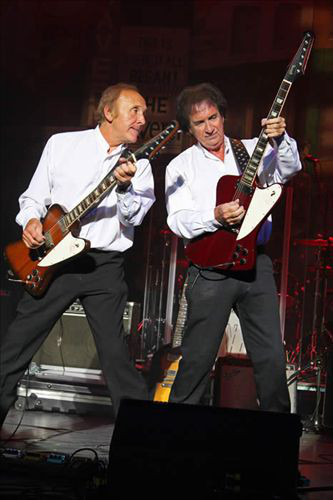
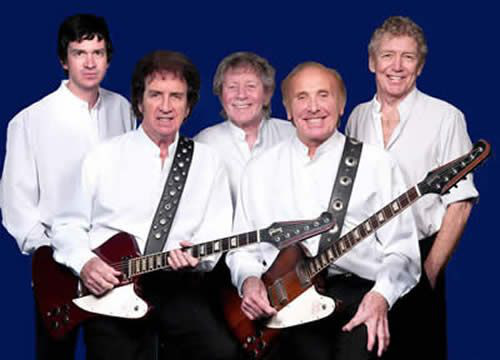
A vocal duo featuring Tony Crane and <a href="spotify:artist:4WVHxdHMwR17FAkdMch6Dg">Billy Kinsley</a>, the Merseys were a British pop group who had a career-defining smash hit with the 1966 single "Sorrow." With expert harmonies and inventive arrangements, the Merseys' best work bridged the gap between the end of the British Beat era and the dawning of psychedelic pop, and their recordings found them working with a number of future stars, including <a href="spotify:artist:73ndLgs6jSrpZzjyzU9TJV">Jack Bruce</a> of <a href="spotify:artist:74oJ4qxwOZvX6oSsu1DGnw">Cream</a>, <a href="spotify:artist:6RhcZuUOb20IZvR8BbdnJX">John Paul Jones</a> of <a href="spotify:artist:36QJpDe2go2KgaRleHCDTp">Led Zeppelin</a>, and <a href="spotify:artist:1ir4qcqXLQRraLp8QYZkFo">Joey Molland</a> of <a href="spotify:artist:4pJCawaKSZ40EnxN0YEYw3">Badfinger</a>. The Merseys were an offshoot of the successful Liverpool combo <a href="spotify:artist:41qTjISnBzDLRlrJEJNGKj">the Merseybeats</a>, and the complete catalog of both groups can be heard on the 2021 anthology I Stand Accused: The Complete Merseybeats & Merseys Sixties Recordings.
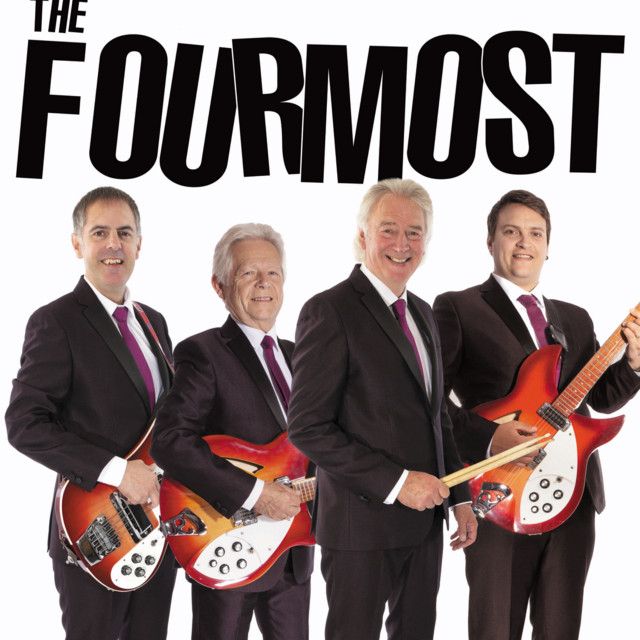
Guitarist and singer Tony Crane was fifteen years old and bassist and singer <a href="spotify:artist:4WVHxdHMwR17FAkdMch6Dg">Billy Kinsley</a> was just fourteen when they were introduced by a mutual friend and discovered they could do <a href="spotify:artist:4ACplpEqD6JIVgKrafauzs">Everly Brothers</a>-style harmonies with ease. The two formed a band in 1961, initially called the Mavericks and briefly known as the Pacifics before the booker at Liverpool's Cavern Club gave them the name <a href="spotify:artist:41qTjISnBzDLRlrJEJNGKj">the Merseybeats</a>. They were soon gigging regularly in Liverpool and the surrounding area alongside fellow Merseyside acts like <a href="spotify:artist:6B90OW5Tz38W97TVB6stEm">the Fourmost</a>, <a href="spotify:artist:5gNduPlUGHsgy1w7f71obH">the Swinging Blue Jeans</a>, and <a href="spotify:artist:3UmBeGyNwr4iDWi1vTxWi8">Gerry & the Pacemakers</a>; they often shared bills with <a href="spotify:artist:3WrFJ7ztbogyGnTHbHJFl2">the Beatles</a>, and were said to have played alongside the Fab Four more often than any other Liverpool act. In 1963, they signed with <a href="spotify:search:label%3A%22Fontana+Records%22">Fontana Records</a>, and their debut single, "It's Love That Really Counts," was a success, peaking at Number 24 on the British Pop chart. Their second disc, "I Think of You," was plugged by their pals <a href="spotify:artist:3WrFJ7ztbogyGnTHbHJFl2">the Beatles</a> on the pop music show Juke Box Jury, and their endorsement helped it make the Top Five in February 1964. While the band was selling records and playing good-paying engagements, little of the money was making its way to the musicians, which <a href="spotify:artist:4WVHxdHMwR17FAkdMch6Dg">Billy Kinsley</a> believed was due to their manager shortchanging them. <a href="spotify:artist:4WVHxdHMwR17FAkdMch6Dg">Kinsley</a> responded by leaving <a href="spotify:artist:41qTjISnBzDLRlrJEJNGKj">the Merseybeats</a>, and <a href="spotify:artist:2ipmz7XqPfwKq9gLXGxv9j">Johnny Gustafson</a>, a veteran of the band <a href="spotify:artist:2V5XPq11kC0UQGABoIkcX2">the Big Three</a>, took over on bass and vocals. By the end of 1965, <a href="spotify:artist:2ipmz7XqPfwKq9gLXGxv9j">Johnny Gustafson</a> was fired by the group's management, supposedly for asking too many questions about their finances. Tony Crane responded by breaking up <a href="spotify:artist:41qTjISnBzDLRlrJEJNGKj">the Merseybeats</a>.
In the immediate wake of the end of <a href="spotify:artist:41qTjISnBzDLRlrJEJNGKj">the Merseybeats</a>, Tony Crane reunited with <a href="spotify:artist:4WVHxdHMwR17FAkdMch6Dg">Billy Kinsley</a>, and launched a vocal duo they called the Merseys. <a href="spotify:search:label%3A%22Fontana%22">Fontana</a> opted to maintain their relationship with Crane and <a href="spotify:artist:4WVHxdHMwR17FAkdMch6Dg">Kinsley</a>, and their first single as the Merseys, "Sorrow" (recorded with a session band that included <a href="spotify:artist:73ndLgs6jSrpZzjyzU9TJV">Jack Bruce</a> and <a href="spotify:artist:6RhcZuUOb20IZvR8BbdnJX">John Paul Jones</a>), was a major hit, topping out at Number 4 on the U.K. singles charts. The Merseys headed out on tour with a band called <a href="spotify:artist:09ZWfBtfG4CmwmBgdA7dhX">the Fruit Eating Bears</a> serving as their backing band; the guitarist, <a href="spotify:artist:1ir4qcqXLQRraLp8QYZkFo">Joey Molland</a>, would go on to become an international star with <a href="spotify:artist:4pJCawaKSZ40EnxN0YEYw3">Badfinger</a>. By this time, Kit Lambert, who was managing <a href="spotify:artist:67ea9eGLXYMsO2eYQRui3w">the Who</a>, also took on the Merseys as clients, and he spirited away <a href="spotify:artist:24Wa5wIZIo1sPkzVGP0B5p">Pete Townshend</a>'s "So Sad About Us" for the group to record as their second single. (<a href="spotify:artist:4x1nvY2FN8jxqAFA0DA02H">John Lennon</a> had offered to produce a cover of <a href="spotify:artist:3WrFJ7ztbogyGnTHbHJFl2">the Beatles</a>' "I'll Be Back" for the Merseys, but Lambert nixed the proposal in favor of the <a href="spotify:artist:24Wa5wIZIo1sPkzVGP0B5p">Townshend</a> tune.) The Merseys toured as <a href="spotify:artist:67ea9eGLXYMsO2eYQRui3w">the Who</a>'s opening act, and in early 1967, they were added to the bill of a package tour headlined by American soul stars <a href="spotify:artist:7fIvjotigTGWqjIz6EP1i4">the Four Tops</a>. Increasingly disappointed with Kit Lambert -- who they felt was spending too much time on <a href="spotify:artist:67ea9eGLXYMsO2eYQRui3w">the Who</a> while the Merseys' records were failing to chart -- Crane and <a href="spotify:artist:4WVHxdHMwR17FAkdMch6Dg">Kinsley</a> fired him and finally signed on as part of <a href="spotify:artist:2A3KGd7NkgkLzqudWj7jbc">Brian Epstein</a>'s stable of talent. Less than a month later, <a href="spotify:artist:2A3KGd7NkgkLzqudWj7jbc">Epstein</a> died, which did little to help the group's prospects or morale. After a pair of 1968 singles came and went with little notice, Crane and <a href="spotify:artist:4WVHxdHMwR17FAkdMch6Dg">Kinsley</a> brought out one final single under the group name Crackers, "Honey Do" b/w "It Happens All The Time," before retiring the banner the Merseys.
Around the time of the Crackers single, Crane and <a href="spotify:artist:4WVHxdHMwR17FAkdMch6Dg">Kinsley</a>'s manager was successfully booking them on the cabaret circuit as <a href="spotify:artist:41qTjISnBzDLRlrJEJNGKj">the Merseybeats</a>, but <a href="spotify:artist:4WVHxdHMwR17FAkdMch6Dg">Kinsley</a> grew tired of revisiting their old hits and left the act. He worked as a session bassist on several early <a href="spotify:search:label%3A%22Apple+Records%22">Apple Records</a> projects, and later formed the band <a href="spotify:artist:5MHQO0sz5J0VX7jjuL2dUg">Liverpool Express</a>. Crane continued to lead various lineups of <a href="spotify:artist:41qTjISnBzDLRlrJEJNGKj">the Merseybeats</a>, and the group's reputation got a boost in 1973 when <a href="spotify:artist:0oSGxfWSnnOXhD2fKuz2Gy">David Bowie</a> recorded a cover of "Sorrow" for his album Pin Ups that would become a hit single in its own right. Seven years later, <a href="spotify:artist:2BGRfQgtzikz1pzAD0kaEn">Elvis Costello</a> would tip his hat to <a href="spotify:artist:41qTjISnBzDLRlrJEJNGKj">the Merseybeats</a> with a fiery performance of their song "I Stand Accused" on his album Get Happy!! In 1993, <a href="spotify:artist:4WVHxdHMwR17FAkdMch6Dg">Kinsley</a> rejoined <a href="spotify:artist:41qTjISnBzDLRlrJEJNGKj">the Merseybeats</a>, and they successfully worked the nostalgia circuit in England and Europe for many years. In 2021, <a href="spotify:search:label%3A%22Grapefruit+Records%22">Grapefruit Records</a> issued I Stand Accused: The Complete Merseybeats & Merseys Sixties Recordings, which collected the full catalog of both groups in a two-CD set. ~ Mark Deming, Rovi
Guitarist and singer Tony Crane was fifteen years old and bassist and singer <a href="spotify:artist:4WVHxdHMwR17FAkdMch6Dg">Billy Kinsley</a> was just fourteen when they were introduced by a mutual friend and discovered they could do <a href="spotify:artist:4ACplpEqD6JIVgKrafauzs">Everly Brothers</a>-style harmonies with ease. The two formed a band in 1961, initially called the Mavericks and briefly known as the Pacifics before the booker at Liverpool's Cavern Club gave them the name <a href="spotify:artist:41qTjISnBzDLRlrJEJNGKj">the Merseybeats</a>. They were soon gigging regularly in Liverpool and the surrounding area alongside fellow Merseyside acts like <a href="spotify:artist:6B90OW5Tz38W97TVB6stEm">the Fourmost</a>, <a href="spotify:artist:5gNduPlUGHsgy1w7f71obH">the Swinging Blue Jeans</a>, and <a href="spotify:artist:3UmBeGyNwr4iDWi1vTxWi8">Gerry & the Pacemakers</a>; they often shared bills with <a href="spotify:artist:3WrFJ7ztbogyGnTHbHJFl2">the Beatles</a>, and were said to have played alongside the Fab Four more often than any other Liverpool act. In 1963, they signed with <a href="spotify:search:label%3A%22Fontana+Records%22">Fontana Records</a>, and their debut single, "It's Love That Really Counts," was a success, peaking at Number 24 on the British Pop chart. Their second disc, "I Think of You," was plugged by their pals <a href="spotify:artist:3WrFJ7ztbogyGnTHbHJFl2">the Beatles</a> on the pop music show Juke Box Jury, and their endorsement helped it make the Top Five in February 1964. While the band was selling records and playing good-paying engagements, little of the money was making its way to the musicians, which <a href="spotify:artist:4WVHxdHMwR17FAkdMch6Dg">Billy Kinsley</a> believed was due to their manager shortchanging them. <a href="spotify:artist:4WVHxdHMwR17FAkdMch6Dg">Kinsley</a> responded by leaving <a href="spotify:artist:41qTjISnBzDLRlrJEJNGKj">the Merseybeats</a>, and <a href="spotify:artist:2ipmz7XqPfwKq9gLXGxv9j">Johnny Gustafson</a>, a veteran of the band <a href="spotify:artist:2V5XPq11kC0UQGABoIkcX2">the Big Three</a>, took over on bass and vocals. By the end of 1965, <a href="spotify:artist:2ipmz7XqPfwKq9gLXGxv9j">Johnny Gustafson</a> was fired by the group's management, supposedly for asking too many questions about their finances. Tony Crane responded by breaking up <a href="spotify:artist:41qTjISnBzDLRlrJEJNGKj">the Merseybeats</a>.
In the immediate wake of the end of <a href="spotify:artist:41qTjISnBzDLRlrJEJNGKj">the Merseybeats</a>, Tony Crane reunited with <a href="spotify:artist:4WVHxdHMwR17FAkdMch6Dg">Billy Kinsley</a>, and launched a vocal duo they called the Merseys. <a href="spotify:search:label%3A%22Fontana%22">Fontana</a> opted to maintain their relationship with Crane and <a href="spotify:artist:4WVHxdHMwR17FAkdMch6Dg">Kinsley</a>, and their first single as the Merseys, "Sorrow" (recorded with a session band that included <a href="spotify:artist:73ndLgs6jSrpZzjyzU9TJV">Jack Bruce</a> and <a href="spotify:artist:6RhcZuUOb20IZvR8BbdnJX">John Paul Jones</a>), was a major hit, topping out at Number 4 on the U.K. singles charts. The Merseys headed out on tour with a band called <a href="spotify:artist:09ZWfBtfG4CmwmBgdA7dhX">the Fruit Eating Bears</a> serving as their backing band; the guitarist, <a href="spotify:artist:1ir4qcqXLQRraLp8QYZkFo">Joey Molland</a>, would go on to become an international star with <a href="spotify:artist:4pJCawaKSZ40EnxN0YEYw3">Badfinger</a>. By this time, Kit Lambert, who was managing <a href="spotify:artist:67ea9eGLXYMsO2eYQRui3w">the Who</a>, also took on the Merseys as clients, and he spirited away <a href="spotify:artist:24Wa5wIZIo1sPkzVGP0B5p">Pete Townshend</a>'s "So Sad About Us" for the group to record as their second single. (<a href="spotify:artist:4x1nvY2FN8jxqAFA0DA02H">John Lennon</a> had offered to produce a cover of <a href="spotify:artist:3WrFJ7ztbogyGnTHbHJFl2">the Beatles</a>' "I'll Be Back" for the Merseys, but Lambert nixed the proposal in favor of the <a href="spotify:artist:24Wa5wIZIo1sPkzVGP0B5p">Townshend</a> tune.) The Merseys toured as <a href="spotify:artist:67ea9eGLXYMsO2eYQRui3w">the Who</a>'s opening act, and in early 1967, they were added to the bill of a package tour headlined by American soul stars <a href="spotify:artist:7fIvjotigTGWqjIz6EP1i4">the Four Tops</a>. Increasingly disappointed with Kit Lambert -- who they felt was spending too much time on <a href="spotify:artist:67ea9eGLXYMsO2eYQRui3w">the Who</a> while the Merseys' records were failing to chart -- Crane and <a href="spotify:artist:4WVHxdHMwR17FAkdMch6Dg">Kinsley</a> fired him and finally signed on as part of <a href="spotify:artist:2A3KGd7NkgkLzqudWj7jbc">Brian Epstein</a>'s stable of talent. Less than a month later, <a href="spotify:artist:2A3KGd7NkgkLzqudWj7jbc">Epstein</a> died, which did little to help the group's prospects or morale. After a pair of 1968 singles came and went with little notice, Crane and <a href="spotify:artist:4WVHxdHMwR17FAkdMch6Dg">Kinsley</a> brought out one final single under the group name Crackers, "Honey Do" b/w "It Happens All The Time," before retiring the banner the Merseys.
Around the time of the Crackers single, Crane and <a href="spotify:artist:4WVHxdHMwR17FAkdMch6Dg">Kinsley</a>'s manager was successfully booking them on the cabaret circuit as <a href="spotify:artist:41qTjISnBzDLRlrJEJNGKj">the Merseybeats</a>, but <a href="spotify:artist:4WVHxdHMwR17FAkdMch6Dg">Kinsley</a> grew tired of revisiting their old hits and left the act. He worked as a session bassist on several early <a href="spotify:search:label%3A%22Apple+Records%22">Apple Records</a> projects, and later formed the band <a href="spotify:artist:5MHQO0sz5J0VX7jjuL2dUg">Liverpool Express</a>. Crane continued to lead various lineups of <a href="spotify:artist:41qTjISnBzDLRlrJEJNGKj">the Merseybeats</a>, and the group's reputation got a boost in 1973 when <a href="spotify:artist:0oSGxfWSnnOXhD2fKuz2Gy">David Bowie</a> recorded a cover of "Sorrow" for his album Pin Ups that would become a hit single in its own right. Seven years later, <a href="spotify:artist:2BGRfQgtzikz1pzAD0kaEn">Elvis Costello</a> would tip his hat to <a href="spotify:artist:41qTjISnBzDLRlrJEJNGKj">the Merseybeats</a> with a fiery performance of their song "I Stand Accused" on his album Get Happy!! In 1993, <a href="spotify:artist:4WVHxdHMwR17FAkdMch6Dg">Kinsley</a> rejoined <a href="spotify:artist:41qTjISnBzDLRlrJEJNGKj">the Merseybeats</a>, and they successfully worked the nostalgia circuit in England and Europe for many years. In 2021, <a href="spotify:search:label%3A%22Grapefruit+Records%22">Grapefruit Records</a> issued I Stand Accused: The Complete Merseybeats & Merseys Sixties Recordings, which collected the full catalog of both groups in a two-CD set. ~ Mark Deming, Rovi
Monthly Listeners
2,556
Monthly Listeners History
Track the evolution of monthly listeners over the last 28 days.
Followers
986
Followers History
Track the evolution of followers over the last 28 days.
Top Cities
126 listeners

48 listeners
42 listeners
38 listeners
34 listeners
Related Artists
Heinz

Goldie & The Gingerbreads
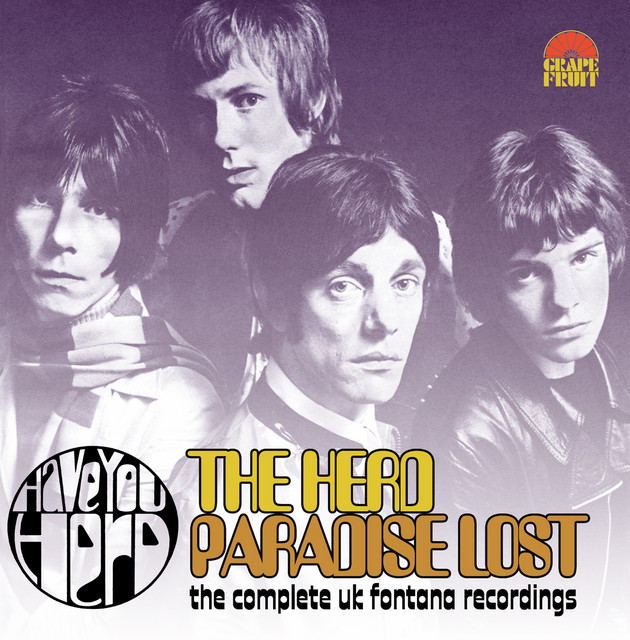
The Herd
Arrival
Tommy Quickly And The Remo Four
The Montanas