Data may be outdated
Last updated: 9 months ago — Click refresh to get the latest statistics.
The Pharaohs were one of the forgotten treasures of '70s R&B, a freewheeling jazz-funk congregation heavily influenced by Chicago's jazz avant-garde as well as on-the-one funk and African motifs. Unfortunately, they recorded only one album before <a href="spotify:artist:4QQgXkCYTt3BlENzhyNETg">Earth, Wind & Fire</a> frontman <a href="spotify:artist:6T46cZo3M8wXq5eOoXbZBx">Maurice White</a> (who played in an early version of the Pharaohs) hired several of its members to form the Phenix Horns, the justly celebrated horn section for <a href="spotify:artist:4QQgXkCYTt3BlENzhyNETg">Earth, Wind & Fire</a> during the '70s.
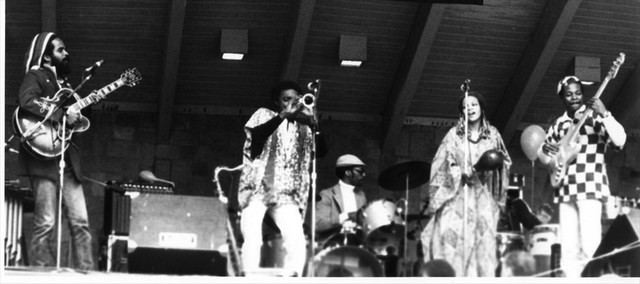
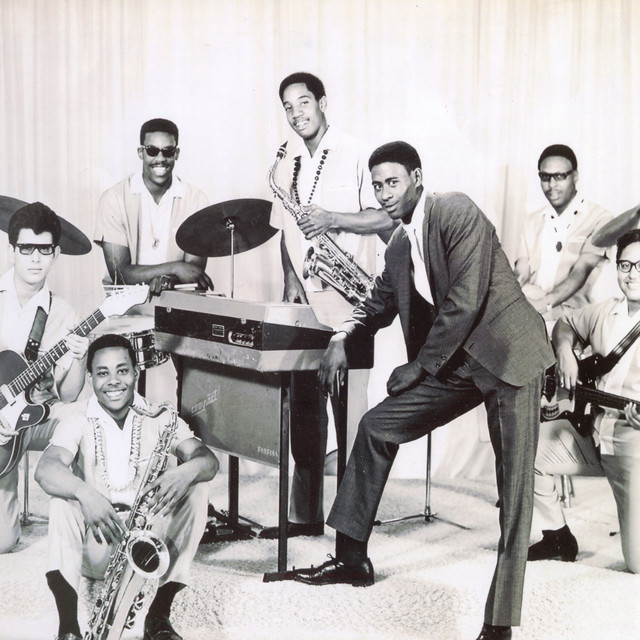
The group was formed from several jazz bands active around Chicago's Affro Arts Theater, a community educational collective. One of the bands, the Jazzmen, was formed in the early '60s around trumpeter Charles Handy, trombone player Louis Satterfield, and alto Don Myrick (along with three who didn't survive later conglomerations: pianist Fred Humphrey, bassist Ernest McCarthy, and drummer <a href="spotify:artist:6T46cZo3M8wXq5eOoXbZBx">Maurice White</a>). The other main component of the Pharaohs was <a href="spotify:artist:0nDmZLauRLC10NNsANfGfG">the Artistic Heritage Ensemble</a>, who had already recorded one late-'60s LP with cornetist Philip Cohran, a veteran of <a href="spotify:artist:5V5vvh5MgM7vDuPp4lJYkh">Sun Ra's Arkestra</a> and AACM. By the time of the Pharaohs' 1971 recording debut, Awakening, the group included Handy, Myrick, and Satterfield plus Big Willie Woods on trombone, Oye Bisi and Shango Njoko Adefumi on African drums, Yehudah Ben Israel on guitar and vocals, Alious Watkins on trap drums, Derf Reklaw-Raheem on percussion and flute, and Aaron Dodd on tuba. Though the album's astonishing fusion of funk, jazz, and Afro-beat earned them an assortment of die-hard fans and critics, the group's abstract inclinations hardly geared them for commercial success.
Back in the '60s, before the Pharaohs were formed, Handy, Satterfield, and <a href="spotify:artist:6T46cZo3M8wXq5eOoXbZBx">Maurice White</a> had often contributed to sessions at Chicago's Chess studios, so when <a href="spotify:artist:6T46cZo3M8wXq5eOoXbZBx">White</a> recorded a demo for a new band he wanted to form, both Handy and Satterfield appeared on it. After he signed to Warner Bros., they also began recording <a href="spotify:artist:4QQgXkCYTt3BlENzhyNETg">Earth, Wind & Fire</a> material and eventually were officially hired by <a href="spotify:artist:6T46cZo3M8wXq5eOoXbZBx">White</a> as the Phenix Horns, with the addition of Pharaohs Yehudah Ben Israel and Rahm Lee, plus <a href="spotify:artist:2KWxgWEAt6Sw2yoR5M7ANV">Michael Harris</a>. The Pharaohs soldiered on until 1973, but called it quits without recording another studio album. Derf Reklaw became a respected world-jazz leader, while Woods and Dodd both appeared on many soul sessions around Chicago during the '70s. In 1996, the acid jazz label Luv 'N' Haight reissued Awakening and also released the 1972 live outing In the Basement. ~ John Bush, Rovi
The group was formed from several jazz bands active around Chicago's Affro Arts Theater, a community educational collective. One of the bands, the Jazzmen, was formed in the early '60s around trumpeter Charles Handy, trombone player Louis Satterfield, and alto Don Myrick (along with three who didn't survive later conglomerations: pianist Fred Humphrey, bassist Ernest McCarthy, and drummer <a href="spotify:artist:6T46cZo3M8wXq5eOoXbZBx">Maurice White</a>). The other main component of the Pharaohs was <a href="spotify:artist:0nDmZLauRLC10NNsANfGfG">the Artistic Heritage Ensemble</a>, who had already recorded one late-'60s LP with cornetist Philip Cohran, a veteran of <a href="spotify:artist:5V5vvh5MgM7vDuPp4lJYkh">Sun Ra's Arkestra</a> and AACM. By the time of the Pharaohs' 1971 recording debut, Awakening, the group included Handy, Myrick, and Satterfield plus Big Willie Woods on trombone, Oye Bisi and Shango Njoko Adefumi on African drums, Yehudah Ben Israel on guitar and vocals, Alious Watkins on trap drums, Derf Reklaw-Raheem on percussion and flute, and Aaron Dodd on tuba. Though the album's astonishing fusion of funk, jazz, and Afro-beat earned them an assortment of die-hard fans and critics, the group's abstract inclinations hardly geared them for commercial success.
Back in the '60s, before the Pharaohs were formed, Handy, Satterfield, and <a href="spotify:artist:6T46cZo3M8wXq5eOoXbZBx">Maurice White</a> had often contributed to sessions at Chicago's Chess studios, so when <a href="spotify:artist:6T46cZo3M8wXq5eOoXbZBx">White</a> recorded a demo for a new band he wanted to form, both Handy and Satterfield appeared on it. After he signed to Warner Bros., they also began recording <a href="spotify:artist:4QQgXkCYTt3BlENzhyNETg">Earth, Wind & Fire</a> material and eventually were officially hired by <a href="spotify:artist:6T46cZo3M8wXq5eOoXbZBx">White</a> as the Phenix Horns, with the addition of Pharaohs Yehudah Ben Israel and Rahm Lee, plus <a href="spotify:artist:2KWxgWEAt6Sw2yoR5M7ANV">Michael Harris</a>. The Pharaohs soldiered on until 1973, but called it quits without recording another studio album. Derf Reklaw became a respected world-jazz leader, while Woods and Dodd both appeared on many soul sessions around Chicago during the '70s. In 1996, the acid jazz label Luv 'N' Haight reissued Awakening and also released the 1972 live outing In the Basement. ~ John Bush, Rovi
Monthly Listeners
2,674
Monthly Listeners History
Track the evolution of monthly listeners over the last 28 days.
Followers
1,842
Followers History
Track the evolution of followers over the last 28 days.
Top Cities
87 listeners

45 listeners

39 listeners

37 listeners
36 listeners

Related Artists
Afrique





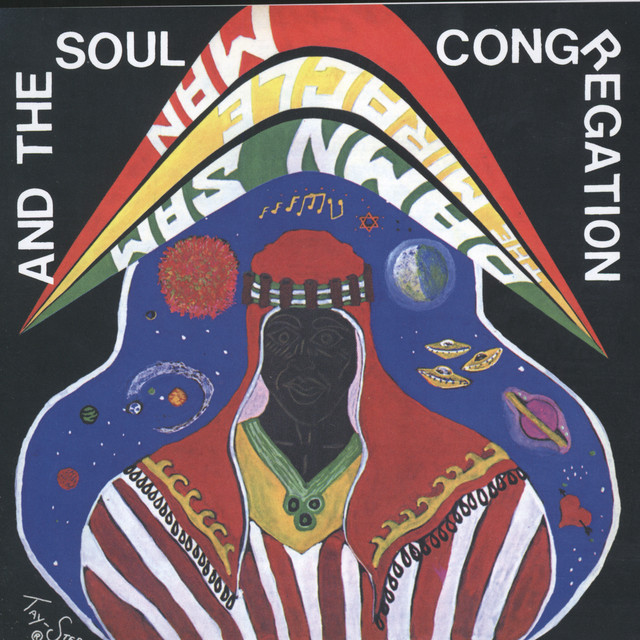
Damn Sam The Miracle Man
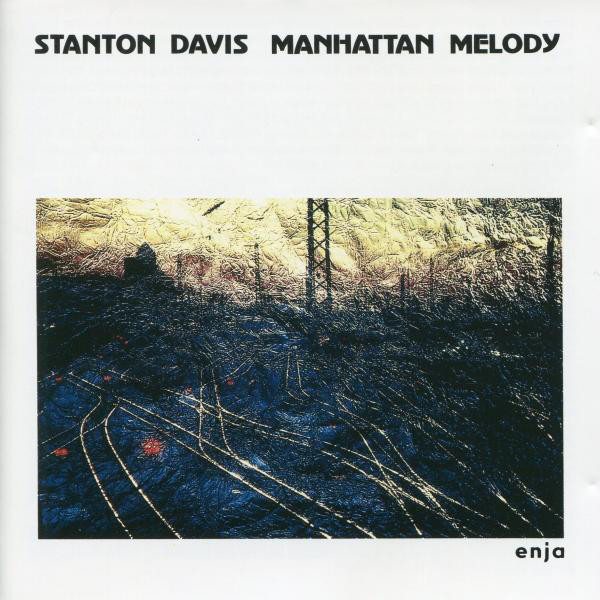
Stanton Davis

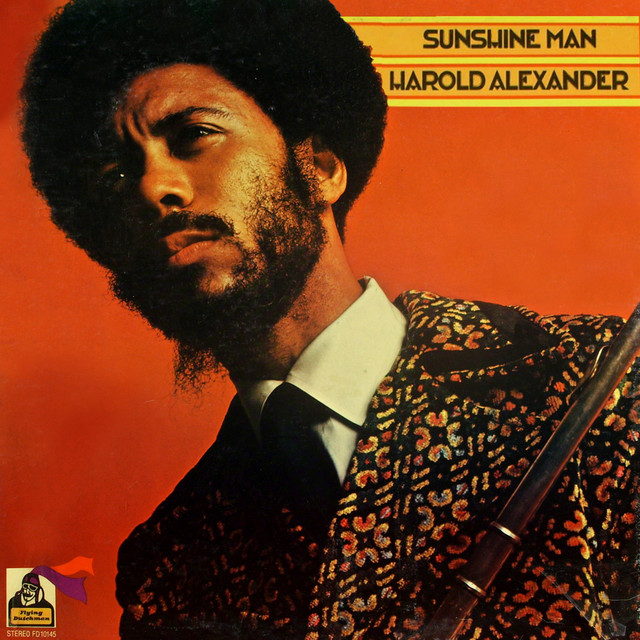

Sherlock Holmes Investigation
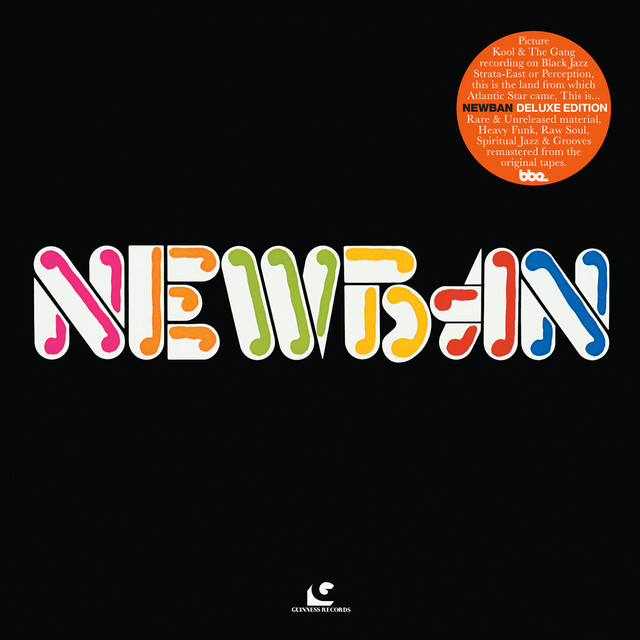

Malone & Barnes


Robert Lowe